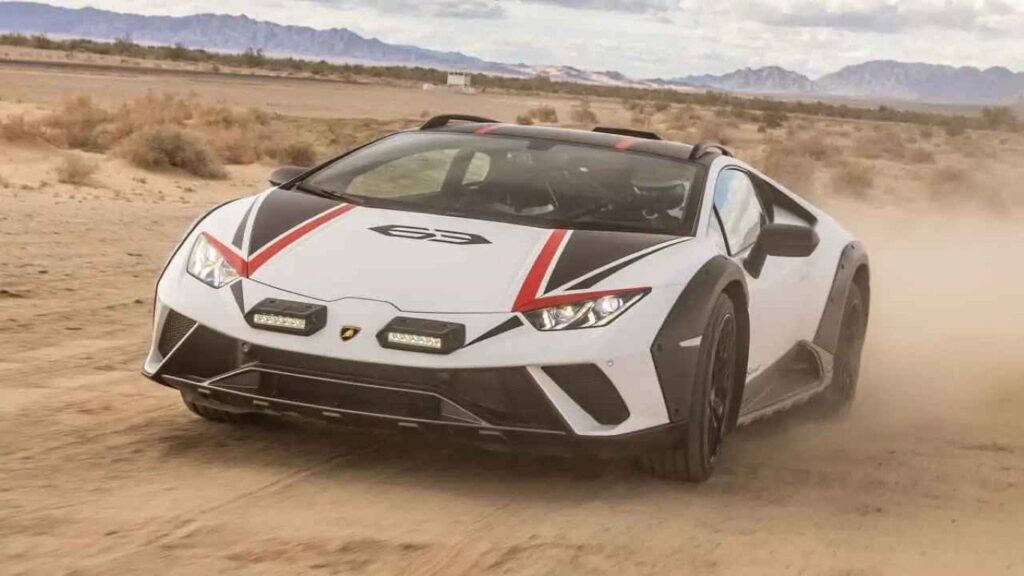
The Lamborghini Huracan Sterrato always felt like a car that shouldn’t have made sense, which is exactly why it became one of the brand’s most interesting modern projects.
Now Lamborghini appears to be keeping that door ajar, even if nothing has been signed off for production.
Speaking at the Goodwood Festival of Speed, Federico Foschini, Lamborghini’s Chief Marketing and Sales Officer, indicated that the Sterrato concept remains an idea the company could revisit when the timing is right.
At a glance
- Lamborghini is still open to exploring more Sterrato-style models after the Huracan Sterrato.
- The Urus SE is the clearest fit, with Lamborghini noting that its platform already has strong versatility.
- No future Sterrato model, timeline, price or production plan has been announced.
A rally-supercar idea Lamborghini hasn’t parked
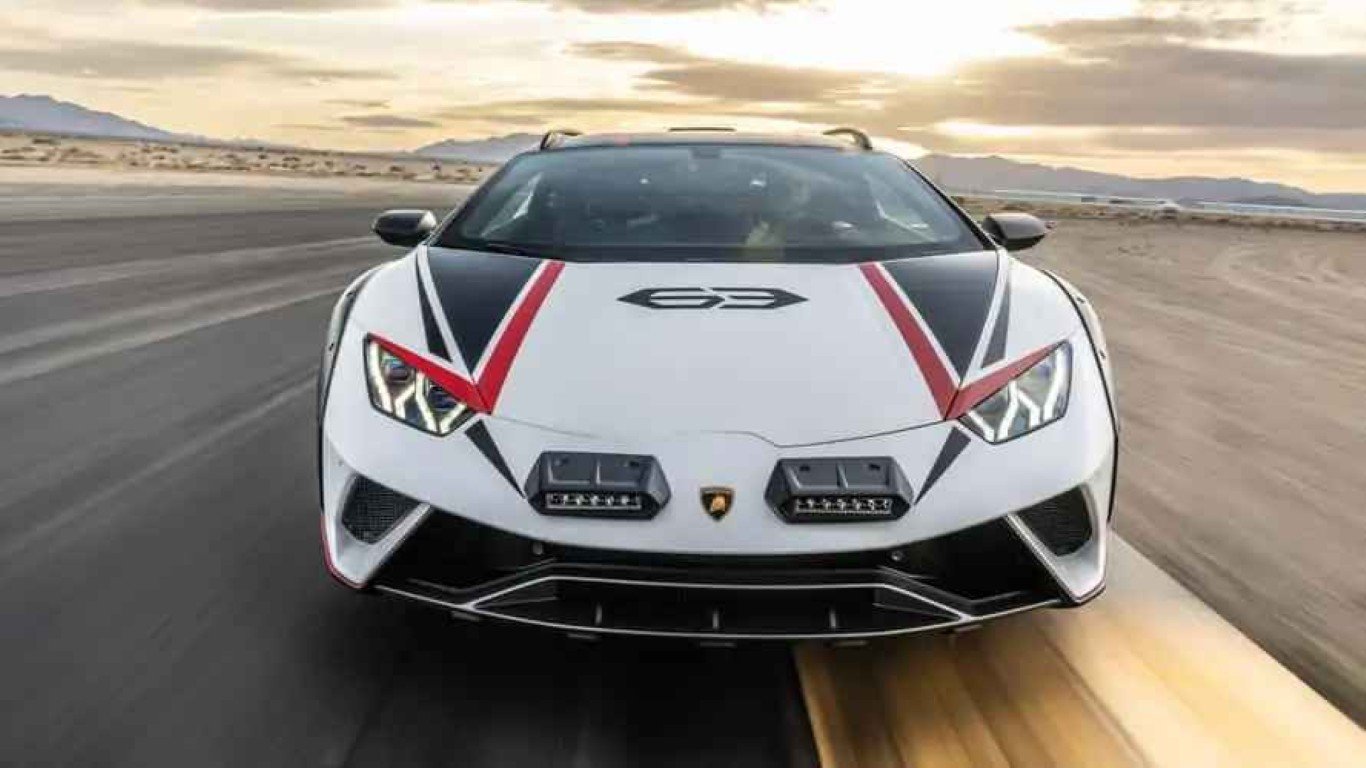
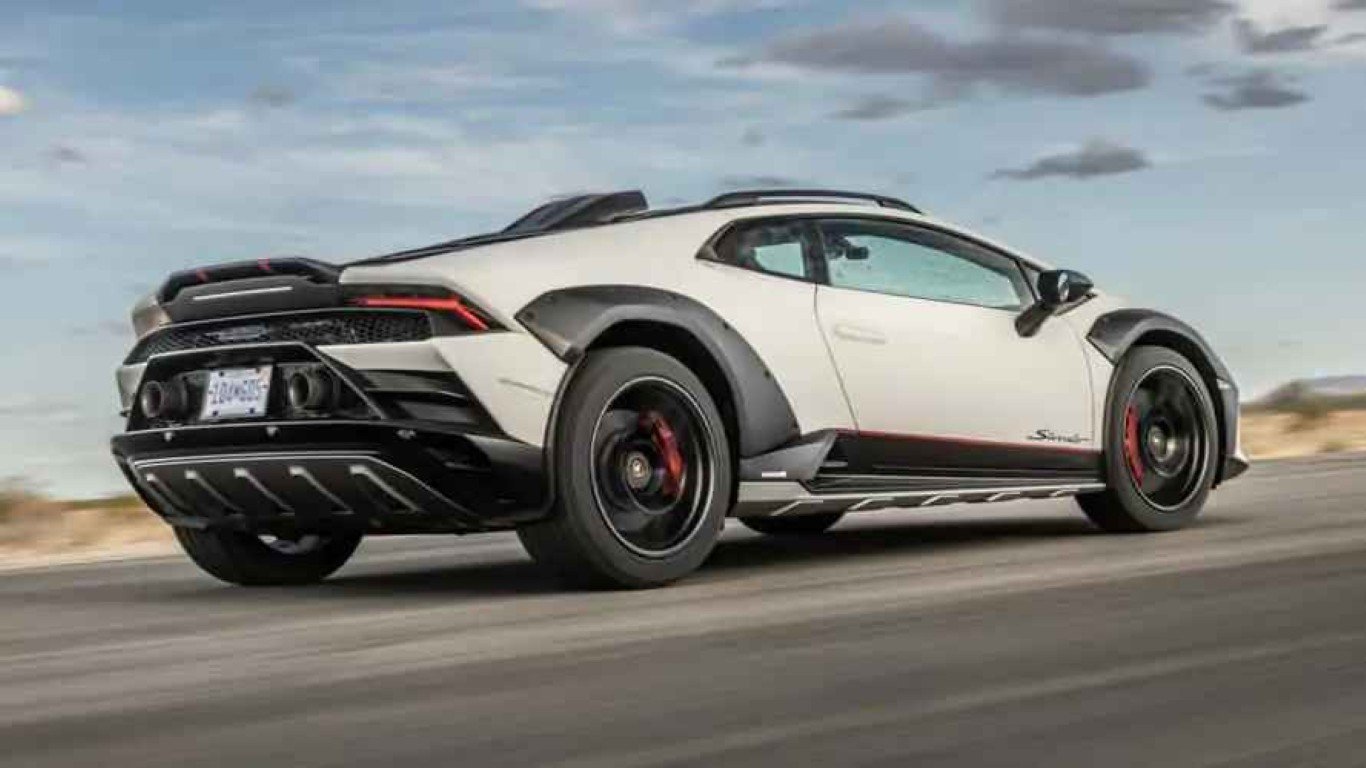
The Huracan Sterrato took a familiar Lamborghini formula and pushed it into unfamiliar territory, pairing supercar drama with a raised stance and off-road attitude.
It wasn’t a conventional extension of the Huracan line, but it showed that Sant’Agata could stretch its performance identity without diluting it.
Foschini’s comments suggest Lamborghini sees that experiment as more than a one-off curiosity.
He described the idea as an opportunity the company can evaluate, while also making clear that product planning has to happen in sequence rather than all at once.
That distinction matters, because Lamborghini is not hinting at an imminent launch or a specific model programme.
Instead, the Sterrato name appears to remain in the brand’s creative reserve, ready to be reconsidered when the portfolio has space for it.

The Urus SE looks like the natural next candidate
If the Sterrato treatment returns, the Urus SE is the model that makes the most immediate sense.
Foschini went as far as to suggest that the gap between the current Urus SE and a possible Sterrato-style version would not be especially large.
That’s a telling point, because the Urus already sits closer to the off-road side of Lamborghini’s line-up than any low-slung supercar could.

A more adventurous version could plausibly focus on tyres, setup and a stronger visual emphasis on rough-road capability, rather than requiring a total reinvention of the car.
Lamborghini has also built the Urus around a versatile platform, which gives the brand room to tune the same basic vehicle in different directions.
In Foschini’s framing, that could mean a more track-focused configuration at one end and a more off-road-biased interpretation at the other.

Why the Sterrato formula still matters
The Sterrato idea works because it brings a little friction back into the supercar conversation.
Modern performance cars are often measured by lap times, power figures and launch-control theatrics, while the Sterrato approach asks a different question about where a Lamborghini can go and still feel like a Lamborghini.
That’s especially useful for a brand balancing tradition with a changing model mix.
A future Sterrato would let Lamborghini lean into character, utility and attitude without abandoning speed or spectacle.
It would also give owners something distinct from the usual road-car hierarchy, particularly those drawn to Lamborghinis for personality as much as outright performance.
The Huracan Sterrato proved that an unlikely idea can land when it’s executed with confidence.
Whether the next chapter wears a Urus badge or takes another form, Lamborghini’s willingness to keep the concept alive says plenty about where the brand still sees room to play.