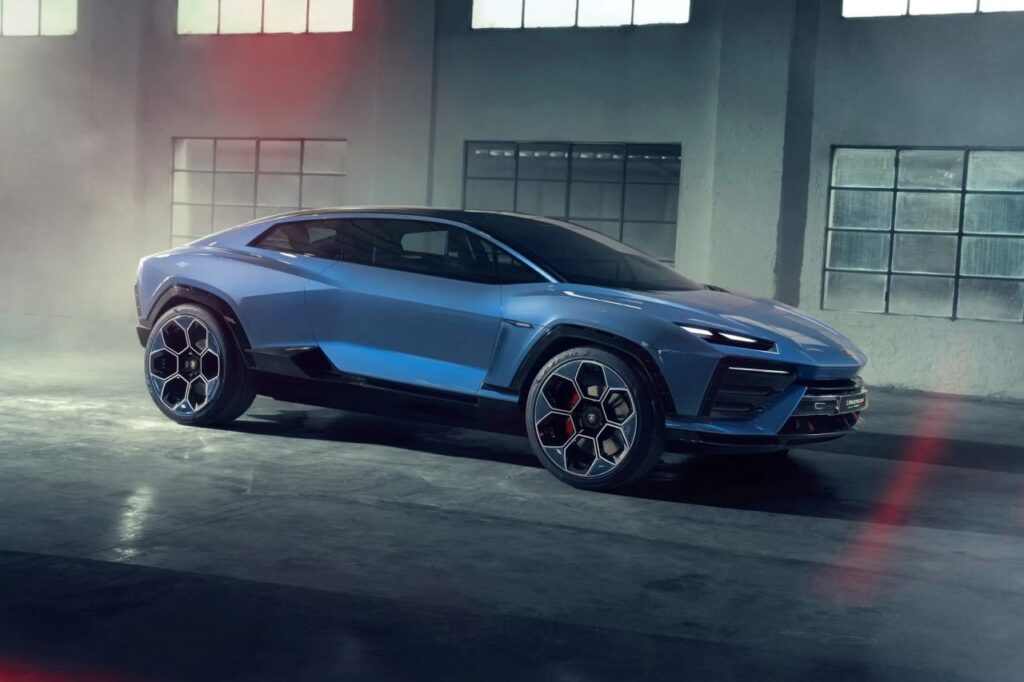
Lamborghini’s next new model line is taking a different route to market.
The Lanzador, first positioned as the brand’s electric future in a four-seat coupe format, is now set to arrive as a plug-in hybrid instead. It’s a notable shift, not just for one car, but for how Lamborghini is balancing electrification with the character its customers still expect.
At a glance
- Lamborghini CEO Stephan Winkelmann has confirmed the Lanzador will be a plug-in hybrid rather than a full electric vehicle.
- The four-seat coupe was previously planned with a dual-motor electric setup targeting 1,341 hp.
- The Lanzador is still scheduled to become Lamborghini’s fourth model line in 2028.
A strategic step back from a full EV Lanzador
The Lanzador was originally meant to mark Lamborghini’s first fully electric production model, extending the brand beyond its supercars and Urus SUV with a high-riding grand tourer-like silhouette.
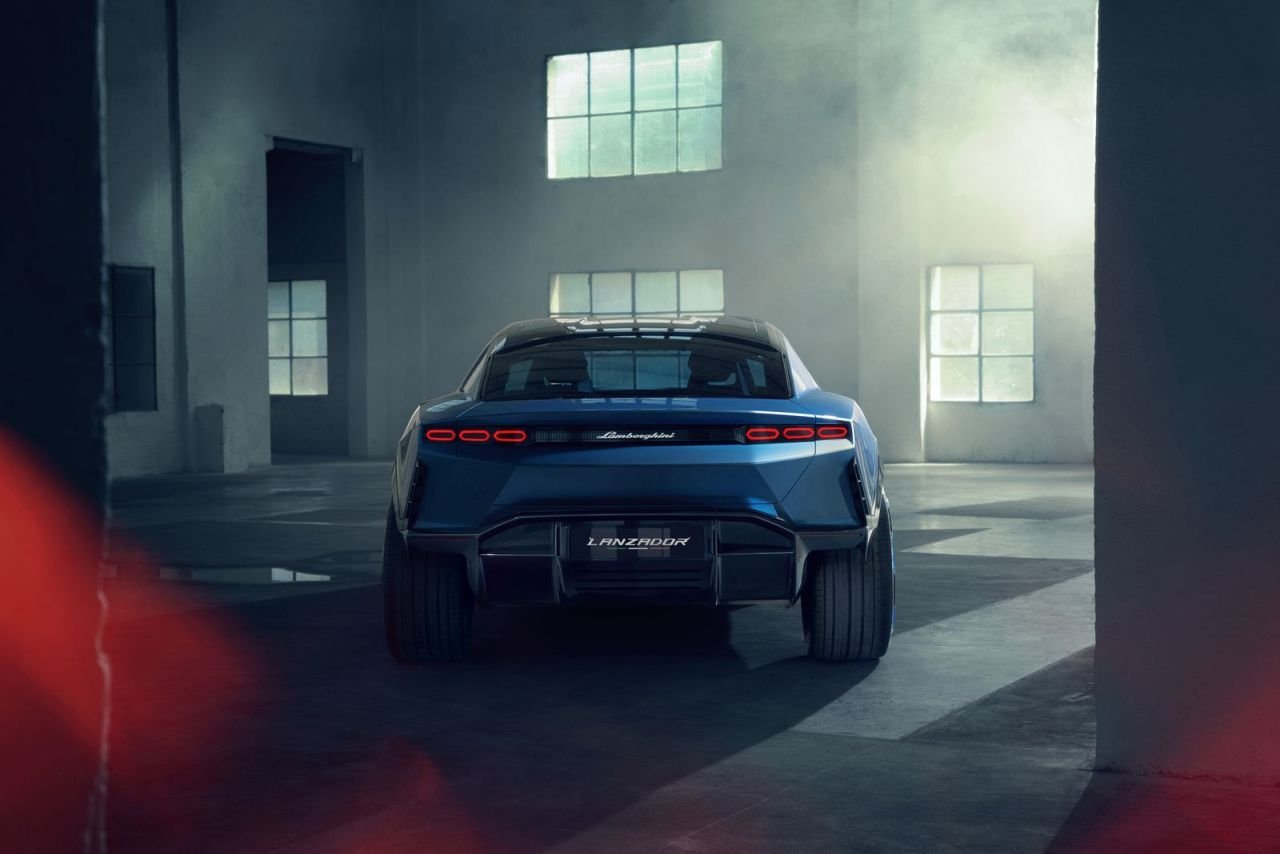
That plan has now changed, with Lamborghini choosing a plug-in hybrid layout that combines an internal-combustion engine with electric motors.
Winkelmann made the decision clear, saying, “We decided to change the Lanzador from full electric to plug-in hybrid, and this was very well accepted by the customer. They’re very happy about that.”
For Lamborghini, that customer reaction matters as much as the engineering brief.

The brand has already moved decisively into hybrid performance with the Revuelto and Temerario, but a full EV would have asked buyers to accept a more dramatic break from the sensory qualities that define Sant’Agata’s cars.
The 1,341 hp EV concept is off the table
The earlier Lanzador plan centred on a dual-motor electric powertrain with a claimed 1,341 hp target.
That figure gave the concept the sort of headline output expected from a future-facing Lamborghini, but the production car will no longer follow that electric architecture.
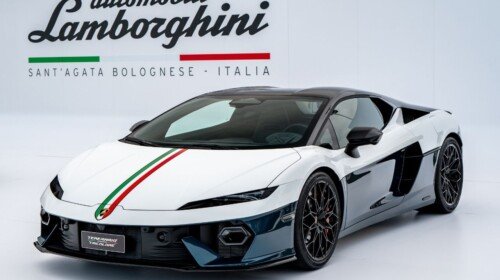
Lamborghini hasn’t revealed the new plug-in hybrid system, and the company has not confirmed whether it will share hardware with the Revuelto, Temerario or Urus SE.
Those models do, however, show the direction Lamborghini is already comfortable taking, with electric assistance used to sharpen response, add torque and preserve the presence of a combustion engine.
The Lanzador’s challenge is different because it needs to package hybrid performance into a four-seat coupe body, rather than a two-seat supercar or SUV.
A fourth model line with grand touring intent
The Lanzador remains scheduled for 2028, when it will become Lamborghini’s fourth model line.
That positioning is important because it suggests the car won’t simply be another variant of an existing model.
With four seats and a coupe profile, the Lanzador is likely to occupy a more versatile space in the line-up, aimed at drivers who want Lamborghini theatre with more long-distance usability.
The switch to plug-in hybrid power could make that formula easier to sell to existing customers, especially those who want electrification without losing the sound and emotional texture of an engine.
It also keeps Lamborghini aligned with a broader trend among ultra-performance brands, where hybrids are increasingly becoming the bridge between combustion-era identity and future regulation.
Details & Specifications
| Brand | Lamborghini |
|---|---|
| Model | Lanzador |
| Body style | Four-seat coupe |
| Model line | Planned fourth Lamborghini model line |
| Powertrain | Plug-in hybrid with internal-combustion engine and electric motors |
| Previous EV plan | Dual-motor electric setup targeting 1,341 hp |
| Planned timing | 2028 |
The Lanzador’s final specification is still under wraps, but the direction is now clear.
Rather than forcing its first four-seat coupe into an all-electric identity, Lamborghini is giving the car a powertrain that better matches the expectations of its core buyers while still moving the brand deeper into electrified performance.