Lamborghini is taking a deliberately measured route into electrification, and right now that looks less like hesitation than good timing.
With the reception to Ferrari’s Luce EV proving divisive among enthusiasts and investors alike, Sant’Agata Bolognese is leaning harder into a strategy it has already put into motion. The immediate future of Lamborghini performance is hybrid, not fully electric.
At a glance
- Lamborghini is reaffirming its hybrid-first approach rather than rushing into a fully electric production model.
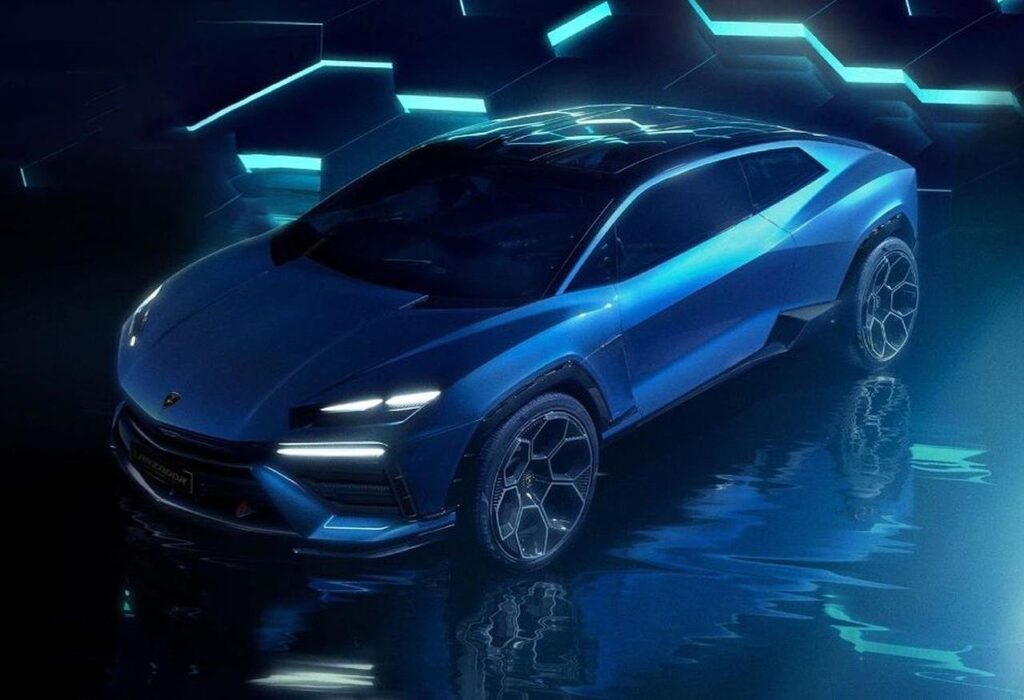
- The Lanzador, once positioned as Lamborghini’s first EV, is now set to use a plug-in hybrid powertrain with more than 810 hp.
- The Temerario, Revuelto and Urus are already hybridised, with the brand expected to keep that direction beyond 2030.
Lamborghini’s hybrid strategy now looks carefully timed
Lamborghini has already moved its core range into the hybrid era, with the Temerario, Revuelto and Urus all adopting electrified powertrains.

That gives the brand a useful middle ground between old-school combustion theatre and the efficiency, torque-fill and regulatory benefits of electrification.
It also avoids the more difficult question facing exotic brands at the moment, which is whether their customers are ready to accept a battery-electric supercar as the new emotional flagship.
For Lamborghini, the answer appears to be not yet.
The Lanzador shifts away from pure EV expectations
The Lanzador had been discussed as Lamborghini’s first electric vehicle, but the model is now expected to arrive with plug-in hybrid power instead.
That change matters because the Lanzador is not a conventional low-slung supercar in the Revuelto mould.
It sits closer to the idea of a high-riding, high-performance grand tourer, a format where electrification can add refinement and flexibility without asking buyers to give up the combustion character associated with the badge.
With more than 810 hp expected from its plug-in hybrid setup, Lamborghini is clearly not presenting the Lanzador as a softer alternative.
The figure also places it firmly in the conversation around the next generation of super SUVs and elevated performance cars, even if Lamborghini’s own positioning may be more nuanced than a simple category label.
Ferrari’s Luce shows the risk around electric identity
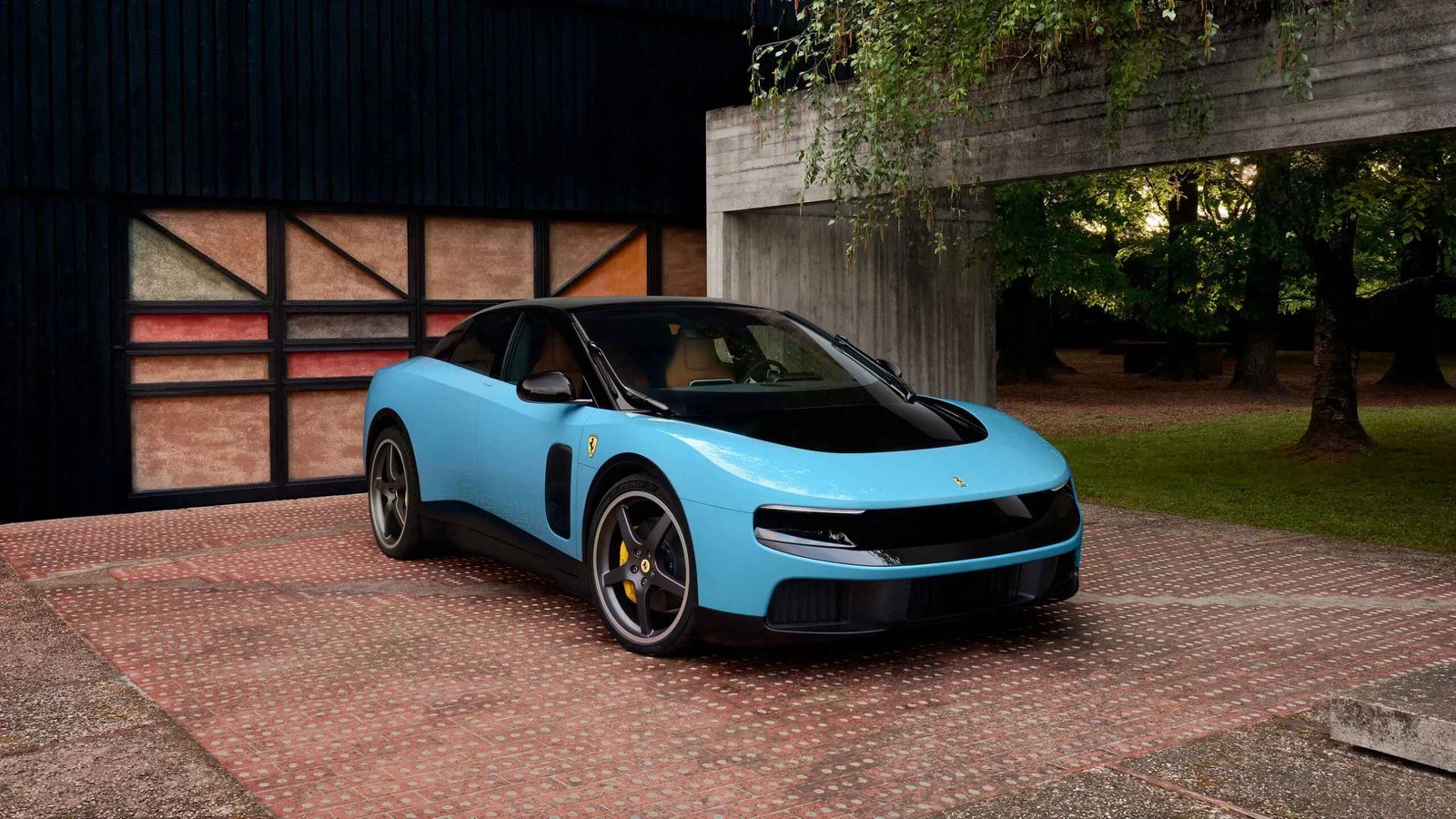
Ferrari’s first electric car, the Luce, has landed in a difficult climate for legacy performance brands.
While its promised performance sits in supercar territory, the design has triggered a sharp online backlash, with criticism extending well beyond the usual enthusiast debate.
The reaction has also carried into the market, with Ferrari shares falling by around 8 percent after the unveiling.
That doesn’t mean electric supercars have no future, but it does underline how thin the margin is when a brand built on sound, proportion and mechanical emotion attempts to redefine itself.
Lamborghini’s current stance suggests it would rather let hybrid technology mature across its range than introduce a pure EV simply to be first.
Details & Specifications
| Brand | Lamborghini |
|---|---|
| Current hybrid models | Temerario, Revuelto and Urus |
| Lanzador powertrain | Plug-in hybrid |
| Lanzador output | More than 810 hp |
| Electrification direction | Hybridised lineup expected to continue beyond 2030 |
Lamborghini’s decision is less about resisting change than choosing the kind of change its customers can recognise.
For a marque whose appeal still depends heavily on drama, sound and presence, hybrids may be the bridge that keeps the cars relevant without sanding off the character that made them desirable in the first place.