Koenigsegg has never been a company short on technical confidence, which makes its restraint around fully electric hypercars more interesting than a simple product delay.
Christian von Koenigsegg has made it clear that the Swedish brand has the knowledge to build an electric hypercar, but doesn’t believe battery power alone currently delivers the emotional texture its cars are meant to have.
In a segment increasingly shaped by electrification, that’s a notable position from one of the most engineering-driven names in the business.
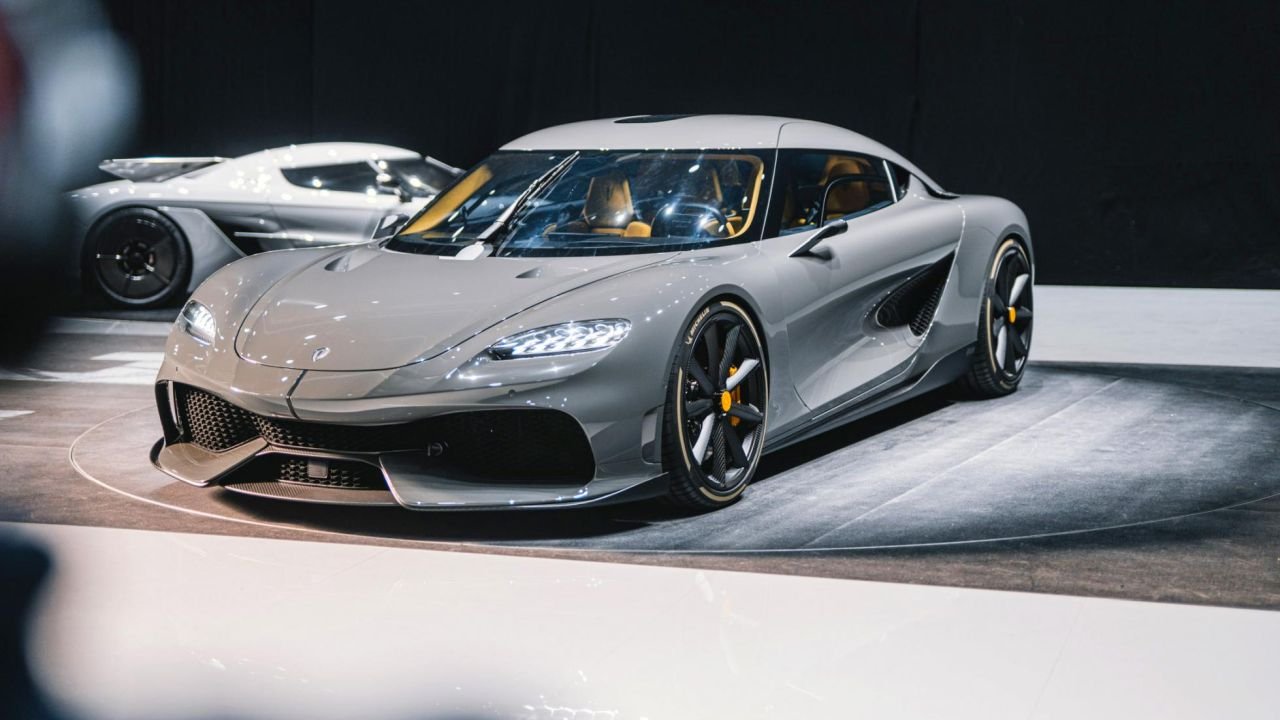
At a glance
- Koenigsegg is deliberately holding back from launching a fully electric hypercar for now.
- The brand believes sound, vibration, response and mechanical feel remain central to the hypercar experience.
- Christian von Koenigsegg once expected an electric model by 2026, but his view has shifted as the company prioritises character over trend timing.
A deliberate pause in the electric race
The important distinction is that Koenigsegg isn’t avoiding electric power because it can’t make the numbers work.
On paper, electric hypercars are almost too easy to understand, with instant torque, staggering acceleration and the ability to generate headline performance figures without the drama of a highly stressed combustion engine.
For a brand like Koenigsegg, though, performance has never been only about the cleanest route to speed.
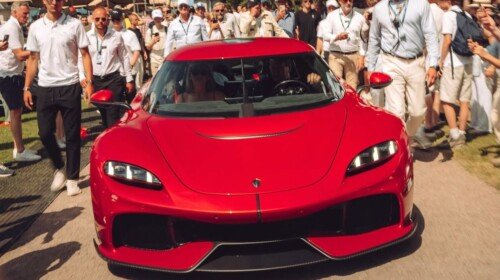
Christian von Koenigsegg has said his thinking has changed over the past decade, having once believed the company would likely have a fully electric model by 2026.
That change doesn’t appear to be a retreat from technology, but a more selective view of what technology should add to a car wearing the Koenigsegg badge.
Why feel still matters in a Koenigsegg
Koenigsegg’s position hinges on a simple but often overlooked point in the electric hypercar conversation.
A hypercar is not just a device for covering ground quickly.
It’s also a piece of theatre, a mechanical event and, at this level, an object expected to communicate with its driver in ways that go beyond measurable acceleration.
Sound, vibration, throttle response, shifting sensation and engine character all contribute to that sense of occasion.
Christian von Koenigsegg’s view is that combustion-powered cars still feel alive in a way today’s electric cars struggle to replicate.
That doesn’t make electric performance less impressive, but it does explain why the company isn’t rushing to build a silent, battery-only flagship simply to join a trend.
Hybrid thinking rather than electric rejection
It would be wrong to frame Koenigsegg’s stance as resistance to electrification altogether.
The brand has already shown a willingness to use hybrid systems where they serve its broader goals, and that approach fits neatly with its culture of unconventional engineering.
For Koenigsegg, electrification appears most compelling when it enhances the combustion experience rather than replacing it outright.
That means electric assistance can be part of the answer, particularly when it improves response, packaging or total output without stripping away the mechanical identity of the car.
The difference is philosophical as much as technical.
Koenigsegg seems less interested in being first to the next powertrain category than in deciding whether that category suits the kind of car it wants to make.
What it says about the hypercar moment
The wider hypercar market is split between two powerful ideas right now.
One is the inevitability of electrification, helped by ever more capable batteries, motors and control systems.
The other is the continuing pull of combustion at the very top of the enthusiast market, where buyers often want rarity, involvement and a sense of mechanical theatre as much as outright speed.
Koenigsegg’s decision sits firmly in the second camp, though not in a nostalgic way.
This is a brand that has built its identity around extreme engineering, so its hesitation carries more weight than a simple preference for engine noise.
It suggests that the next great electric hypercar, at least in Koenigsegg’s eyes, has to do more than be brutally quick.
It has to feel memorable, layered and emotionally convincing from behind the wheel.
For now, Koenigsegg’s most radical move may be refusing to chase the obvious next headline, choosing instead to wait until a fully electric car can offer the character its founder believes a true hypercar deserves.