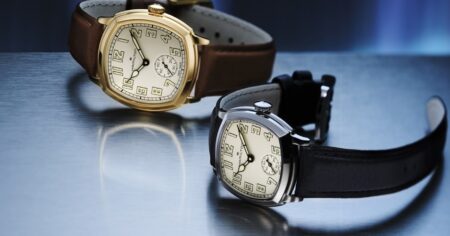
German fine watchmaking is usually discussed through the lens of Glashütte, and for good reason.
But Pforzheim has its own deep horological identity, shaped by jewellery, clocks and the kind of hand skills that rarely survive industrialisation intact.
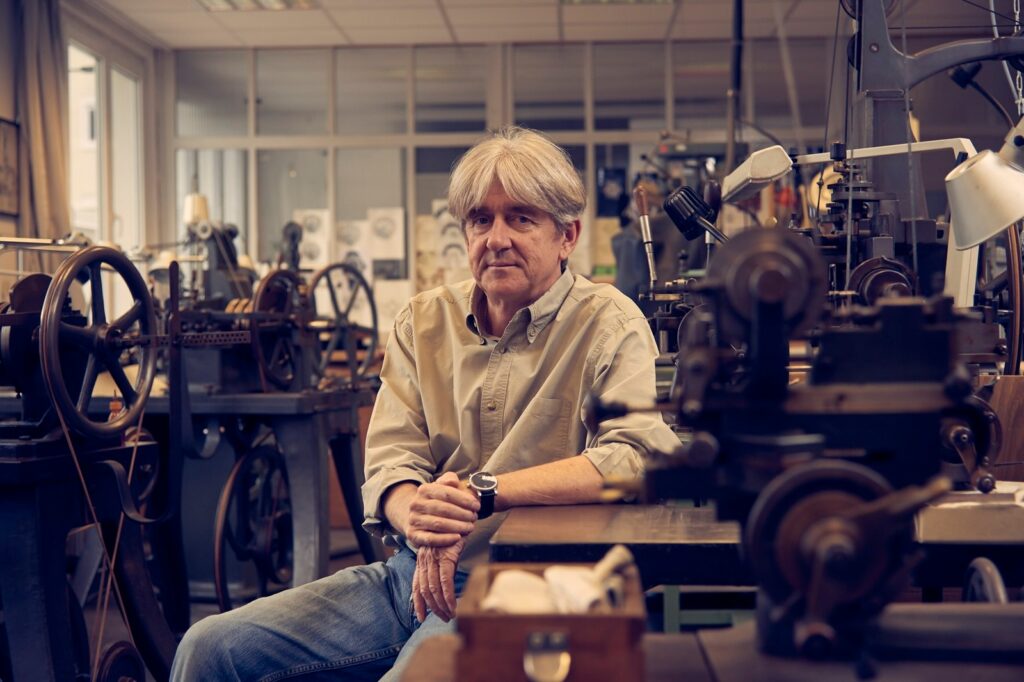
Jochen Benzinger matters because he represents the other side of German watchmaking, less corporate, more artisanal and rooted in the difficult decorative crafts that give a watch its soul.
At a glance
- Jochen Benzinger is one of Pforzheim’s leading independent watchmaking figures, known for preserving guilloché, engraving, bevelling and skeletonisation.
- His work spans Fabergé objects, major watch brands, Rolls-Royce dashboard clocks and his own hand-finished wristwatches.
- The Benzinger GAP 2 brings his finishing style together with German-Austrian movement development and is priced at €14,900.
Pforzheim has long been known as Germany’s Golden City, a place where jewellery making and watchmaking developed side by side.
Brands including Laco, Stowa and Archimede still connect the city to wristwatch culture, though much of Pforzheim’s post-war output moved toward efficient industrial production rather than elaborate hand craft.
That shift left certain specialist skills under pressure, particularly guilloché, engraving, skeletonisation and traditional decorative finishing.
Benzinger’s career is an argument that those skills still have a place in modern watchmaking.
Pforzheim craft beyond the factory model
Benzinger didn’t begin as a watchmaker in the conventional sense.
He started his formal training in 1978 at the Pforzheim Goldsmiths’ School, learning decorative jewellery techniques before opening his own workshop in 1984.
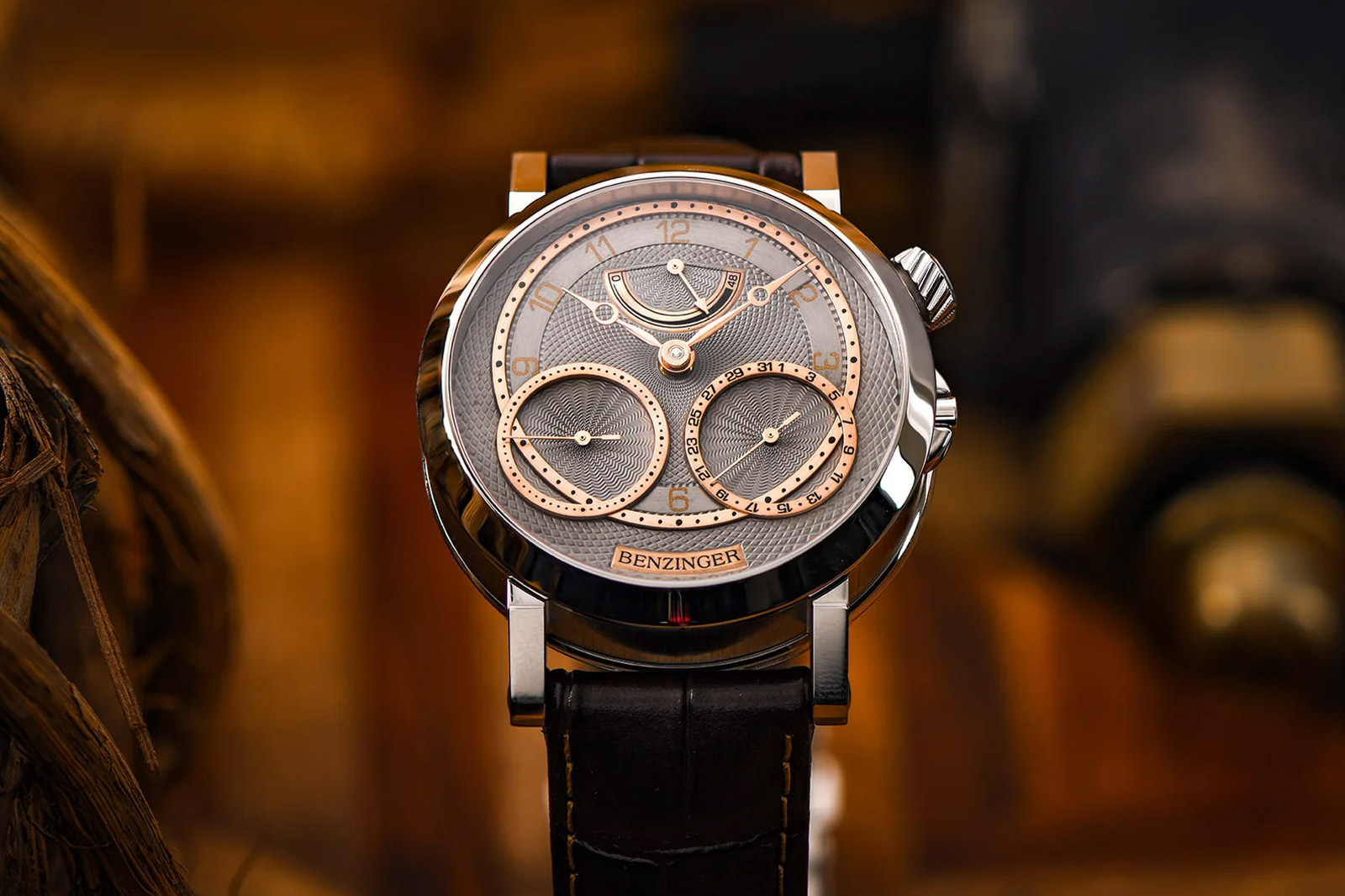
That background explains why his watches don’t feel like standard timepieces with decoration added at the end.
They feel closer to small mechanical objects shaped from the beginning around surface, light and handwork.
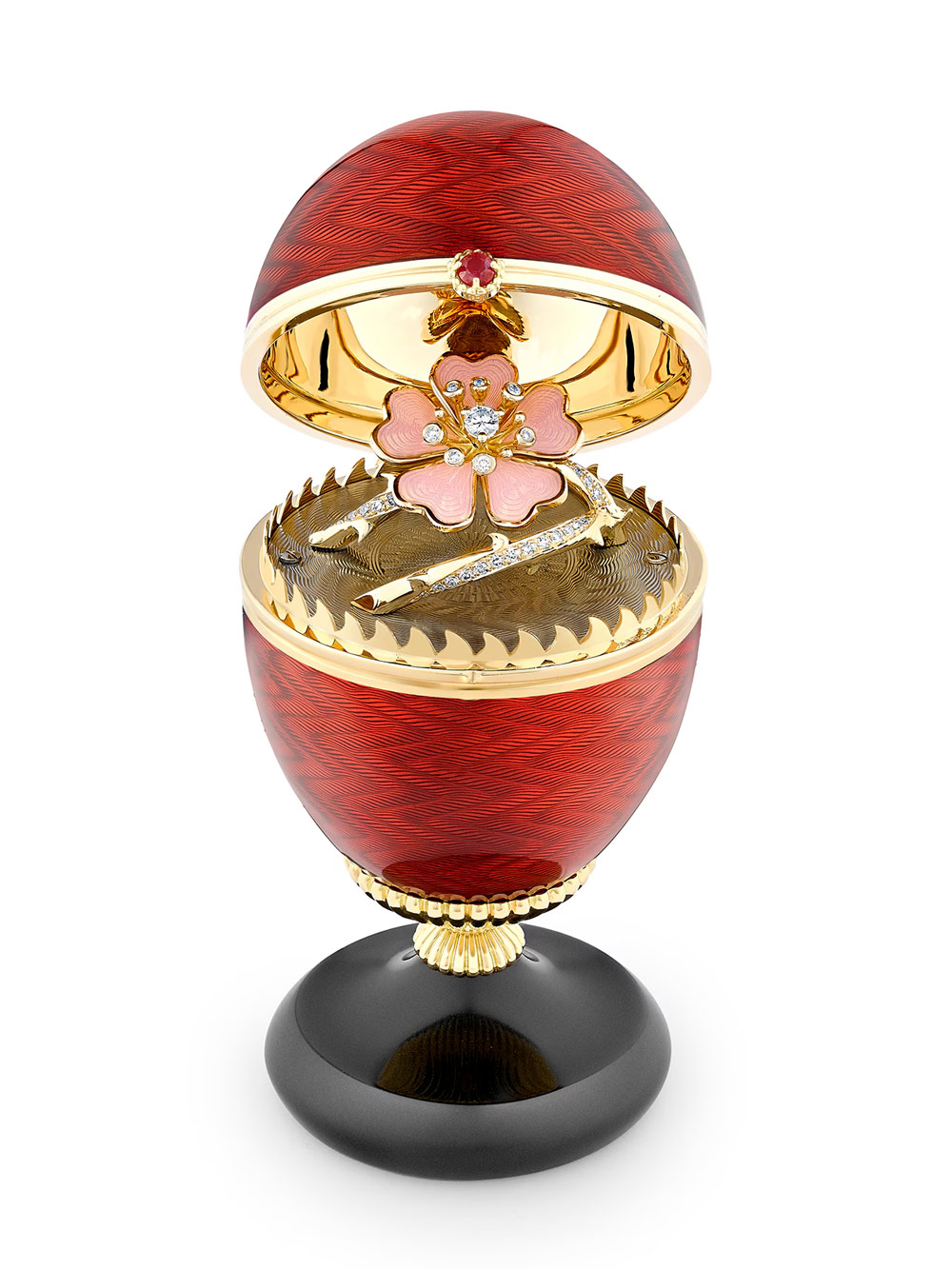
His early mastery of guilloché led to work for Fabergé, including the patterned metalwork beneath translucent enamel finishes.
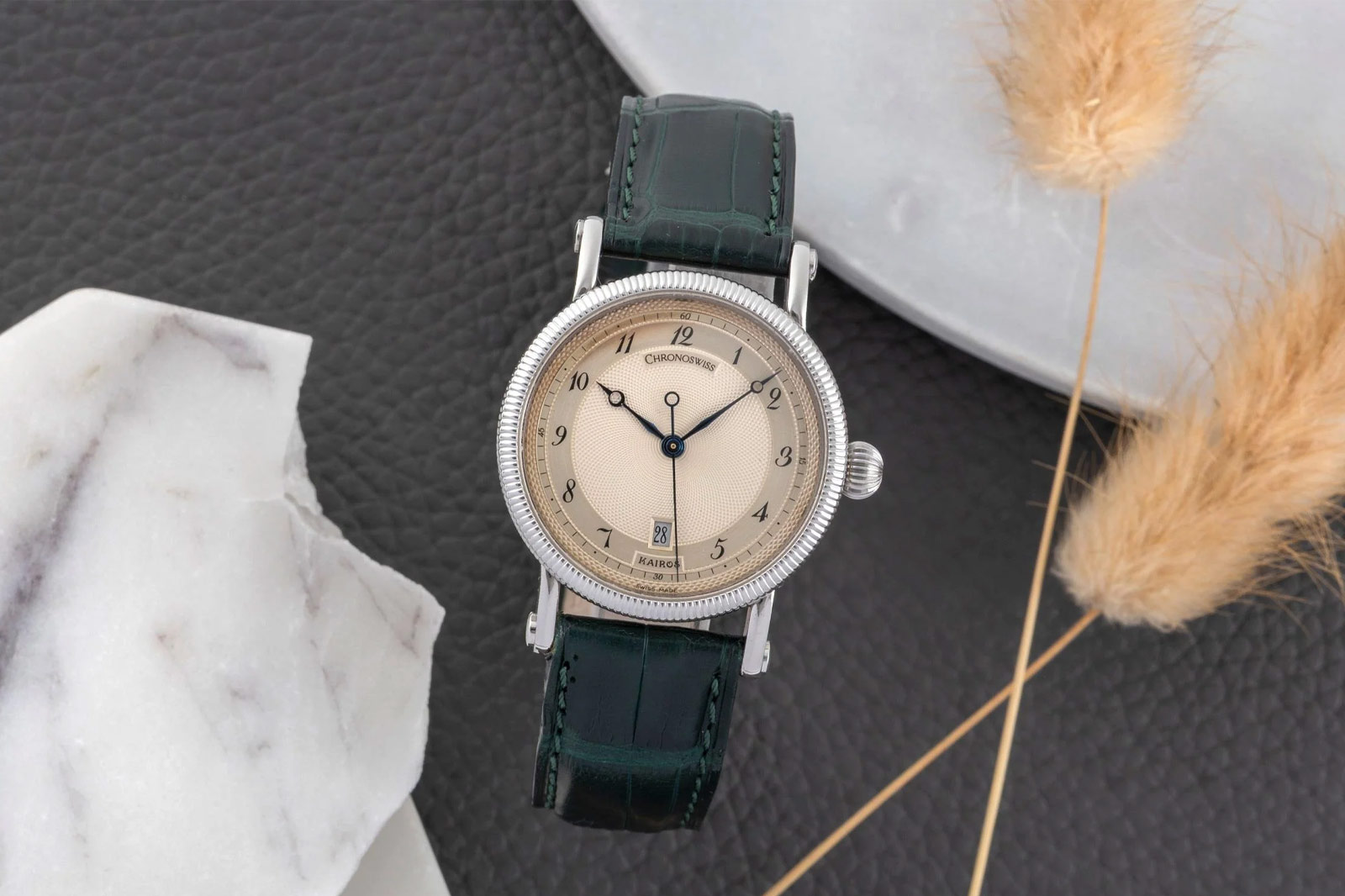
That technique, known as flinqué, creates depth by layering coloured enamel over engine-turned surfaces, turning a flat plane into something that appears to glow from within.
It’s easy to see how that discipline would translate to watch dials, where fractions of a millimetre can change how a surface catches the eye.
From Fabergé finishing to signed watch dials
Benzinger’s move into watches accelerated in the late 1990s through Gerd Rüdiger Lang, the founder of Chronoswiss.
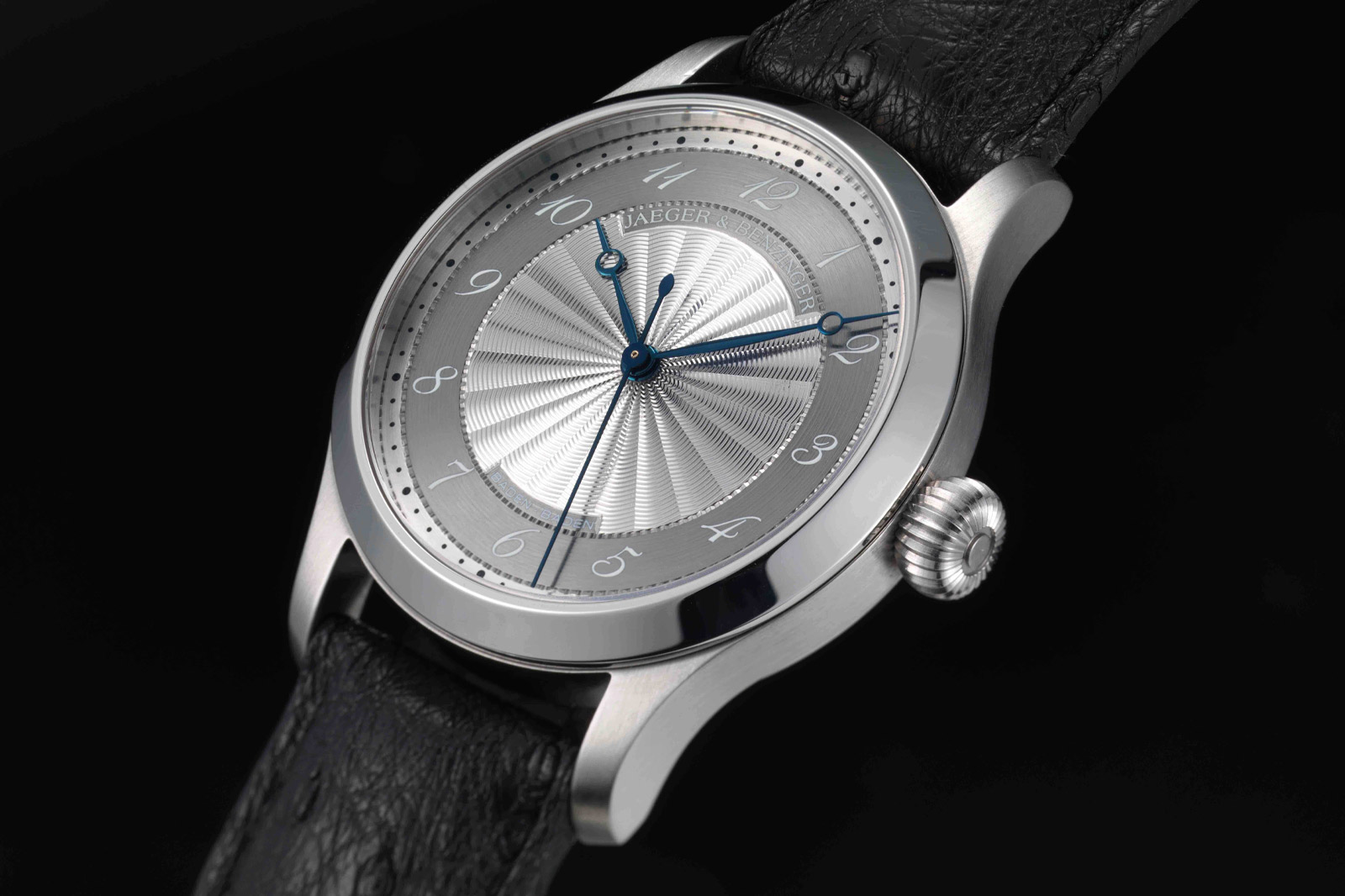
Lang commissioned Benzinger to create dials and went a step further by putting his name on them.
For an independent finisher, that was a serious endorsement.
It also marked the beginning of a broader horological career that would involve work with IWC, Moritz Grossmann and Glashütte Original.
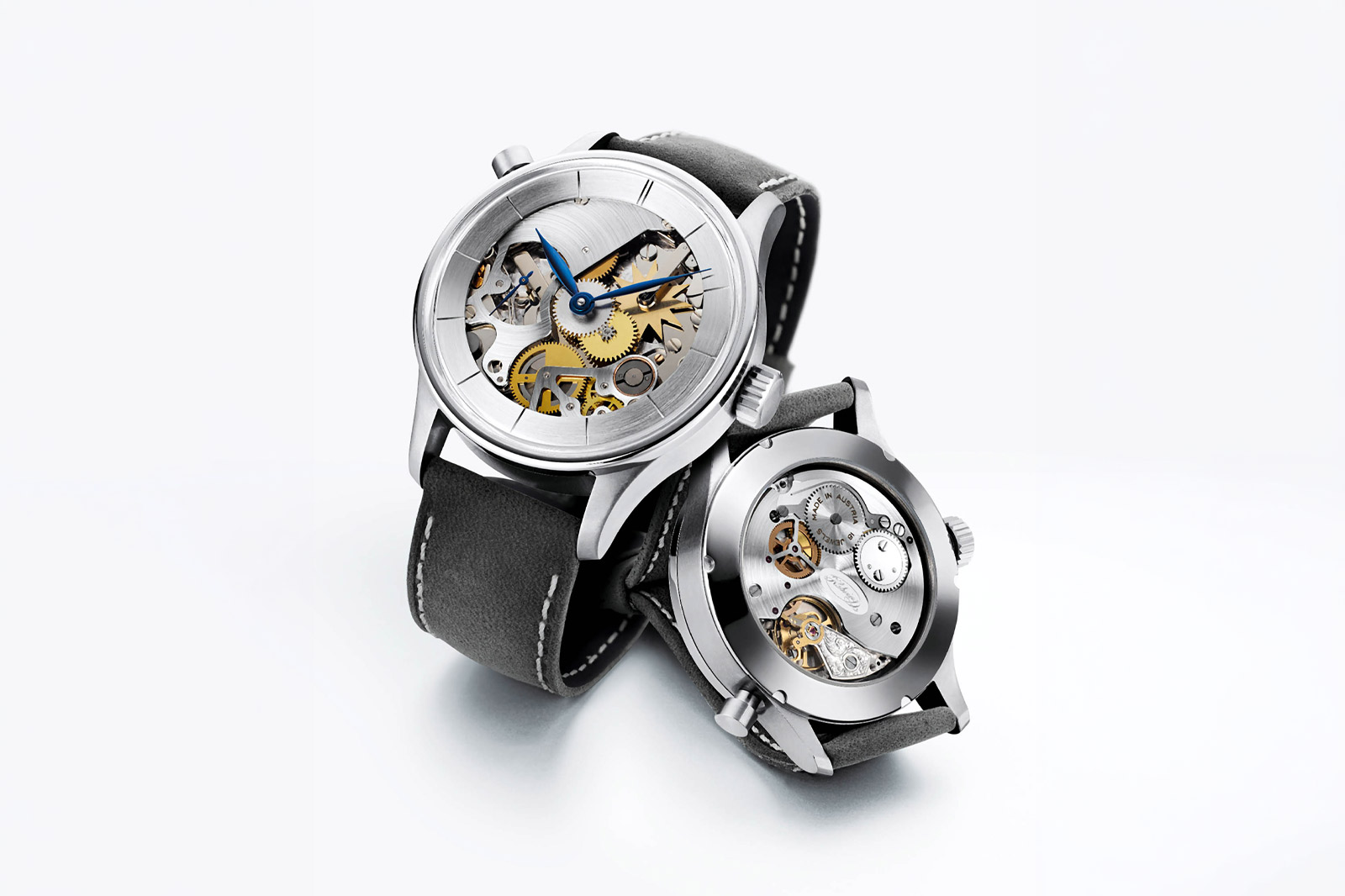
By then, Benzinger was doing more than engine turning.
His vocabulary expanded across hand engraving, bevelling and skeletonisation, applied not only to dials but also to movements.
In a few rare cases, his work even reached beyond wristwatches into the dashboard clocks of the eighth-generation Rolls-Royce Phantom.
That range matters because it shows the portability of true craft.
A Benzinger surface is recognisable not because it shouts, but because it carries the irregular precision of a trained hand.
The Benzinger watches and the GAP project
In 2005, Benzinger launched watches under his own name, giving his craft a more complete horological identity.
The goal was not to chase volume or trend-led complications, but to preserve artisan techniques through watches that could stand on their own.
His later collaborations expanded that idea in two directions.
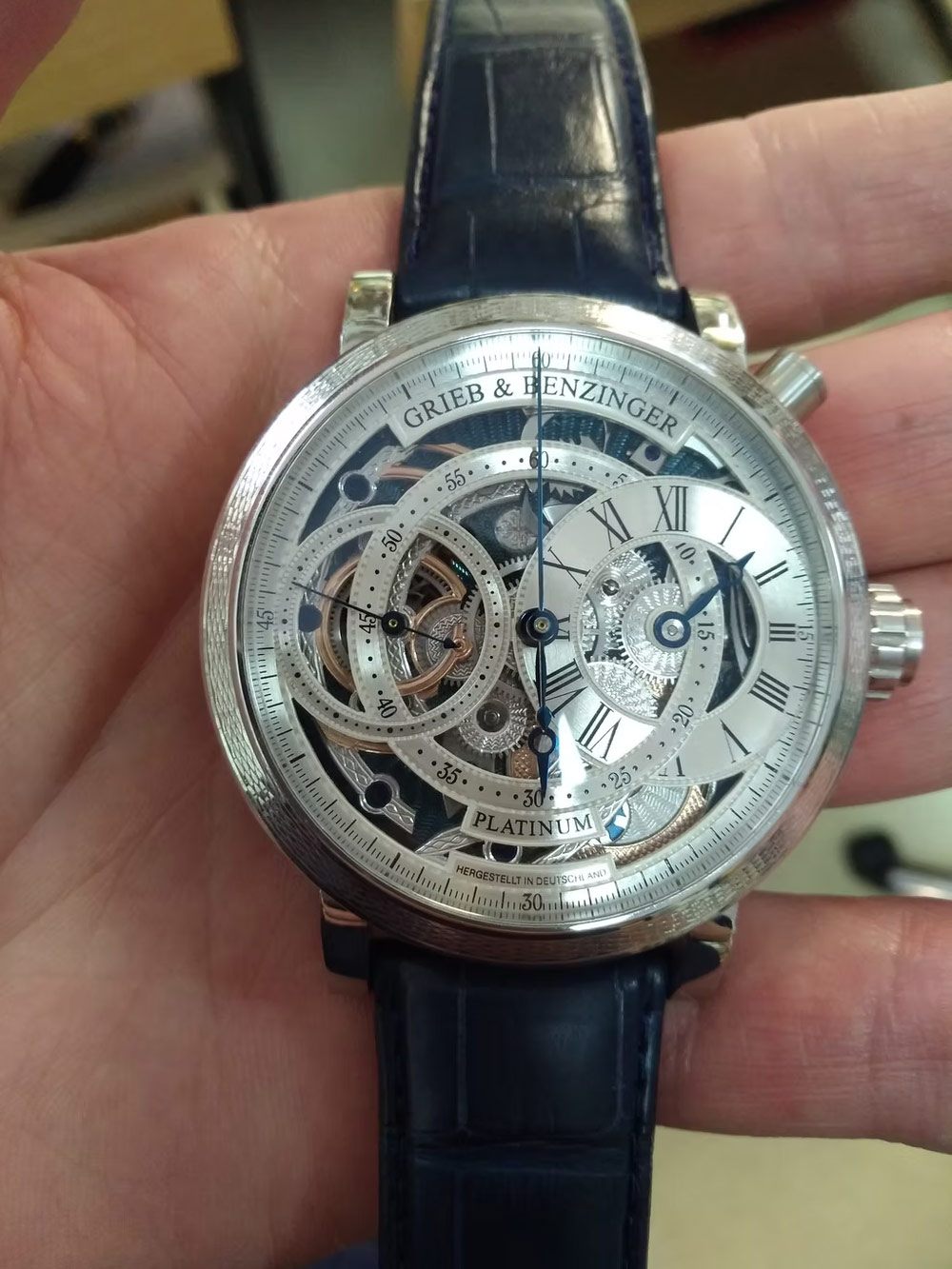
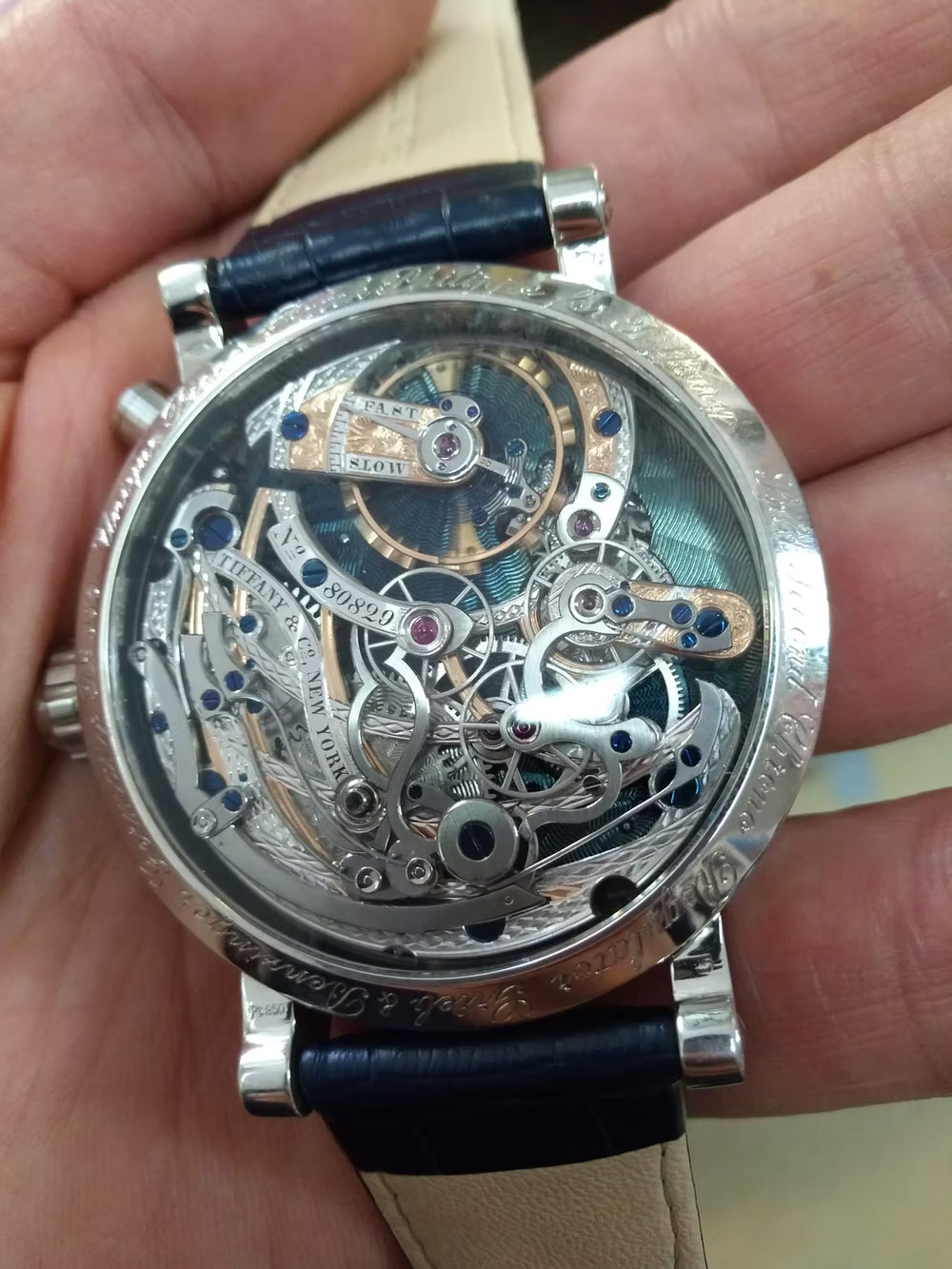
With master horologist Hermann Grieb, he entered the rarefied world of historically important movements, including the Blue Sensation, which used a restored 1889 Patek Philippe split-seconds movement inside a 49mm platinum case.
That watch combined hand skeletonisation, frosted surfaces, engraving and blue platinum-coated bridges into a dramatic expression of German craft.
In 2012, Jaeger & Benzinger took a more accessible route.
Created with collector and brand founder Kay Jaeger, the project brought similar finishing language to watches such as the Edition 1 Handaufzug, priced from €4,950, with a Breguet-style frosted dial, guilloché small seconds and a decorated ETA Unitas 6498 movement.
The most technically significant recent chapter is the German-Austrian Partnership with Habring².
After a 2016 five-minute repeater made with the Austrian independent watchmaker for Australian retailer Define Watches, the relationship continued and eventually led to the GAP I in 2022.
That 39mm watch used a calibre made by Habring² to Benzinger’s specifications, then skeletonised in his own style.
The 2025 GAP 2 follows with a power reserve indicator and a more traditional rear view, using a guilloché three-quarter plate rather than the open architecture of the first model.
Details & Specifications
| Brand | Benzinger |
|---|---|
| Model | GAP 2 |
| Project | German-Austrian Partnership with Habring² |
| Launch year | 2025 |
| Complication | Power reserve indicator |
| Movement view | Guilloché three-quarter plate |
| Finishing | Hand finishing in Benzinger’s decorative style |
| Price | €14,900, approximately £12,750 |
The GAP 2 is particularly interesting because it doesn’t ask collectors to choose between craft and mechanical substance.
It sits in a space where the movement architecture has been considered, then treated as a canvas for old-world finishing rather than hidden behind a closed back or generic decoration.
At €14,900, it also occupies a compelling position for collectors who understand how labour-intensive this kind of work is.
There are Swiss watches with less handwork and much louder marketing at far higher prices.
A modern case for old hand skills
Benzinger’s work appeals to a particular kind of collector.
It isn’t for someone seeking instant recognition across a dinner table, nor for anyone measuring value purely through resale shorthand.
These watches are for people who care about the human trace inside mechanical watchmaking.
Guilloché cut by hand, engraving shaped under a burin and skeletonisation carried out with restraint all speak to time spent at the bench, not merely time recorded on the dial.
That’s also why Benzinger’s role in Pforzheim feels larger than one workshop.
He’s keeping alive the decorative language that once helped define the city, while showing that it can still belong in contemporary independent watchmaking.
Glashütte will continue to dominate the international conversation around German haute horlogerie, but Pforzheim has a quieter champion with a different kind of authority.
In Jochen Benzinger’s hands, the city’s old craft traditions aren’t museum pieces, they’re still ticking.