Jaguar’s reinvention was never going to be quiet, and the brand seems fully aware that not everyone will come along for the ride.
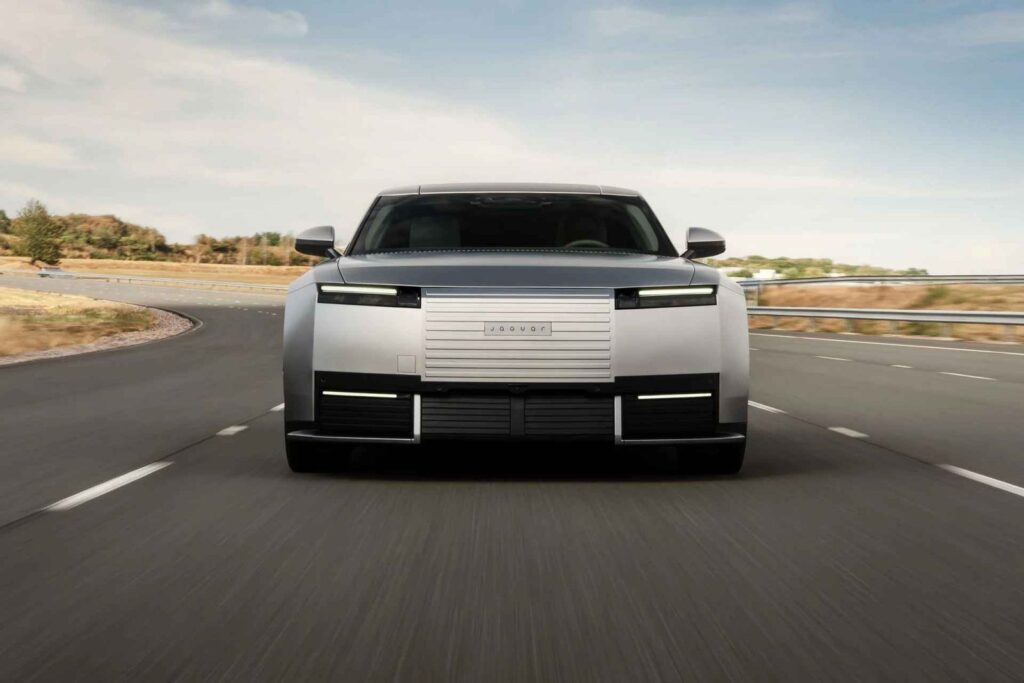
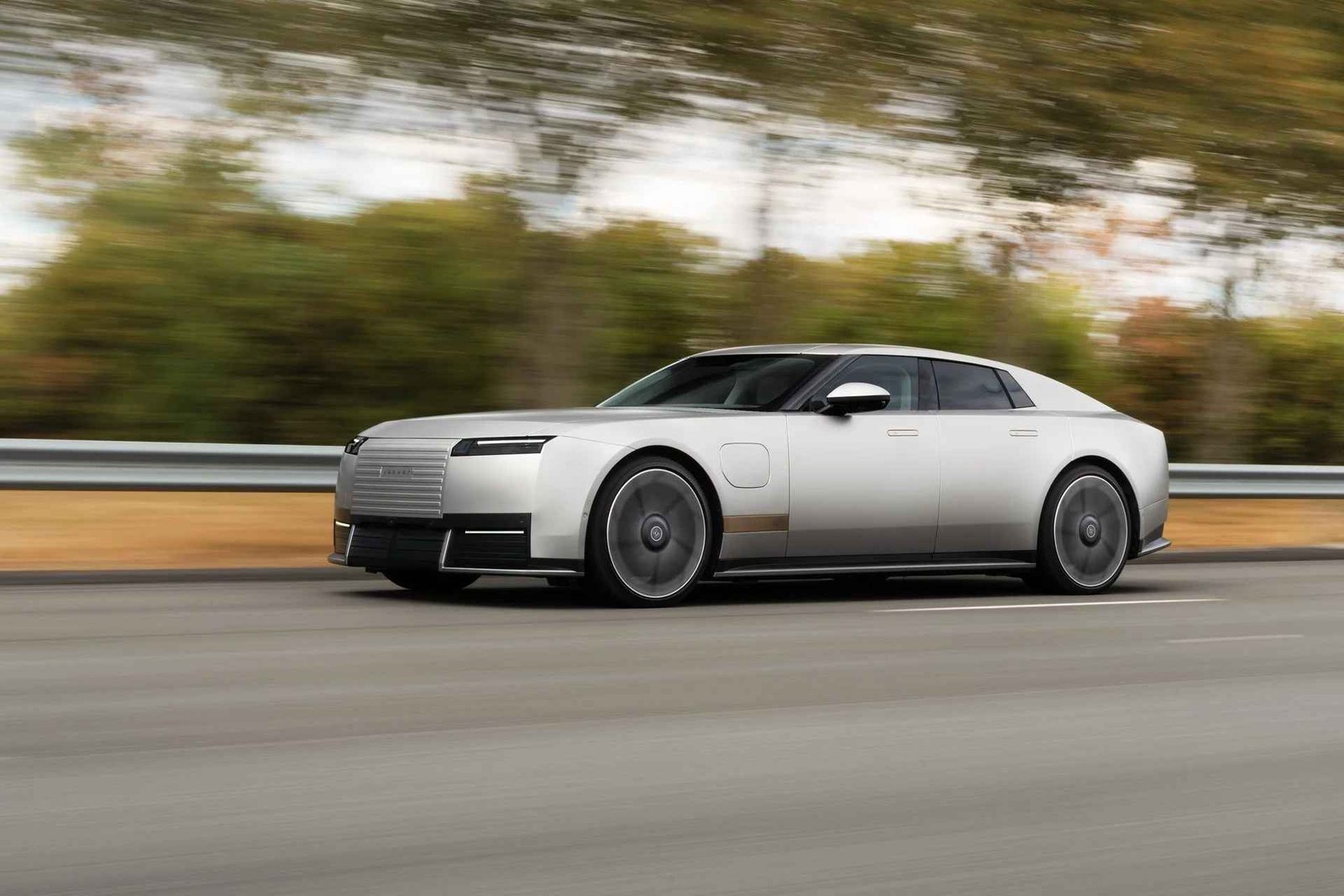
The Type 01 grand tourer is the first clear statement of a strategy built around fewer cars, higher prices and a sharper move into the electric luxury space.
For Jaguar, the argument is simple enough: carrying on as before was no longer a serious option.
At a glance
- Jaguar is repositioning itself around an all-electric, more upmarket future led by the Type 01 grand tourer.
- The brand has effectively moved away from its previous range in favour of lower volumes and considerably higher transaction prices.
- More than 50,000 people have reportedly registered interest in the Type 01, with Jaguar saying around 80 percent are new to the brand.
A reset forced by the old business model
Jaguar has spent years trying to hold ground against BMW, Mercedes-Benz and Audi, but incremental updates didn’t solve the bigger problem.
Managing director Rawdon Glover has been blunt about the thinking behind the shift, saying, “It wasn’t sustainable for us to continue as we were.”
That line matters because it frames the Type 01 as more than a design provocation.
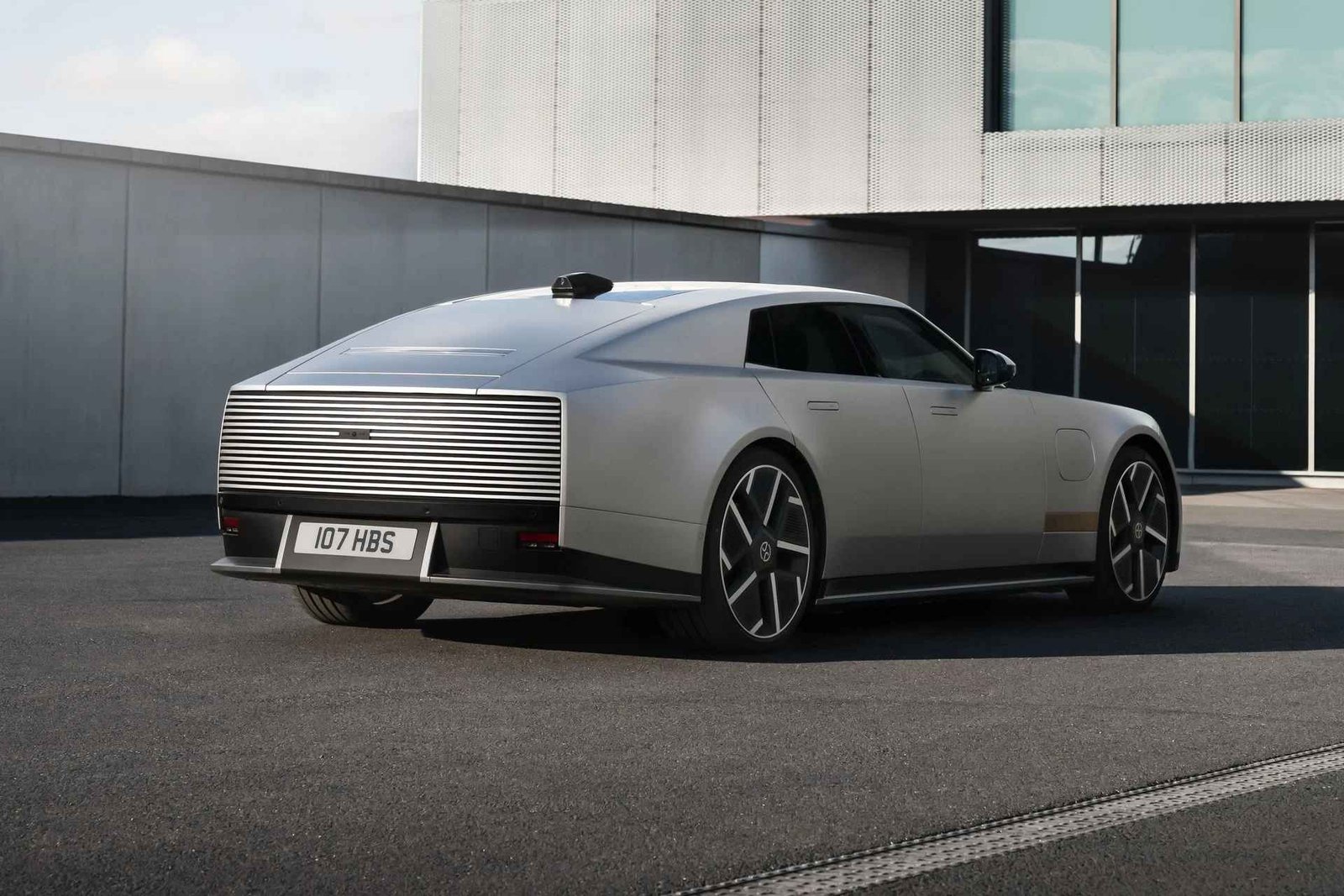
It’s Jaguar’s attempt to step away from a market position where it was competing against larger, better-established premium rivals without enough momentum of its own.
The Type 01 moves Jaguar upmarket
The Type 01 sits at the centre of Jaguar’s new direction as a striking all-electric grand tourer aimed at wealthier buyers.
Instead of chasing volume, Jaguar wants to sell fewer cars at significantly higher prices.
That’s a difficult shift for any established carmaker, especially one with decades of emotional weight behind its name.
For Jaguar, though, the move suggests a belief that the brand has more chance as a rarer, more expensive proposition than as another premium badge fighting for familiar territory.
Walking away from the familiar range
The most dramatic part of the strategy is not just what Jaguar is adding, but what it has chosen to leave behind.
The brand has effectively wiped out its previous range, a decision that removes continuity but also makes the reset impossible to miss.
It’s a risky way to rebuild trust with existing customers, particularly those attached to Jaguar’s traditional identity.
Yet another round of facelifts and mild repositioning would likely have left the company with the same unresolved question it had before: where does Jaguar truly belong now?
Early interest is promising, but not proof
There are signs the new approach has at least caught attention.
More than 50,000 people have reportedly registered interest in the Type 01, and Jaguar says around 80 percent of them are new to the brand.
That last detail may be the most important one.
If Jaguar is going to justify its move upmarket, it needs to reach buyers who weren’t already waiting for a new version of the old lineup.
Interest, of course, is easier to generate than commitment, especially when the product sits in a more expensive part of the market.
The real test will come when Jaguar has to turn curiosity around the Type 01 into signed orders from customers willing to accept a very different kind of Jaguar.