A private Ring Road tour of Iceland sounds neatly packaged until Iceland gets involved.
This nine-day journey for two California travellers was priced at 2,503,000 ISK, roughly $19,700, and built around a guided loop with hotels, wild landscapes and a few polished comforts along the way.
What made it interesting wasn’t only where the travellers went, but how quickly the trip had to bend around missed time, weather, closures and one very personal surprise in the north.
At a glance
- A private nine-day Iceland Ring Road itinerary for two travellers cost 2,503,000 ISK, roughly $19,700.
- The trip combined a dedicated guide, a Toyota Land Cruiser, major South Coast and northern landmarks, glacier lagoon boating and boutique-style rural stays.
- A delayed arrival, a closed bathing spot and shifting weather turned the journey into a useful case study in why guided travel can matter in Iceland.
A missed flight day changed the shape of the trip
The itinerary lost its soft landing before it properly began.
A flight booking problem put the travellers into Iceland a full day late, erasing the planned arrival day and cutting out the Golden Circle schedule, including Geysir, Gullfoss and a snowmobile outing on Langjökull.
That could have made the opening feel like a write-off, but June in Iceland gives you one useful advantage.
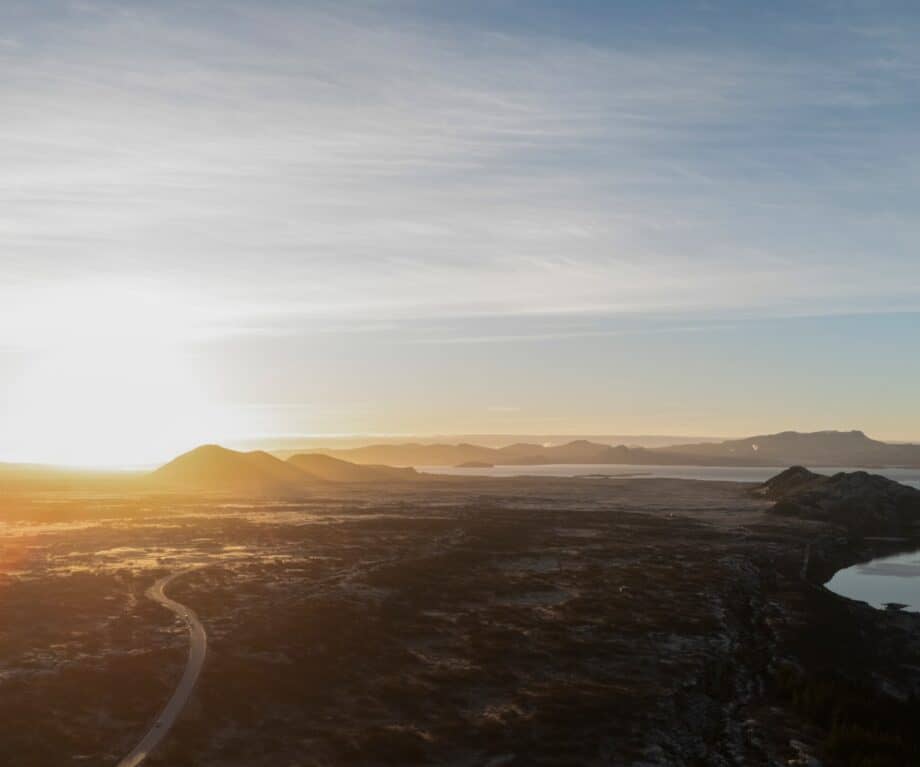
After check-in and dinner at the Ion Adventure Hotel, guide Philippe of Lilja Tours drove the couple to Þingvellir National Park late in the evening, when the crowds had thinned and the long northern light was still holding.
At around 10 pm, the rift valley was close to empty, with the North American and Eurasian tectonic plates pulling apart under a low golden sky.
It wasn’t the day that had been booked, but it was exactly the sort of recovery a private guide can make when the clock stops behaving.
The South Coast restored the rhythm
Once the trip found its pace, the South Coast did what it usually does best.
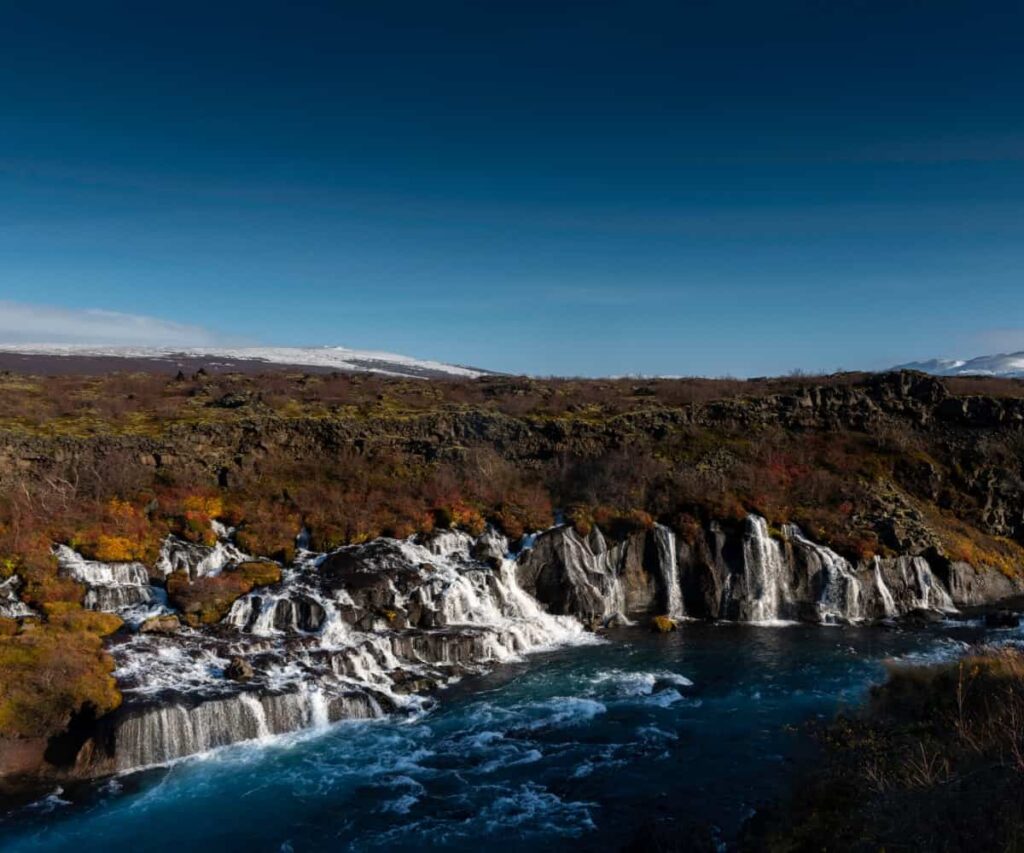
Seljalandsfoss delivered the classic walk behind the water, while Skógafoss supplied the kind of spray-soaked close encounter that makes waterproof outerwear feel less optional than advisory.
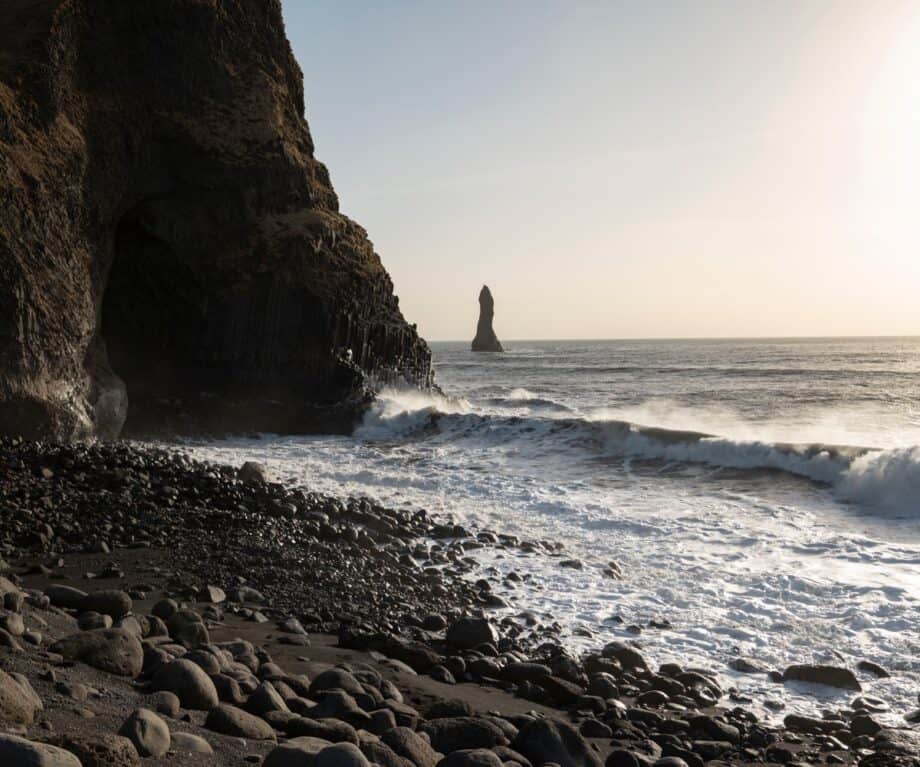
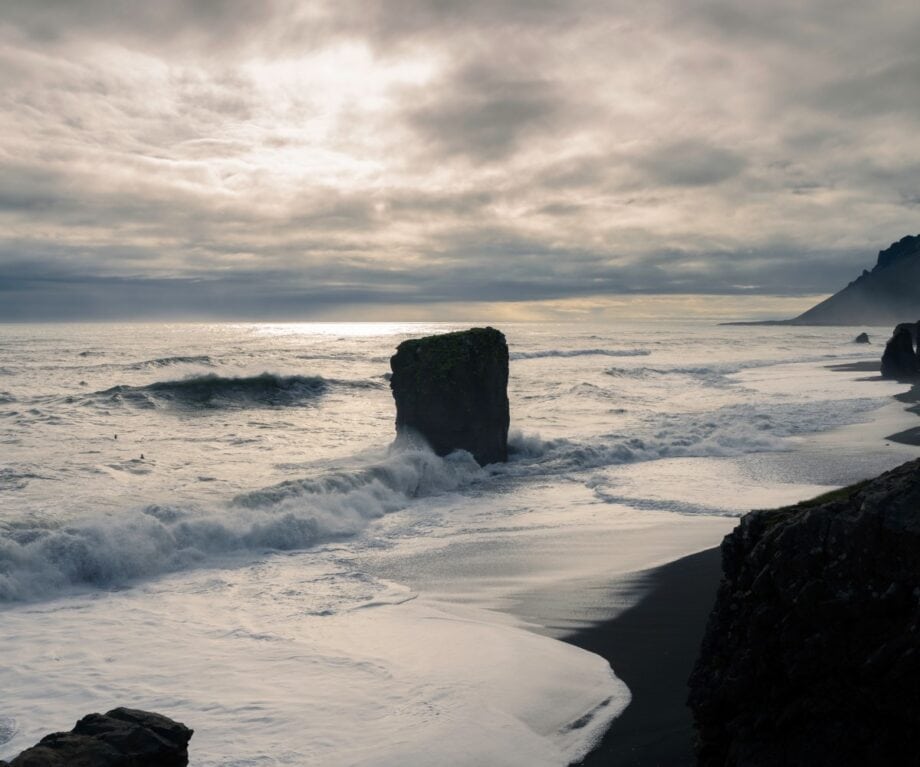
At Reynisfjara, the black sand beach near Vík, there was a quieter point of interest beyond the basalt and surf.
After a landslide earlier in the year, the ocean had been returning sand to the beach gradually, tide by tide, a reminder that Iceland’s landscapes are not static stage sets.
The route then moved through Fjaðrárgljúfur canyon and beneath the sheer wall of Lómagnúpur before the travellers settled in for two nights at Fosshotel Glacier Lagoon.
The following day stayed close to ice.
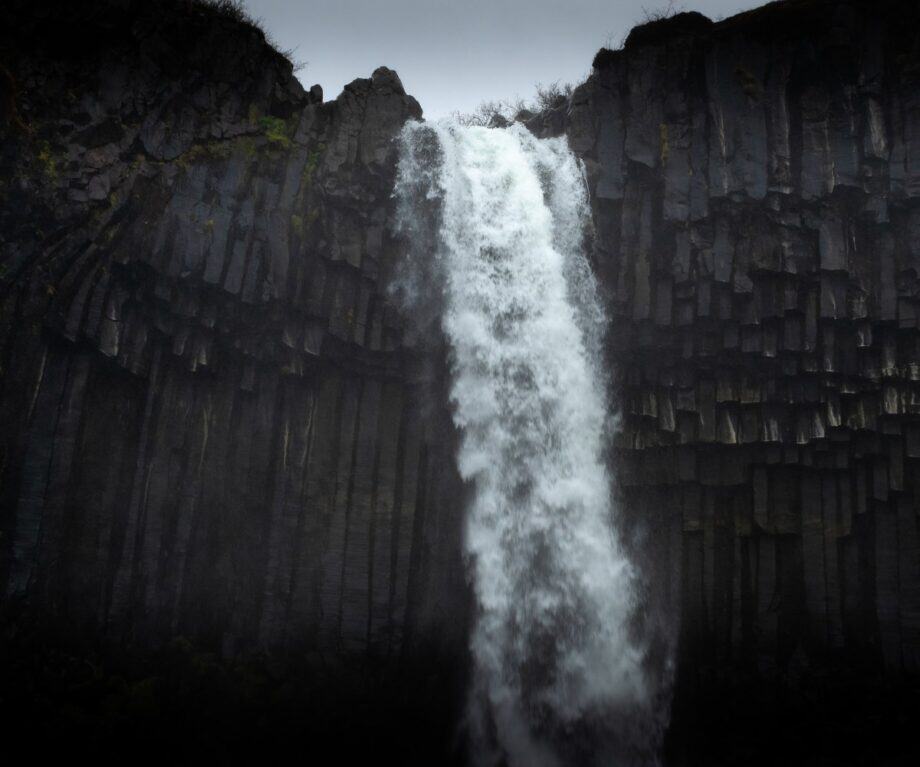
In Skaftafell, inside Vatnajökull National Park, they walked a few kilometres to Svartifoss, where dark basalt columns frame the fall with almost architectural precision.
Jökulsárlón brought the familiar spectacle of blue-white icebergs drifting through the lagoon, but the wildlife gave the scene its texture.
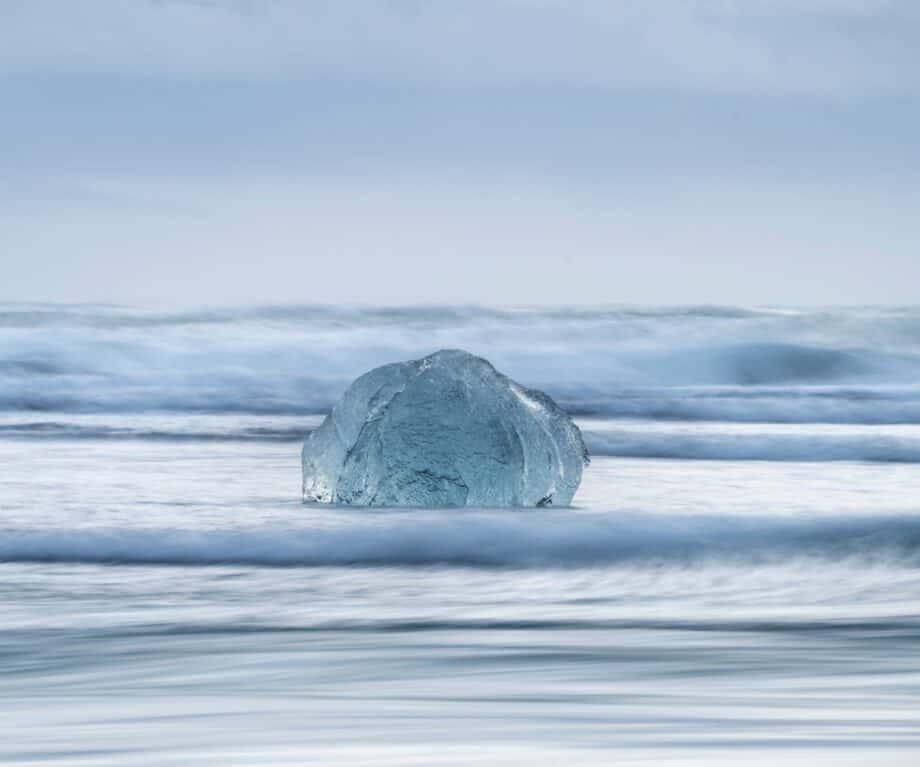
Seabirds worked the currents where small fish gathered, while seals appeared as the couple crossed toward Diamond Beach, where clear fragments of ice sit stranded on black volcanic sand.
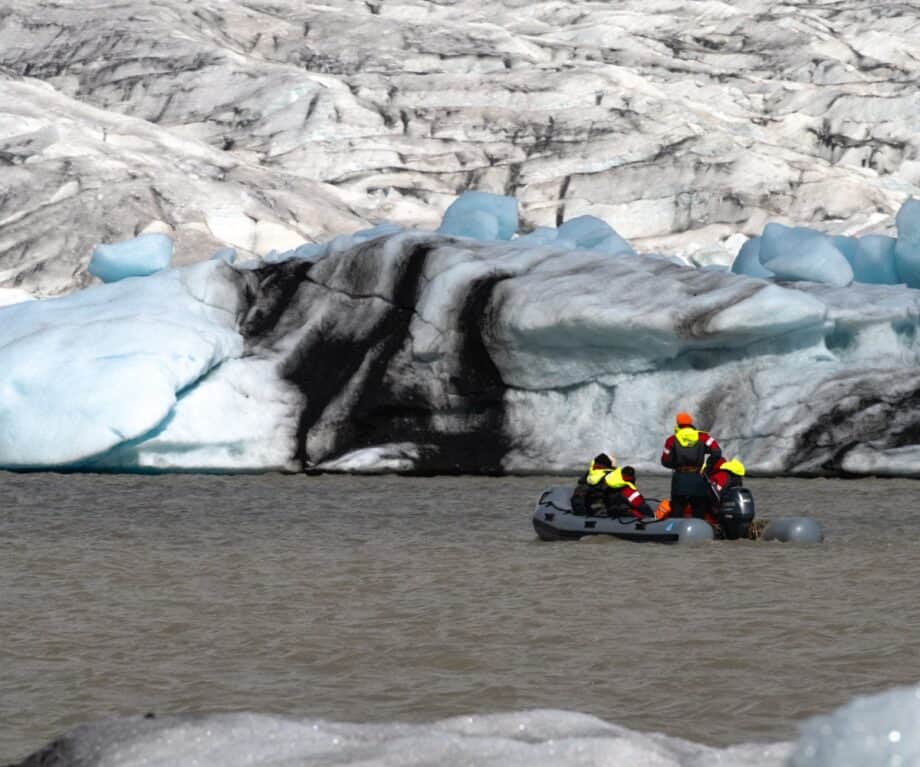
Later, a zodiac ride on Fjallsárlón took them close to the glacier tongue of Fjallsjökull, with the creak and shift of ice giving the landscape a sound as memorable as its view.
East Fjords weather suited the landscape
The East Fjords arrived with lower temperatures, rain and wind, which in Iceland is not always a downgrade.
In one of the country’s geologically older regions, the weather made the mountains feel sharper, with cloud snagging on rock summits and valleys turning intensely green under the rain.
The road delivered moments that would be hard to schedule too tightly.
Whooper swans gathered in large numbers on the lagoons, and reindeer appeared more than once along the route.
Lunch was fresh fish in Djúpivogur, a small fishing village that feels properly tied to the coast rather than arranged for passing traffic.
From there, the Toyota Land Cruiser became more than a comfortable touring vehicle.
The route climbed over Öxi pass, a gravel mountain shortcut where ground clearance and confidence count, before a final stop at Rjúkandafoss.
The night’s base was Fjalladýrð at Möðrudalur, the highest working farm in Iceland.
With turf-roofed buildings, animals grazing nearby and a restaurant serving produce tied to the surrounding land, it gave the trip one of its strongest contrasts with the more familiar hotel-and-waterfall rhythm.
Mývatn, Akureyri and a proposal in the botanical garden
The Mývatn region shifted the mood from coastal drama to volcanic strangeness.
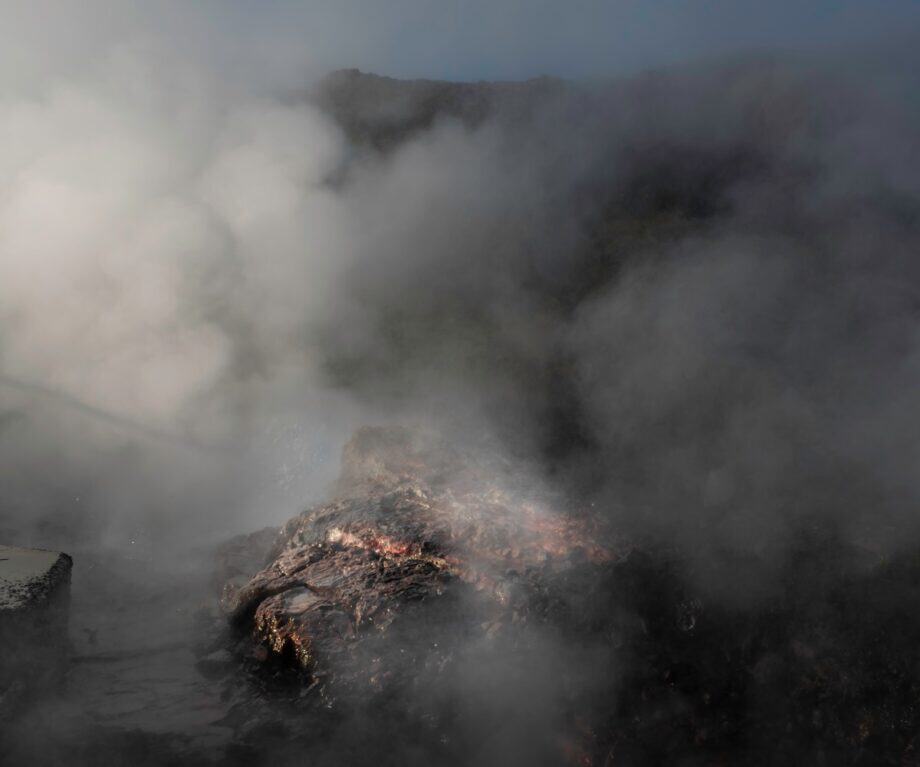
The couple walked around the Krafla geothermal area, watched the boiling mud at Hverir, looked into Grjótagjá hot spring cave and moved through the lava formations of Dimmuborgir.
On the way west, Goðafoss added one of the route’s deeper historical notes.
The waterfall is tied to the story of Iceland’s conversion to Christianity around the year 1000, when a chieftain is said to have thrown pagan idols into the water.
The plan had been to finish the day at Mývatn Nature Baths, but renovation work had run beyond schedule and the baths were not open in time.
The backup was the Forest Lagoon near Akureyri, a switch that kept the evening’s slow soak intact without making the day feel compromised.
Akureyri then added the trip’s most unexpected turn.
During a free evening walk through the town’s botanical garden, one of the greenest places in Iceland, the traveller proposed to his partner.
She said yes.
For all the planning behind a private itinerary, that moment belonged entirely to them and to the place.
The final leg toward Reykjavík came with improving weather, a detour to Kolugljúfur canyon, a stop at Glanni waterfall and time at Deildartunguhver, the European hot spring known for producing an immense volume of boiling water.
Reykholt added a literary and historical pause through the story of Snorri Sturluson, the medieval writer and chieftain whose work remains central to how Iceland’s old sagas and Norse mythology are understood.
For travellers weighing a semi-luxury private tour in Iceland, the lesson is less about perfection than flexibility.
The premium is not only in the hotels, the vehicle or the curated stops, but in having someone who can rescue a late arrival, reroute around a closure, read the weather and still leave room for the island to surprise you.