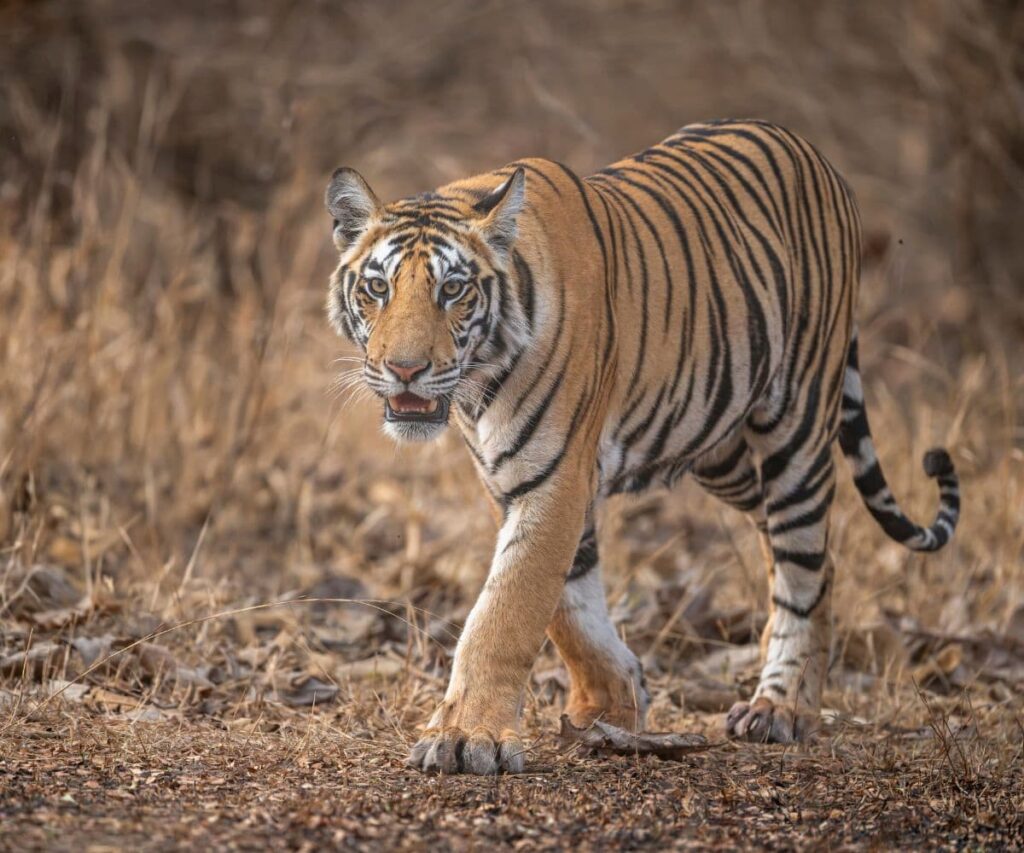
Ranthambore remains one of India’s most compelling tiger reserves, with its lakes, fort and long conservation history giving it a pull few parks can match.
Its fame is also the reason many travellers should look wider, especially if the aim is a more varied, less crowded wildlife journey.
Across India, quieter reserves and landscapes offer walking safaris, leopard tracking, river safaris, dramatic gorges and rich birdlife, often with a stronger sense of being absorbed into the place rather than simply passing through it.
At a glance
- India has quieter wildlife alternatives to Ranthambore, from Satpura’s walking safaris to Jawai’s leopard country and Chambal’s river safaris.
- Standout experiences include forest walks with a guard and naturalist, boat trips for gharials and birdlife, and safaris through Rajasthan’s granite hills.
- Most core tiger reserve zones close for the monsoon and reopen around October, while drier months later in the season are generally better for tiger sightings.
The season shapes the safari
India’s tiger reserves usually close their core zones during the monsoon, with many reopening at the start of October.
Ranthambore’s Zones 1 to 5, Sariska and Tadoba are among the areas listed for 1 October reopenings, while dates in Madhya Pradesh can vary by park and year.
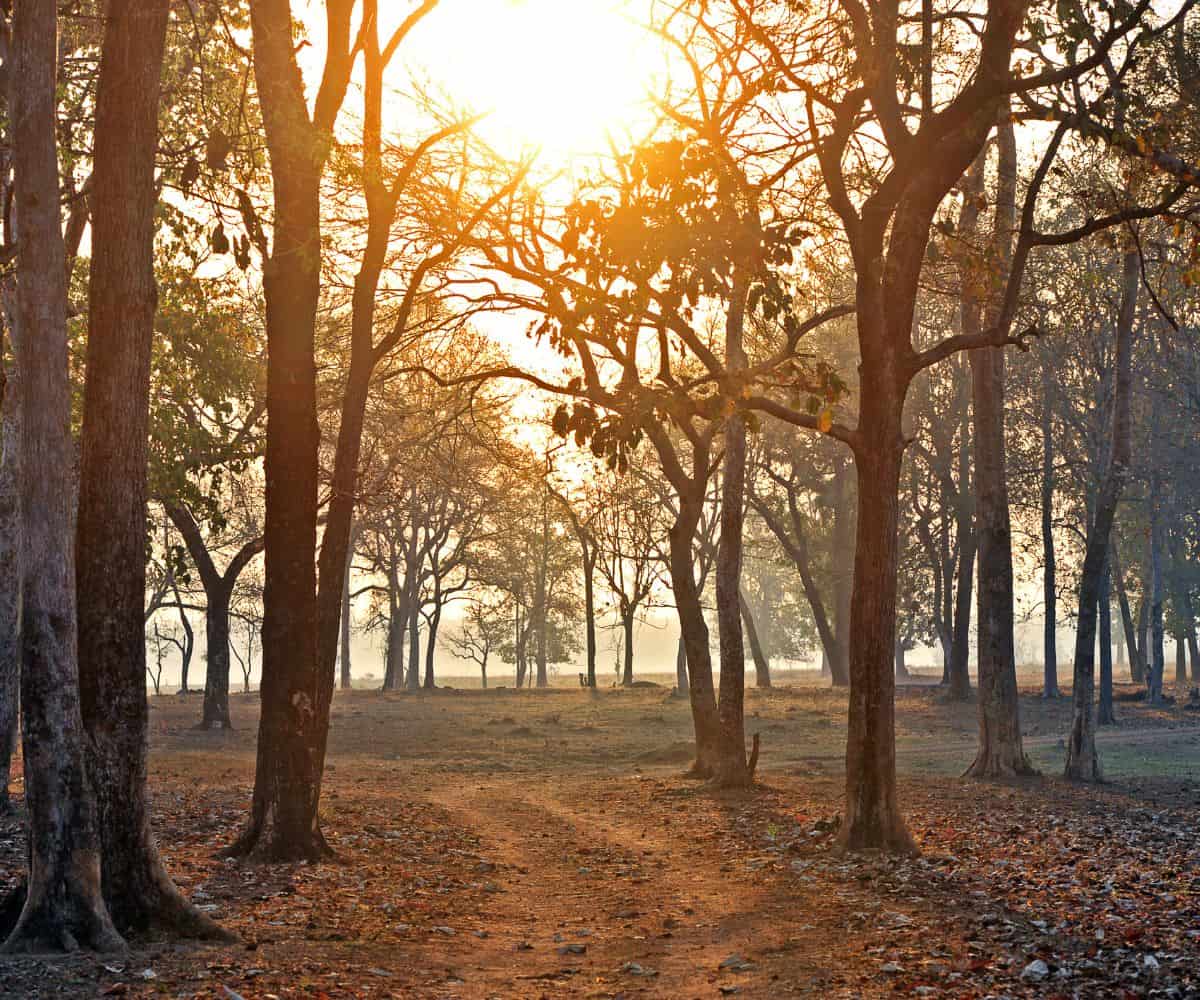
October and November can be beautiful in the forest, with green landscapes, water in the system and strong birdlife.
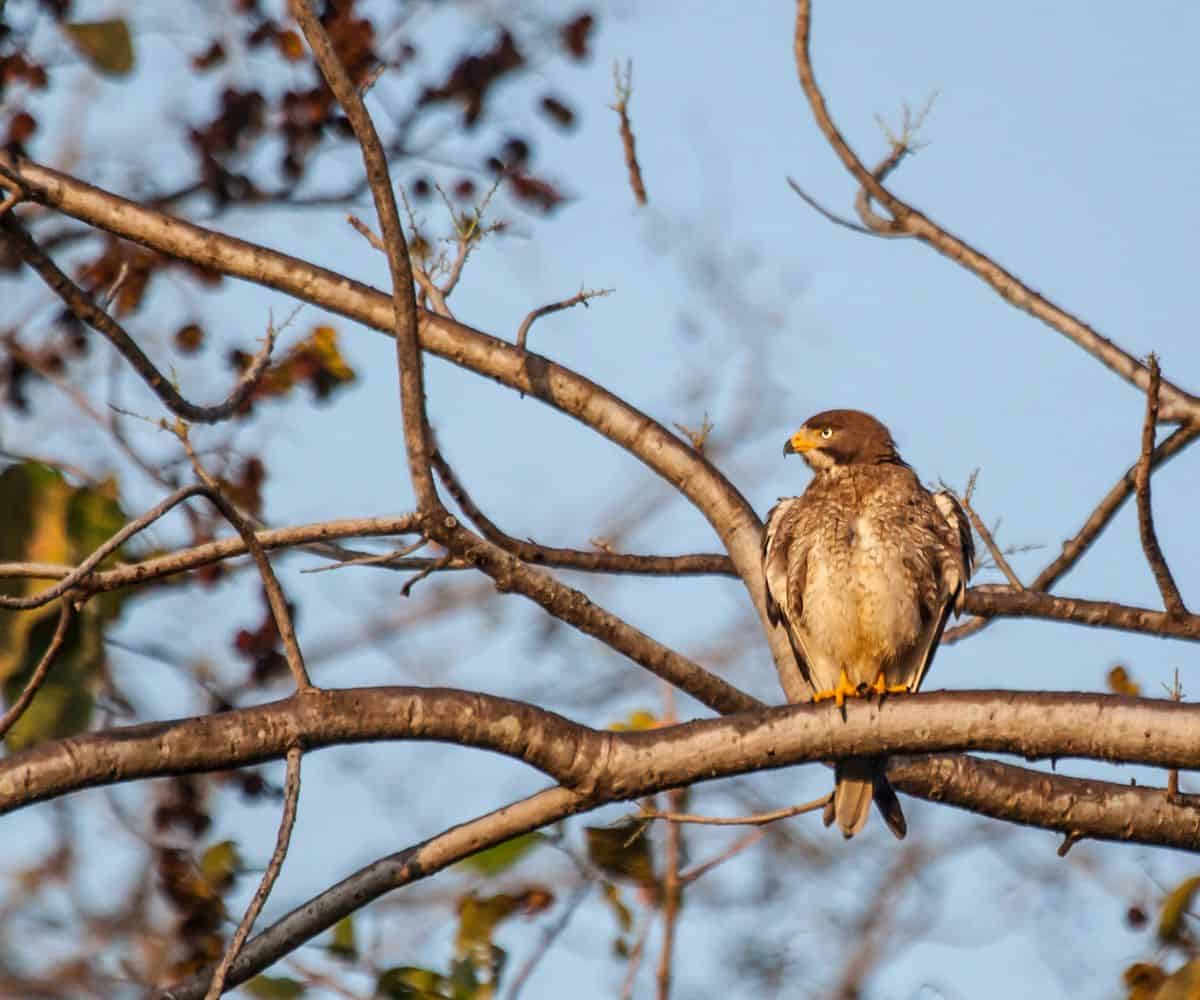
The trade-off is visibility, as post-monsoon vegetation is thick and animals are spread more widely through the forest.
For travellers prioritising tigers, the dry months from around March to June are usually stronger for sightings, though temperatures are much higher.
For travellers drawn to landscape, birds and atmosphere, the early season can be deeply rewarding.
| Destination | Main experience | Useful context |
|---|---|---|
| Satpura | Walking in the buffer zone with a forest guard and naturalist | Better for immersive forest time than guaranteed tiger sightings |
| Pench | Quieter safari access from the northern Jamtara gate | Jamtara Wilderness Camp can arrange nights on raised machaan platforms on nearby farms |
| Panna | Rocky gorges, the Ken river and a tiger reintroduction success story | The Madla gate is about half an hour from Khajuraho |
| Sariska | Aravalli hills, temples, fort ruins and a Rajasthan tiger landscape | Roughly 110km from Jaipur by road |
| Chambal | Boat safaris for gharials, mugger crocodiles, turtles, dolphins and birds | River safaris usually run from around October to April |
| Jawai | Leopard tracking among granite hills and boulders | Roughly 2.5 to 3 hours from Jodhpur or Udaipur |
| Dudhwa | Tigers, rhinos, swamp deer, gharials and more than 400 bird species | Usually opens in November, with sightings generally best from December to April |
Satpura, Pench and Panna offer a different forest rhythm
Satpura is one of the most distinctive alternatives because visitors can walk through the buffer zone of the national park with a forest guard and a naturalist.
The experience is less about ticking off a tiger and more about learning how the forest works, from pugmarks and scat to the texture of sal, teak and bamboo country.
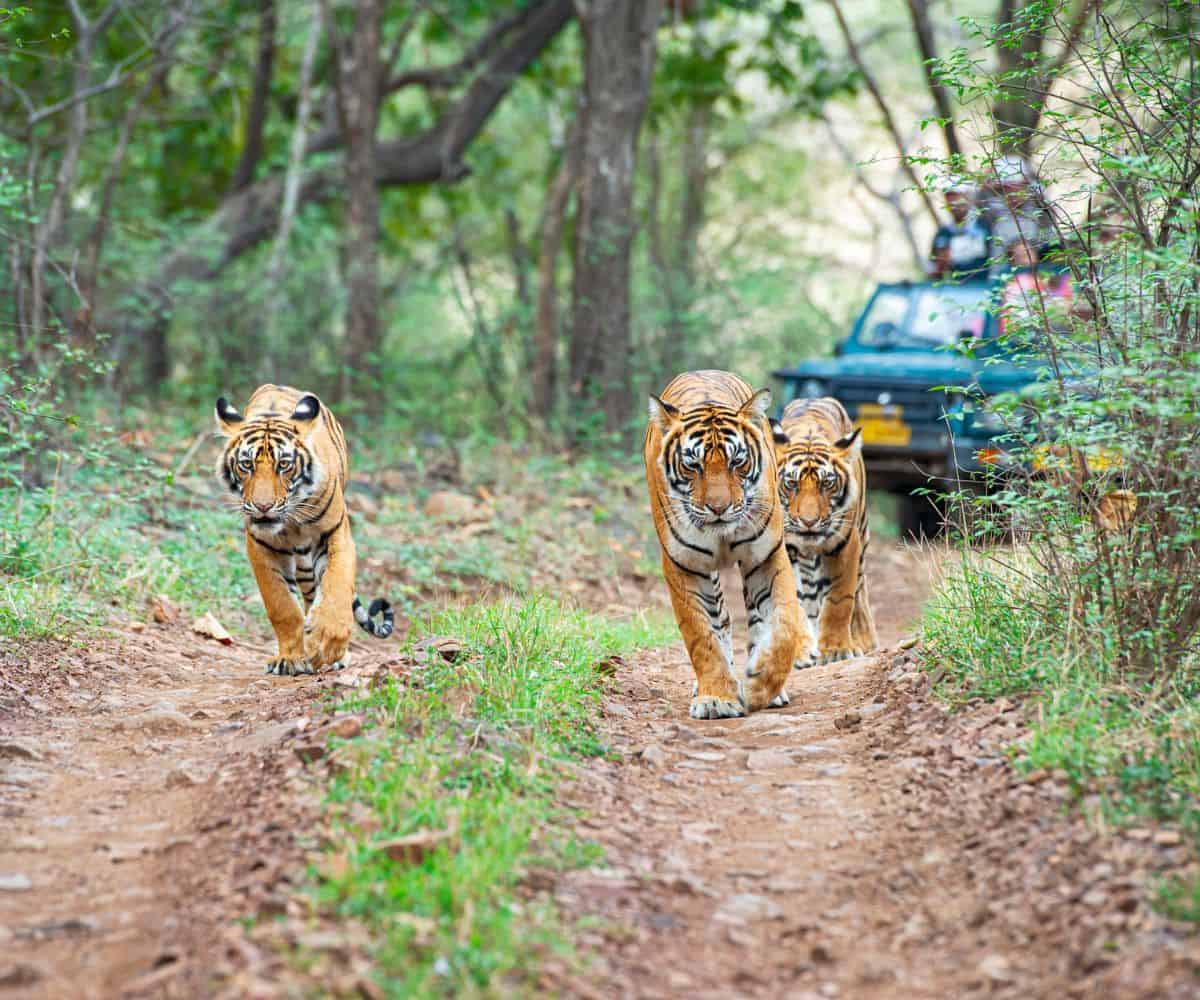
Tigers, leopards and sloth bears are among the species associated with the area, though tiger sightings are rarer than in Bandhavgarh or Kanha, and seeing one on foot should be treated as a bonus rather than an expectation.
Its folded hills give Satpura a rugged character that feels quite different from the flatter teak landscapes many travellers imagine when planning a Central India safari.
Pench, spread across the Madhya Pradesh and Maharashtra border, is smaller and more intimate than some of its famous neighbours.
It’s often linked with the setting of Kipling’s The Jungle Book, but the choice of gate has a major effect on the experience.
The northern Jamtara gate is a quieter way in, away from the heavier lodge clusters found around busier entrances.
Jamtara Wilderness Camp looks over the forest and can arrange nights sleeping out on raised machaan platforms on nearby farms, with most of the income from those stays going to the farmers.
Panna brings a more dramatic topography to the safari circuit, with the Ken river cutting through rocky gorges and waterfalls including Pandav and Raneh within the wider reserve landscape.
The park also carries one of India’s more hopeful conservation stories, having lost its tigers to poaching by 2009 before a carefully monitored reintroduction programme rebuilt a breeding population.
Its access is comparatively straightforward, with the Madla gate about half an hour from Khajuraho, making it a natural pairing with the city’s temples and flights from Delhi.
Rajasthan without the Ranthambore crowds
Sariska is the easiest of these parks to fold into a Rajasthan itinerary without making the safari the entire journey.
It sits around 110km from Jaipur, roughly two and a half hours by road, so it can work as a short stop en route to or from Delhi.
The landscape is dry, rocky and set within the folds of the Aravalli hills, with scrubby forest, the hilltop ruins of Kankwadi fort and 9th and 10th century temples within the reserve.
Sariska had lost its tigers to poaching by 2004, and two tigers were brought from Ranthambore in 2008 in what has been widely described as the first scientific tiger reintroduction of its kind anywhere in the world.
The first cubs were born in 2012, giving the park a conservation narrative that sits alongside its appeal as a quieter alternative to Ranthambore.
Utsav Camp, around 7km from one of the park gates, is set among boulders and forest and offers villas, bungalows and stone cabins.
The camp organises walks and drives in the surrounding hills, and much of its team comes from nearby villages.
Jawai offers another Rajasthan angle entirely, with leopards living among bare granite hills and huge boulders in Pali district, roughly midway between Udaipur and Jodhpur.
The Rabari, semi-nomadic herders who have grazed these hills for generations, are part of the cultural landscape here, moving through a place where people and leopards exist in close proximity.
Safaris run in the early morning and late afternoon, and while sightings can’t be guaranteed, the open terrain makes leopard watching more practical than it would be in dense forest.
There’s more to Jawai than big cats, with crocodiles on the banks of Jawai Dam, wetland birds at dawn and the steep climb up Kala Pahad, a granite outcrop with wide views over the landscape.
Suján Jawai has just ten tents among the granite hills and is run by the same family as Sher Bagh at Ranthambore.
Rivers, grasslands and the appeal of looking beyond tigers
Chambal is a reminder that Indian wildlife travel doesn’t have to revolve around tigers.
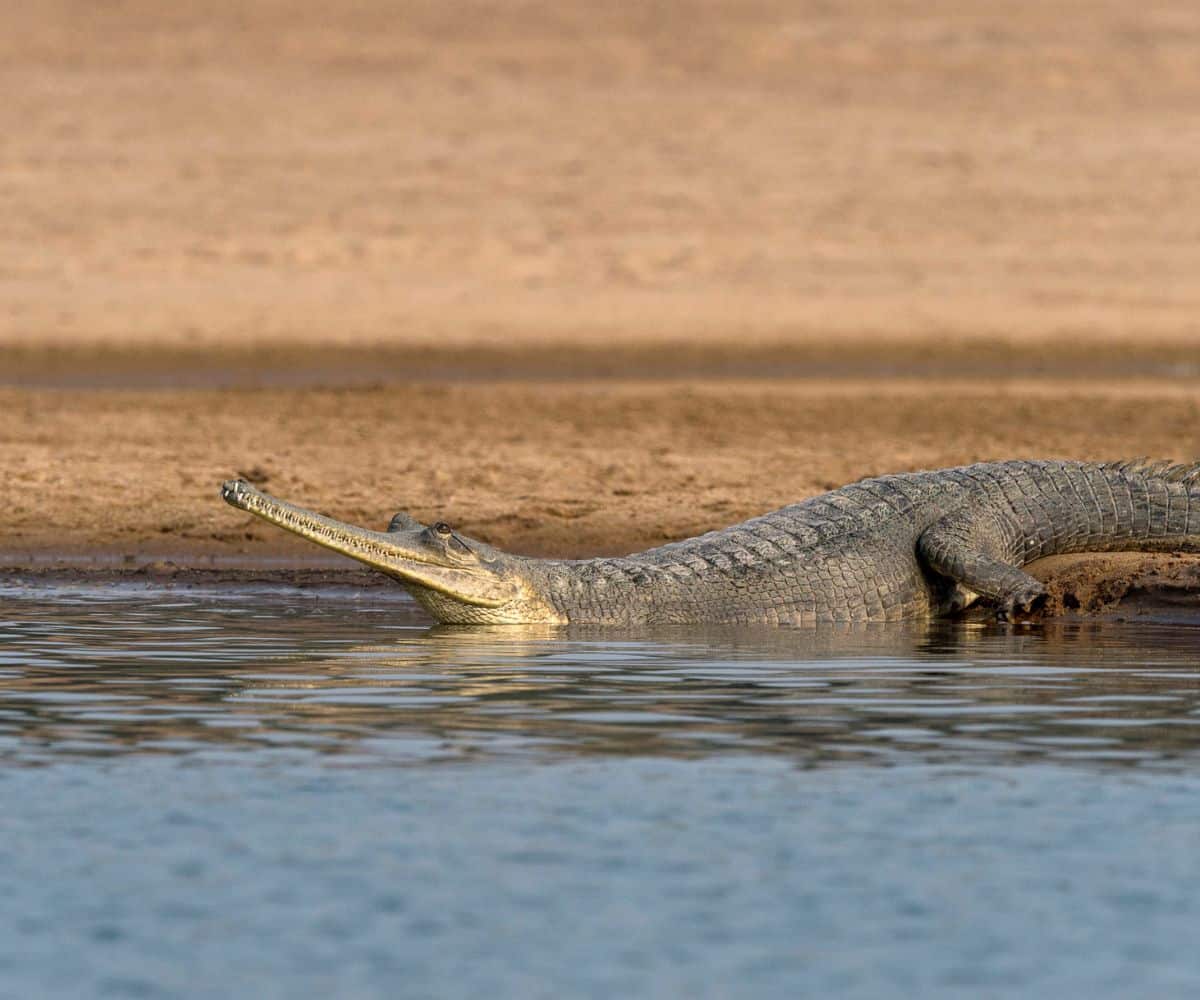
The National Chambal Sanctuary protects roughly 400km of river flowing through Uttar Pradesh, Madhya Pradesh and Rajasthan, and was created largely to protect the gharial.
This critically endangered crocodile, recognisable by its long, slender snout, is found only on the subcontinent.
After poaching and fishing nearly wiped gharials out in the 1970s, the Chambal became one of the places chosen for their recovery.
Boat safaris usually take place in the early morning or late afternoon, drifting past sandbars, ravines and riverbanks where gharials and mugger crocodiles bask.
The river also shelters Ganges river dolphins, several species of turtle and notable birdlife including Indian skimmers, with the cooler months especially rewarding for birders.
At roughly 70 to 85km from Agra, Chambal can be visited as a day trip, though it also works well as a quieter countryside base after seeing the Taj Mahal.
Dudhwa, close to the Nepal border in Uttar Pradesh, shows yet another side of India, where sal forest meets tall grassland and wetland.
Alongside tigers and leopards, the reserve is associated with swamp deer, reintroduced one-horned rhinos, gharials and more than 400 species of birds, including the rare Bengal florican.
Its season usually begins in November, and sightings are generally best from December to April when the grass is lower.
The roughly 240km road journey from Lucknow helps keep visitor numbers low, which is part of Dudhwa’s appeal for travellers who value space as much as sightings.
Gate choice can make or break the experience
Choosing the right park is only half the work, because the entrance gate or zone can define the entire safari.
In Kanha, the Kisli and Mukki zones have the strongest reputation for tigers, while in Bandhavgarh the Tala zone is the best known and its permits tend to go first.
In Pench, the Jamtara gate offers a different mood from the busier entrances, and in Ranthambore, Zones 1 to 5 around the lakes and fort are the most popular while Zones 6 to 10 are less visited.
Ranthambore and Madhya Pradesh release safari permits 120 days ahead, and the most sought-after zones on desirable dates can sell out quickly.
The smartest wildlife trips in India aren’t necessarily the ones with the most famous park name attached.
For travellers willing to look beyond Ranthambore, the reward can be a quieter vehicle, a broader wildlife list and a deeper connection to India’s landscapes.