Indian watchmaking didn’t begin with centuries-old ateliers or mountain villages built around horology.
Its story is more unusual, moving from imported Swiss watches for princes and colonial elites to a state-backed industrial project, then into mass-market quartz, fashion retail and, more recently, ambitious mechanical watchmaking.
That arc makes India one of the more fascinating watch markets in the world, because timekeeping here has always been tied to identity as much as utility.
At a glance
- India’s modern watchmaking story began in earnest with HMT’s Bengaluru factory in 1961.
- HMT became a national icon before Titan reshaped the market with affordable quartz watches and modern retail.
- Titan now sits among the world’s largest watchmakers and has recently moved into limited high-end mechanical pieces.
Swiss watches before Indian watch factories
Long before India had a domestic watch industry, fine timepieces arrived as imported objects of status.
In the 19th century, Swiss watches found buyers among wealthy Indian families, royal households and the colonial elite, helped by a social climate in which European luxury goods carried considerable prestige.
Brands also learned to speak to local taste.

Hindu symbols, regional motifs and miniature artistic details appeared on watches made for the Indian market, turning imported pieces into objects with a more specific cultural language.
One of the best-known examples is a Jaeger-LeCoultre Reverso decorated with a miniature enamel portrait often referred to as the Indian Beauty.
The Reverso itself has a meaningful Indian connection, since the model’s swivelling case was born from the needs of polo players, a sport whose Indian popularity among British officers helped shape one of the great Art Deco watch designs.
That early period matters because it shows India was never simply a passive market for watches.
Even before local manufacturing arrived, the country influenced design, collecting habits and the way Swiss houses thought about regional clientele.
HMT and the idea of a national timekeeper
After independence in 1947, India placed heavy emphasis on building domestic industries, and watchmaking eventually became part of that larger ambition.
Hindustan Machine Tools, better known as HMT, was established in 1953 for heavy machinery and industrial equipment before becoming the name most closely associated with Indian wristwatches.
The push into watchmaking came under Prime Minister Jawaharlal Nehru, with HMT working in collaboration with Japan’s Citizen Watch Company.
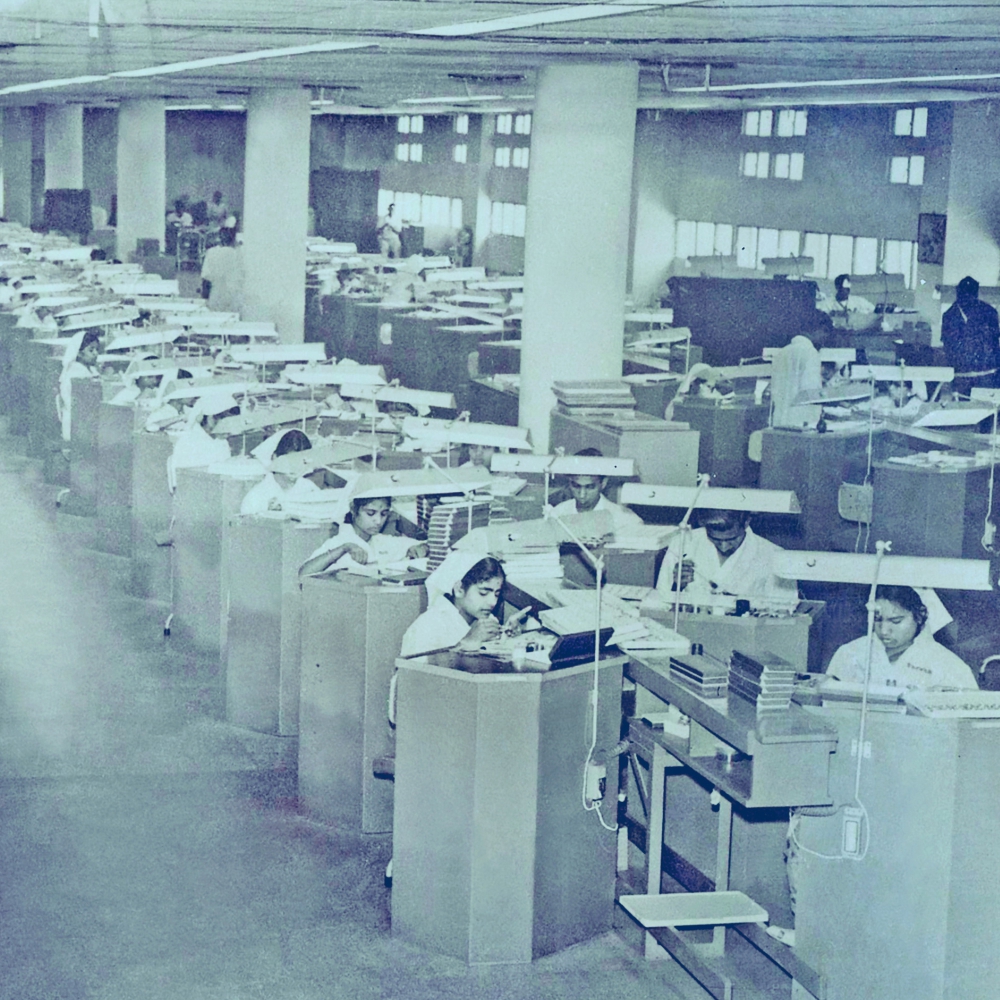
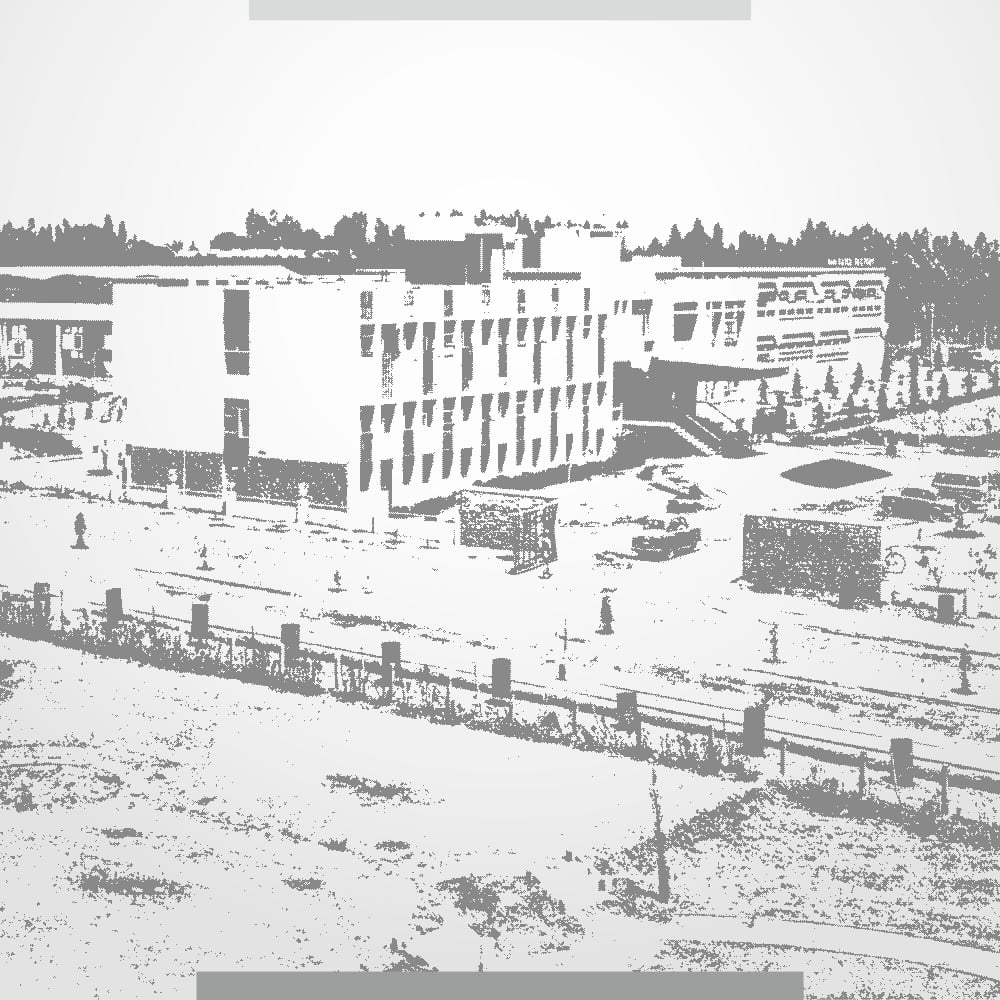
A dedicated watch factory opened in Bengaluru in 1961, giving India a serious platform for locally made timepieces.
HMT’s early appeal was straightforward but powerful.
Its watches were affordable, robust and recognisably domestic at a time when high import duties kept many foreign brands out of reach.
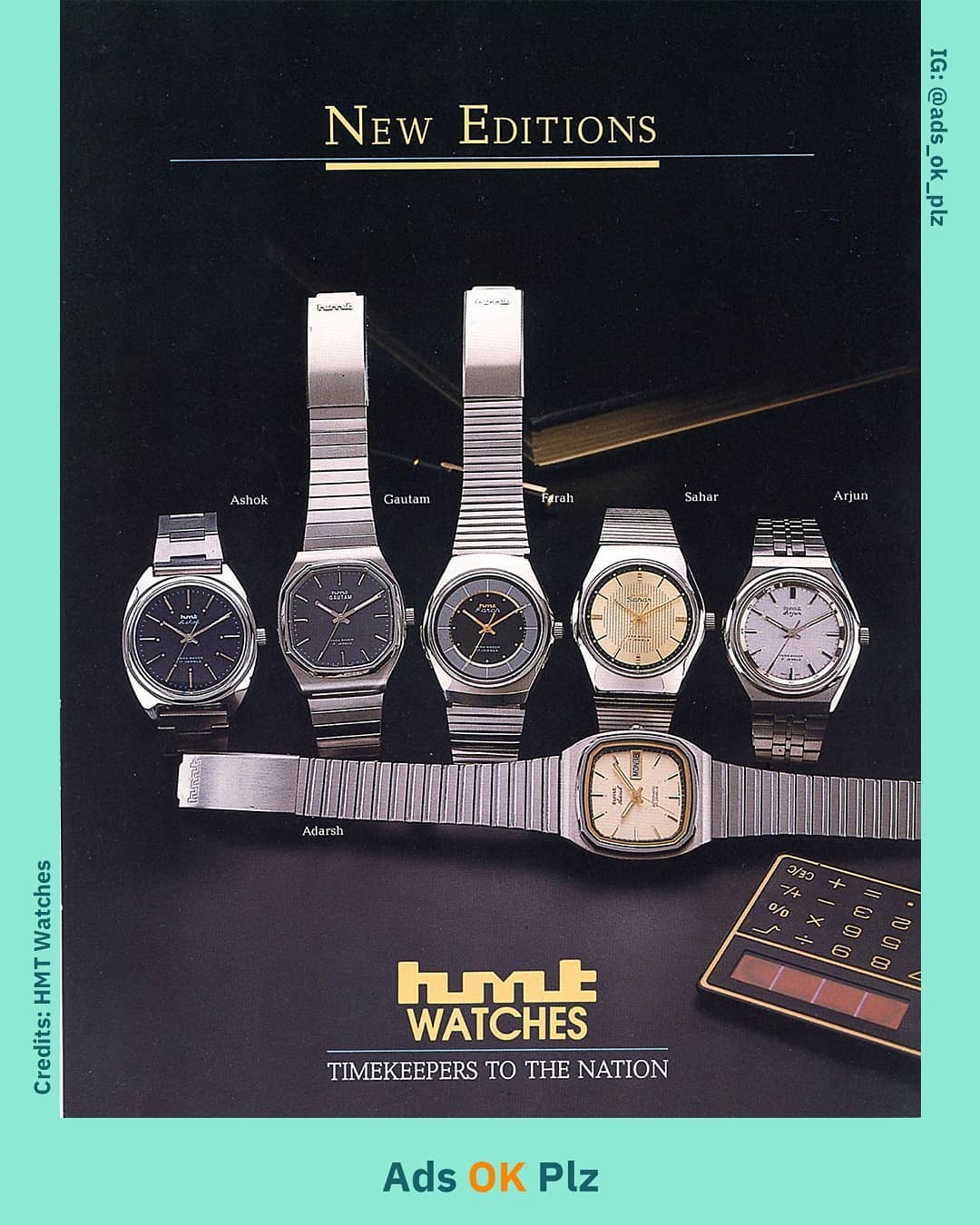
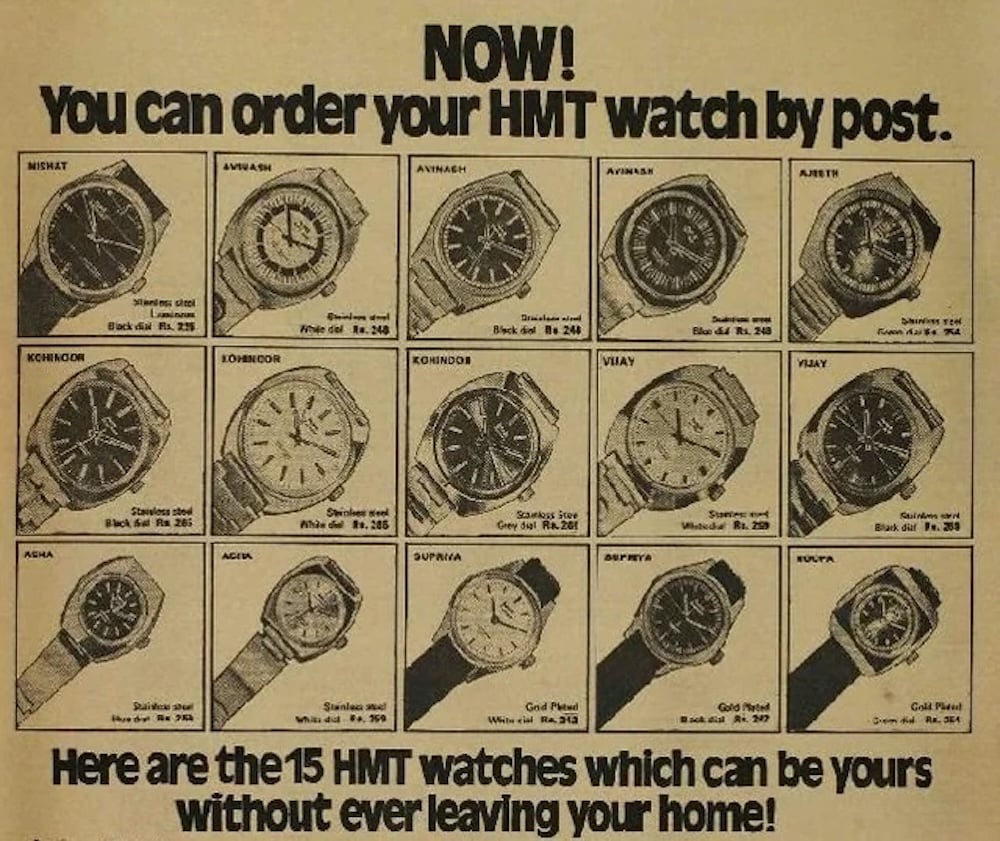
Models such as the Janata, Pilot, Kohinoor and Rajat became everyday companions for office workers, military personnel, professionals and families buying a watch to mark an important life moment.
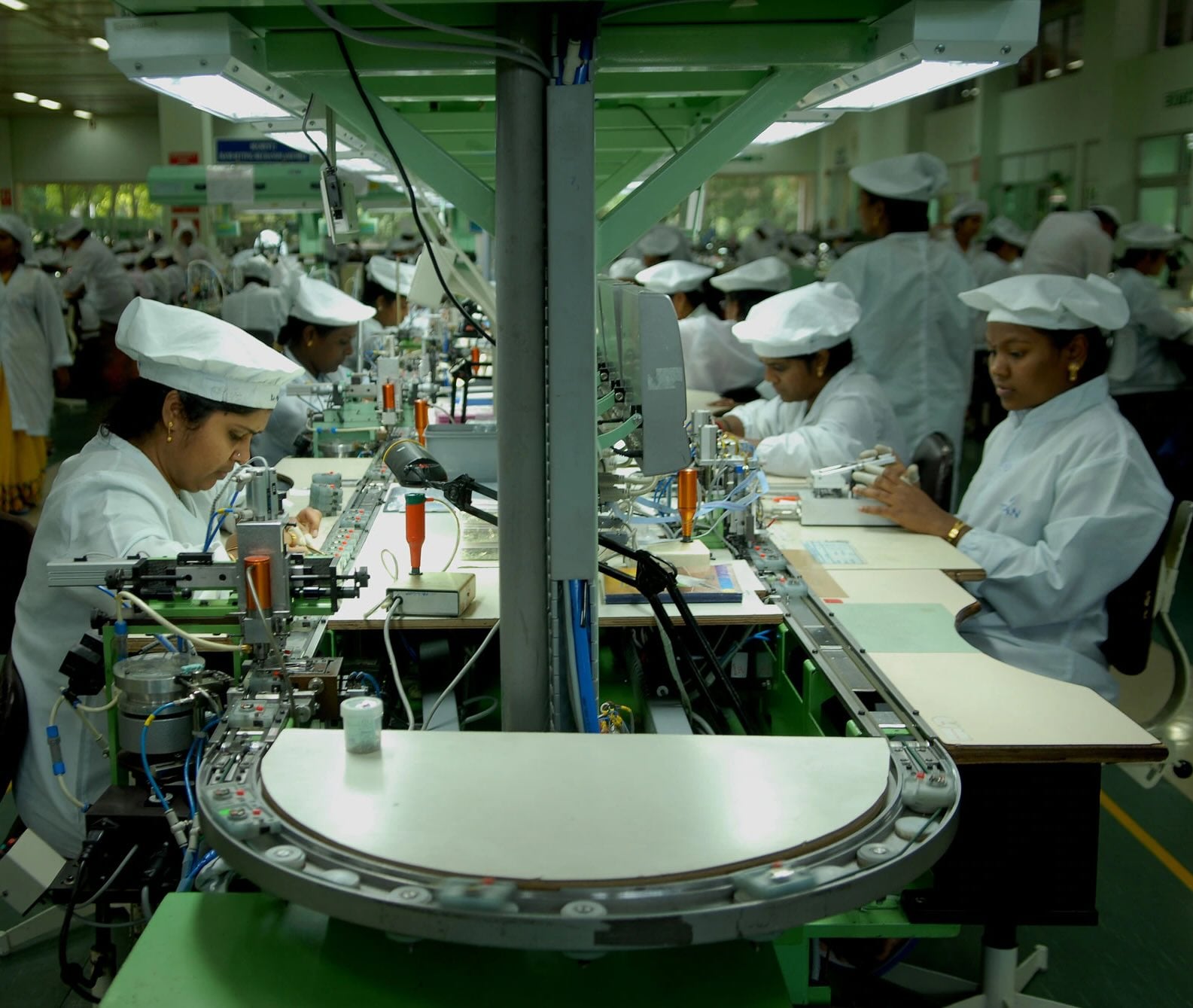
By 1975, HMT’s watchmaking operations had become fully in-house, extending even to components such as hairsprings and mainsprings.
More factories followed in locations including Ranibagh, Srinagar and Tumakuru, eventually bringing the company to five watch factories across the country.
The scale was remarkable.
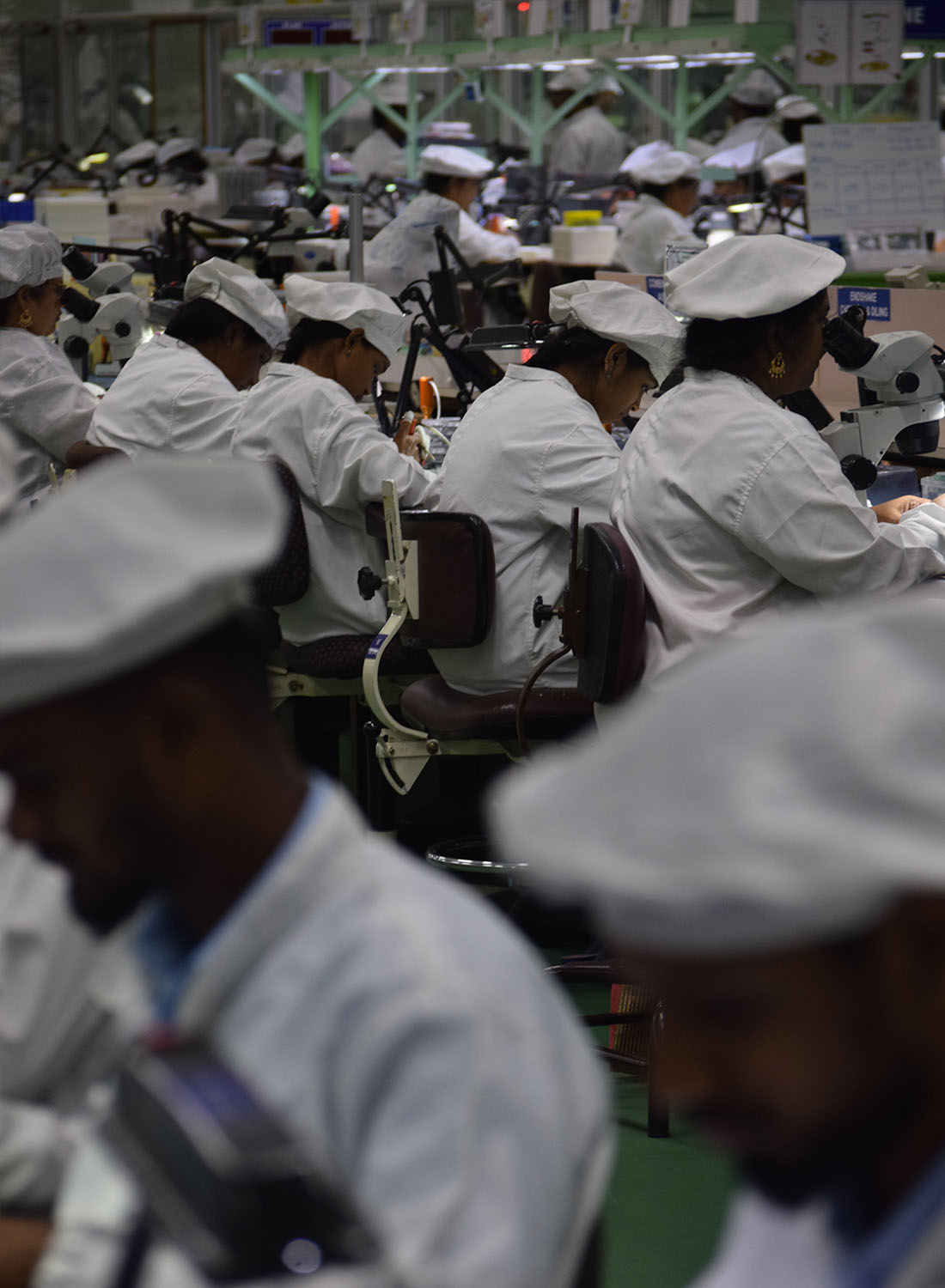
HMT produced more than 115 million watches for civilian and military use, earning its famous identity as “Timekeepers to the Nation”.
For decades, demand was strong enough that waiting lists were common, a detail that says as much about emotional value as market dominance.
An HMT was not merely a cheap mechanical watch.
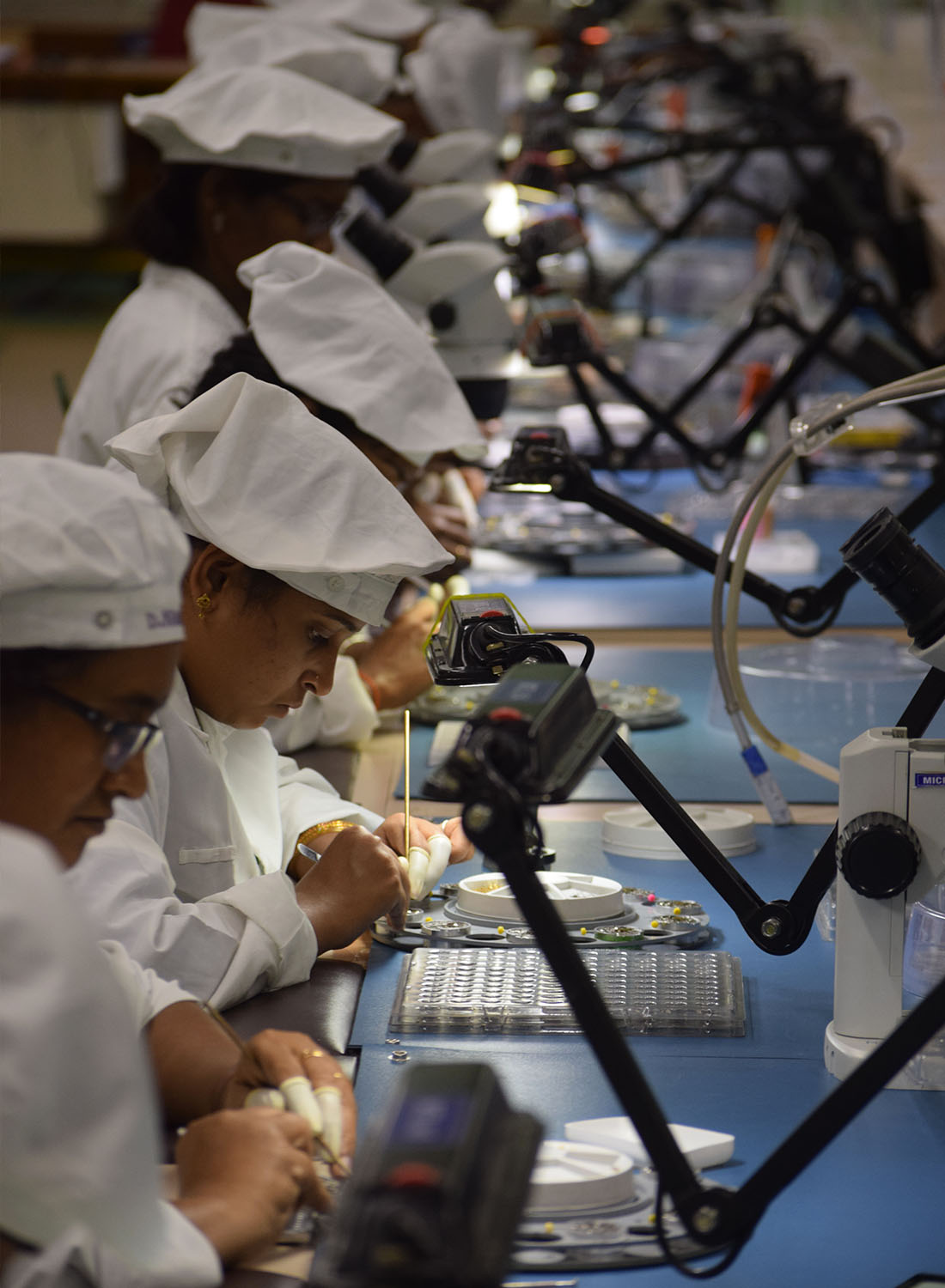
It was a symbol of Indian industrial self-confidence, made during a period when self-reliance was a national project and a wristwatch was still a meaningful purchase.
Titan changes the rhythm of the market
The great shift came in the 1980s, when the Tata Group entered watchmaking with Titan.
Founded in 1984, Titan arrived with a sharper sense of where consumer taste was moving, particularly toward quartz watches that were stylish, accurate and affordable.
HMT did produce quartz models, but its identity remained tied to mechanical watches and utilitarian design.
Titan, by contrast, built a business around contemporary styling, efficient production and a retail experience that felt new in India.
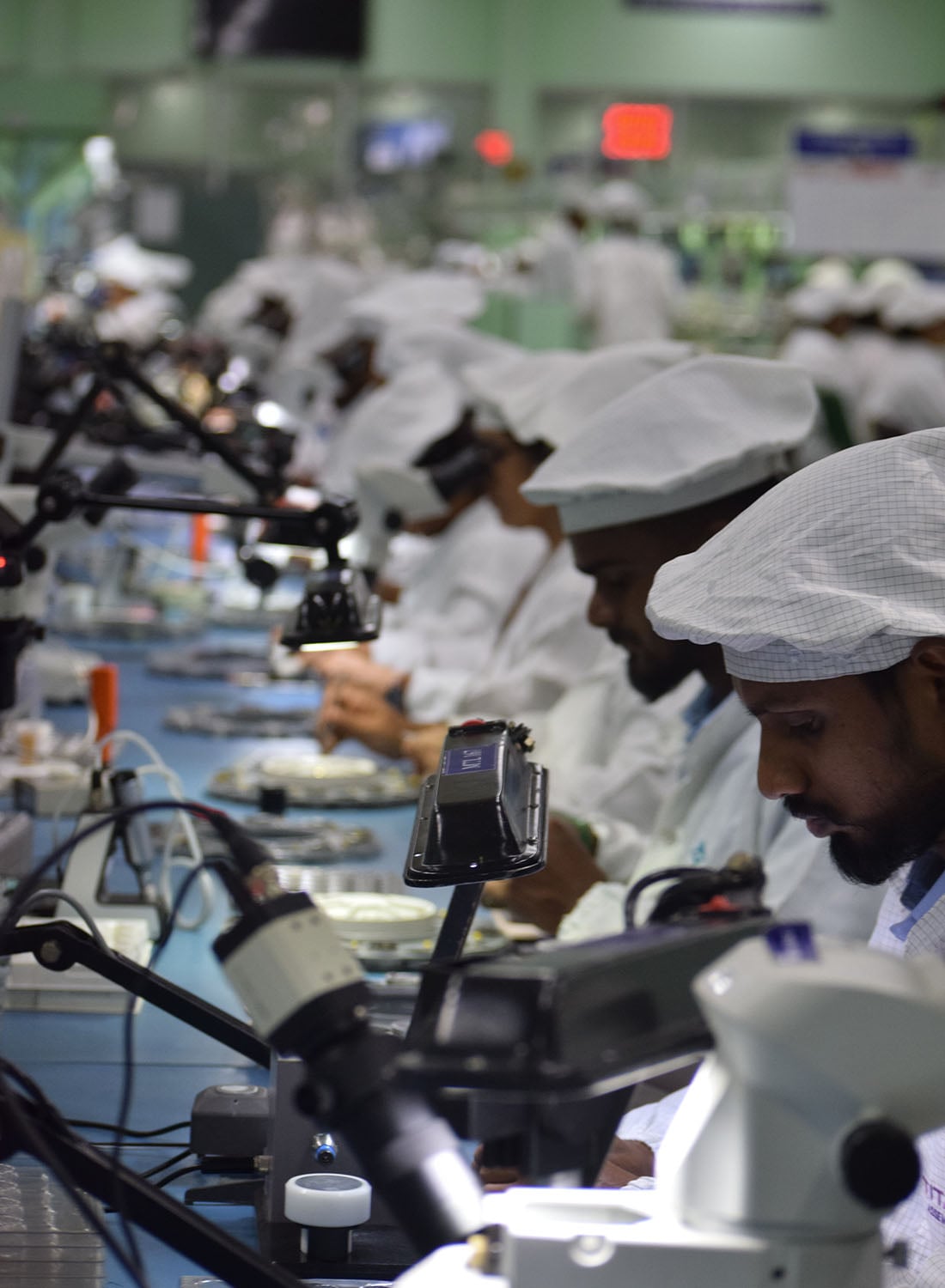
Its factory in Hosur, Tamil Nadu, inaugurated in 1988, brought automation and scale to the company’s manufacturing ambitions.
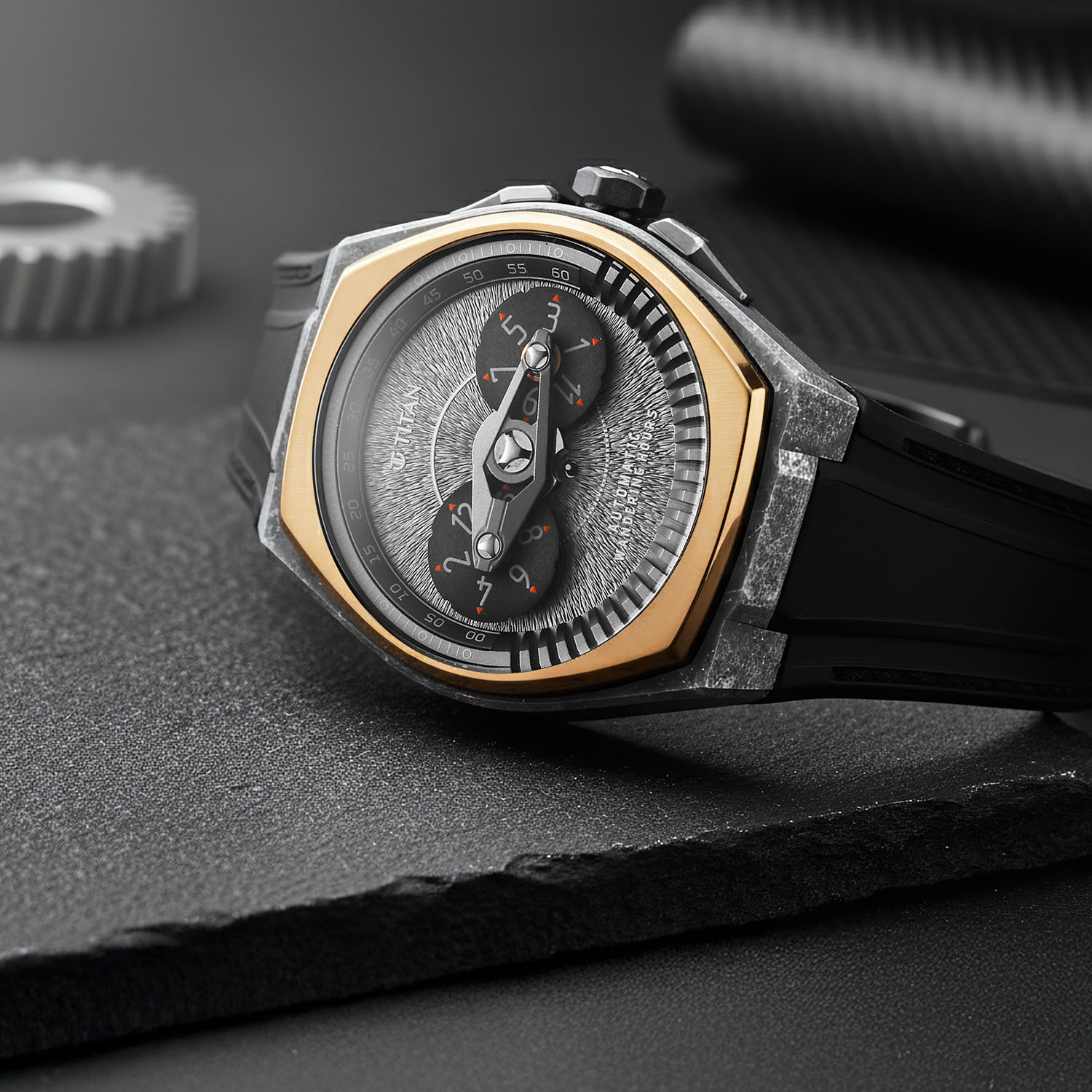
The brand’s World of Titan showrooms were equally important, with spacious layouts, air conditioning, attentive service and strong after-sales support at a time when watch retail in India was far less polished.
Titan understood that watches were becoming fashion objects as much as instruments.
That insight allowed it to reach customers HMT had largely overlooked, including women and younger buyers.
The Titan Raga, launched in 1992, was designed specifically around Indian women’s tastes, with a jewellery-led approach that helped move the watch beyond purely functional territory.
Fastrack later targeted youth culture with accessible, trend-driven watches, giving Titan another route into a market that wanted personality rather than heirloom seriousness.
By the 1990s, loosening import restrictions added further pressure on HMT, as Indian buyers gained easier access to European styles and global brands.

HMT’s reliability remained respected, but its designs increasingly felt caught in an earlier era.
Years of financial losses followed in the 2000s, and the watchmaking division closed in 2016.
Its legacy, however, has only become clearer with time, especially as collectors have returned to vintage Indian mechanical watches with fresh curiosity.
From mass quartz to Indian haute horology
Titan’s success was not limited to volume.
The company also pursued technical and design milestones that helped give Indian watchmaking a more modern international profile.
In 2002, it introduced the Titan Edge, recognised at the time as the world’s thinnest watch, and earlier work included a notably slim water-resistant quartz movement.
These watches showed that India’s watch industry could compete not only on price and distribution, but also on engineering and product development.
Titan also looked outward.
From 2011 to 2023, it owned Favre Leuba, one of Switzerland’s oldest watch names and a brand with its own historic link to India.
Fritz Favre travelled to India in 1865, and the country became an important market for the house, making the later ownership connection more than a simple portfolio move.
The most intriguing recent chapter is Titan’s move into high-end mechanical watchmaking.
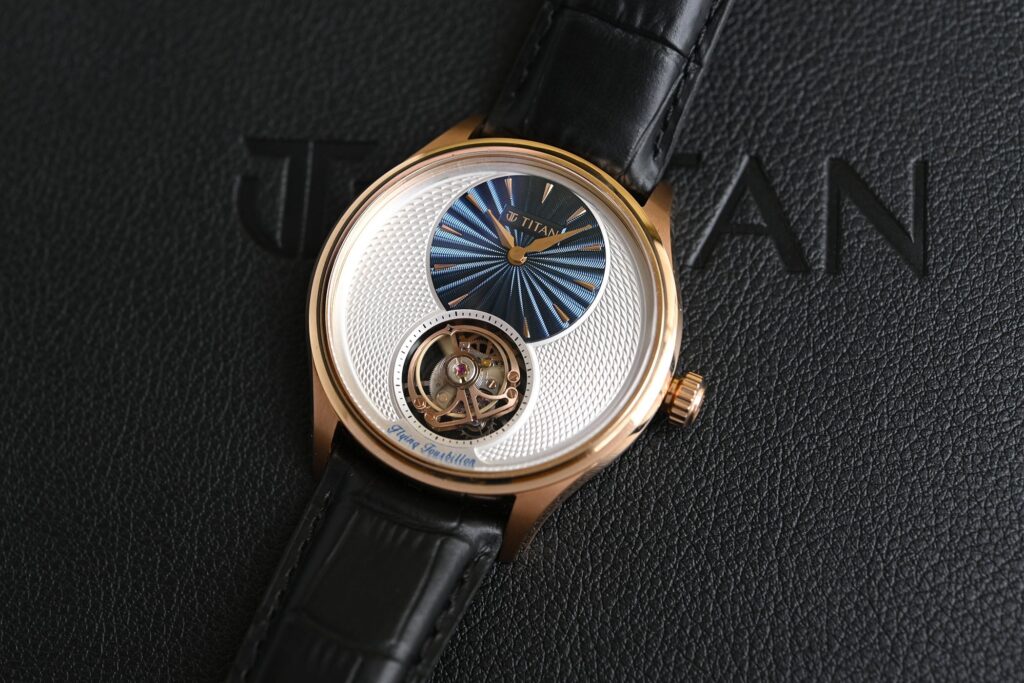
For its 40th anniversary in 2024, the brand created the 40 Years of Joy flying tourbillon, limited to just four pieces and powered by the in-house calibre 7TH1.
The watch paired a guilloché dial with a complication far removed from the mass-market quartz models that made Titan famous.
The following year brought the Nebula Jalsa flying tourbillon, limited to ten watches and priced at EUR 39,800.
Its dial featured miniature painting by Padma Shri Shakir Ali on a marble blank, while the minute hand carried a loupe-shaped counterweight that magnified different areas of the artwork as it moved around the dial.
At the top of each hour, that same rotating detail drew attention to the tourbillon aperture.
It was an unusually Indian interpretation of haute horology, not because of branding language, but because the artistic and mechanical ideas were inseparable.
Titan is now regarded as the fifth-largest watchmaker in the world, a position that gives its recent high-end work added significance.
Few companies can move from mass-market quartz to miniature-painted tourbillons with credibility, but Titan’s history has always been defined by reading the Indian customer before the market fully understands itself.
The history of Indian watchmaking is still young by Swiss or Japanese standards, but that is part of its appeal.
It’s a story of imported prestige, state ambition, factory discipline, retail reinvention and a new willingness to treat Indian craft as part of serious watchmaking rather than a decorative afterthought.