Before the middle of the 19th century, owning a watch was a serious financial statement.
Early portable timekeepers had existed in Europe for centuries, but they were slow to make, difficult to repair and often unreliable by modern standards.
American watchmaking changed that equation by treating the watch not only as a craft object, but as a product that could be manufactured with repeatable precision.
At a glance
- American watch factories helped turn the watch from a costly handmade object into an attainable tool for everyday use.
- The breakthrough came through automated machinery, interchangeable parts and quality control adapted from American firearms manufacturing.
- Waltham proved the industrial model, while Ingersoll pushed affordability further with the one-dollar watch and later character watches.
From rare handmade objects to factory precision
Pocket watches emerged in early 16th-century Germany, including the so-called Nuremberg eggs, but these early pieces were closer to mechanical curiosities than practical daily instruments.
Each watch was generally built as an individual object, with components made for that specific piece.
If something broke, replacement parts had to be made by hand, which made repairs slow and expensive.
Production was just as demanding, and a single watch could take many months to complete.
European watchmaking schools and technical advances improved both accuracy and craft, yet watches remained costly possessions well into the 1800s.
For many owners before the 1850s, a pocket watch could be the most expensive personal item they would ever buy.
Waltham and the industrial watch
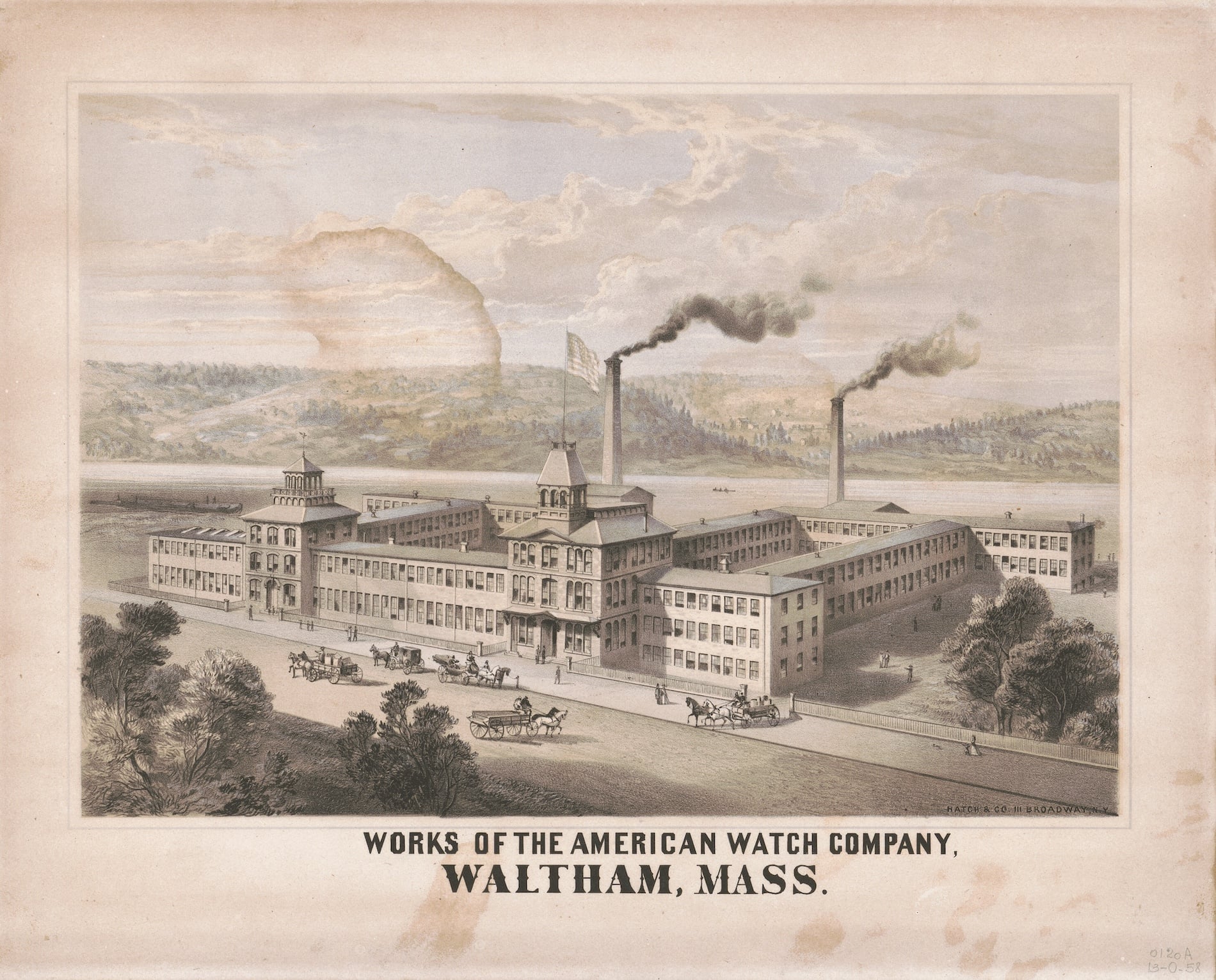
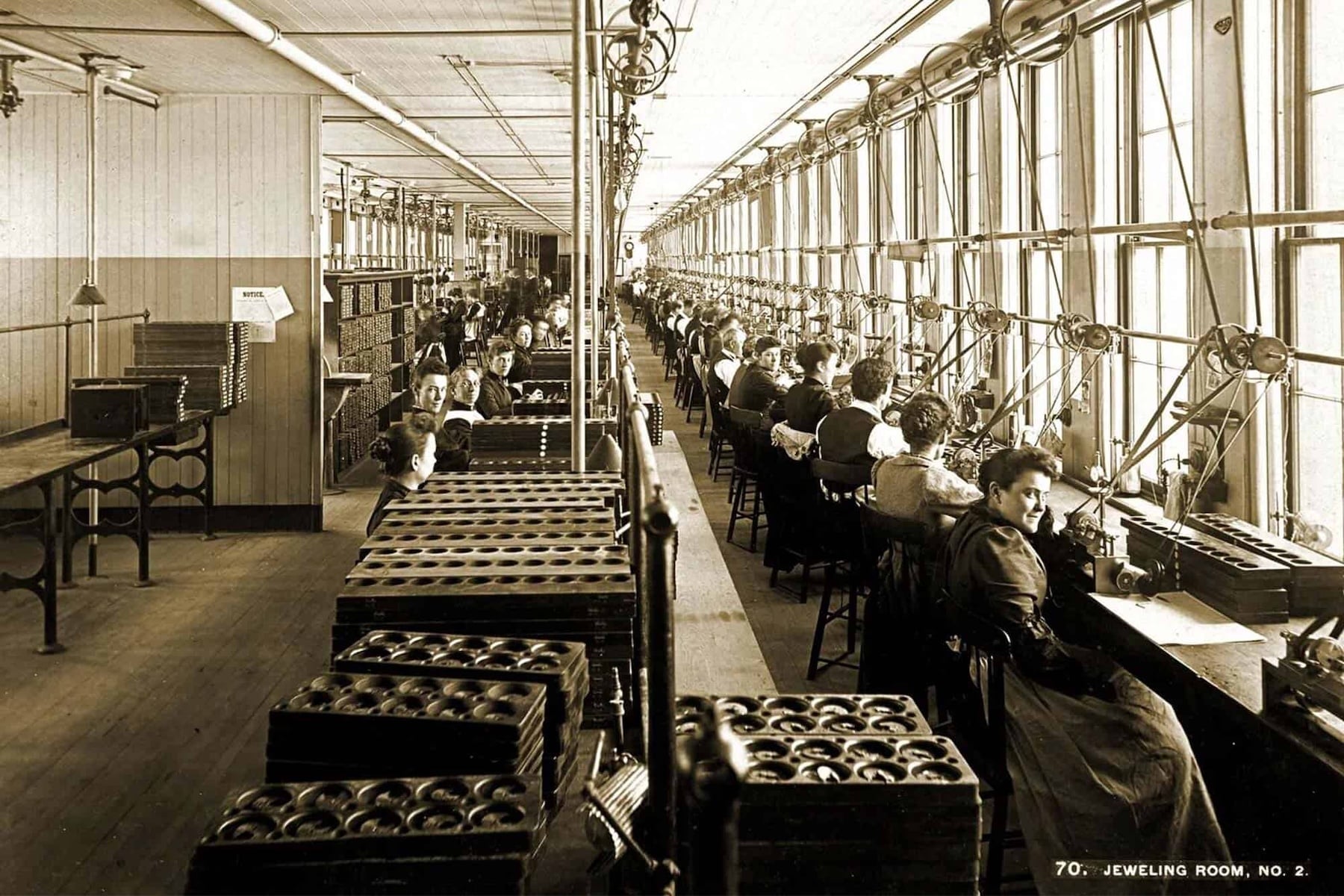
The American leap came from applying factory thinking to watchmaking.
Rather than relying on one-off components, American makers pursued machine-made parts that could be produced consistently and replaced when needed.
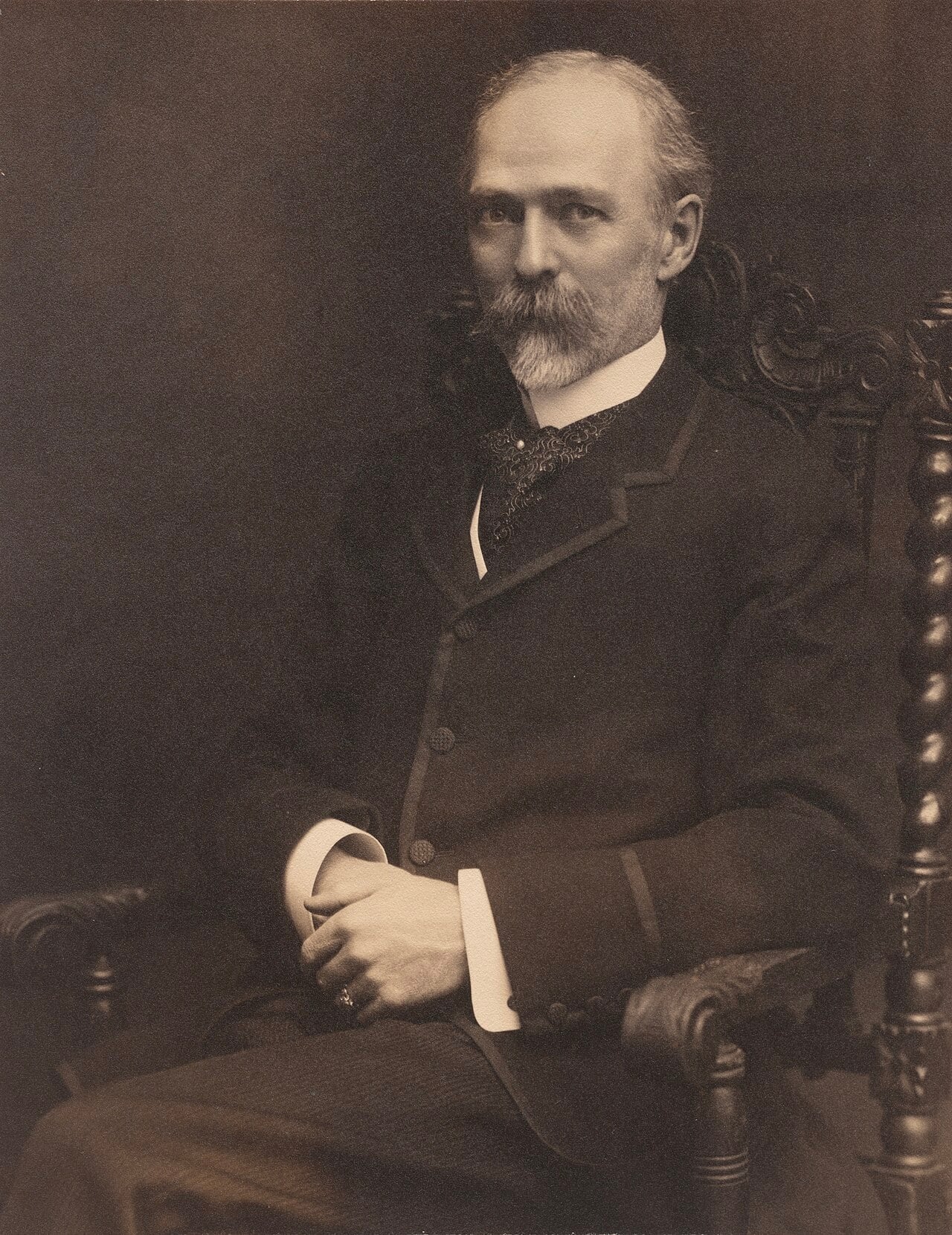
Aaron Dennison, a watch repairman, became a central figure in this shift after studying the production methods used at the Springfield Armory in Massachusetts.
The armory’s approach to identical parts and disciplined assembly gave American watchmaking a working model for scale.
There had been earlier progress from Henry and James Pitkin, who developed crude watchmaking machinery and completed a movement in 1838.
By 1845, around 900 watches had been made using their methods, with movements believed to include genuinely interchangeable parts.
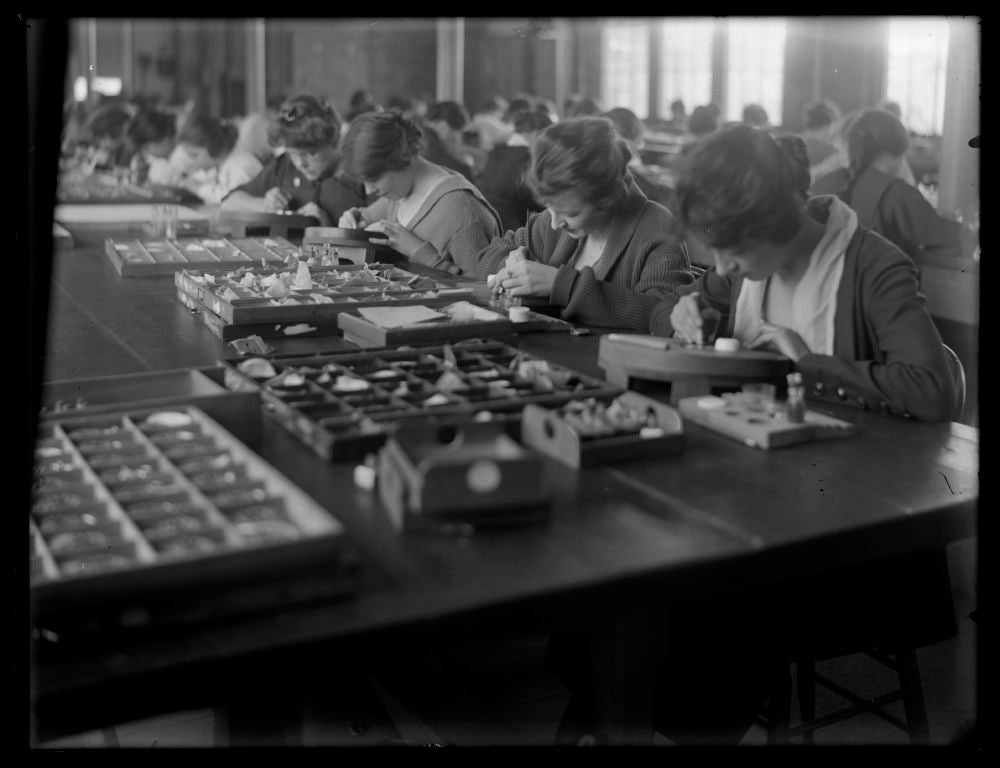
In 1850, Dennison partnered with clockmaker Edward Howard to build watches using the industrial principles already proving effective in arms production.
David P. Davis and Samuel Curtis joined soon after, bringing manufacturing and financial expertise to the venture.
The early company, known as Warren Manufacturing Company, began producing 30-hour watches in 1852 under several names, including Warren, Samuel Curtis and Dennison, Howard, and Davis.
In 1854, the operation moved to Waltham, Massachusetts, and took on the name that would become central to American horological history, the Waltham Watch Company.
The early years were not smooth.
Economic slowdowns, development costs and the practical difficulty of perfecting watch machinery pushed the company into bankruptcy in 1857.
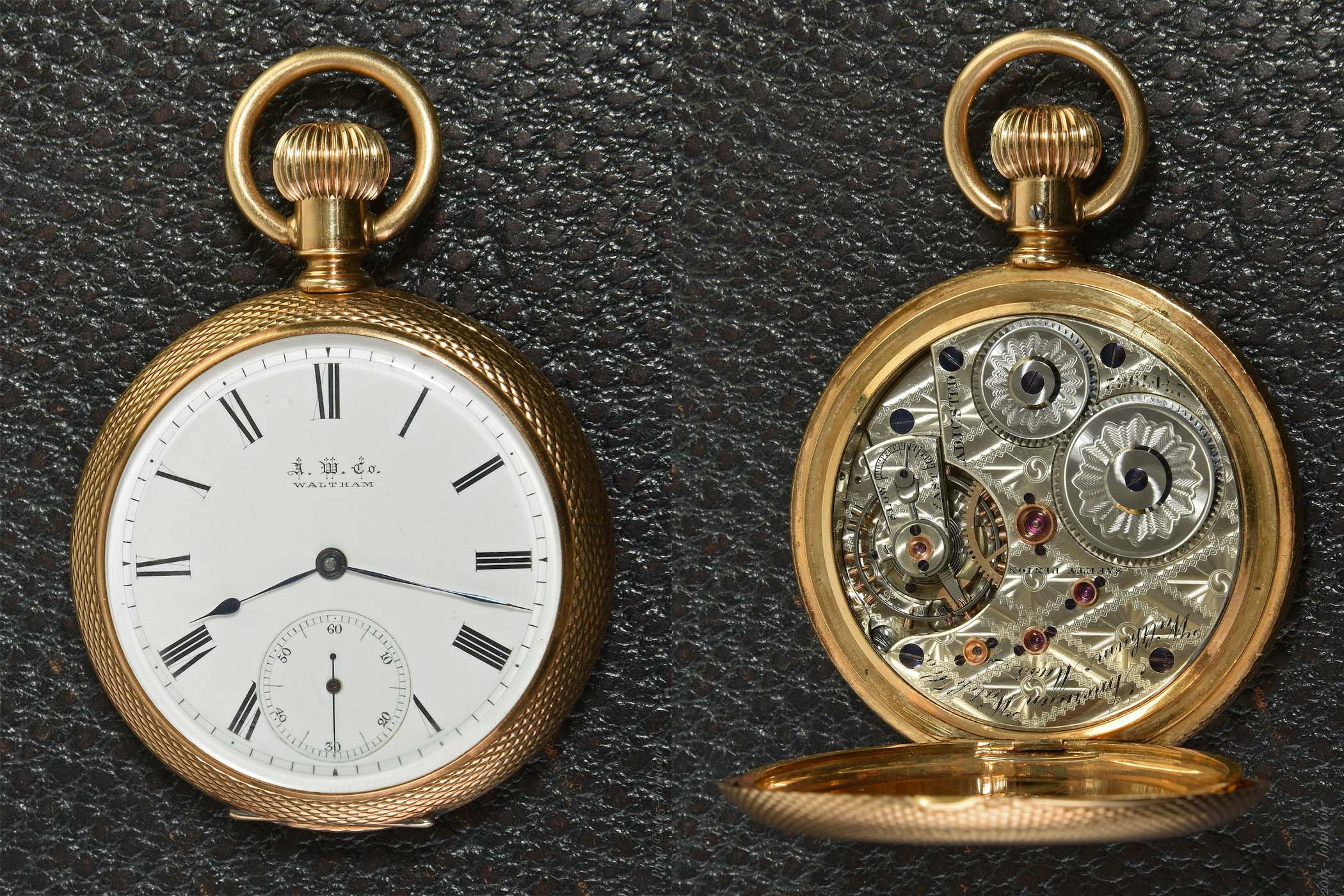
New York watch importer Royal Robbins acquired the business, keeping Dennison at the factory as superintendent until 1862.
The American Civil War gave Waltham fresh momentum as soldiers sought affordable, durable watches for use in the field.
The William Ellery model, priced at $13, became an important seller and accounted for 45 percent of Waltham’s sales by the end of the war.
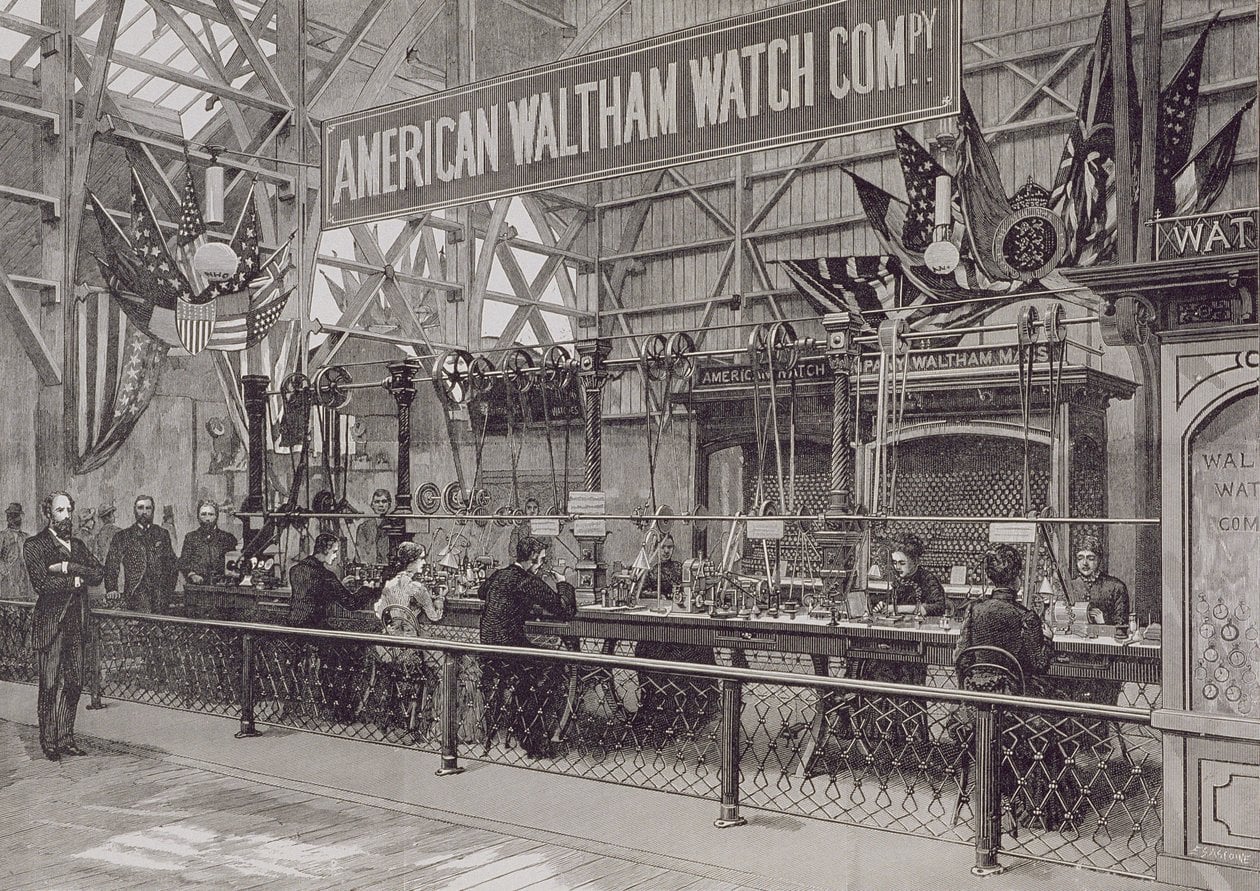
Waltham’s reputation grew further at the 1876 Philadelphia Centennial Exposition, where it demonstrated automated machinery including a screw-making machine and won a gold medal for watch precision.
After the war, the company found a crucial role in railroad timekeeping.
As train networks expanded across the United States, precise watches became a matter of public safety rather than personal convenience.
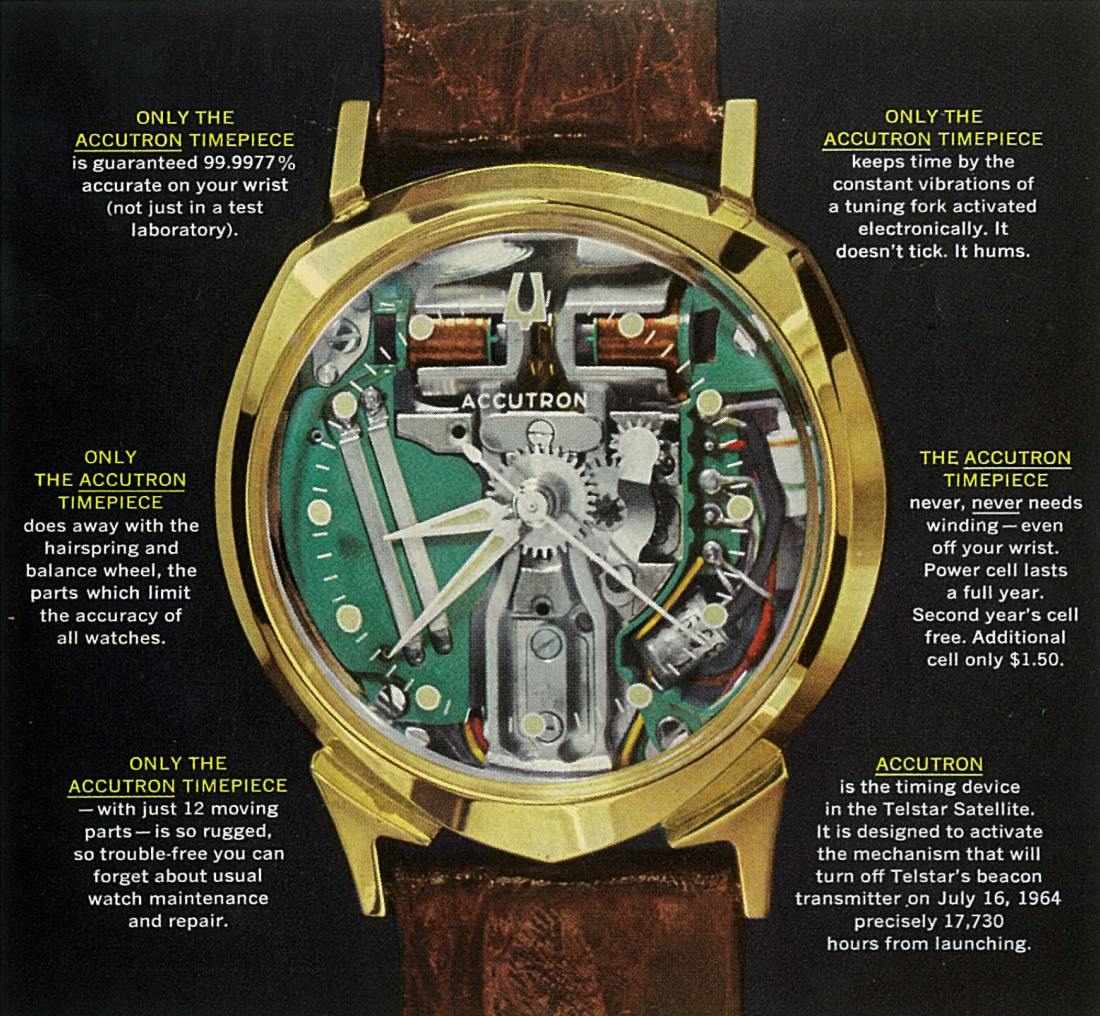
Waltham was among the first to mass-produce reliable railroad chronometers, including the Model 1870 Crescent Street.
The later 21-jewel Vanguard added a patented power reserve indicator, a practical feature for workers who needed to know their watch was properly wound.
Ingersoll and the one-dollar watch
If Waltham industrialised precision, Ingersoll made watch ownership broadly democratic.
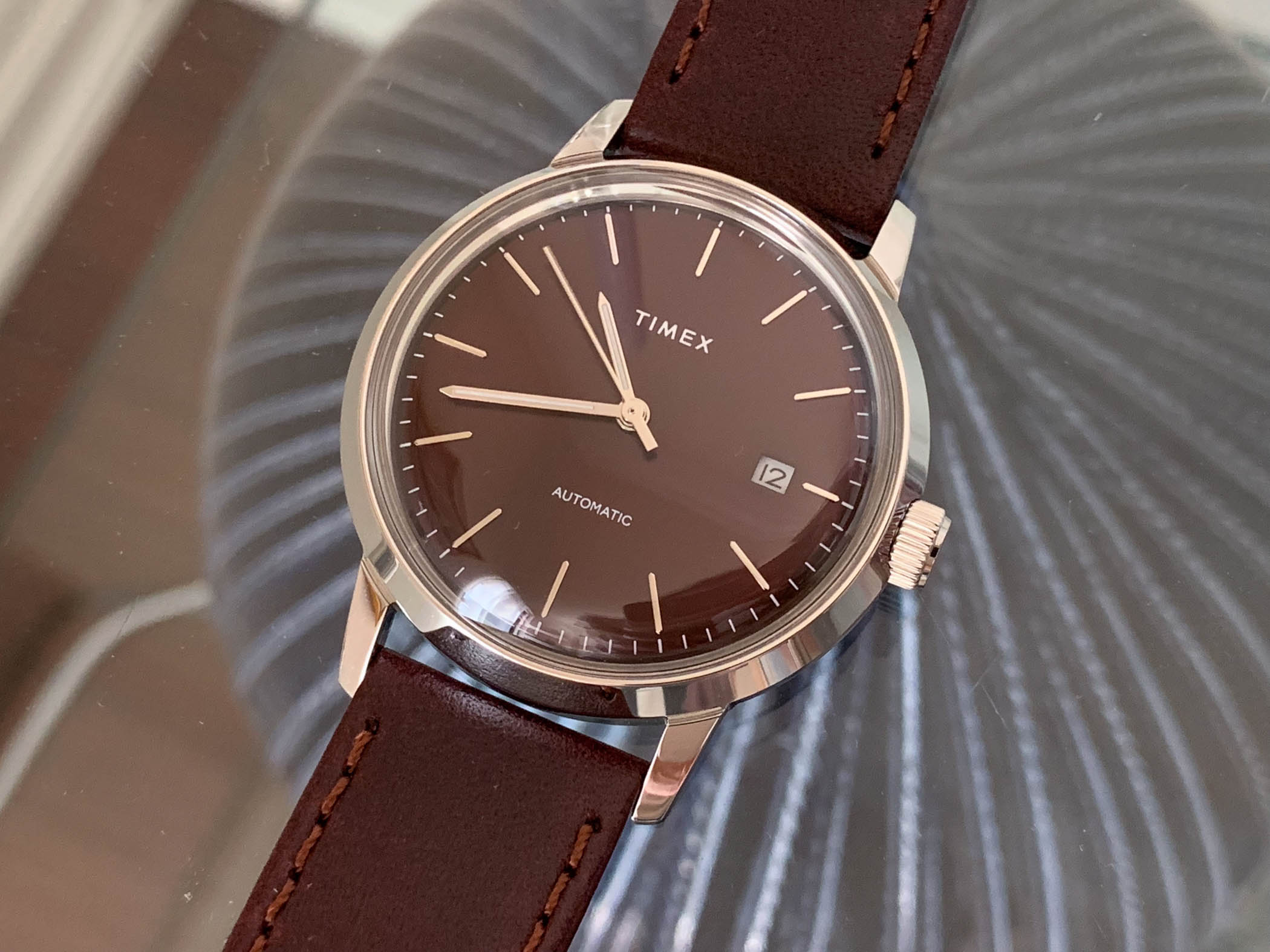
Founded in 1892 by brothers Robert and Charles Ingersoll, the company built on the mass-production model and pushed pricing to a level that changed the American relationship with timekeeping.
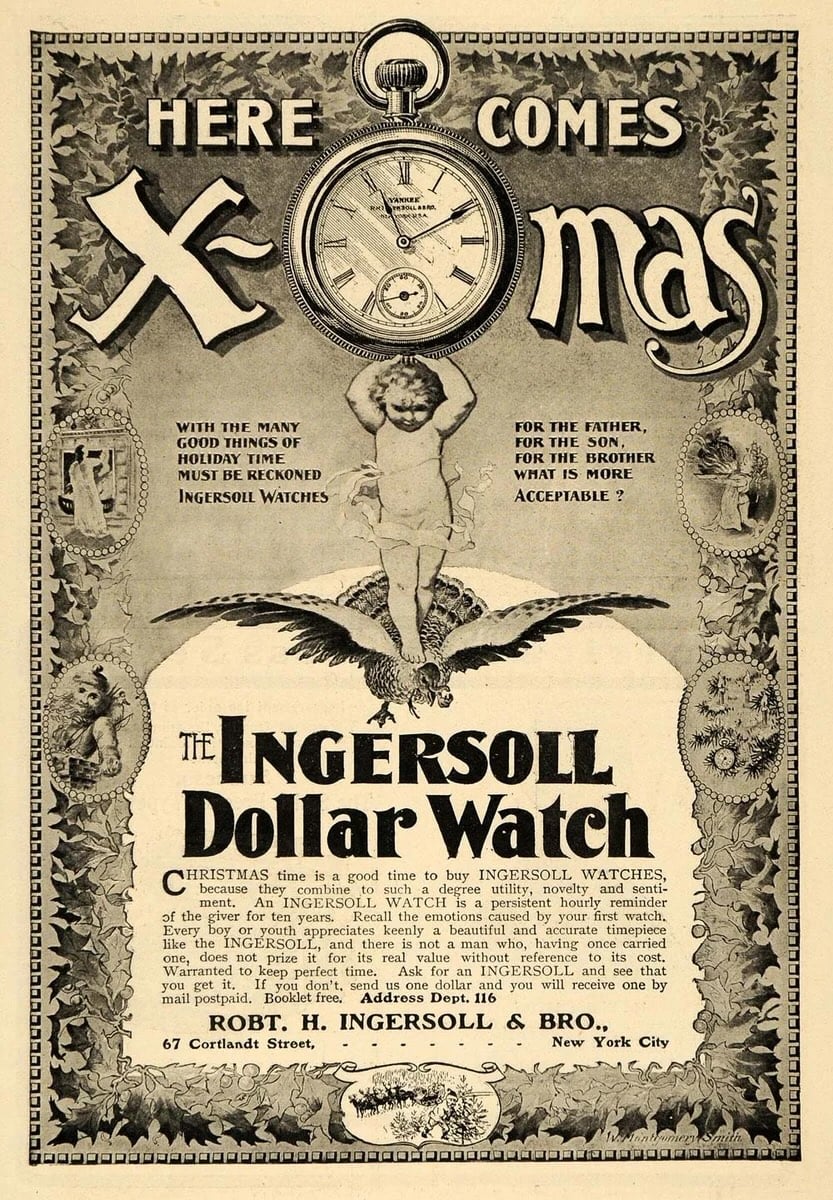
Its most famous product was the Dollar Watch, introduced as the Yankee watch in 1896.
At one dollar, it cost roughly a day’s pay for the average American worker and became one of the clearest examples of accessible watchmaking.
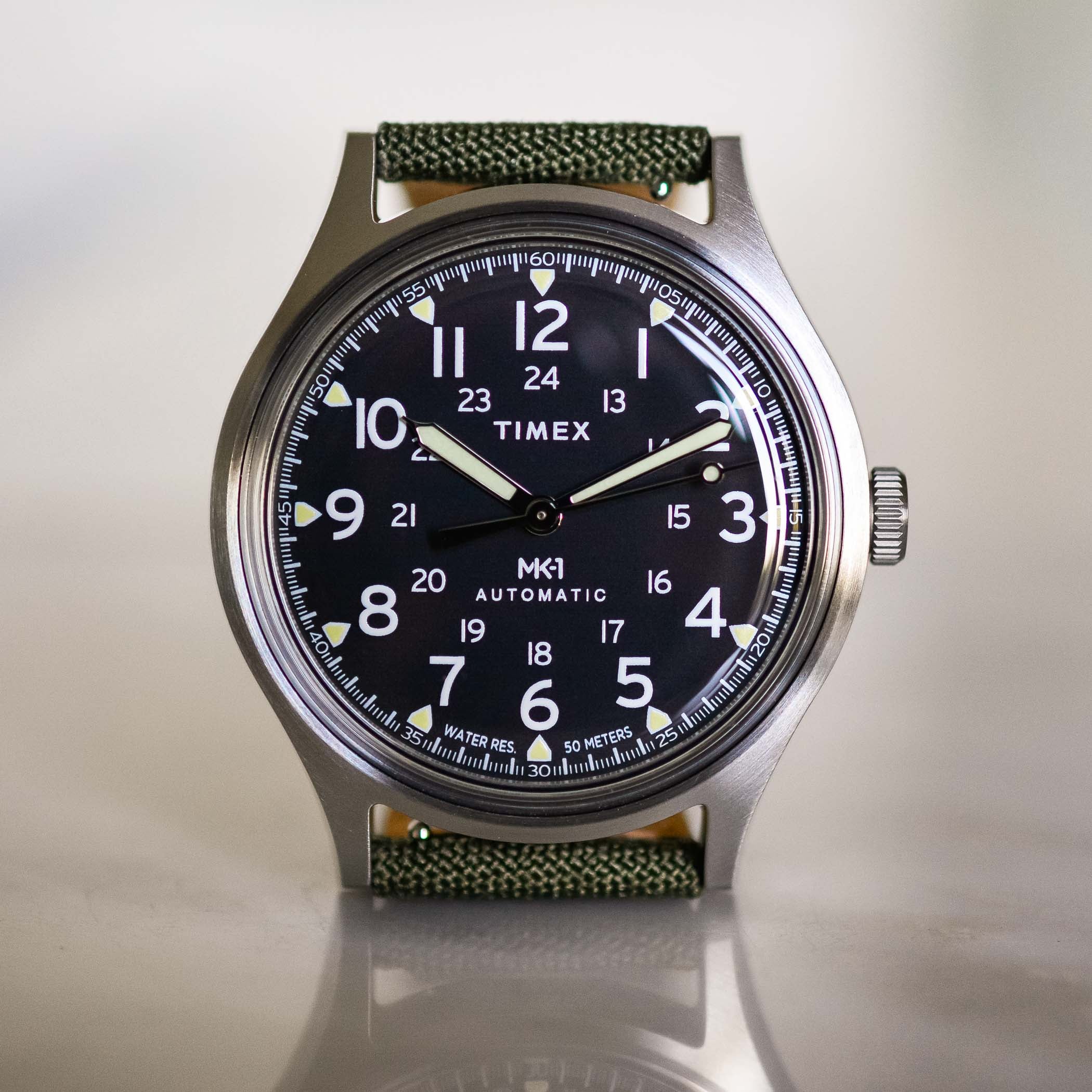
The advertising line, “The Watch That Made the Dollar Famous,” captured the point neatly.
Ingersoll partnered with the Waterbury Clock Company for production, using interchangeable stamped parts, a simplified pin-pallet escapement and no jewels.
By 1899, production had reached 8,000 Dollar Watches per day.
By 1910, annual output reached 3.5 million watches.
The watch became so widely identified with American industry that Theodore Roosevelt remarked on the country’s association with the Dollar Watch during his travels.
Ingersoll also moved beyond the United States, expanding to London in the early 20th century with the Crown Pocket, sold for five shillings, equivalent to one US dollar.
British production continued under Ingersoll Ltd. into the 1920s.
The company grew through acquisitions, including the New England Watch Company and Trenton Watch Company, and production reached 10,000 watches per day.
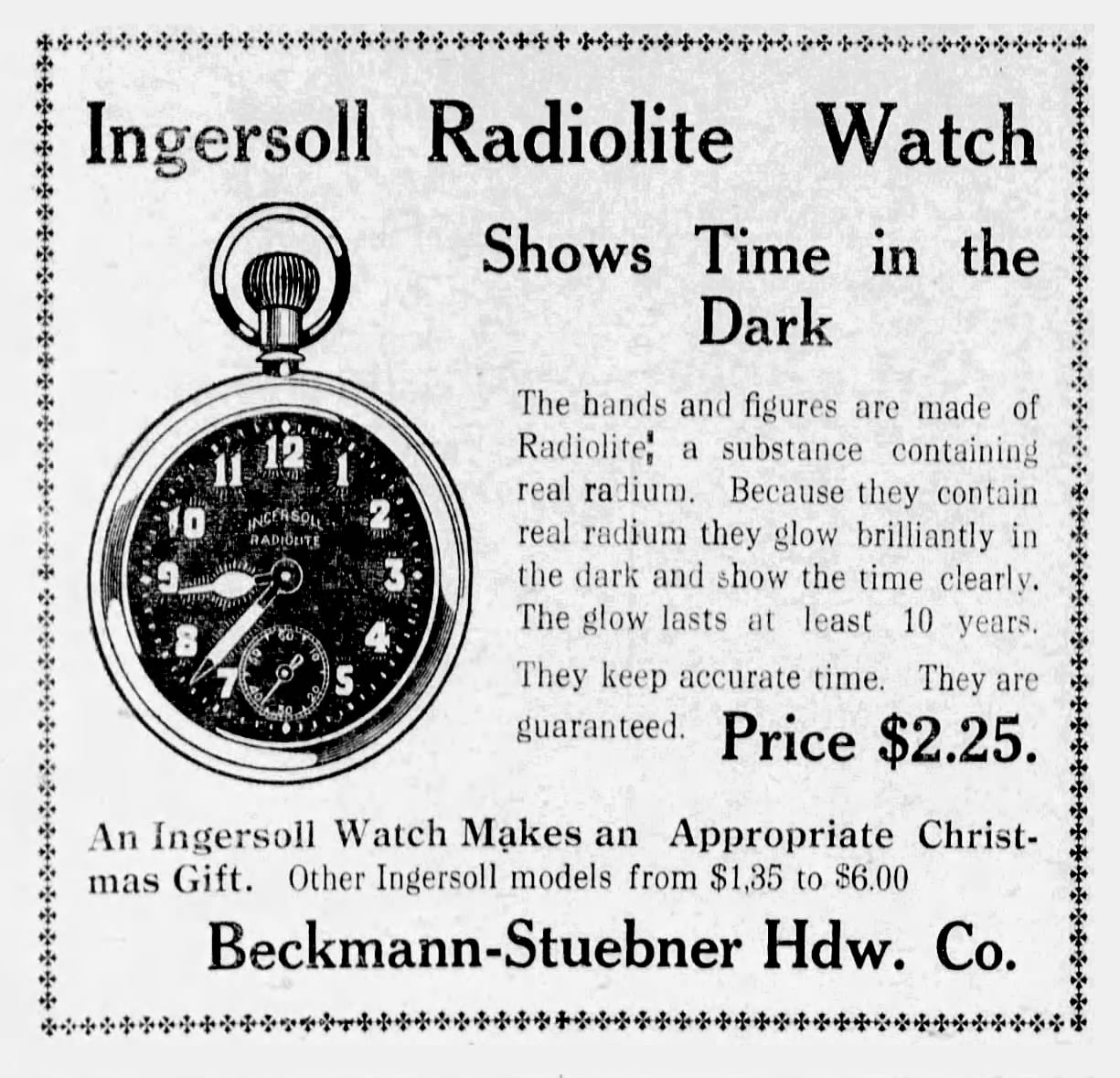
In 1916, Ingersoll introduced the Radiolite, an affordable mass-produced watch with a radium luminous dial.
It began as a pocket watch and developed into wristwatch form during the First World War, serving both civilian and military demand for readable timekeeping in low light.
Another important model, the seven-jewel Reliance, arrived in 1917 and appears to have sold in substantial numbers by the early 1920s.
Mickey Mouse and the watch as popular culture
The years after the First World War were difficult for Ingersoll.
The company declared bankruptcy in 1921 and was acquired by Waterbury Clock Company, becoming Ingersoll-Waterbury.
Financial pressure remained severe through the Great Depression, but one character watch gave the company a new identity.
In 1932, marketing figure Kay Kamen helped bring together Disney licensing and Ingersoll-Waterbury manufacturing for a Mickey Mouse watch.
The watch debuted at the 1933 Chicago World’s Fair, using Mickey’s animated arms as the hour and minute hands.
A wristwatch version sold for $3.75, while a pocket watch version sold for $1.50.
The design was commercially powerful and culturally sharp, turning the watch into both a timekeeper and an object of character-driven fandom.
Within two years, more than 2.5 million had been sold.
The Mickey Mouse watch became a global success and later found admirers among figures including John Lennon, Andy Warhol and Grace Kelly.
American watchmaking’s great contribution wasn’t simply cheaper timekeeping.
It changed what a watch could mean, moving it from the domain of the wealthy into railroads, battlefields, factories, shop counters and children’s wrists.
That shift still matters today because it explains a central tension in watch culture, where precision engineering, industrial scale and emotional design continue to shape what people choose to wear.