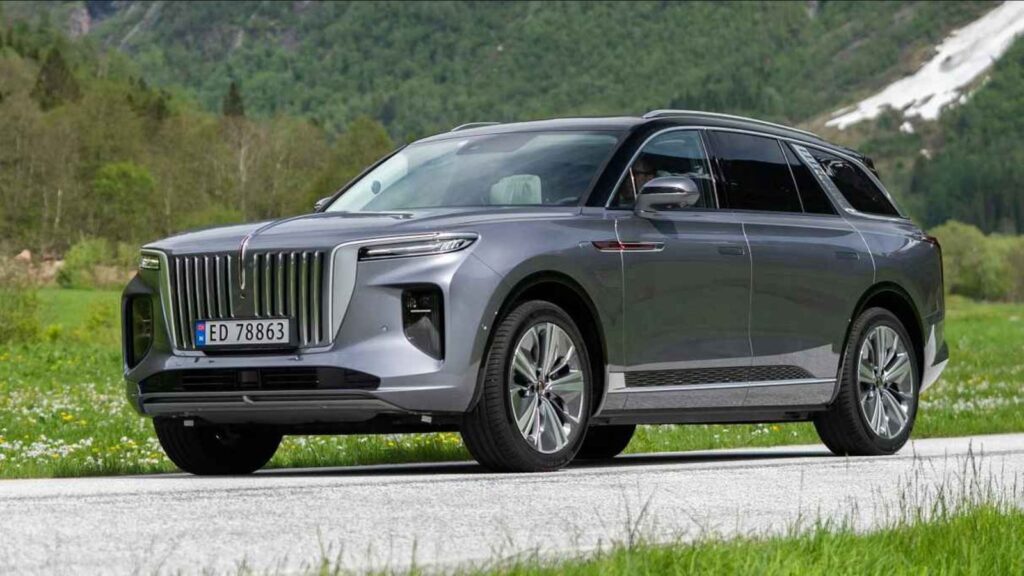
Hongqi is preparing to bring one of China’s most historically significant automotive names to Australia, and it isn’t arriving with modest expectations.
The brand is being positioned directly against the established German luxury players, with an opening line-up expected to focus on electric and hybrid SUVs.
For a market already seeing rapid growth from Chinese premium EV brands, Hongqi’s entry adds another intriguing name to the contest for affluent SUV buyers.
At a glance
- Hongqi is planning to enter Australia with three electric or hybrid SUVs.
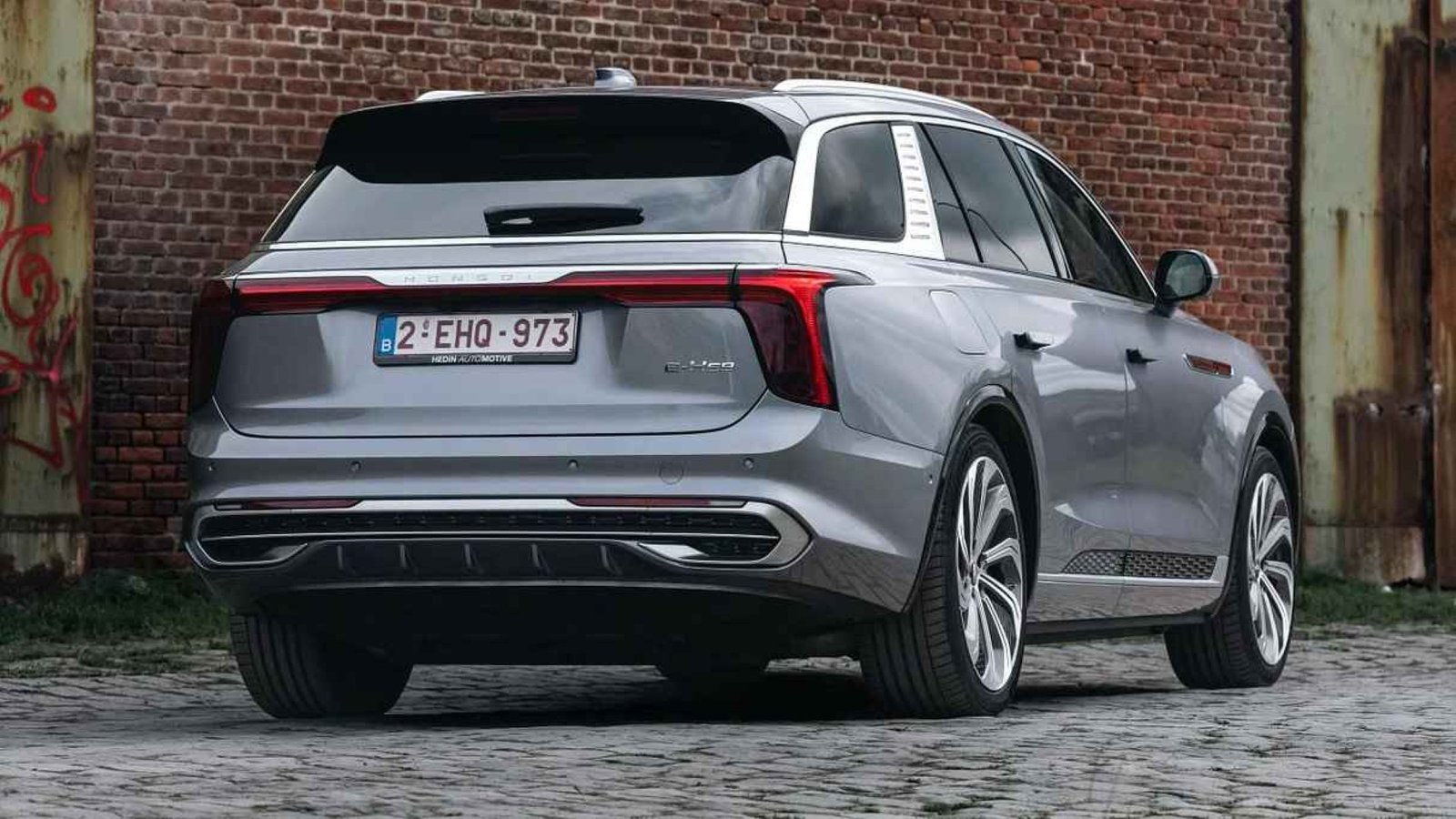
- The E-HS9, a 5.2-metre seven-seat electric SUV, is expected to be an early local contender.
- The brand is aiming at Audi, BMW and Mercedes-Benz, while also facing Chinese rivals including Zeekr and Denza.
A Chinese flagship badge heads for Australia
Hongqi occupies a distinctive place in China’s car industry as the country’s oldest automotive brand.
Its name has long been associated with official limousines and state-level prestige, but its modern product push is much broader and more export-focused.
Australia is now part of that expansion plan, with local importer Greentech set to handle the brand’s entry.
Jim Wu, CEO of Greentech and a co-founder of Chinese EV brand Leapmotor, has framed Hongqi’s positioning in unusually direct terms.
“We hope we can be more luxurious, more premium than Audi. We will be about similar to BMW and Mercedes-Benz,” Wu said.
That places Hongqi in one of the most competitive corners of the Australian market, where badge strength, dealer experience, refinement and resale confidence matter as much as equipment levels.
The E-HS9 puts size and presence first
The model most likely to lead Hongqi’s local electric push is the E-HS9, a large seven-seat SUV measuring 5.2 metres long.
That footprint places it in the same broad size class as the BMW X7 and Mercedes-Benz GLS, with the upcoming Zeekr 9X plug-in hybrid also in the competitive frame.
For Australian buyers, that size matters.
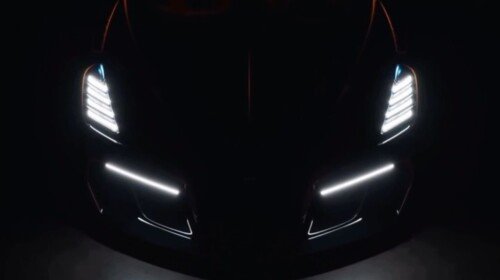
Large luxury SUVs remain a powerful part of the prestige market, particularly for households that want three rows, a commanding driving position and a more imposing road presence than a conventional wagon or crossover can offer.
The E-HS9 gives Hongqi a clear way to introduce itself without trying to win attention in a crowded compact-SUV segment.
It also lets the brand lean into its strengths, namely scale, visual presence and the idea of a flagship-style cabin experience.
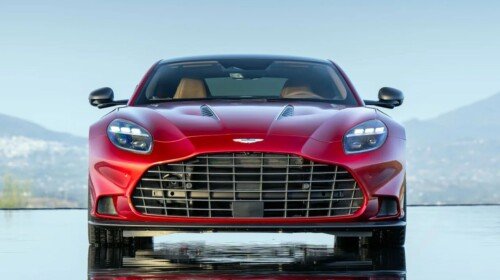
An ambitious target beyond the launch phase
Hongqi’s Australian plan isn’t being presented as a small-volume experiment.
The brand’s local ambition is to outsell BMW and Mercedes-Benz by the end of the decade, while selling roughly twice as many cars as Audi.
That is a striking target for a name that still has limited recognition among mainstream Australian luxury buyers.
It also shows how aggressively Chinese brands are now approaching right-hand-drive markets, especially as electrification reshapes long-standing buying habits.
Hongqi won’t only be measured against Germany’s best-known premium marques.
It will also arrive into a fast-changing field that includes Zeekr and Denza, two Chinese brands also seeking to establish themselves as credible luxury alternatives rather than value-led challengers.
The question won’t simply be whether Hongqi can offer generous specification or strong showroom presence.
It will need to convince buyers that the ownership experience, brand trust and aftersales support can match its premium positioning.
Details & Specifications
| Brand | Hongqi |
|---|---|
| Australian importer | Greentech |
| Expected opening range | Three electric or hybrid SUVs |
| Likely early model | Hongqi E-HS9 |
| Vehicle type | Seven-seat electric SUV |
| Length | 5.2 metres |
| Seating | Seven |
| Size comparison | Similar to BMW X7 and Mercedes-Benz GLS |
| Key rivals | Audi, BMW, Mercedes-Benz, Zeekr and Denza |
| Local sales timing | Planned from next year |
Hongqi’s arrival will be worth watching because it brings heritage, scale and ambition into a segment that’s already being reshaped by electrified luxury SUVs.
If the brand can match its bold positioning with a convincing ownership package, it could become one of the more interesting new names in Australia’s premium car market.