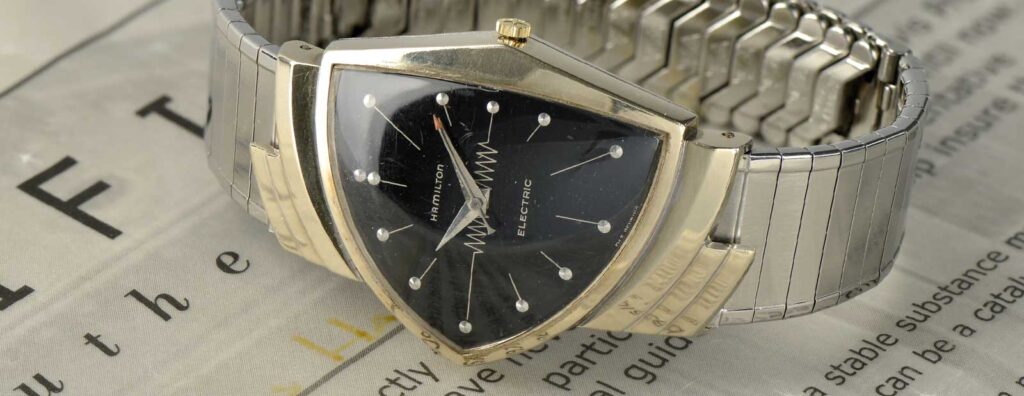
Hamilton’s return to Lancaster, Pennsylvania, in 2023 did something rare in modern watch retail.
It made the shipping label feel almost as meaningful as the watch box inside.
Collectors began calling the physical boutique to place orders because they wanted their parcel to leave from Lancaster, carrying the postmark of the city where Hamilton’s American identity was forged.
That small act says a great deal about why the brand still matters.
At a glance
- Hamilton’s Lancaster boutique has revived a tangible connection between the brand and its historic Pennsylvania home.
- The brand’s American story runs through 19th-century industrial watchmaking, railroad accuracy and the city’s broader craft culture.
- Now Swiss-made, Hamilton still holds unusual emotional weight for collectors drawn to American horological history.
The Lancaster postmark collectors wanted
In a world trained to expect one-click checkout and anonymous fulfilment, Hamilton’s Lancaster boutique offered something slower and more personal.
For some buyers, ordering through the store meant the watch had physically passed through the brand’s hometown before arriving on the wrist.
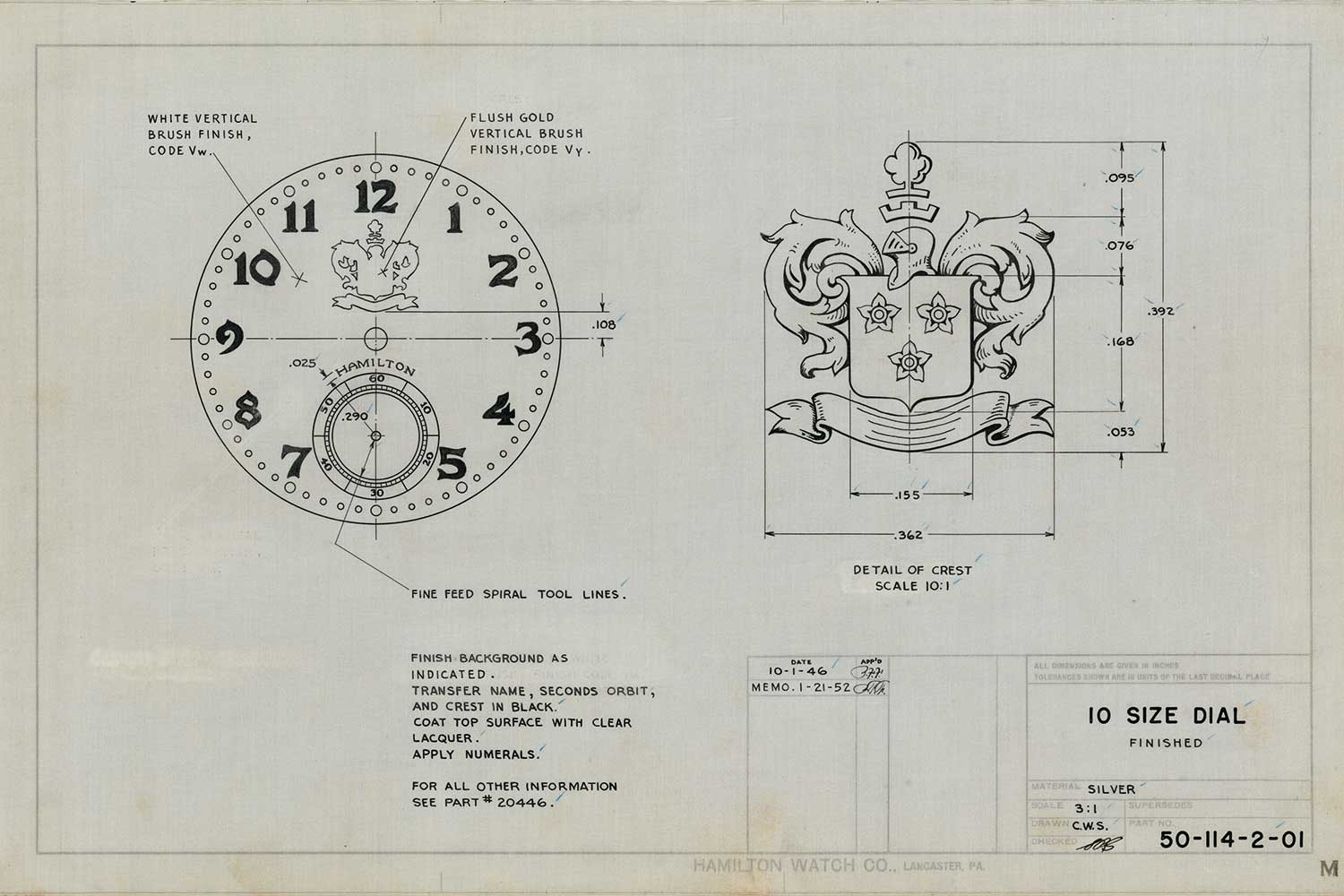
That may sound sentimental, but watches have always made room for sentiment.
Ryan Miller, President of Brent L. Miller Jewelers & Goldsmiths, has a close view of that feeling because his family firm owns the Bowman building where the boutique is located.
He has also grown up around Hamilton as both a Lancaster local and a retailer.
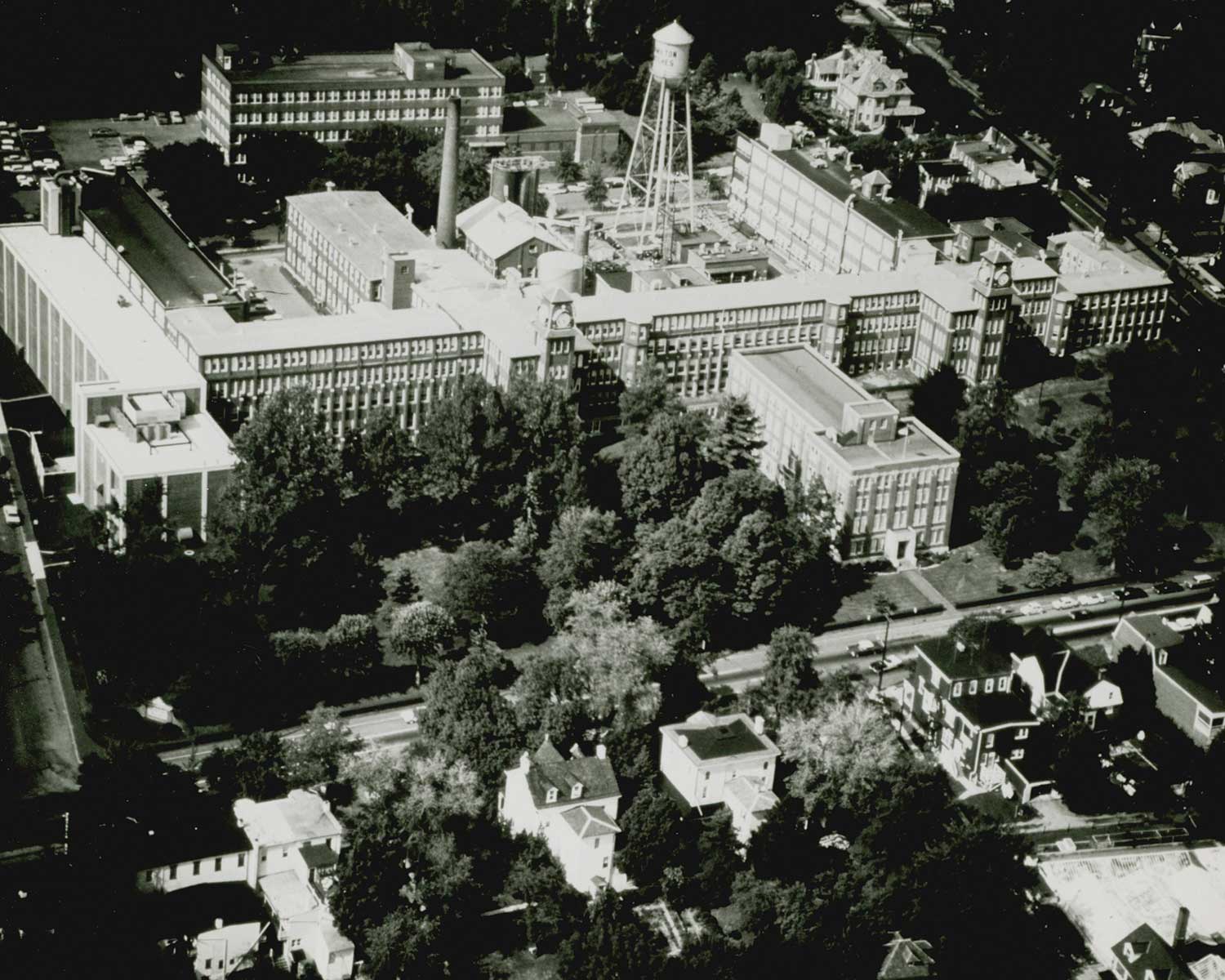
“Nobody needs a watch,” Miller says. “You buy the experience around it, the day you went to the shop, the person you were with, the city you traveled to, the way the thing felt in your hand before it became yours.”
In Lancaster, that experience is unusually layered.
Hamilton is not simply a name on a dial or a revived address in a handsome old building.
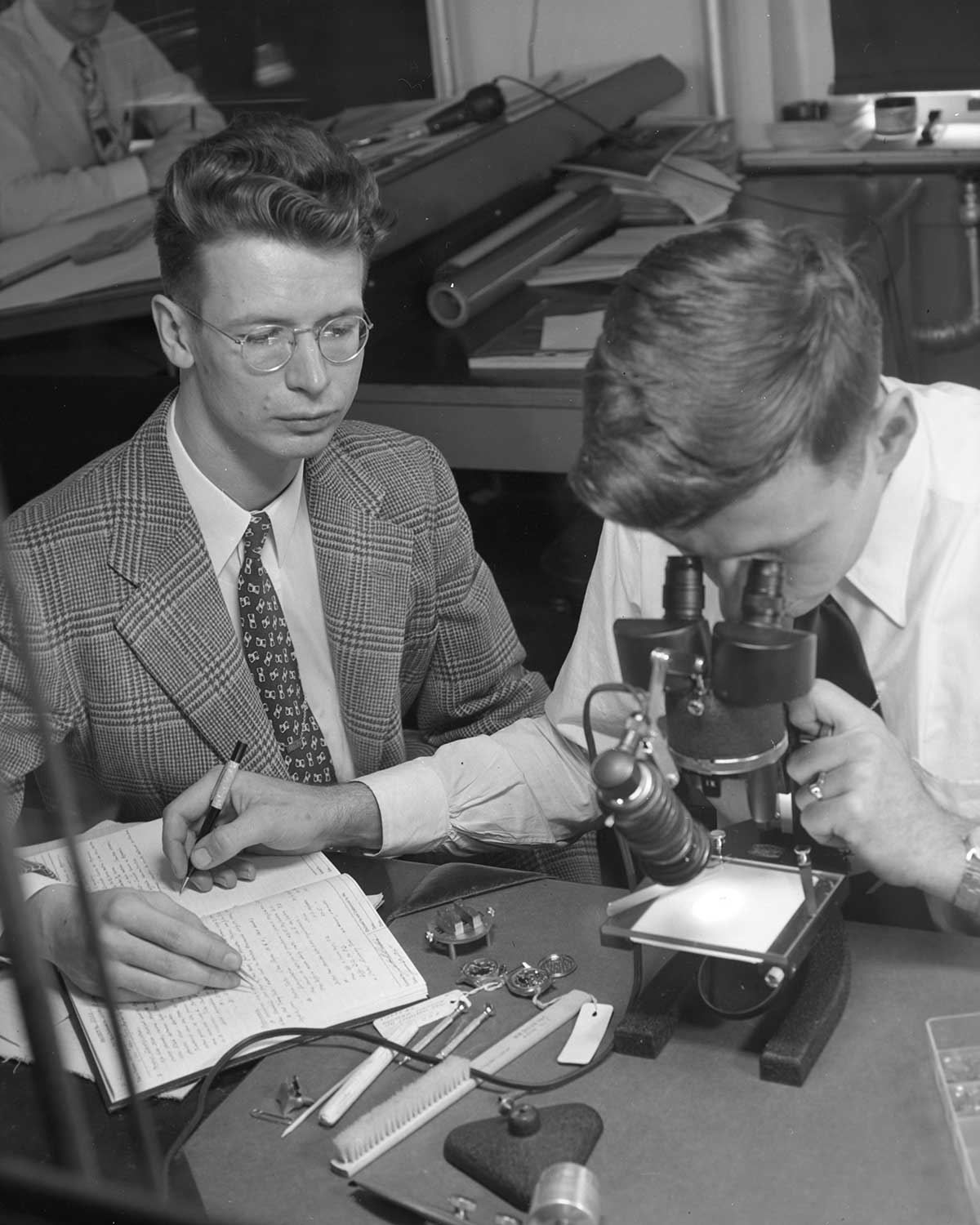
It is a grandfather’s railroad watch in a drawer, a relative who once worked at the Columbia Avenue factory, and a local memory shared by people old enough to remember the industrial years and young enough to be discovering the brand now.
A city that kept trying to make watches
Hamilton did not arrive in Lancaster as a fully formed success story.
The brand emerged from a city that had already spent years trying to build a serious watchmaking industry.
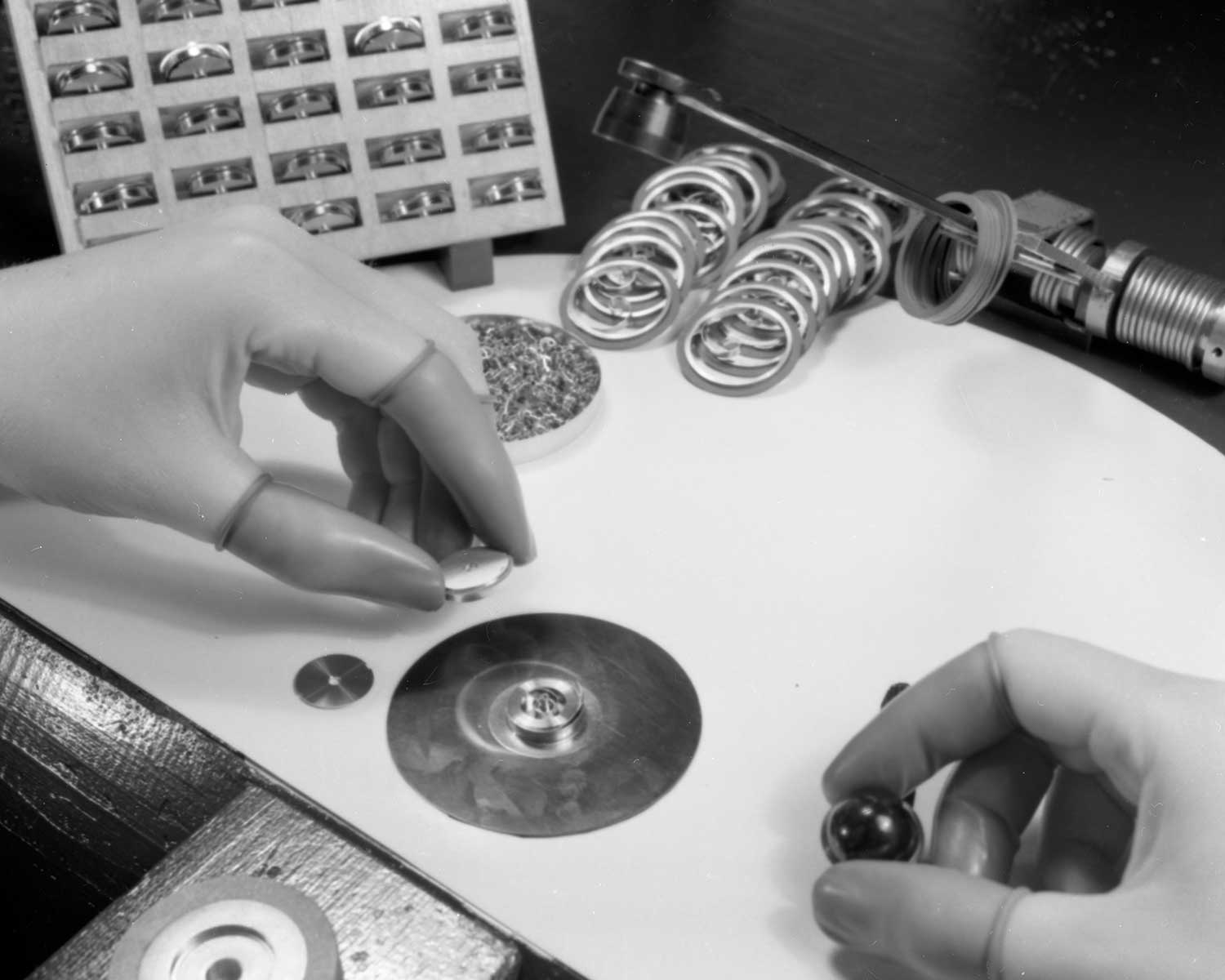
Lancaster in the late 19th century was not Geneva or Le Locle, but it had the right mixture of land, trade routes, workshop culture and industrial ambition.
Before watches, the city had a reputation for making, including the firearm tradition behind the so-called Kentucky rifle, a design with deep Lancaster roots despite the name it later carried.
Hamilton Watch Company was incorporated in 1892, taking over the physical assets of Keystone Standard in Lancaster and bringing in tooling and equipment from the Aurora Watch Co. of Illinois.
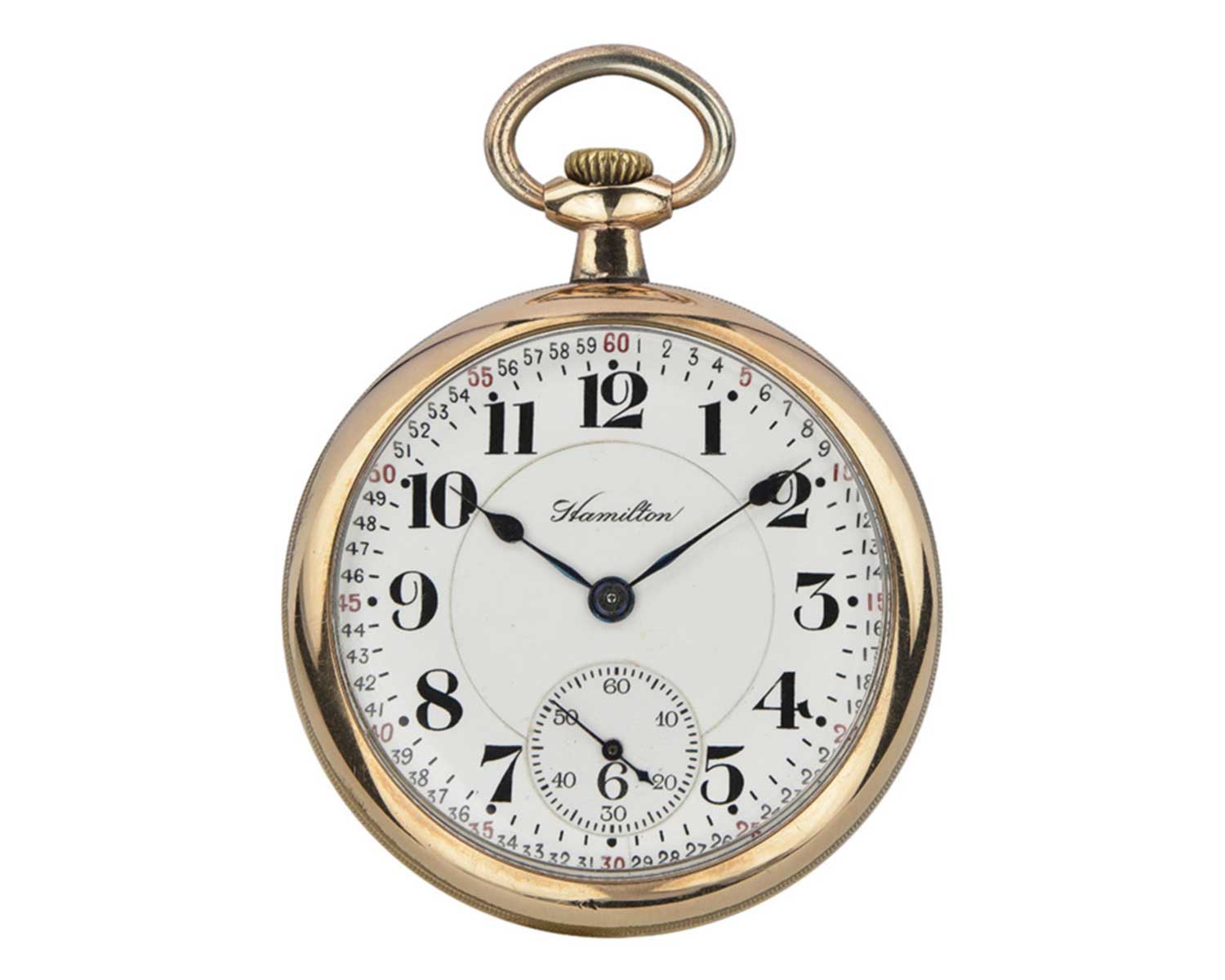
That moment followed a long chain of earlier efforts at the Columbia Avenue site.
Adams & Perry appeared in 1874, followed by Lancaster Pennsylvania Watch Co. in 1877, Lancaster Pa. Watch Co. Ltd. in 1878, Lancaster Watch Co. in 1879, Lancaster Watch Co., Inc. in 1883, and Keystone Standard Watch Co. in 1886.
Some failed, some faded, but each left behind a trace of local ambition.
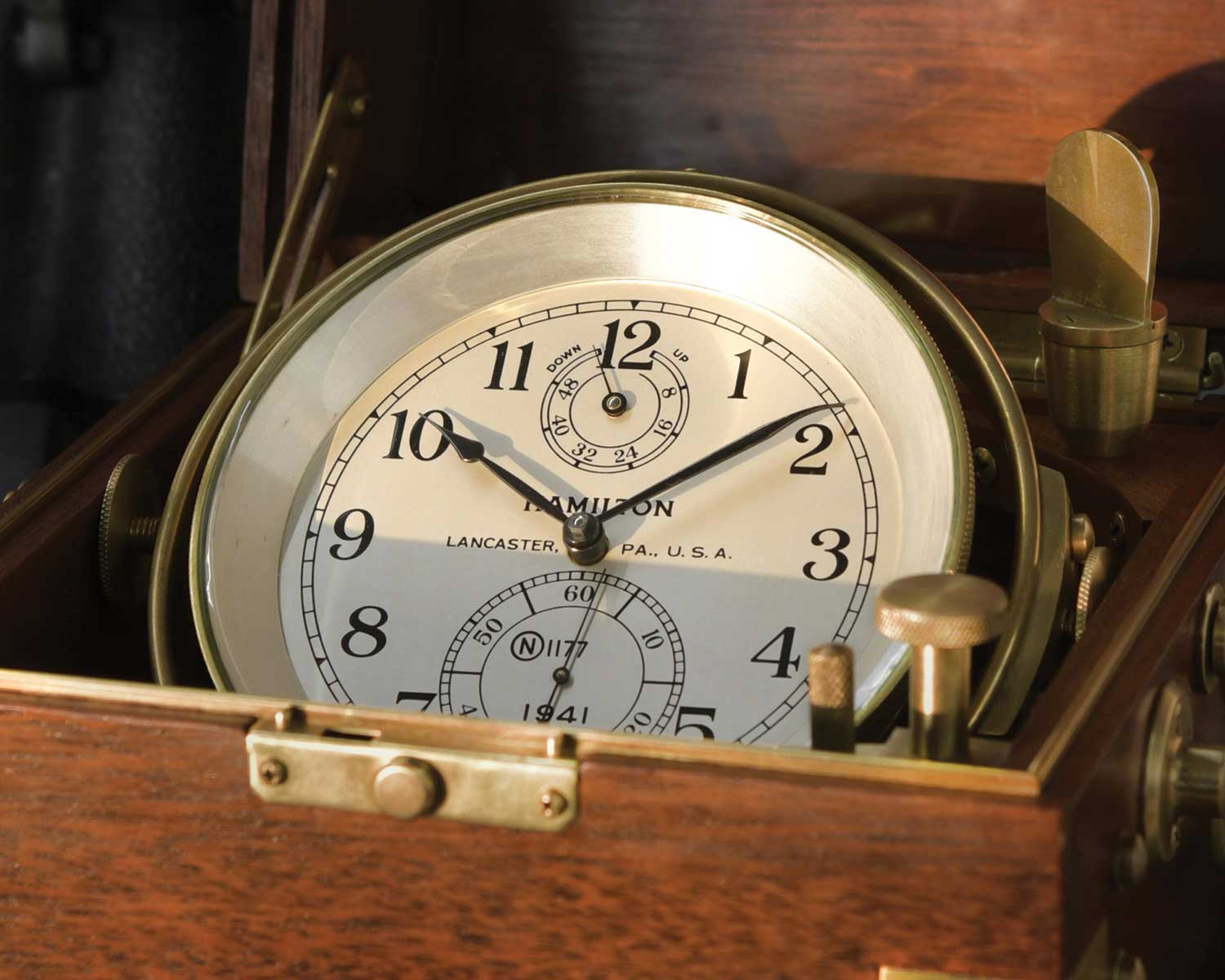
Hamilton’s breakthrough was not just technical.
It came from a combination of inherited machinery, existing know-how, financial discipline and a group of local businessmen willing to turn a repeated experiment into a durable company.
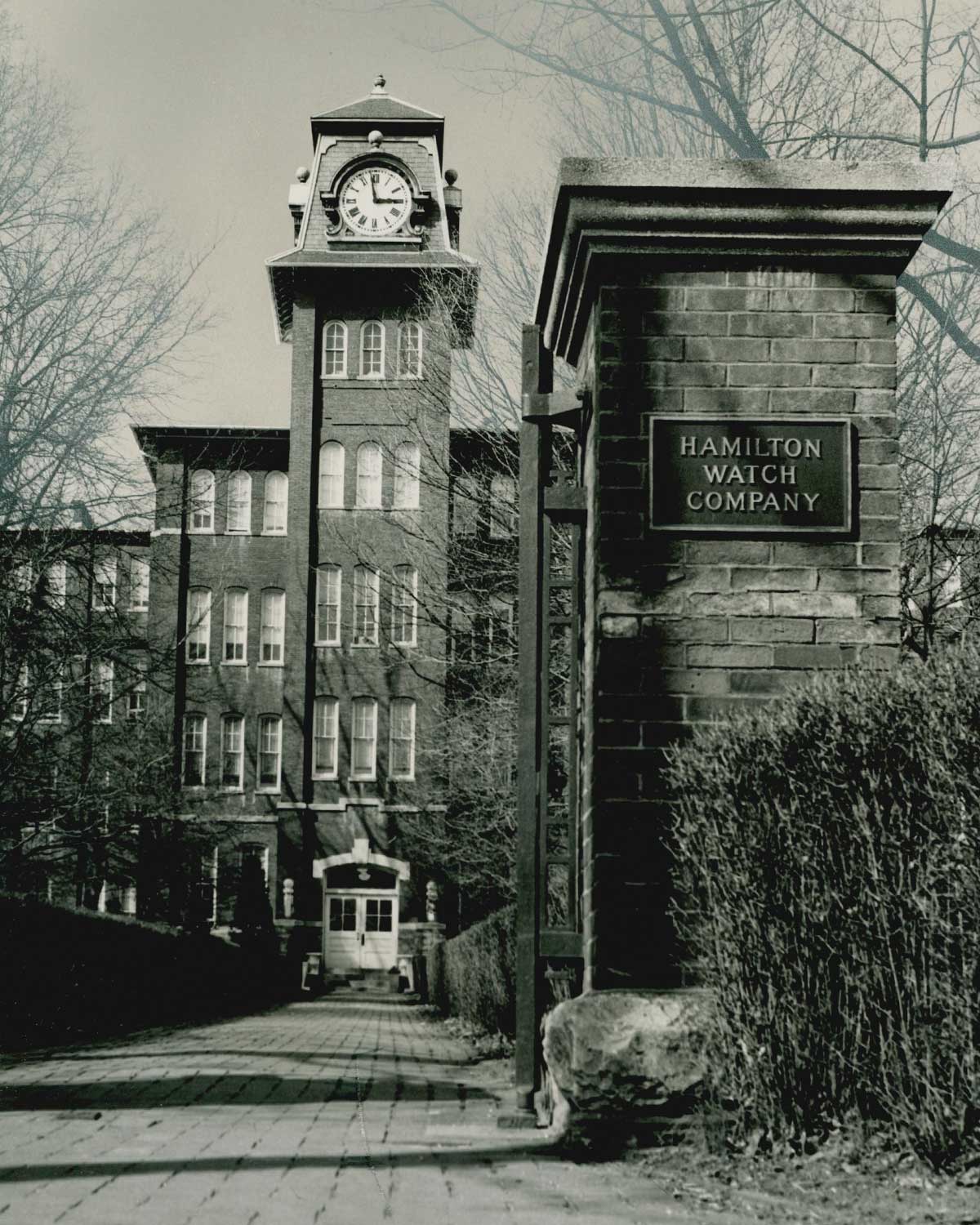
The former Hamilton headquarters at 917 Columbia Avenue, now the Clock Towers condominium complex, remains the most visible monument to that manufacturing chapter.
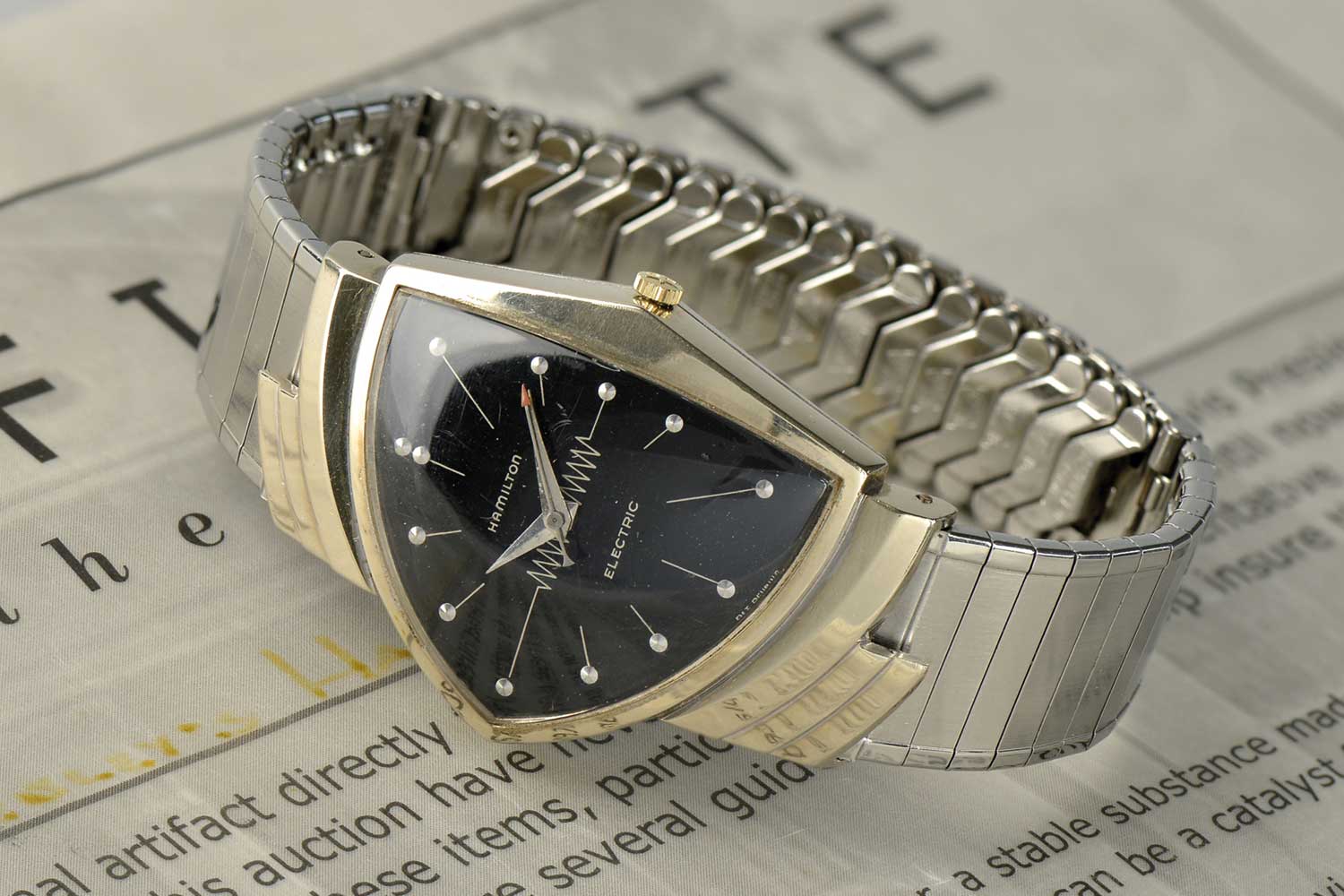
It stands as a reminder that Hamilton’s American mythology was built in brick, steel, drawings, machine tools and payrolls, not only in advertisements.
Railroad accuracy gave Hamilton its purpose
By the 1890s, the timing could hardly have been more consequential.
The railroads needed better timekeeping, and American watchmaking suddenly had a civic role that went far beyond personal style.
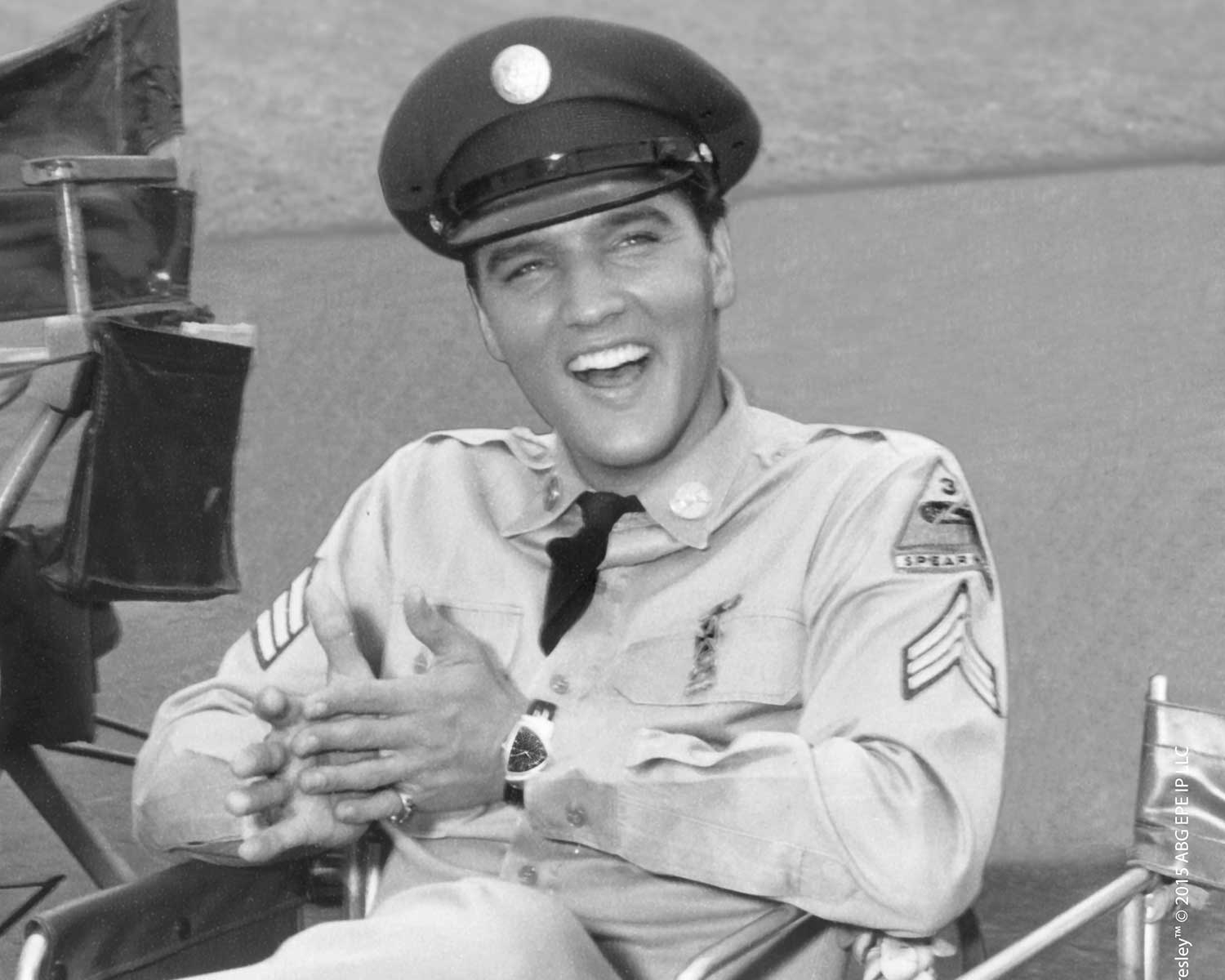
A railroad watch was part of a safety system.
The urgency became painfully clear after the Kipton disaster of 1891, when a defective pocket watch contributed to a head-on collision between a mail train and a passenger train that killed nine men.
Afterward, inspection practices tightened and railroad time standards became more formal.
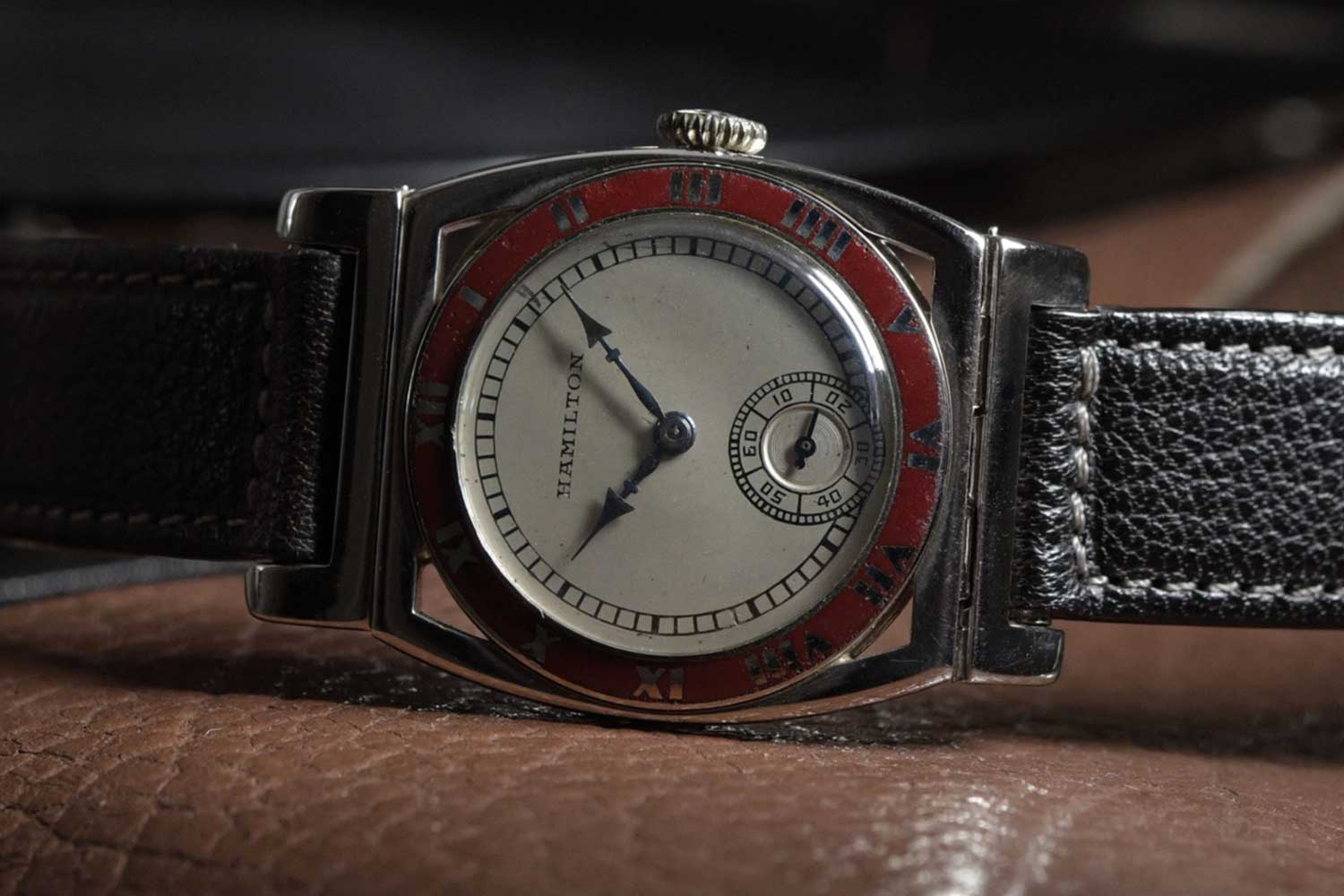
Webb Ball became closely associated with the emerging culture of reliable railway time, and watch companies had to meet a practical demand for legibility, durability and precision.
The rules were not fixed around a single defining feature.
Early expectations included 16- or 18-size movements and 17 jewels, while lever setting and open-face layouts became important as standards developed.
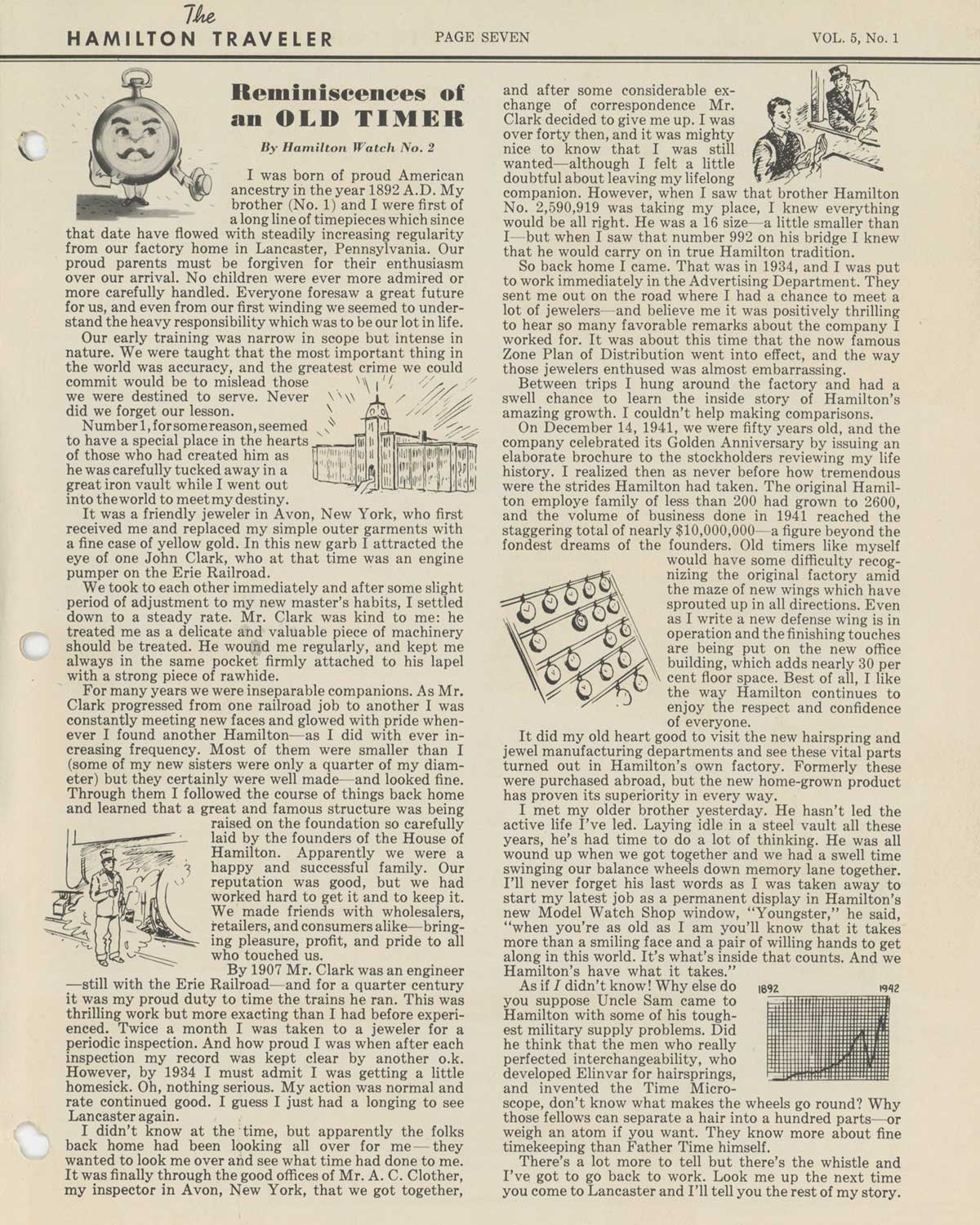
What mattered was trust under pressure.
Hamilton understood that world exceptionally well.
Its famous connection to railroad accuracy was not a decorative slogan so much as a commercial identity built around a real national need.
For collectors, that period remains one of the richest parts of Hamilton’s history because it gives the watches a job to do.
They were built for schedules, crews, stations and consequences.
The Bowman building brings the story back downtown
Hamilton’s current Lancaster presence is especially compelling because it does not sit inside an arbitrary retail shell.
The boutique occupies the Bowman building on North Duke Street, another address tied to the city’s watchmaking ecosystem.
Bowman Watch Co. operated in Lancaster between 1879 and 1882, before its tooling and designs were sold to J.P. Stevens in Atlanta.
Ezra Bowman then focused on his retail jewelry business and the vocational school he founded.
The school and store later shared a purpose-built building, with retail on the ground floor and instruction above.
That building now housing Hamilton creates a neat but not overly polished circle.
It connects the brand’s present to a wider local history of selling, teaching, repairing and making timekeepers.
Hamilton today is Swiss-made, and the brand’s modern catalog reaches far beyond pocket watches and railroad platforms.
Still, Lancaster gives it something that cannot be manufactured by campaign language.
It gives the brand a place where the watches can be understood as family objects, civic artifacts and commercial products all at once.
That is why the postmark matters.
For the right collector, a Hamilton sent from Lancaster is not just a delivery detail, but a small piece of continuity.
It turns a modern purchase into a brief encounter with the city that made the name worth remembering.