Geneva Watch Days has always worked best when it feels less like a closed-door industry appointment and more like a citywide invitation.
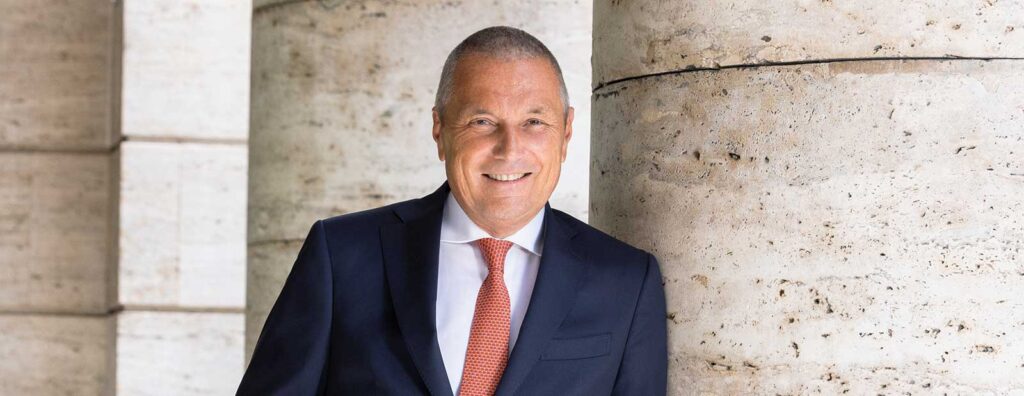
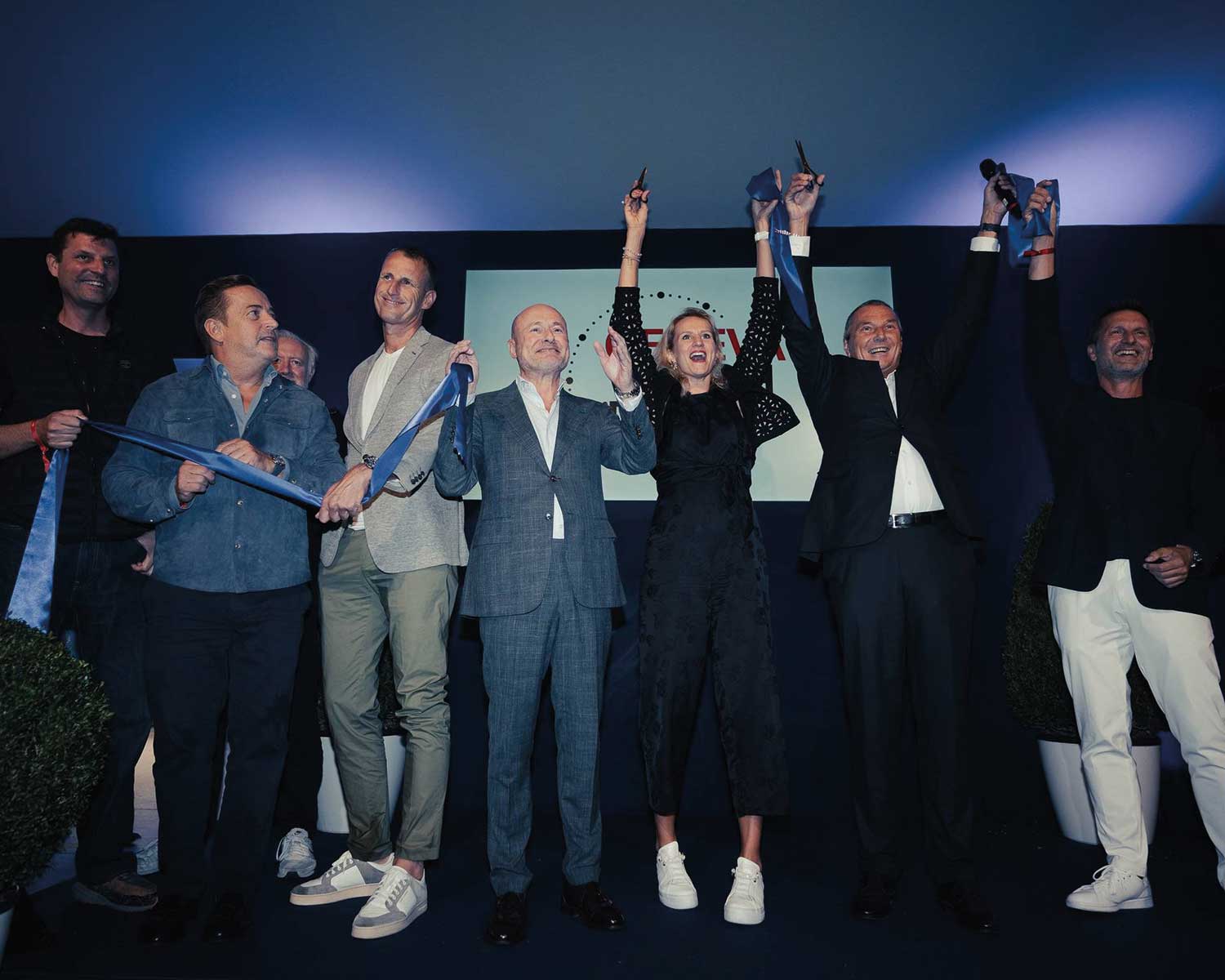
For 2026, Jean-Christophe Babin, President and Co-founder of Geneva Watch Days, is leaning further into that idea as the event returns on September 2 with a broader brand mix, a larger pavilion and a programme shaped as much around culture and education as new watches.
What began in 2020 as a practical response to a disrupted calendar has become one of the more distinctive fixtures in modern watchmaking.
At a glance
- Geneva Watch Days 2026 returns on September 2 with 71 participating companies across major maisons, independents and microbrands.
- The event remains free and open to the public, with a larger pavilion and new educational activities for collectors, newcomers and children.
- Highlights include Power Breakfasts, symposiums, a themed exhibition of more than 130 watches and hands-on watchmaking sessions.
An open fair with a broader cultural role
The most important distinction remains access.
Geneva Watch Days has been free and open to the public since its first edition, a decision that has helped separate it from the more conventional trade-fair model.
That openness is not only about letting visitors through the door.
It changes the atmosphere, encouraging brands to meet seasoned collectors, curious newcomers and younger audiences in the same space rather than speaking only to retailers, press and industry insiders.
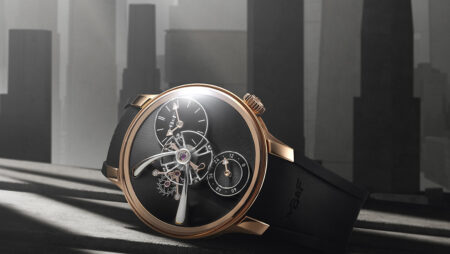
The 2026 edition brings together 71 participating companies, a significant evolution from the founding group of eight brands comprising Breitling, Bvlgari, De Bethune, Girard-Perregaux, H. Moser & Cie., MB&F, Ulysse Nardin and Urwerk.
The list now stretches across established luxury houses, revived historic names, specialist independents and small-scale makers producing in very limited numbers.
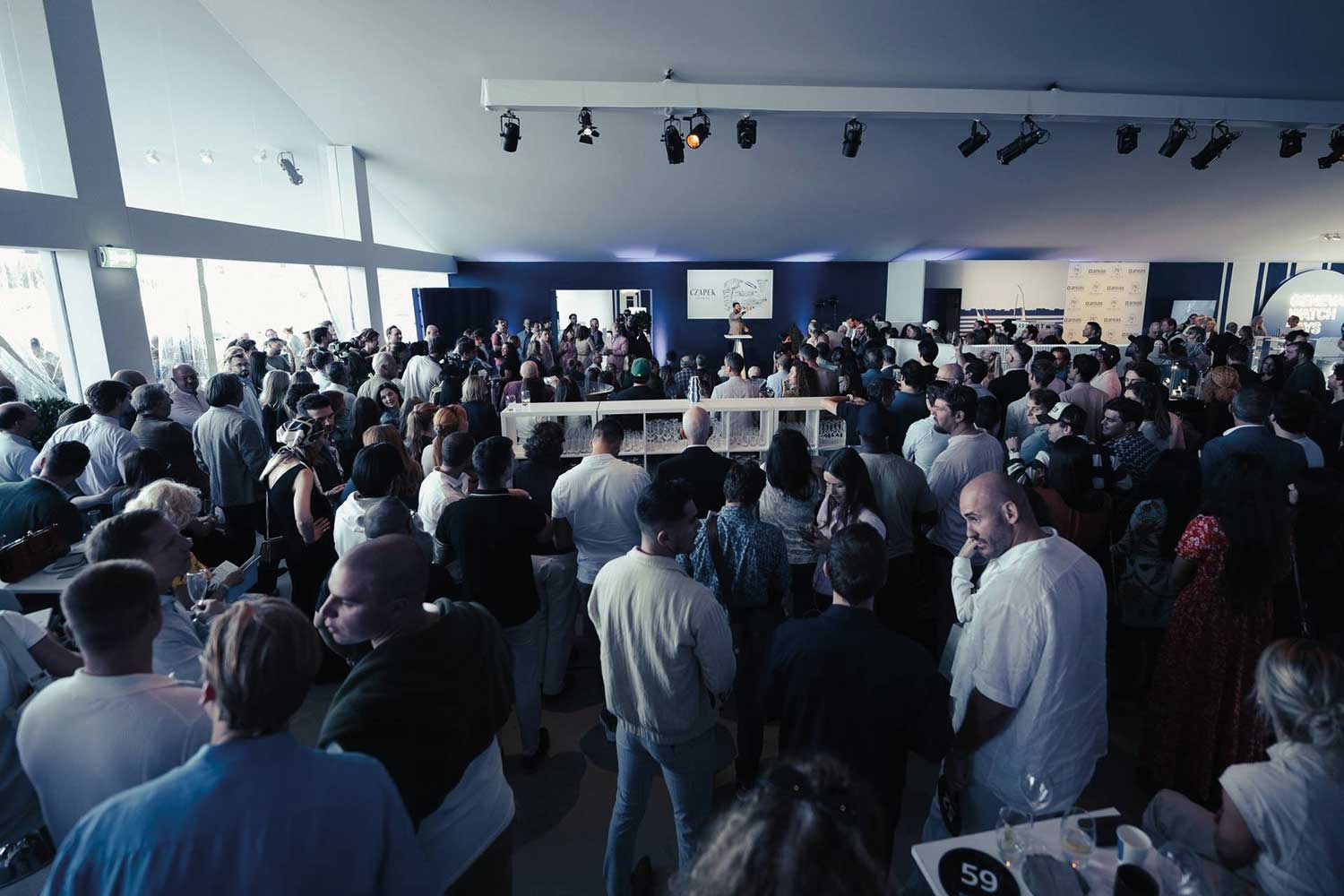
For visitors, that mix is the appeal.
A single pavilion can put a mainstream name within steps of an experimental independent, which is exactly where Geneva Watch Days feels most useful on the calendar.
A platform for smaller and independent brands
Babin has often framed the event as an incubator, and that language fits the mechanics of the fair.
Many young or smaller brands lack the scale, budget or access needed for larger trade-show formats, particularly when exhibition space is limited and costs rise quickly.
Geneva Watch Days approaches participation differently, with pricing levels shaped around the size of each brand rather than a simple square-metre calculation.
That matters because it allows smaller companies to appear alongside heavyweight names without carrying the same financial burden.
It also gives collectors a clearer view of the contemporary independent scene, where the most interesting watches are often made by teams too small to mount a major standalone presence.
The contrast with Watches and Wonders is part of the wider point.
Only a handful of the 66 brands present there are also participating in Geneva Watch Days, which gives the September event a different texture and a different set of discoveries.
The organisation itself reflects that collaborative spirit.
Rather than operating as a large year-round structure, Geneva Watch Days relies on teams delegated by participating brands to handle elements such as location, security and programming alongside their main roles.
Education takes a more central place
The 2026 programme suggests a fair that wants to teach as much as it wants to display.
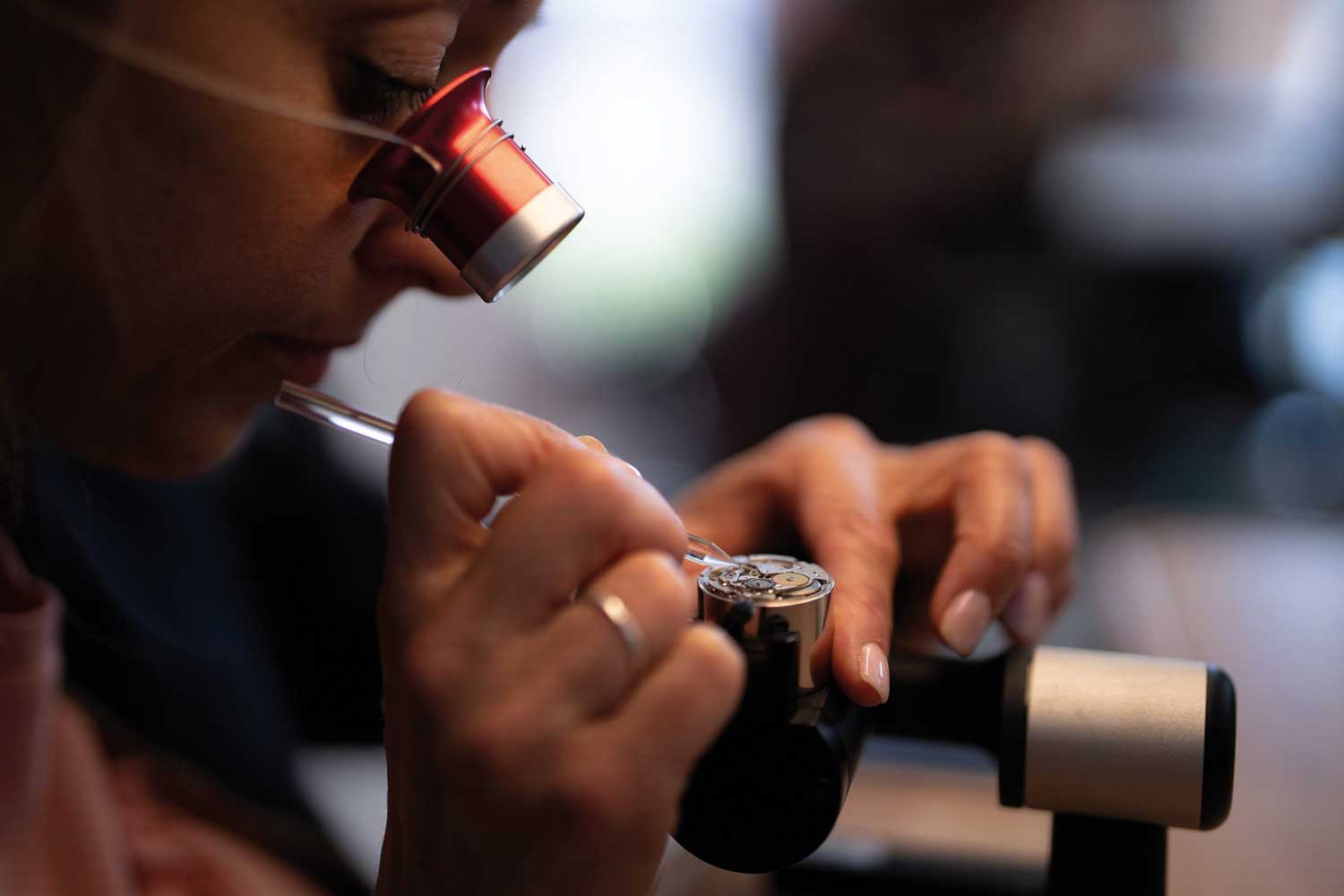
The Kids’ Club by the Musée International de l’Horlogerie is designed for children aged eight to 12, introducing mechanical watchmaking in a way that is accessible, playful and easy to grasp.
That is a small but meaningful shift for an industry that often talks about the next generation without giving younger audiences much direct contact with the craft.
Students from the Geneva Watchmaking School will also coach visitors on the basics of movement regulation, giving the public a practical glimpse into the invisible work that keeps a watch running properly.
Konstantin Chaykin’s “Time in Painting” activity extends the subject into art, exploring how watchmaking ideas can translate into a different creative language.
For young collectors, François-Henri Bennahmias will share industry insights in a format designed to demystify a business that can sometimes appear guarded from the outside.
The Musée International de l’Horlogerie will also introduce children to mechanical movements and their relationship to the way we read time.
Taken together, these additions show why Babin sees Geneva Watch Days less as a product showcase and more as a cultural event rooted in horology.
Breakfasts, symposiums and more than 130 watches
The familiar Power Breakfasts return as one of the fair’s signature formats.
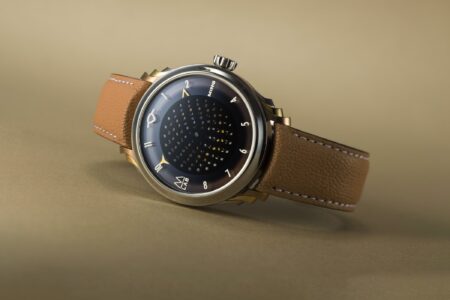
This year’s participants include Babin, Jonathan Brinbaum of Bvlgari, Patrick Pruniaux of Sowind Group, Niels Eggerding of Frederique Constant, Davide Cerrato of Bremont Watches and Praneeth Raj Singh of Horologer Ming.
The format works because it puts senior executives into conversations that move across watchmaking, business and culture rather than staying fixed on product announcements.
Symposiums moderated by Tracey Llewellyn and Constant Kwong will add another layer of industry discussion, while the Fondation de la Haute Horlogerie is organising a brunch quiz for visitors who prefer their horological knowledge with a little competition.
The themed exhibition “Air, Earth, Fire, Water, 4 Elements in Time” will gather more than 130 watches from participating brands in a guided showcase.
That exhibition should be one of the cleaner ways to read the breadth of the event, particularly for visitors who want context rather than a simple tour of brand booths.
The City of Geneva and Geneva Tourism are also supporting the 2026 edition, reinforcing the fair’s positioning as something that belongs not only to the watch trade but to the city itself.
That civic dimension is important, because Geneva’s relationship with watchmaking is more than commercial.
It is a living heritage, and Geneva Watch Days is increasingly trying to present it in a language that feels open, current and public-facing.
The result is an event that should appeal to collectors searching for independent makers, families looking for an accessible entry point into watchmaking and enthusiasts who want to see where the industry is moving outside the usual formal settings.
Geneva Watch Days 2026 is not trying to be the biggest watch fair in the world, and that may be its strength.
Its value lies in scale with character, a public format with real industry depth, and a willingness to let the next generation touch the machinery rather than merely admire it from behind glass.