
Ford’s return to the sharp end of endurance racing is beginning to feel more tangible.
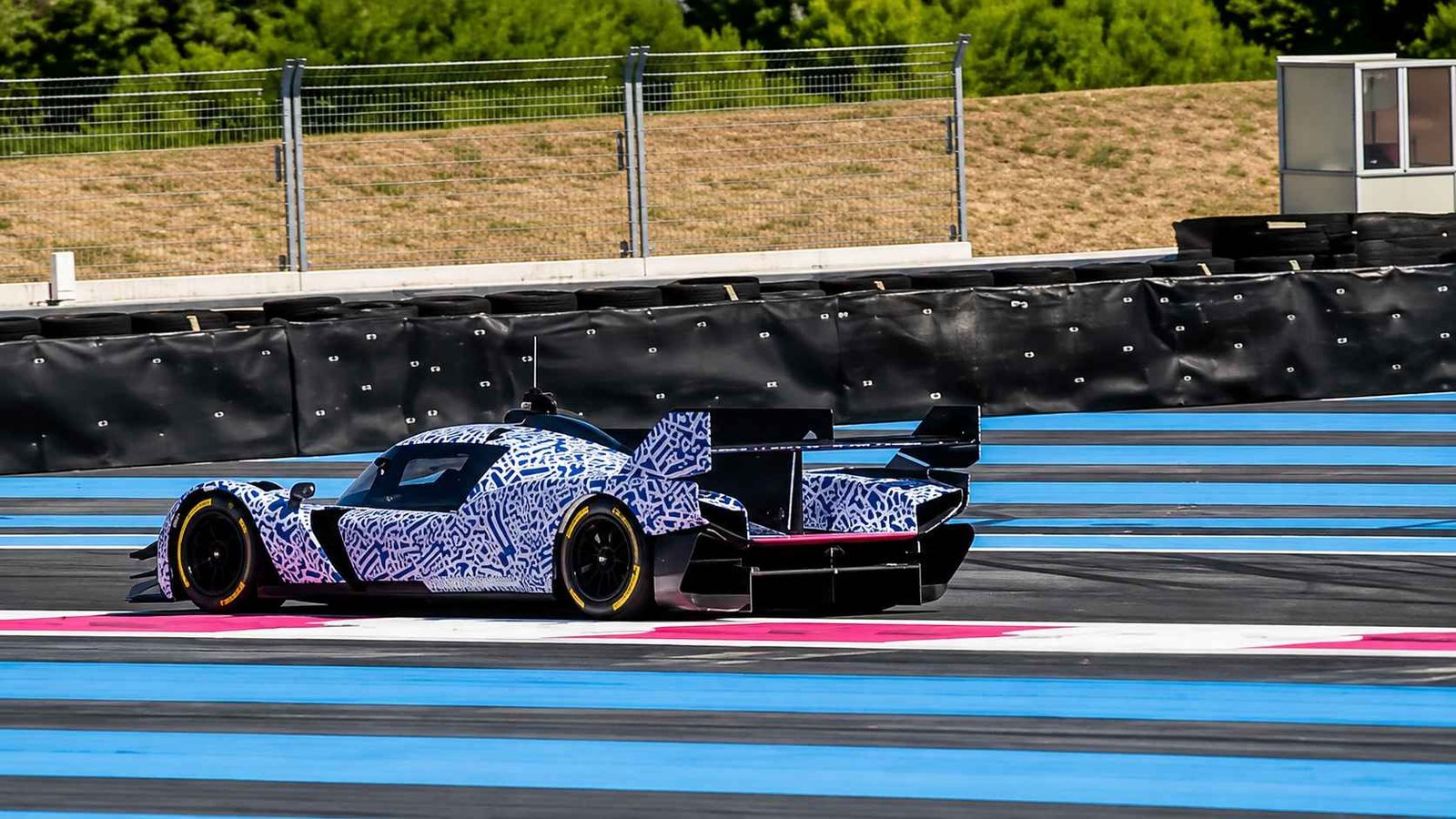
The brand’s Le Mans Hypercar has completed a major 1,000 km test at Circuit Paul Ricard in France, giving Ford Racing a valuable stretch of sustained running as it builds the car’s performance and reliability profile.
For a programme aimed at long-distance competition, that kind of mileage matters as much as outright speed.
At a glance
- Ford’s Le Mans Hypercar has completed 1,000 km of testing at Circuit Paul Ricard in France.
- Logan Sargeant, Matt Campbell, Tom Blomqvist and Mike Rockenfeller shared driving duties during the test.
- The development programme continues with simulator work in North Carolina and further track sessions across Europe and the United States.
A first serious endurance workout at Paul Ricard
Circuit Paul Ricard gave Ford Racing a controlled but demanding environment for the Hypercar’s first major track outing.
The 1,000 km run was less about a headline lap time and more about keeping the car circulating while the team gathered the sort of data that only comes from repeated stints.
Endurance prototypes live or die by consistency, drivability and durability over long distances.
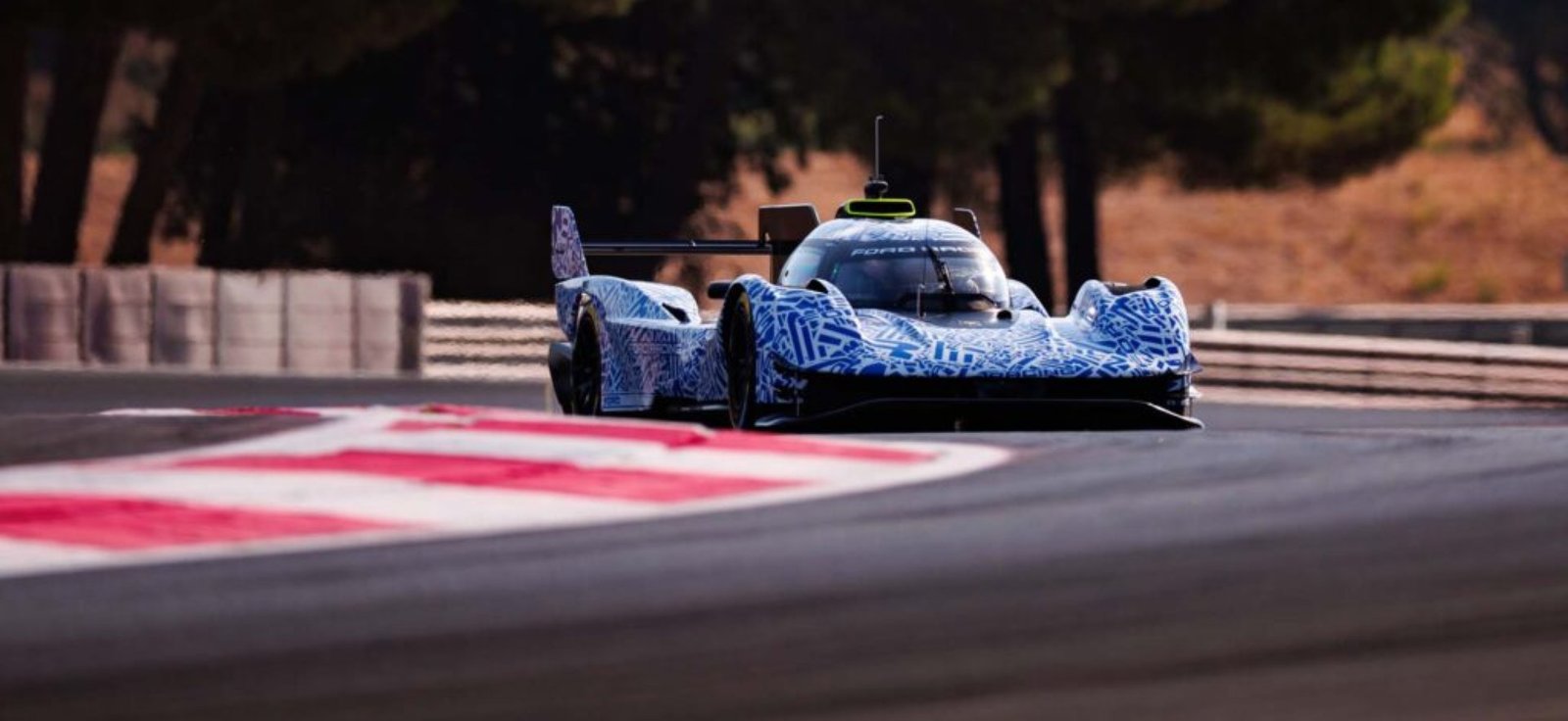
A test of this length lets engineers study how systems behave as temperatures, tyres, fuel loads and driver inputs change across a full day of running.
The driver group behind the data
Ford used an experienced and varied driver group for the Paul Ricard test.
Logan Sargeant, Matt Campbell, Tom Blomqvist and Mike Rockenfeller all spent time behind the wheel, giving the engineering team feedback from different racing backgrounds and driving styles.
That spread is useful at this stage of development, when the car still needs to be understood from several angles.
Support drivers Sebastian Priaulx and Nick Yelloly were also present, helping monitor the programme and collect information throughout the test.
For Ford, the value sits not just in the mileage but in the quality of the feedback loop between car, driver and engineering crew.
A development route across three continents
The Paul Ricard milestone is only the start of a much broader test plan.
Ford’s next step is a three-day simulator session at its technical centre in North Carolina, where the team can work through setup direction and systems development before returning to live running.
The car is then due to test at Portimao in Portugal in September.
Further European sessions are planned for Silverstone, Monza, Imola and Aragon, giving the team a mix of fast, technical and physically demanding circuits.
The final phase of the current programme will move back to the United States, with Circuit of the Americas and Sebring on the schedule.
Sebring is a particularly useful venue for endurance machinery because its surface and rhythm are notoriously unforgiving.

Details & Specifications
| Brand | Ford |
|---|---|
| Model | Le Mans Hypercar |
| Testing milestone | 1,000 km, or 621 miles |
| First major test venue | Circuit Paul Ricard, France |
| Test drivers | Logan Sargeant, Matt Campbell, Tom Blomqvist and Mike Rockenfeller |
| Support drivers present | Sebastian Priaulx and Nick Yelloly |
| Next simulator work | Ford technical centre in North Carolina |
| Planned track testing | Portimao, Silverstone, Monza, Imola, Aragon, Circuit of the Americas and Sebring |
Ford’s Hypercar project is still in the hard miles phase, where progress is measured in clean laps, stable data and problems found early.
Completing 1,000 km at Paul Ricard gives the programme a meaningful foundation, and the coming tests should reveal how quickly Ford can turn that foundation into a race-ready endurance contender.