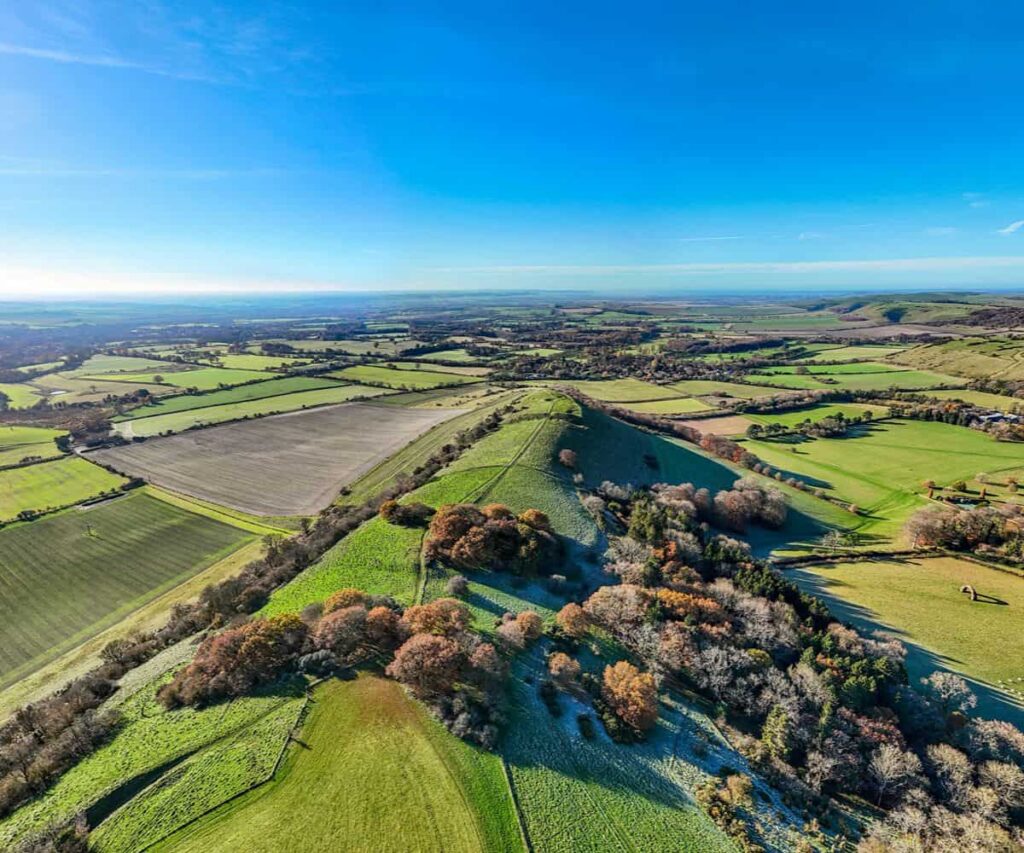
Wiltshire is too often treated as a place to pass through, somewhere between Bath, the Cotswolds and the West Country.
That undersells one of England’s most layered counties, where prehistoric monuments, grand estates, chalk landscapes and film-set villages sit within easy reach of one another.
A day trip can tick off a landmark, but Wiltshire works best when you give it time to unfold.
At a glance
- Wiltshire rewards a longer stay with Stonehenge, Longleat, Stourhead, historic villages and excellent countryside walks.
- The county’s appeal lies in its mix of ancient landscapes, Elizabethan architecture, landscaped gardens and quietly beautiful rural routes.
- It suits travellers building a slower English itinerary around Bath, the Cotswolds, the West Country or a dedicated countryside break.
Stonehenge feels different when you don’t rush it
Stonehenge is one of those places many people think they’ve already done, often years ago, quickly and in poor weather.
It deserves a second look.
The stone circle is part of a much wider prehistoric landscape, with sections of the site dating back close to 5,000 years.
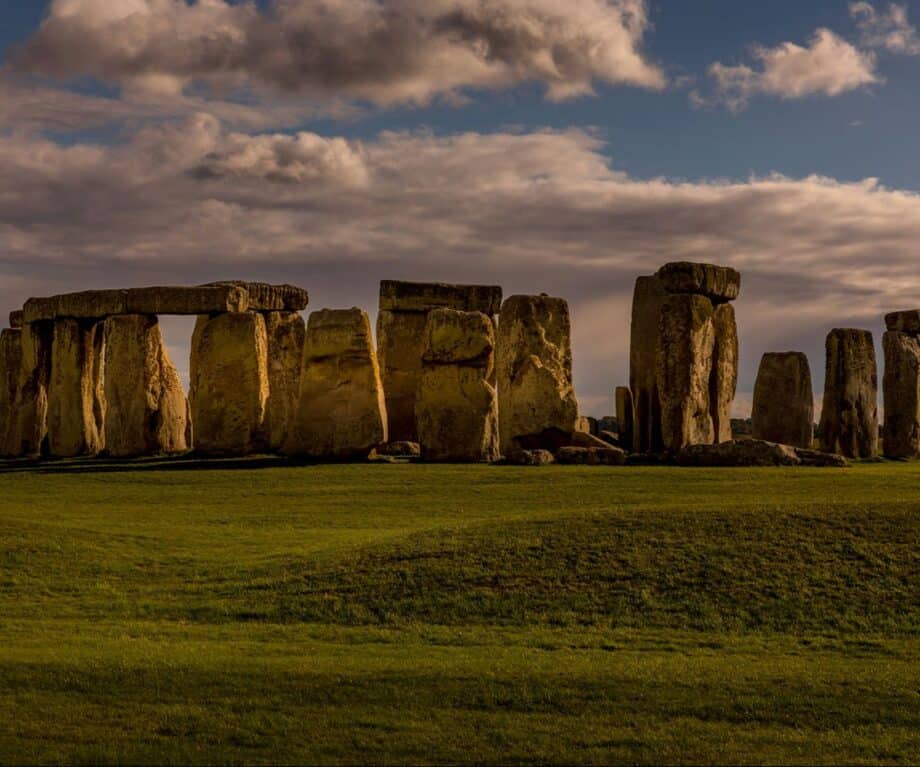
Its purpose still isn’t settled, and that uncertainty is part of its power when you’re standing on the open plain rather than seeing it as a quick roadside stop.
The English Heritage visitor centre gives the monument useful context without overwhelming the experience.
For travellers who want to go beyond the main ring of stones, the Stonehenge Explorer Tour takes small groups into the surrounding landscape, including Woodhenge and Durrington Walls.
Those nearby sites are less famous, but they help make clear that Stonehenge wasn’t an isolated marvel.
Longleat and Stourhead are full-day places
Wiltshire’s great estates are not background scenery.
Longleat alone can swallow a day, and trying to fit it into a spare morning misses the point.
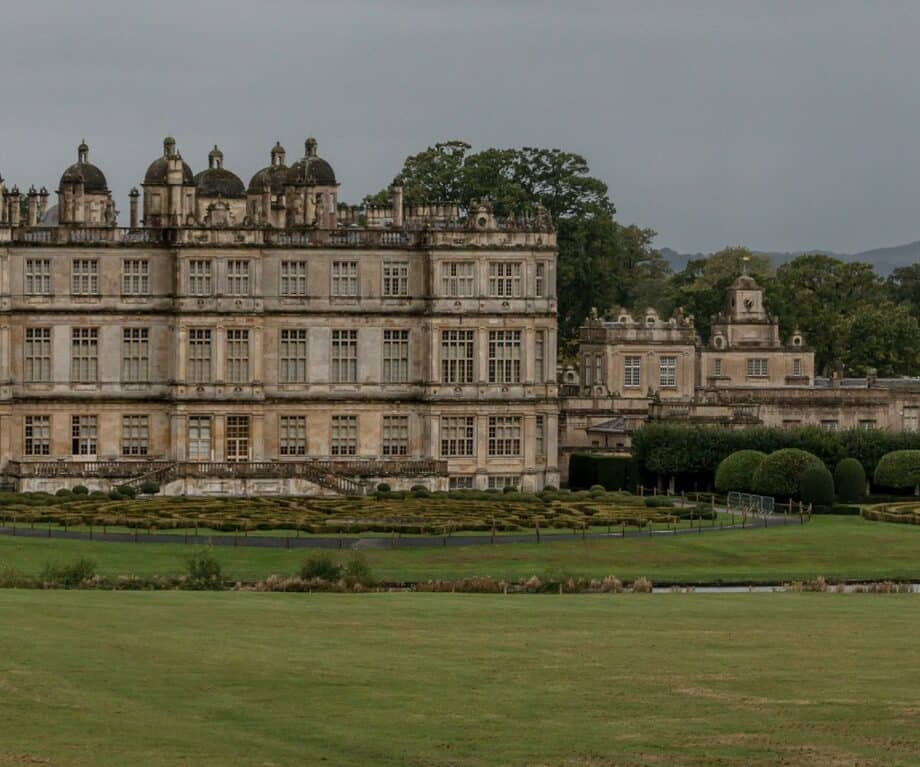
The house is among England’s great surviving examples of Elizabethan architecture, while the parkland carries the hand of Capability Brown across a landscape designed to be wandered rather than rushed.
Longleat also holds a distinct place in British visitor culture.
It was the first stately home in Britain to charge admission and later became the first to open a drive-through safari park, a pairing that still gives the estate an unusual breadth.
The property remains tied to the Thynn family, now under Ceawlin Thynn, the 8th Marquess of Bath, with Emma Thynn bringing a more contemporary public profile to a deeply historic house.
Stourhead offers a different kind of drama.
Its Palladian house is worth stepping inside for the Regency library, Chippendale furniture and portrait collection, but the garden is the true set piece.
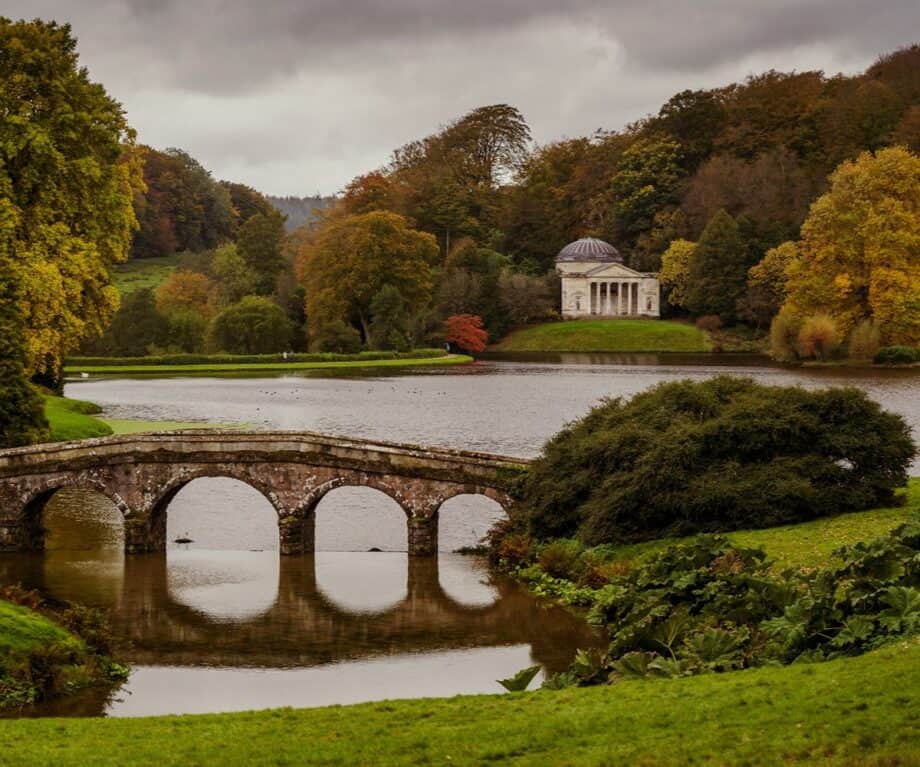
The lake walk was designed as a sequence of carefully framed views, with temples, grottoes and water appearing with almost theatrical timing.
It’s a place that rewards lingering, especially when the light changes across the water and the architecture begins to feel less like decoration and more like choreography.
The walking is better than Wiltshire gets credit for
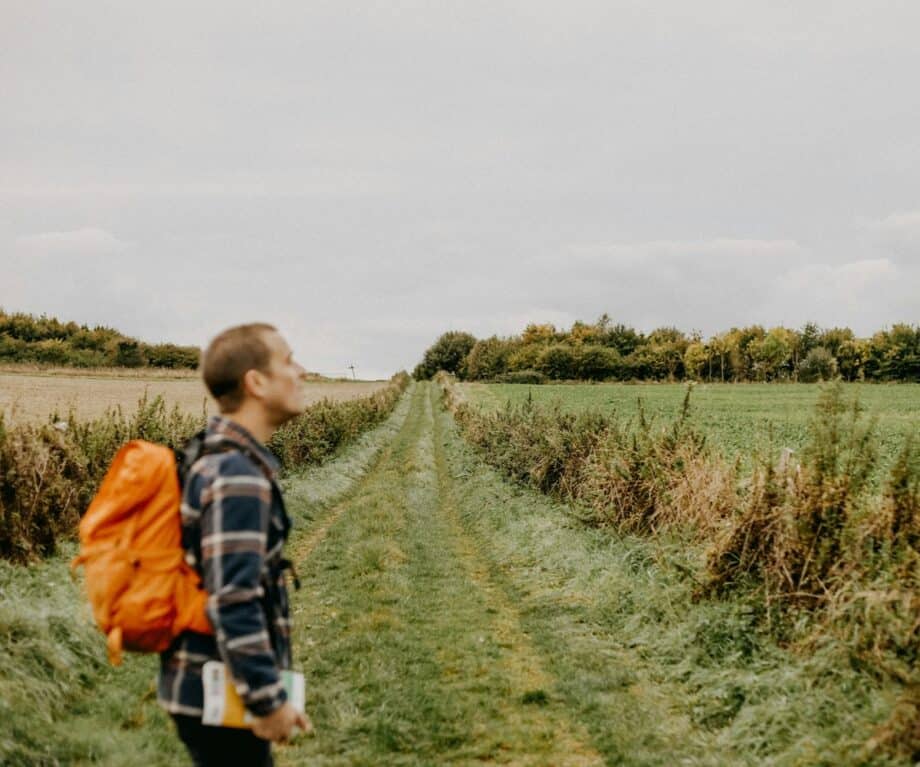
Wiltshire rarely gets talked about as a walking county, which is odd given how well suited it is to slow travel on foot.
The Wessex Ridgeway and the Avon Valley Path cut through open farmland, valleys and quiet stretches that can feel surprisingly empty even in high season.
For something gentler, the Kennet & Avon Canal offers the sort of easy walking that works without a plan, with pubs and tea rooms appearing at useful intervals.
Bratton Hill brings a little more effort and a broader view, with sightlines across the Westbury White Horse and the remains of an Iron Age fort.
Near Malmesbury, a loop along the River Avon takes in St Aldhelm’s Mead and Abbey House Gardens, both rewarding stops that are easy to miss if you stay on the main road.
This is the pleasure of Wiltshire on foot.
It doesn’t announce itself as dramatically as some better-known walking regions, but it quietly gives you the space to pay attention.
Castle Combe and Lacock show two sides of village life
Wiltshire’s villages are not all doing the same thing.
Castle Combe is the polished postcard, all golden stone, quiet lanes and an almost implausible absence of modern clutter.
It’s easy to see why film crews have been drawn there, but the village still works best at walking pace, especially outside the busiest hours.
Lacock has a different pull.
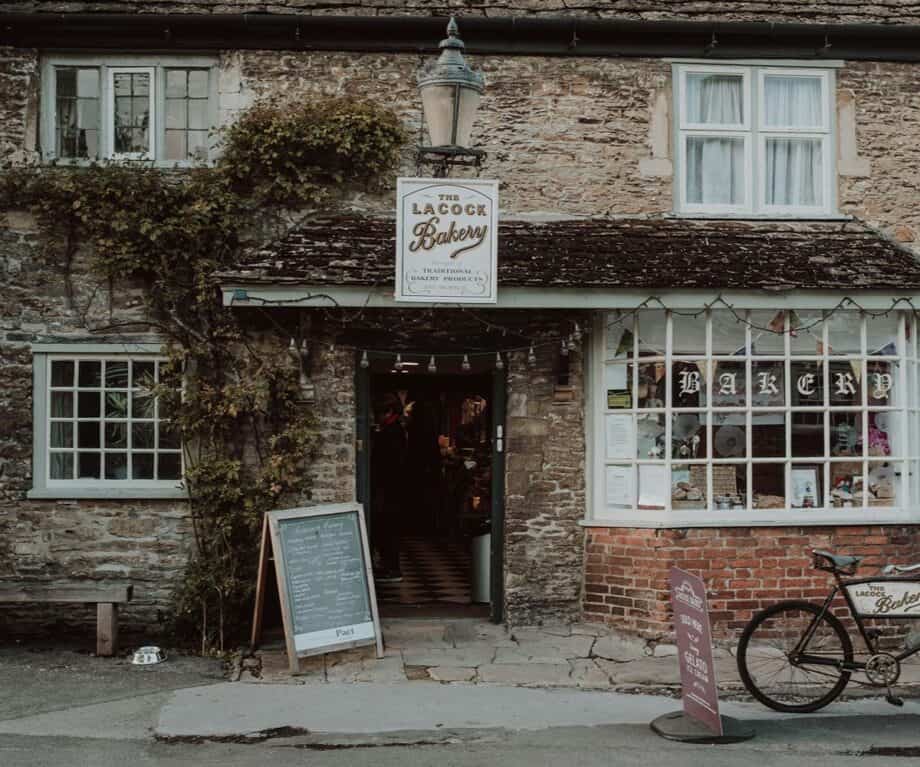
It feels less staged and more lived-in, with streets that have changed little over the decades and an abbey that anchors the village in deeper history.
The Fox Talbot Museum adds another layer, marking Lacock’s central role in the birth of photography.
Together, Castle Combe and Lacock make the case for giving Wiltshire an afternoon with no fixed agenda.
One is strikingly pretty, the other quietly fascinating, and both are diminished if treated as quick photo stops.
A county that works as part of a bigger journey
Wiltshire’s location is one of its strengths.
It can sit naturally within a wider route through Bath, the Cotswolds or the West Country, but it also has enough substance to carry a trip of its own.
The county’s rhythm is softer than its neighbours, and that’s part of the appeal.
You can move from a Neolithic monument to a grand Elizabethan house, from a designed garden to a canal path, and from a famous village to a genuinely historic one without feeling as though you’re forcing the itinerary.
For travellers who like England at its most textured rather than its most obvious, Wiltshire is a strong argument for slowing down.
It isn’t just a convenient stop between better-known places, it’s the kind of county that becomes more interesting the longer you stay.