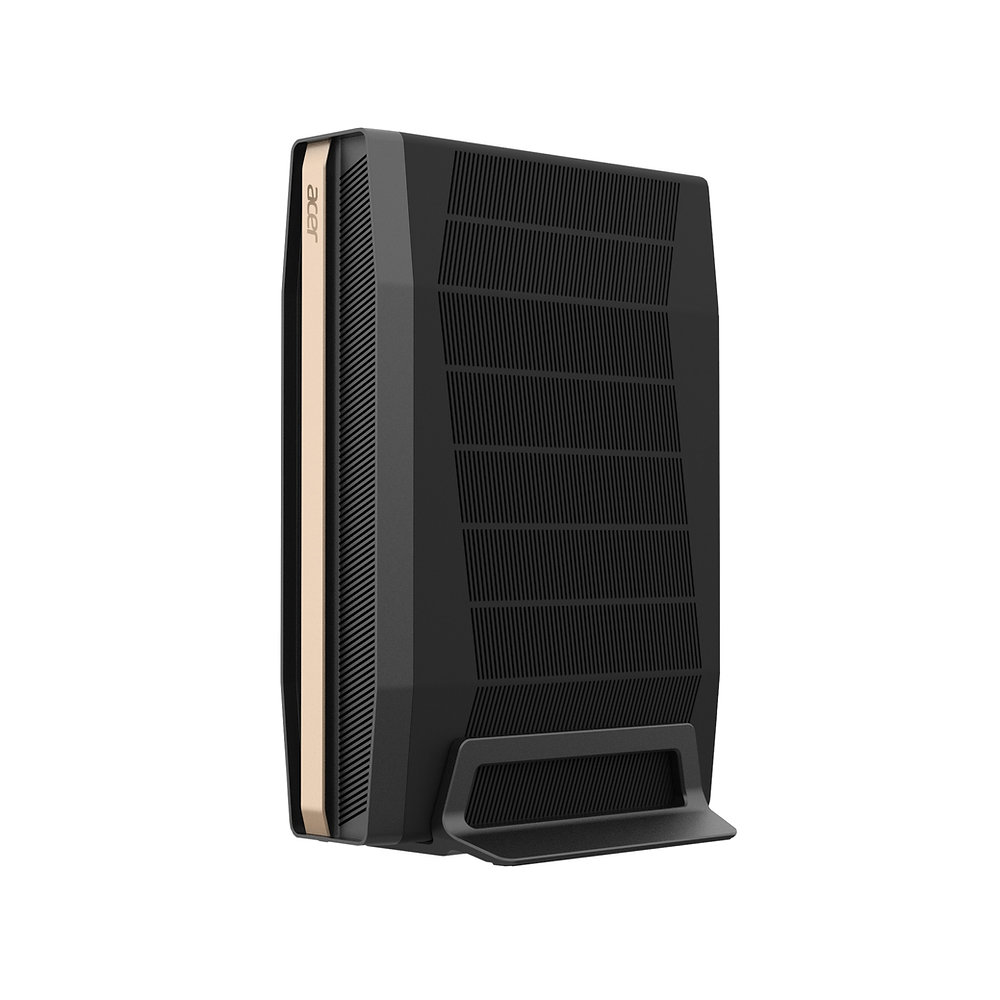
Acer is putting serious AI muscle into a smaller desktop shape with the Acer SFF RTX Spark, a compact PC design shown during IFA 2026.
Built around the NVIDIA RTX Spark superchip, the system points to a new class of Windows desktop meant to run advanced AI workloads locally rather than leaning entirely on the cloud.
For creators, developers and gamers, the pitch is straightforward: workstation-style AI performance in a footprint designed for a desk, studio or home setup.
At a glance
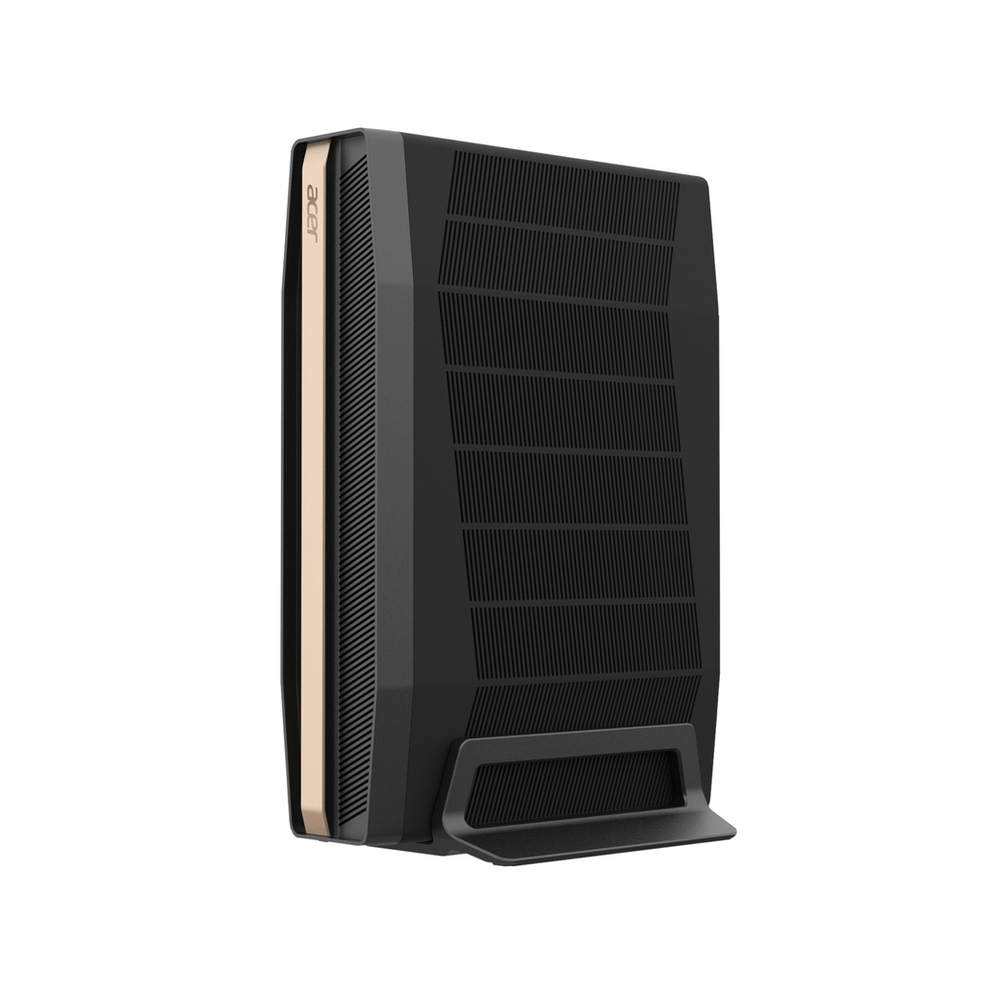
- Acer showcased the SFF RTX Spark compact desktop design at its next@Acer global press conference during IFA 2026.
- The design uses the NVIDIA RTX Spark superchip and targets up to 1 petaflop of AI performance with up to 128 GB of high-speed unified memory.
- Acer plans to announce availability for RTX Spark devices at a later date.
A compact desktop for local agentic AI
The Acer SFF RTX Spark is designed for agentic AI workloads running on the machine itself.
That local approach matters because it combines speed, responsiveness and a stronger measure of data privacy for users working with sensitive projects or proprietary models.
Acer is positioning the small-form-factor design as a way to bring high-end AI compute closer to everyday creative and development environments.

Up to 1 petaflop of AI performance is the headline figure, but the supporting memory architecture is just as important for demanding AI tasks.
With up to 128 GB of high-speed unified memory, the system is being aimed at workloads that need fast access to large pools of data.
NVIDIA RTX Spark pushes the PC beyond traditional workflows
NVIDIA RTX Spark is pitched as a platform for the next wave of Windows PC experiences, spanning personal AI agents, advanced content creation and high-performance gaming.
That breadth is the point.
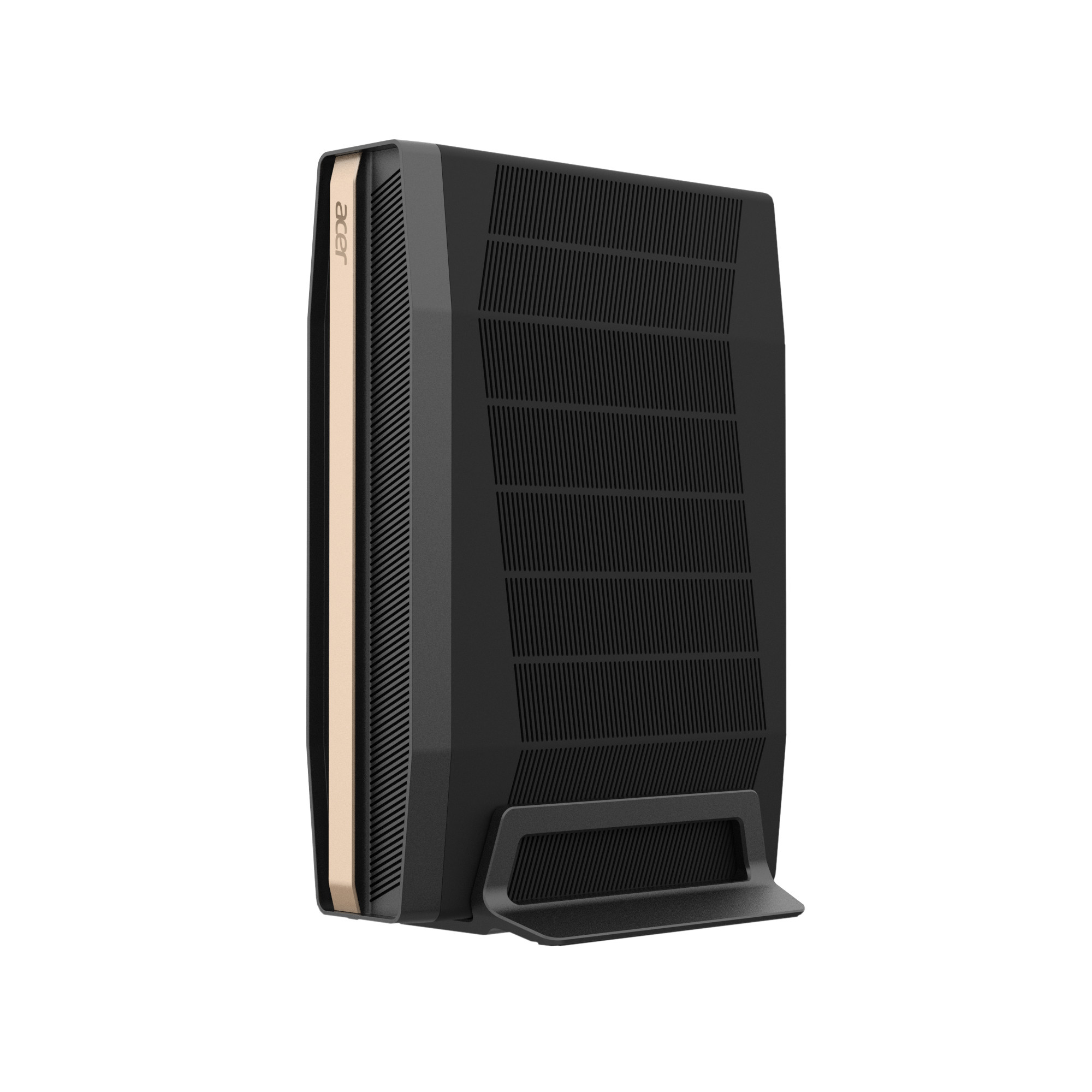
Rather than treating AI acceleration as a niche feature, RTX Spark brings NVIDIA’s full-stack AI platform together with the company’s RTX technologies in a compact desktop format.
For creators, that could mean more demanding generative tools and accelerated production workflows running locally.
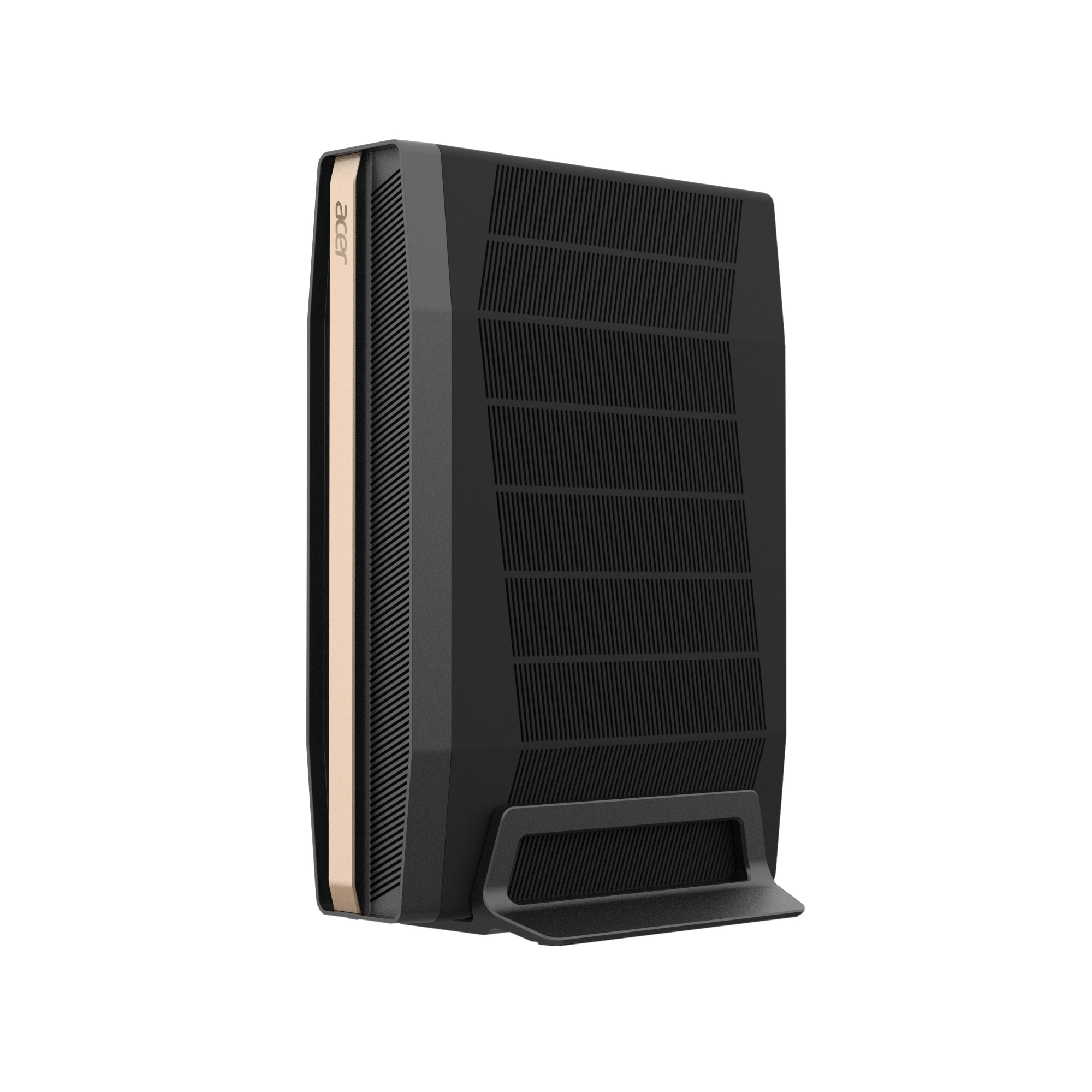
For AI developers, the appeal is a desktop platform with substantial compute and memory headroom without moving every experiment off-device.
For gamers, RTX remains tied to the visual and performance technologies that have already shaped the modern PC gaming landscape.
Details & Specifications
| Brand | Acer |
|---|---|
| Design | Acer SFF RTX Spark |
| Product type | Compact desktop PC design |
| Core platform | NVIDIA RTX Spark superchip |
| AI performance | Up to 1 petaflop |
| Memory | Up to 128 GB high-speed unified memory |
| Target uses | Local agentic AI, content creation, AI development and high-performance gaming |
| Showcase event | next@Acer global press conference during IFA 2026 |
| Availability | To be announced |
Who Acer is aiming this machine at
The SFF RTX Spark design speaks most directly to users who want more local control over AI-heavy work.
That includes independent creators, small studios, researchers, AI builders and power users who need compact hardware without stepping down into lightweight performance territory.
It also reflects a broader shift in personal computing, where the desktop is becoming less about simple productivity and more about running complex assistants, creative tools and accelerated applications on-device.
Acer hasn’t announced pricing or a launch window yet, so the practical question is how this design will be configured when RTX Spark devices arrive.
What’s clear for now is that compact desktops are being pulled into the AI workstation conversation, and Acer’s SFF RTX Spark is an early look at how powerful that category could become.