Ferrari appears to be working on one of the more intriguing answers to a problem modern performance cars haven’t fully solved.
How do you bring back the drama and choice of a manual gearbox when the car itself is built around an automatic transmission?
A recent patent filing shows an electronic H-pattern shifter that pairs an old-school gate with shift-by-wire control, and its timing lines up neatly with Ferrari’s confirmed special-model debut on July 4.
At a glance
- Ferrari has patented an electronic H-pattern shifter designed for use with an automatic transmission.
- The system uses a traditional-looking manual gate, but gear selection is sent electronically rather than through a mechanical linkage.
- A special Ferrari model is due on July 4, with expectations pointing to a 12Cilindri variant rumoured to be called 12Cilindri MM.
A manual gate without the mechanical linkage
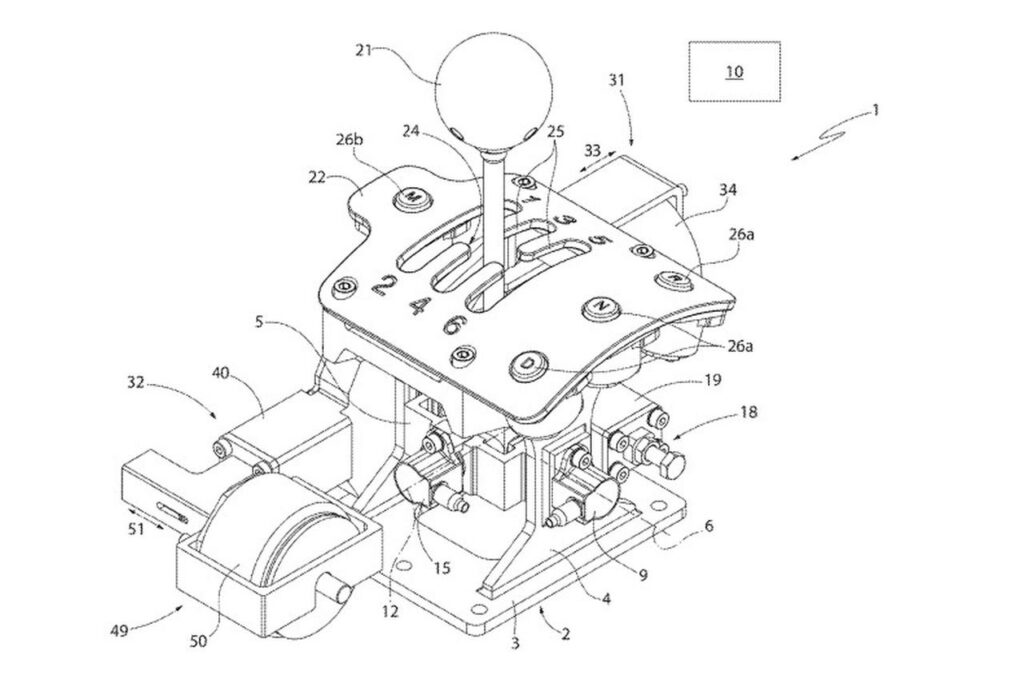
The patent drawings show a control tower with a classic H-pattern layout, the kind of visual and tactile cue usually associated with a traditional manual gearbox.
The important difference is what happens underneath.
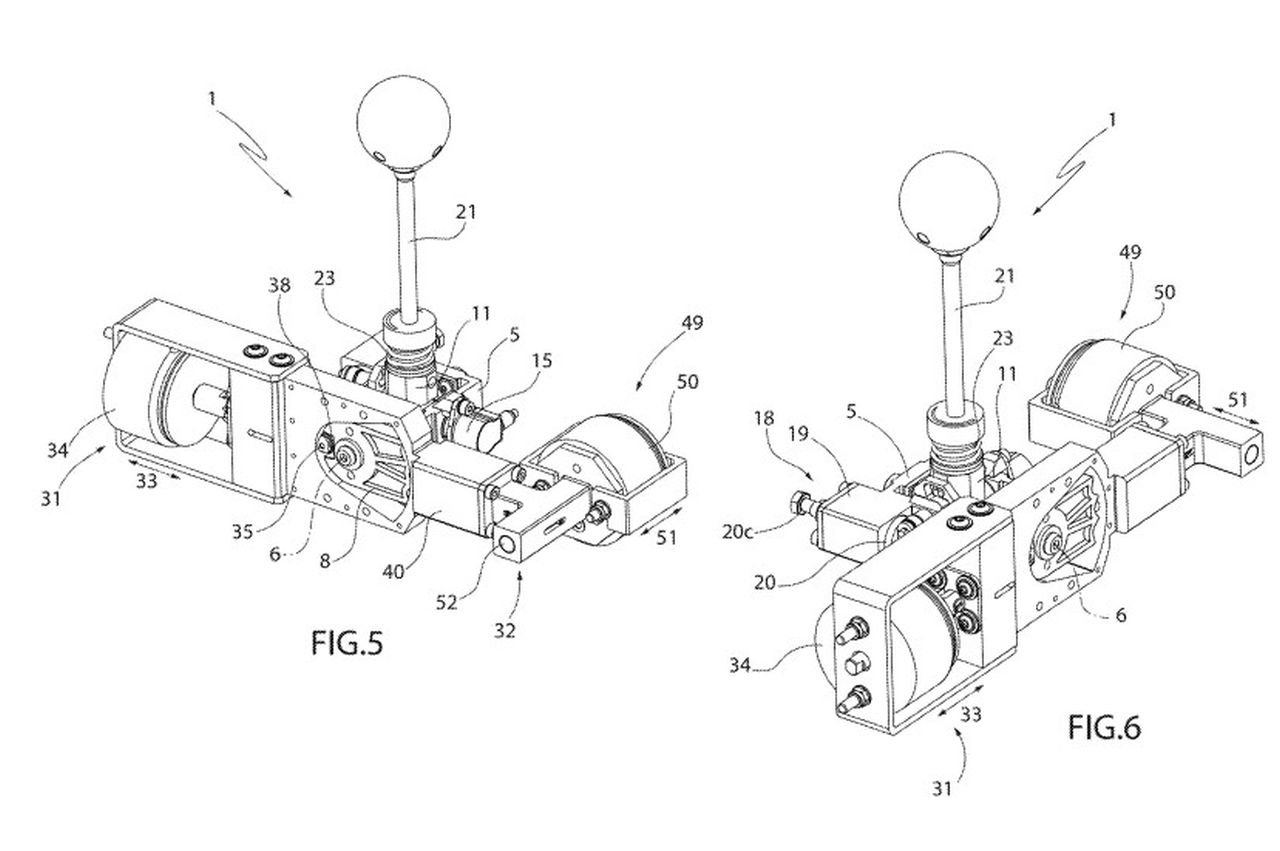
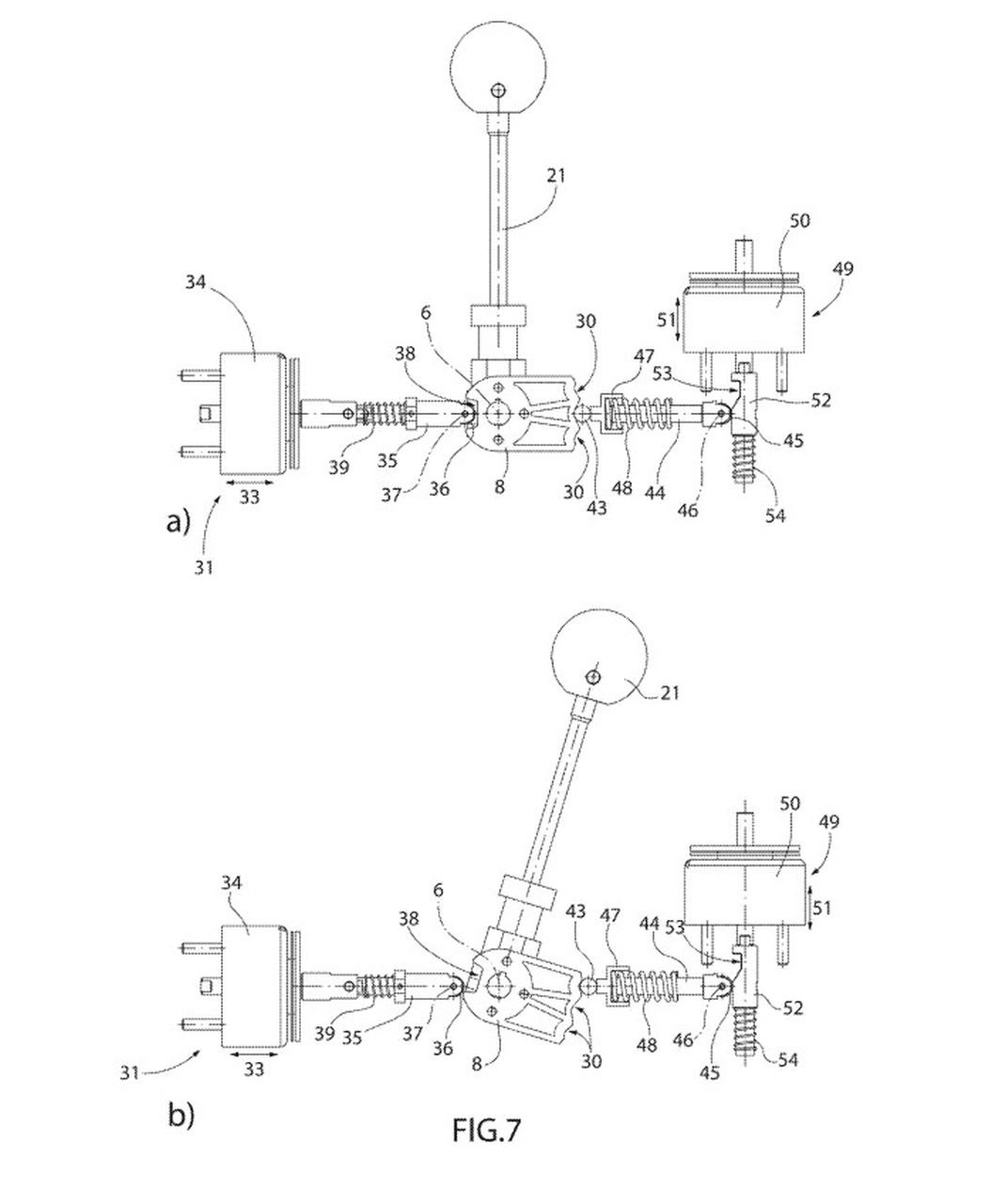
Rather than moving a physical linkage into a gearbox, the lever appears to trigger an electronic signal that tells the transmission which ratio the driver has selected.
The setup also includes drive selection buttons more familiar from an automatic Ferrari, which suggests the system is intended to blend conventional automatic operation with a dedicated manual-style mode.
That combination is significant because most automatic transmissions in manual mode operate sequentially.
You pull for the next gear up or down, but you don’t choose third from fifth through a physical gate in the way a manual driver would.
Ferrari’s filing points to a control method designed to get around that limitation, letting the driver select different ratios through the H-pattern depending on the situation.
The 12Cilindri connection
Ferrari’s CEO has confirmed that a special model will debut on July 4, following comments made during a dealer conference in Las Vegas.
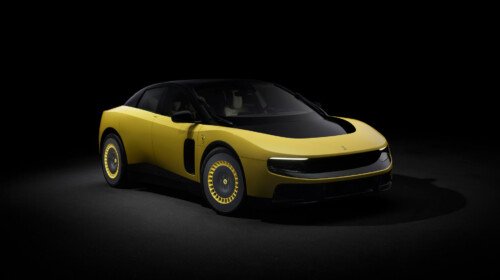
The car is expected to be a 12Cilindri variant, and the 12Cilindri MM name has been rumoured.
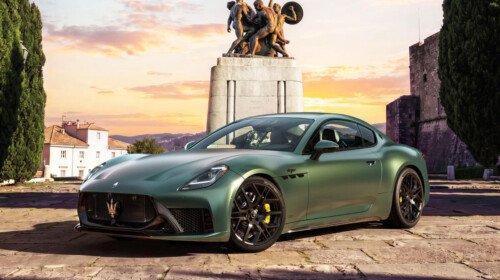
Nothing in the patent filing publicly locks the system to that model, but the overlap is hard to ignore.
The 12Cilindri is already Ferrari’s front-engined V12 statement car, which makes it a natural canvas for a more emotional, driver-led transmission interface.
For a brand that has moved decisively into dual-clutch automatics, a manual-style selector would be less about nostalgia for its own sake and more about giving drivers a different relationship with gear choice.

The clutch pedal question remains open
The biggest unanswered point is whether Ferrari’s system uses a third pedal.
Koenigsegg’s Engage Shift System pairs a manual-style shifter with a clutch pedal, giving the driver a more complete simulation of traditional manual operation while still relying on advanced transmission control.
Ferrari’s patent material confirms the H-pattern electronic selector and automatic-transmission pairing, but it doesn’t clarify whether clutch-pedal operation is part of the package.

That detail will matter to purists.
A gated electronic selector alone would add involvement and freedom of gear choice, while a clutch pedal would move the experience closer to a full manual-style ritual.
Details & Specifications
| Brand | Ferrari |
|---|---|
| System type | Electronic H-pattern shift-by-wire selector |
| Transmission pairing | Automatic transmission |
| Control layout | Manual-style H-pattern lever with automatic-style drive selection buttons |
| Gear selection | Electronic signal rather than mechanical linkage |
| Intended function | Manual-mode selection of different gear ratios through an H-pattern gate |
| Possible model link | Special Ferrari model debuting July 4, expected to be a 12Cilindri variant |
| Clutch pedal | Not confirmed |
For Ferrari, the appeal of this idea is obvious.
It preserves the speed and packaging advantages of an automatic gearbox while reintroducing a layer of deliberate driver input that has largely disappeared from modern supercars.
If the July 4 car does bring this system to production, it won’t simply be a throwback detail.
It could be Ferrari’s clearest attempt yet to redefine what a manual experience can mean in the electronic age.