Ferrari’s top-flight endurance racer is already changing shape for its next chapter.
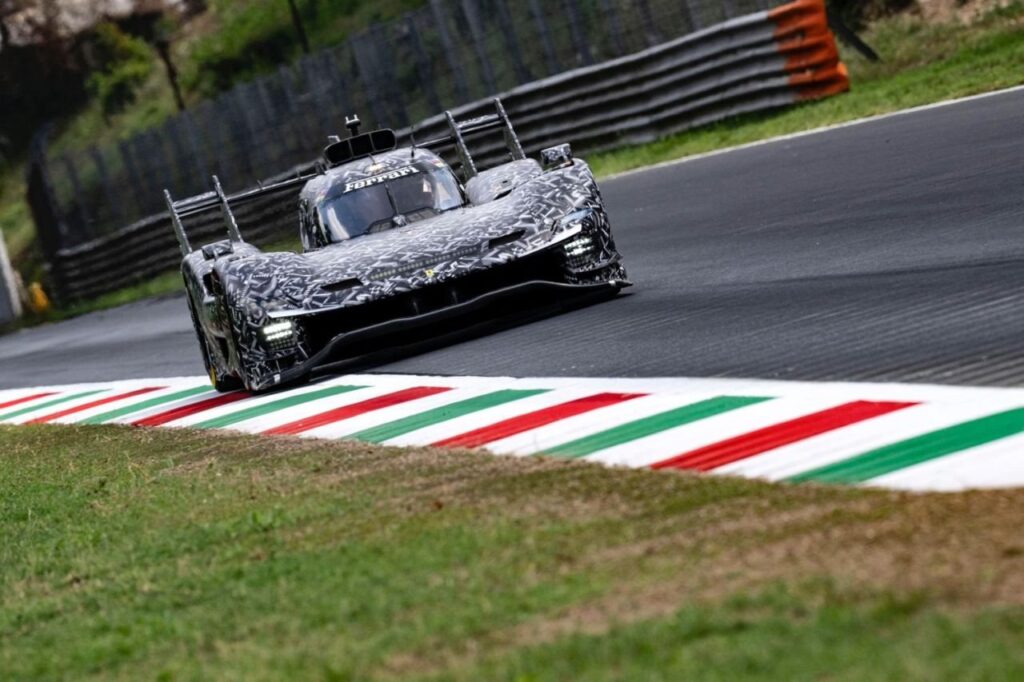
An updated 499P Evo has been seen testing at Monza, giving the first clear look at how Maranello is refining its Le Mans Hypercar before Ford returns to the sharp end of endurance racing.
The timing matters because the 2027 Le Mans 24 Hours is shaping up to be more than another factory contest. It has the makings of a renewed Ferrari-versus-Ford storyline, this time fought with hybrid prototypes rather than GT cars.
At a glance
- Ferrari has begun track testing an evolved 499P Le Mans Hypercar at Monza.
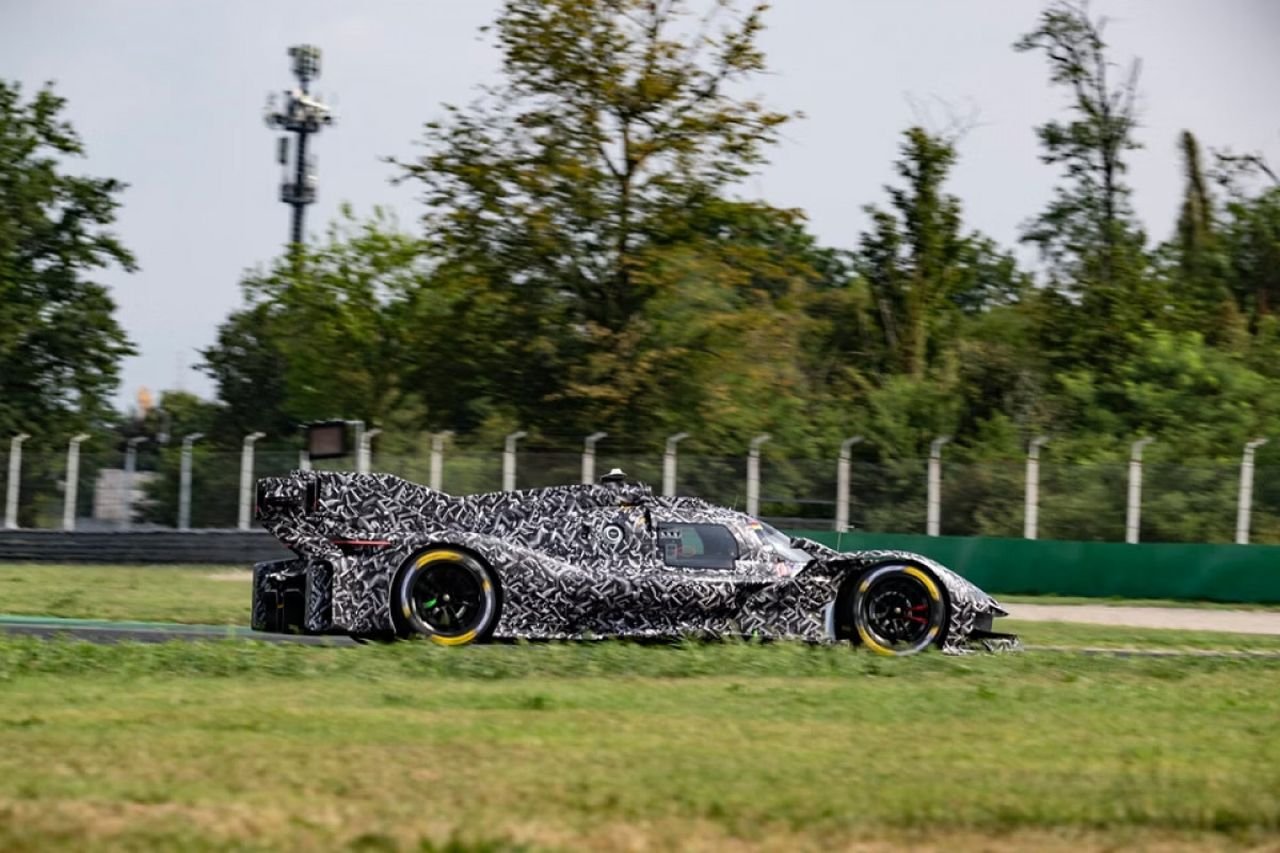
- The prototype shows revised bodywork, including a new front treatment, reworked rear wing and a changed diffuser layout.
- Ford is preparing a top-class endurance return with an LMDh car using an Oreca chassis and hybrid-assisted 5.4-litre V8.
Monza testing puts the 499P Evo into view
The updated Ferrari 499P was spotted running at Monza with Antonio Fuoco, Antonio Giovinazzi, Alessandro Pier Guidi and Miguel Molina sharing driving duties.
That driver roster suggests this was more than a casual systems check.
Monza is a useful proving ground for an endurance prototype because its long straights, heavy braking zones and high-speed aero demands quickly expose whether a new package is moving in the right direction.

Ferrari hasn’t revealed formal performance targets for the evolved car, but the visible changes point to a substantial aerodynamic revision rather than a simple detail update.
Aero changes across the bodywork
The most immediate changes appear at the nose, where the 499P Evo features a new pair of nostril-style openings and a revised front splitter.
Those changes suggest Ferrari has been working on airflow management around the front axle and underbody, two areas that are critical in the tightly balanced world of modern endurance prototypes.

The rear of the car has also been altered.
The rear wing now uses double vertical vanes at its outer edges, while the LED light previously seen in that area has been removed.
The diffuser is another major visual departure from the current 499P.
Where the existing car uses an inverted U-shaped design with a central spine, the updated version shows two separate U-shaped channels.
For a Le Mans Hypercar, those details are more than cosmetic. Small changes in how air is guided beneath and around the car can shape stability, tyre usage and efficiency over a 24-hour race distance.
Ford’s return raises the stakes
Ferrari’s development push comes as Ford prepares to rejoin the top category of endurance racing in the LMDh class.

Ford’s new contender is set to use an Oreca chassis and a 5.4-litre V8 engine paired with a hybrid system.
That places Ford on a different rules platform from Ferrari’s Le Mans Hypercar, but both routes compete for the same overall prizes in modern endurance racing.
The contrast should be compelling.
Ferrari is refining an in-house LMH racer that has already become the face of its modern prototype programme, while Ford is arriving with the LMDh formula that combines a prescribed chassis base with manufacturer-specific engine and styling work.
For race fans, the headline is obvious. Ferrari and Ford are moving toward the same stage again, with Le Mans as the natural centre of gravity.
Details & Specifications
| Brand | Ferrari |
|---|---|
| Model | 499P Evo |
| Category | Le Mans Hypercar |
| Testing location | Monza |
| Drivers seen testing | Antonio Fuoco, Antonio Giovinazzi, Alessandro Pier Guidi, Miguel Molina |
| Visible front changes | New nostril openings and reworked splitter |
| Visible rear changes | Reworked rear wing with double vertical vanes and revised diffuser |
| Ford rival platform | LMDh car with Oreca chassis |
| Ford powertrain | 5.4-litre V8 with hybrid system |
The 499P Evo’s early running shows Ferrari is treating the next phase of endurance racing with serious intent.
With visible aerodynamic development already on track and Ford’s factory return approaching, the build-up to Le Mans has gained a sharper edge.