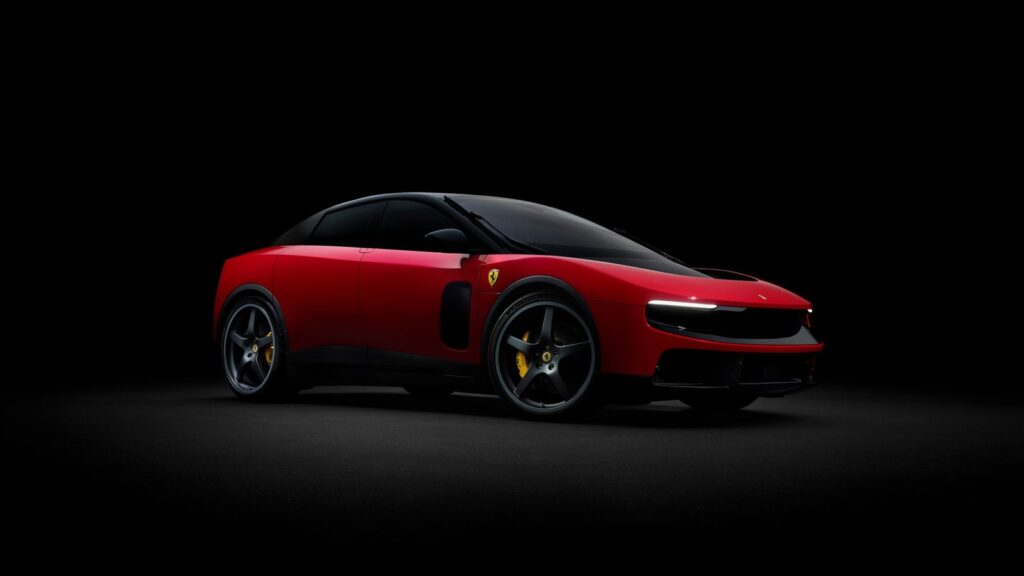
Ferrari’s electric future has arrived with more friction than celebration.
The Luce, the brand’s first EV, has become a flashpoint for customers, enthusiasts and investors who are still weighing what an electric Ferrari should be.
Now the company has made a major commercial leadership change at a moment when the conversation around the car is anything but settled.
At a glance
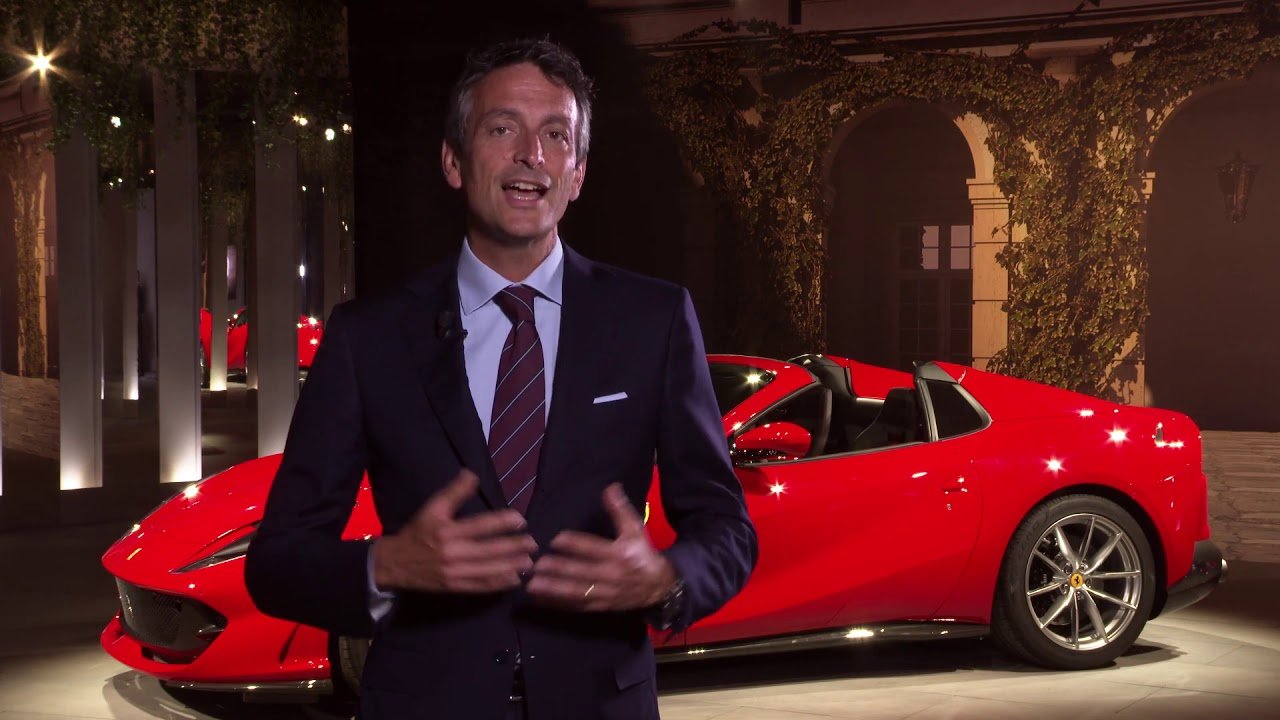
- Ferrari has replaced Chief Marketing and Commercial Officer Enrico Galliera following the turbulent debut of the Luce EV.
- The Luce is Ferrari’s first electric car and has drawn criticism from enthusiasts and loyal customers concerned about its fit with the brand’s identity.
- Massimiliano Di Silvestre, formerly head of BMW Italy, has been named as Galliera’s successor.
A commercial shake-up after 16 years
Enrico Galliera’s exit closes a 16-year chapter at Ferrari, where he held the role of Chief Marketing and Commercial Officer.
Ferrari has named Massimiliano Di Silvestre as his successor, bringing in an executive with experience at BMW Italy as the company enters a more complicated phase of electrification.
The company hasn’t said Galliera’s departure is connected to the Luce’s reception.
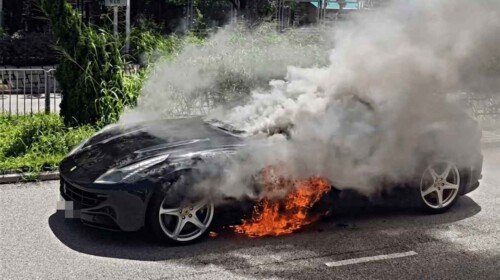
Even so, the timing makes the change difficult to separate from the wider pressure surrounding Ferrari’s first electric model.
The Luce puts Ferrari’s identity under pressure
The Luce was always going to be more than another product launch.
For Ferrari, an EV challenges a mythology built around combustion engines, sound, mechanical drama and a very specific sense of theatre.
That doesn’t mean an electric Ferrari can’t work, but the first one has to persuade an unusually demanding audience.
The early reaction suggests Ferrari has not yet won that argument with every part of its customer base.
Criticism has centred on the sense that the Luce moves away from the core character that has long defined the marque.
For a brand whose value depends as much on emotion as engineering, perception can become a commercial issue very quickly.
An awkward moment for performance EVs
The Luce has also arrived into a market that is less forgiving than it was a few years ago.
Performance EV demand has softened, and buyers who once seemed eager to embrace electric flagships are now more selective.
That makes Ferrari’s timing uncomfortable.
A company with Ferrari’s pricing power and brand equity can move against wider market trends, but it can’t ignore them entirely.
The reaction from investors underlined the sensitivity around the launch, with Ferrari’s stock falling 8% in a single day.
For a luxury performance brand, that kind of market move is not just about one car, but about confidence in the direction of the business.
What Di Silvestre inherits
Di Silvestre steps into one of the most delicate briefs in the automotive world.
Ferrari has to sell electrification without making its traditional customers feel as though the brand is leaving them behind.
That task is not simply about advertising the Luce more convincingly.
It’s about sharpening the story around why an electric Ferrari deserves to exist, what it adds to the company’s mythology, and how it can sit alongside the machines that built the brand’s reputation.
Ferrari has weathered scepticism before, but this is a different kind of test.
The Luce doesn’t just ask customers to accept a new model; it asks them to accept a new interpretation of Ferrari performance.
The leadership change gives Maranello a chance to reset the conversation, though it also confirms how much is now riding on getting that conversation right.
For Ferrari, the challenge ahead is clear: make the Luce feel less like a departure from the brand’s soul and more like a credible new expression of it.