The cabin is becoming the next frontier in automotive safety.
Under the European Union’s expanded General Safety Regulation, every new car sold across the bloc must now include an Advanced Driver Distraction Warning system.
For drivers, that means a car that doesn’t just watch the road ahead, but also checks whether you’re paying attention to it.
At a glance
- New cars sold in the European Union must now be fitted with Advanced Driver Distraction Warning technology.
- The system typically uses an infrared camera to monitor eye direction and facial movement once the car is travelling above 20 km/h.
- Regulators estimate the wider safety package could help save up to 25,000 lives by 2038, though privacy concerns remain part of the debate.
What the EU rule changes inside the cabin
The regulation makes driver-monitoring technology a standard part of new-car safety equipment, much like lane assistance, emergency braking and speed warning systems have become familiar parts of the modern dashboard.
Its purpose is straightforward enough.
If the driver looks away for too long, whether toward a phone, a passenger or the infotainment screen, the system is designed to bring attention back to the road.

That intervention can come through chimes, vibrations or escalating alerts, depending on the vehicle and how the manufacturer has calibrated the system.
For everyday cars, the idea is to reduce preventable crashes caused by distraction.
For performance cars, where speed and response times leave less margin for error, the argument for keeping the driver engaged is even sharper.

How driver attention is monitored
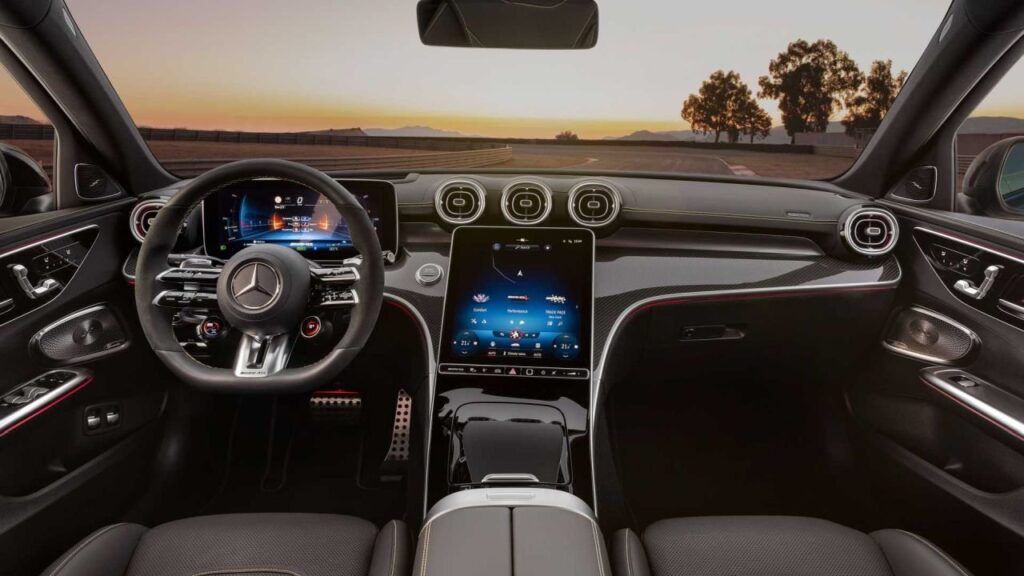
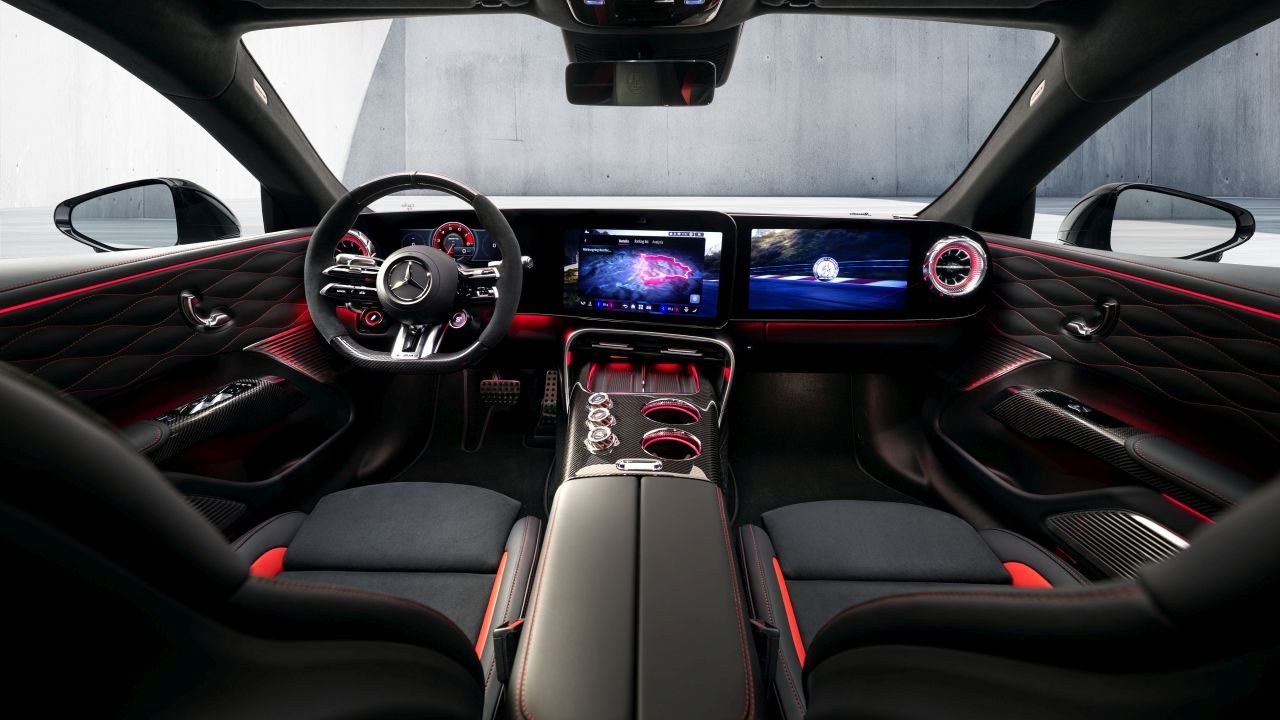
Most systems rely on an infrared camera mounted near the steering column or dashboard.
Once the vehicle exceeds 20 km/h, or around 12 mph, the camera tracks eye position and facial movement to judge whether the driver is looking at the road.
Infrared hardware allows the system to work in low light, which is important because distraction doesn’t conveniently limit itself to daytime driving.
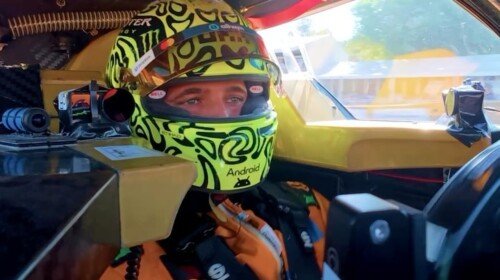
The technology isn’t meant to record a cinematic view of the cabin.
Its function is to interpret driver behaviour in real time, looking for signs that attention has drifted for longer than the rules allow.
The privacy question for performance car buyers
There’s an obvious tension here.

Safety systems have become increasingly proactive, but an inward-facing camera changes the emotional contract between driver and machine.
Driving has always had a private quality, especially in enthusiast cars where the cabin can feel like one of the few places left that’s fully under your control.
Manufacturers say the data is processed locally within the vehicle, rather than being sent elsewhere.
That distinction matters, but it may not settle the issue for everyone.
Recent years have made drivers more aware of how much information modern cars can collect, and trust will depend heavily on how clearly brands explain what is monitored, what is stored and what never leaves the vehicle.
Safety gains meet driver experience
The safety case is difficult to dismiss.
EU regulators estimate that the wider package of technology could help save as many as 25,000 lives by 2038.
Distraction is a real problem, and modern cars place more screens, menus and connected features within reach than ever before.
At the same time, the best systems will need to be accurate and discreet.
A driver-monitoring camera that repeatedly mistakes a quick mirror check or glance at the instrument display for inattention risks becoming an irritation rather than a safeguard.
This is where calibration will separate thoughtful engineering from box-ticking compliance.
Luxury and performance brands, in particular, will have to integrate the technology without making the cockpit feel scolding or intrusive.
The new rule marks a clear shift in what the car is expected to do.
It’s no longer enough for a vehicle to protect occupants during an accident or help avoid one from the outside.
Now it must also read the person behind the wheel, and that will shape the feel of every new car sold in Europe from here on.