Mechanical watchmaking has never been less necessary, which is exactly why it remains so revealing.
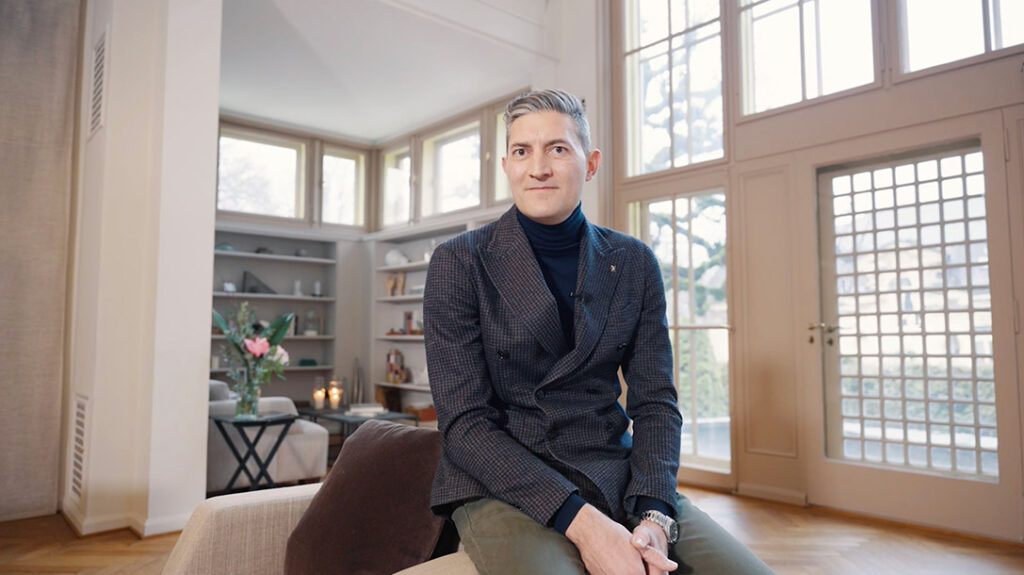
For EBEL CEO Flavio Pellegrini, the continued appeal of a mechanical watch isn’t a contest with digital precision, but a question of permanence, touch and personal meaning.
His view places EBEL’s modern direction firmly inside the house’s long-running conversation between elegance and craft.
At a glance
- EBEL CEO Flavio Pellegrini frames mechanical watchmaking as an emotional and enduring alternative to disposable technology.
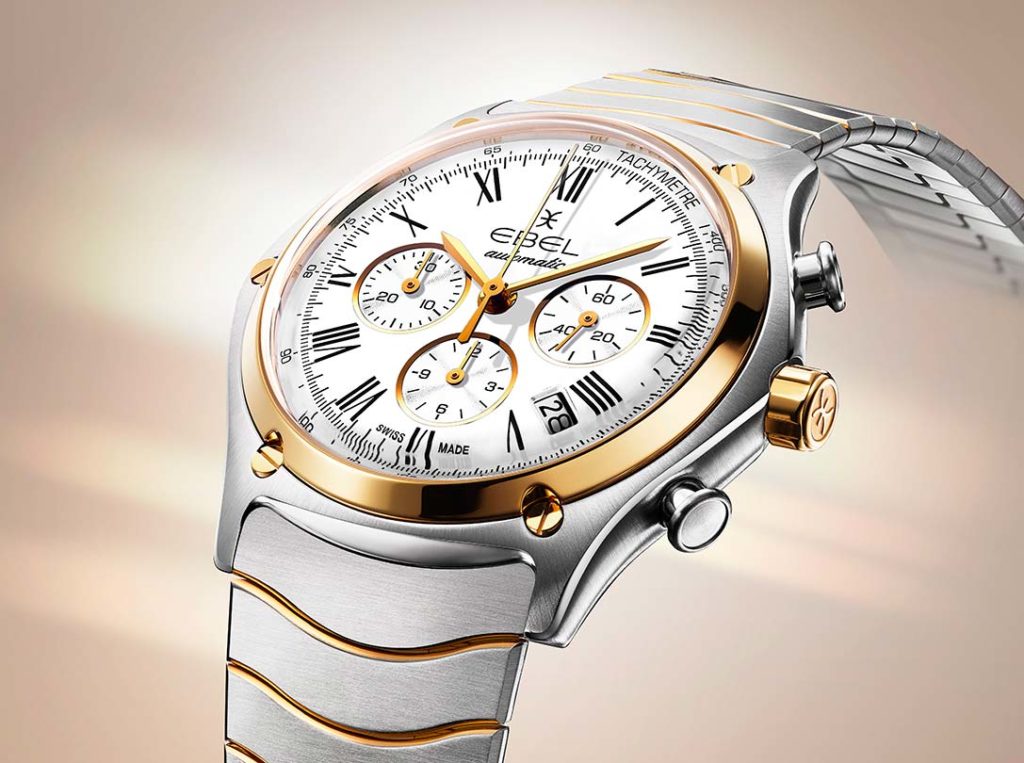
- The brand’s identity remains tied to elegance, craftsmanship, coherent design and the human hand behind the object.
- EBEL’s heritage, dating back to 1911, continues to shape its modern watches without turning vintage design into a constraint.
Mechanical watchmaking beyond obsolescence
Pellegrini sees the mechanical watch as an object that sits outside the usual rhythm of technological replacement.
It doesn’t need to outperform a phone or connected device in pure accuracy to justify its place on the wrist.
Its value lies elsewhere, in the ability to be repaired, kept, worn for decades and eventually passed on.
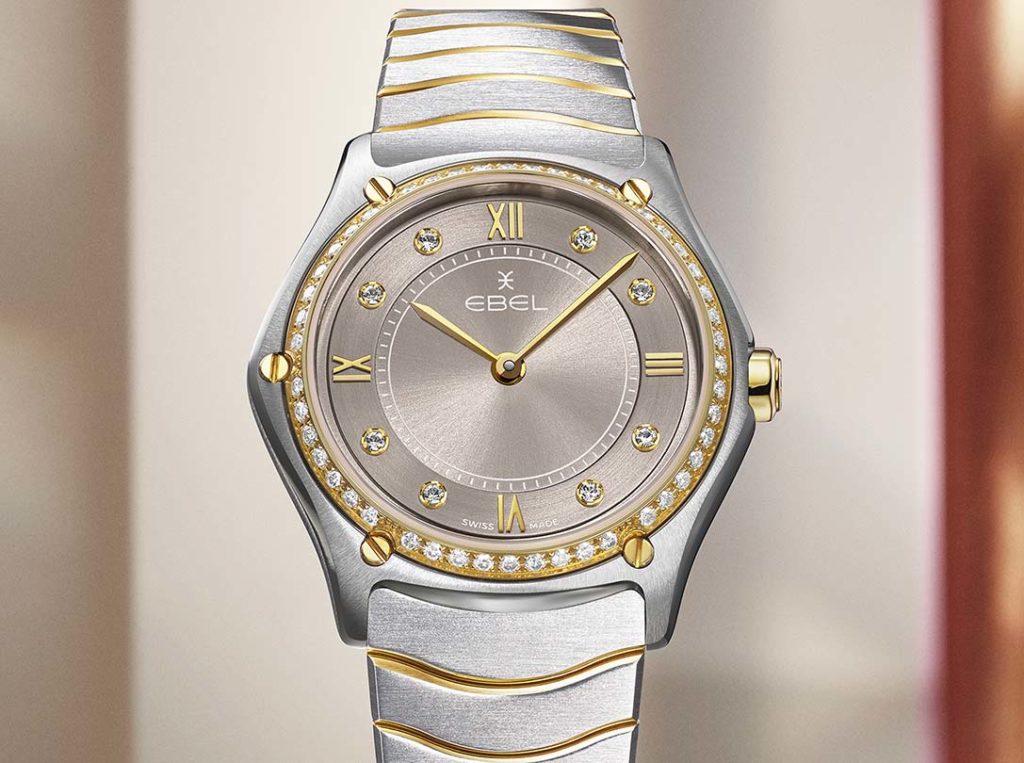
That sense of continuity is central to EBEL’s thinking.
A watch, in Pellegrini’s view, is not just a time display, but a companion with style, tactility and memory built into it.
In a culture increasingly shaped by screens and immaterial experiences, the mechanical watch offers something physical and reassuringly human.
Heritage with the product at the centre
For a heritage watchmaker, storytelling can sharpen a brand’s identity, but it can’t replace the watch itself.
Pellegrini’s position is clear that narrative only works when it grows naturally from the product and the house behind it.
EBEL’s beginnings in 1911 still matter because the brand was founded around a shared vision of elegance, craftsmanship and attention to detail.
That history gives the company a strong foundation, but it also raises the standard for what a modern EBEL watch has to deliver.
The design has to carry the message before any campaign or brand language can add meaning to it.
When the product is coherent, the story feels less like decoration and more like context.
Vintage as a living design language
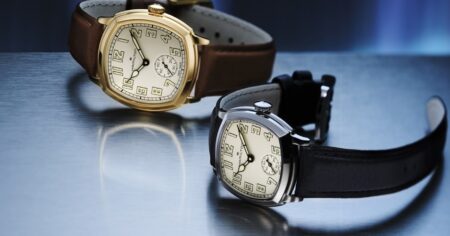
EBEL has the kind of design archive that many brands would happily lean on heavily, but Pellegrini describes vintage influence as an opening rather than a limit.
The point is not to reproduce the past, but to understand why certain shapes, proportions and lines continue to feel natural years later.
That distinction is important for a house associated with restrained elegance.
Too much nostalgia can freeze a brand in place, while too little continuity can make it lose its visual signature.
EBEL’s challenge is to preserve purity of line and ease of wear while letting those codes evolve with contemporary taste.
For collectors and everyday wearers alike, that balance is often where a watch becomes more than a handsome object.
When timekeeping becomes personal
A mechanical watch begins to carry emotion the moment it is chosen for reasons beyond utility.
Perfectly accurate time is available almost everywhere now, yet people still gravitate toward watches that say something about them.
That meaning might come from a milestone, a gift, a personal achievement or the simple pleasure of wearing something beautifully made.
It can also come from transmission, with a watch gaining depth as it moves through a life or across generations.
For EBEL, the strongest watches bring together function and feeling without forcing either quality.
They should be practical enough to live with daily and personal enough to stay relevant long after the purchase moment has passed.
That may be EBEL’s clearest lane today, making watches that don’t chase technology, but answer a quieter need for permanence, elegance and connection.