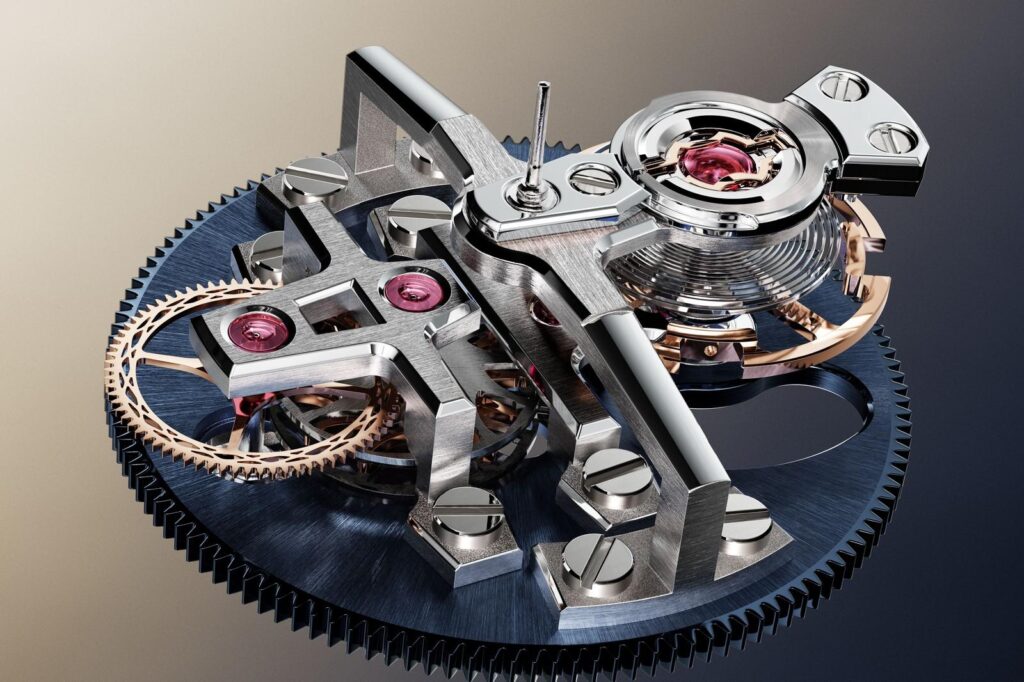
Some of the most interesting watchmaking problems happen where you can’t see them.
Constant force is one of those ideas that sounds abstract until you realise it sits at the centre of accuracy, power reserve and high-end movement design.
It’s the reason some watchmakers don’t use every last drop of stored energy, and why others build elaborate mechanisms that behave almost like mechanical voltage regulators.

At a glance
- Constant force is the attempt to deliver steady energy from a watch’s mainspring to its regulating organ.
- The main solutions include stopworks, remontoirs, fusée-and-chain systems and experimental escapements.
- It matters because uneven mainspring torque can make a mechanical watch run differently when fully wound or nearly depleted.
In a mechanical watch, constant force is the pursuit of consistent power delivery across the movement’s running time.
That may sound like a niche obsession, but it goes directly to the core of good timekeeping.
Why mainspring torque matters
A watch’s mainspring does not release energy in a perfectly even way from full wind to empty.

When it is tightly wound, it can push too much torque through the gear train, and when it is close to spent, it may not provide enough.
Both ends of that curve can disturb isochronism, the ability of a watch to keep a stable rate regardless of the energy level in the mainspring.
This is why power reserve indicators have long mattered in serious timekeepers, especially marine chronometers, where knowing the state of wind was part of protecting accuracy.
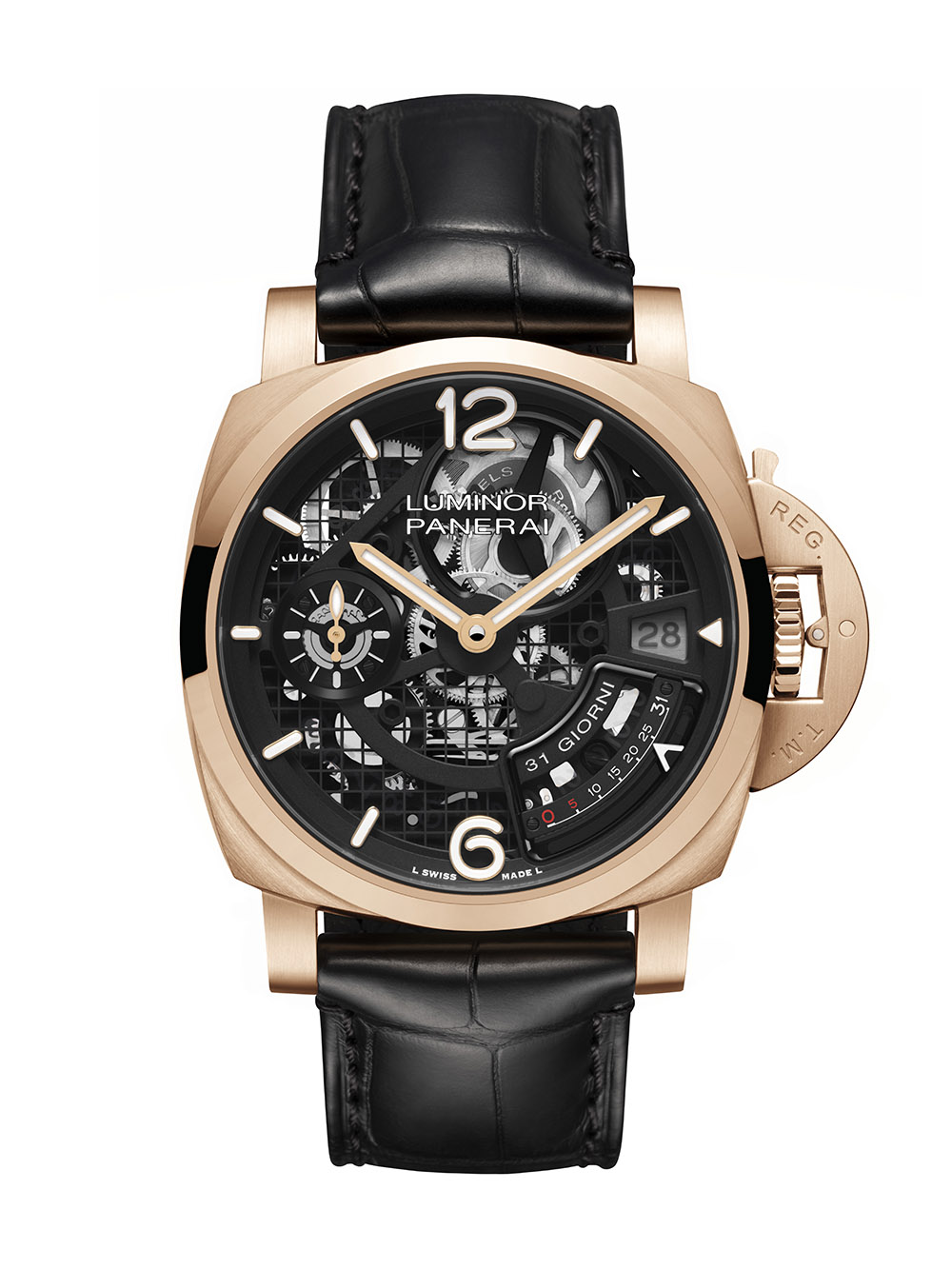
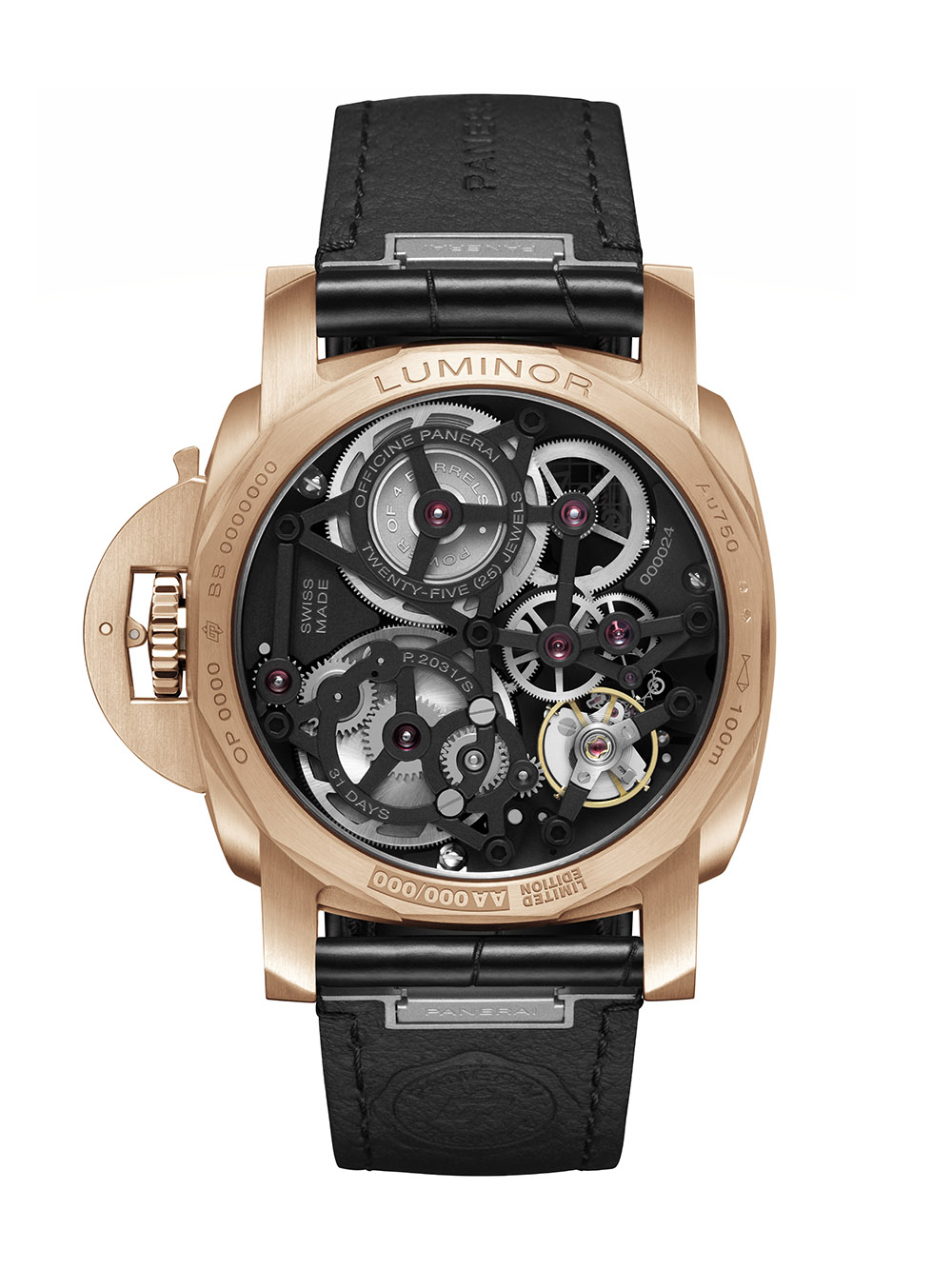
Panerai’s Luminor 31 Days offers a modern example of the same thinking, storing about 35 days of energy but using a more controlled 31-day span rather than exploiting the full reserve.
Stopworks and the controlled power window
The simplest way to avoid the worst parts of the mainspring curve is to stop the watch from using them.
A Geneva stopwork limits how far the mainspring can be wound or unwound, keeping the movement operating within a more stable band of torque.
It’s an old-school answer rather than a complete cure, but it makes the problem easier to manage.
You’ll see the idea in some vintage watches, including pieces such as the Jaeger-LeCoultre Futurematic, where the movement is designed to avoid running deep into the least reliable part of its energy supply.
The remontoir and the fusée approach
The remontoir d’égalité is one of the most admired constant-force devices because it acts as a small intermediate energy store inside the movement.
Instead of allowing the mainspring to feed the regulating organ directly, the gear train periodically rewinds a tiny spring or weight positioned close to the escapement.
That smaller spring then delivers the actual impulse, often over a very short interval, helping the watch behave less like it is being driven by a large spring slowly losing strength.
John Harrison used a form of remontoir in his H4 marine chronometer, while F.P. Journe brought the idea into modern serial wristwatch production with the Tourbillon Souverain.

Another major answer is the fusée and chain, a mechanism with roots stretching back to the 15th century.
Here, a chain links the mainspring barrel to a cone-shaped fusée, changing leverage as the mainspring unwinds.
When the spring is strong, the chain works on the narrower part of the cone, and when the spring weakens, it moves toward the wider part, compensating through mechanical leverage.
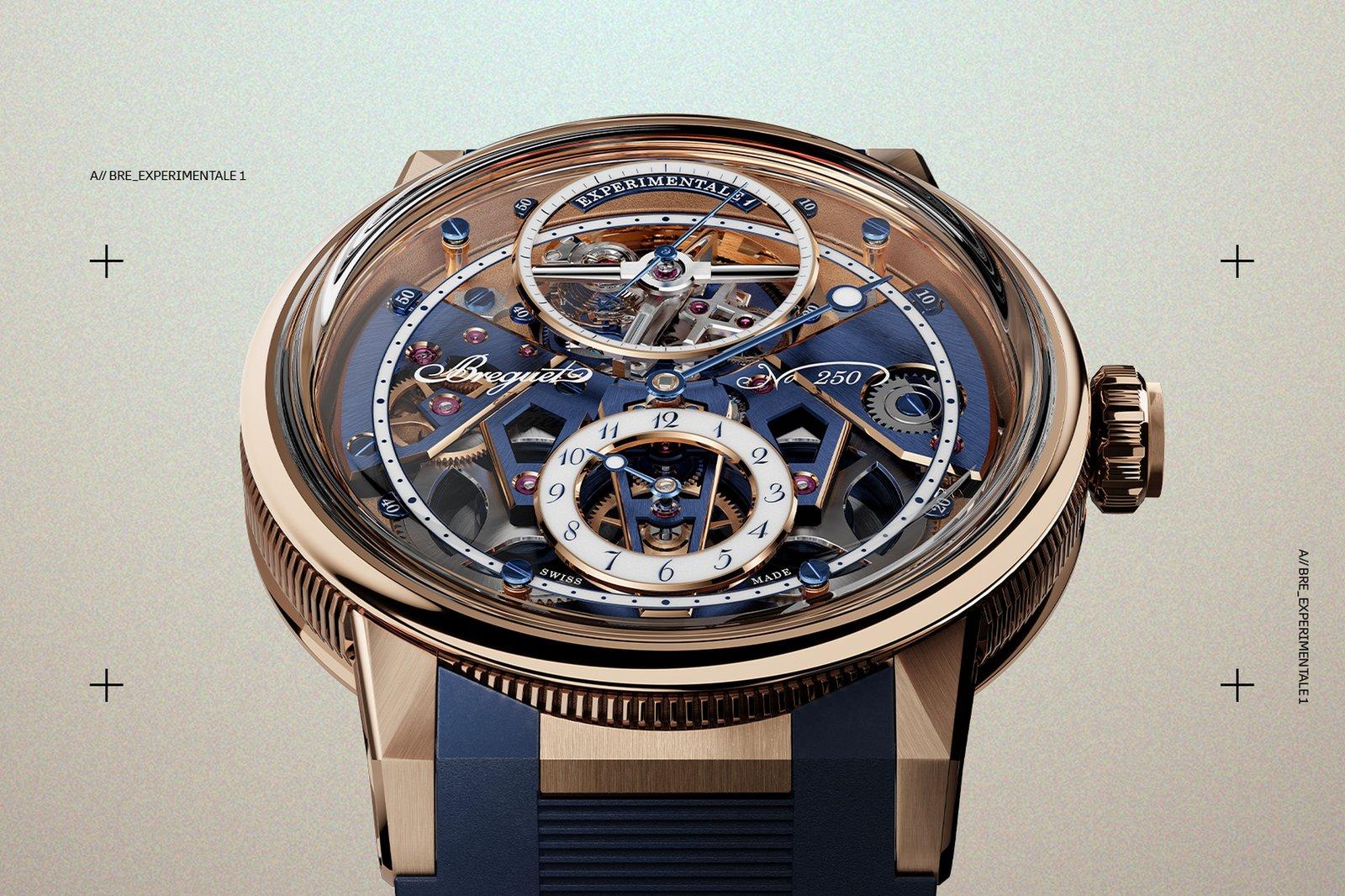
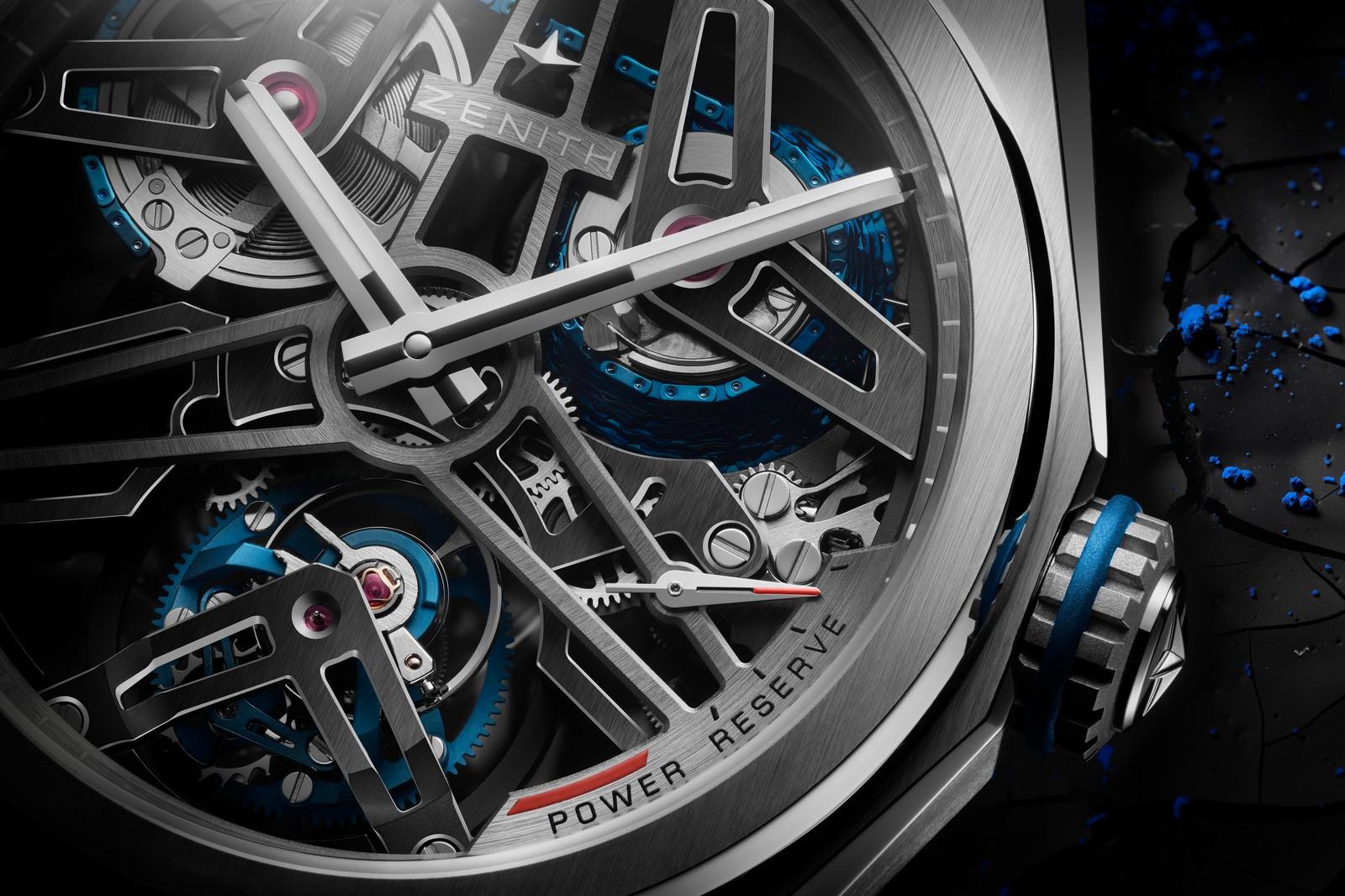
A. Lange & Söhne famously used the system in the Richard Lange Pour le Mérite line, while Breguet, Romain Gauthier, Ferdinand Berthoud and Zenith have all explored the idea in wristwatches.
When the escapement becomes the answer
The most radical route is to rethink the escapement itself rather than manage energy before it reaches that point.
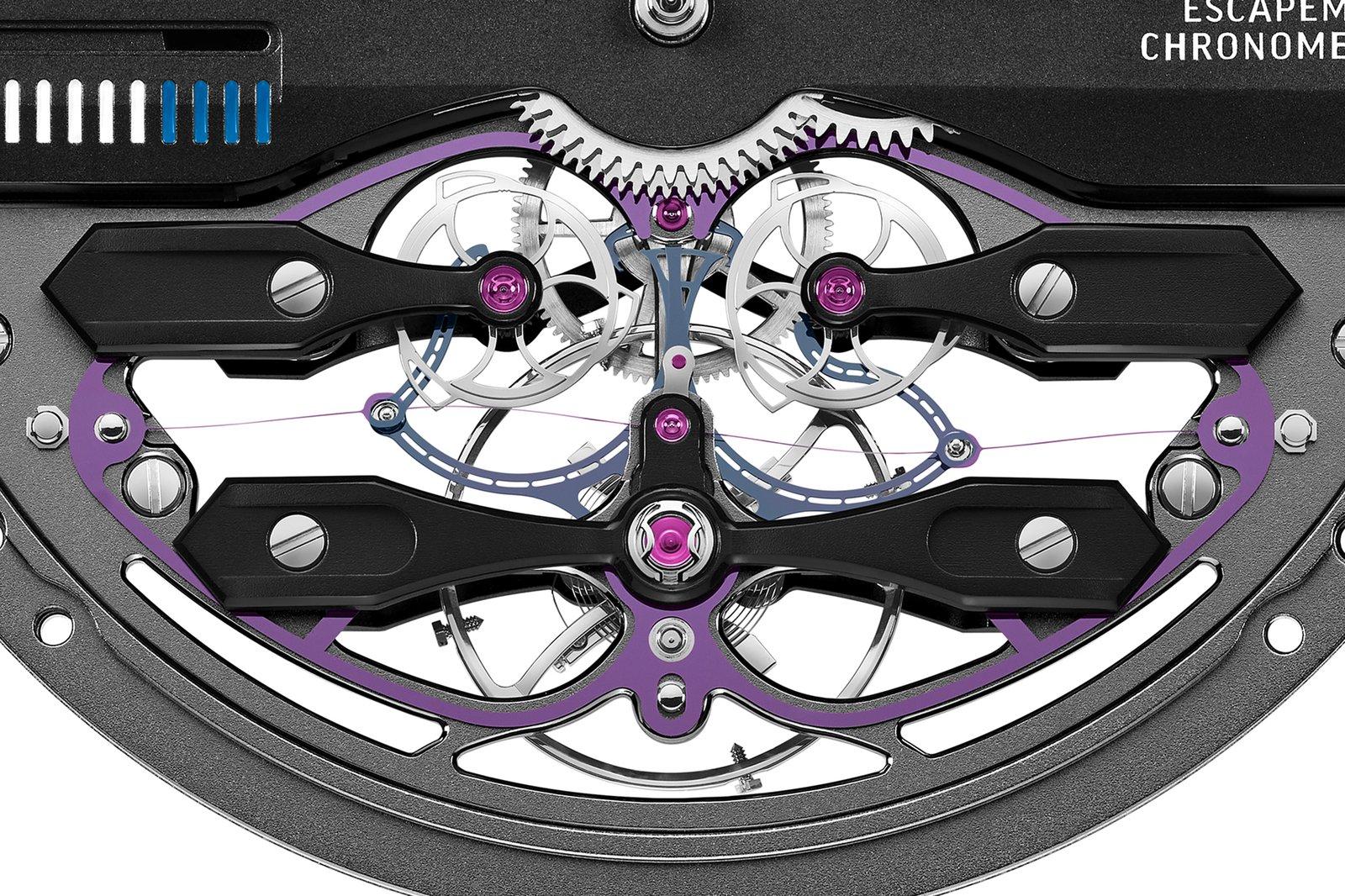
Girard-Perregaux did this with the Neo Constant Escapement, which used an extremely thin silicon blade to regulate energy delivery inside the escapement architecture.
Breguet has also explored the territory with an experimental magnetic escapement that decouples the balance from the gear train, changing the relationship between torque and regulation altogether.
These systems are rare because they ask watchmakers to challenge one of the most fundamental parts of a mechanical movement.
That rarity is part of the appeal, but the purpose is practical rather than theatrical.
Constant force isn’t always as easy to understand at a glance as a tourbillon, yet it tackles a problem every mechanical watch has to face in some form.
For collectors, that makes it one of the more rewarding complications to study, because it reveals how much of fine watchmaking is about controlling energy rather than merely storing more of it.
FAQ
What does constant force mean in a mechanical watch?
Constant force is the attempt to deliver steadier energy from the mainspring to the regulating organ as the watch runs down. It matters because a mainspring gives different levels of torque when it is fully wound, in its middle range and close to empty. By smoothing or limiting that energy delivery, watchmakers can help the movement keep a more stable rate across its usable power reserve.
Why don’t some watches use their full power reserve?
Some watches avoid the least stable parts of the mainspring’s torque curve. When the spring is wound too tightly or nearly exhausted, the movement can be more prone to rate variation. Panerai’s Luminor 31 Days is a modern example of that thinking, using a controlled 31-day span even though its mainsprings can store around 35 days of energy.
How is a remontoir different from a fusée and chain?
A remontoir d’égalité is a small secondary energy store, usually placed close to the escapement, that is repeatedly rewound by the gear train. It gives the balance more consistent impulses over very short intervals. A fusée and chain works earlier in the power flow by changing leverage between the mainspring barrel and a cone-shaped fusée as the spring unwinds. Both aim to reduce the effect of changing mainspring torque, but they do it in very different mechanical ways.
Are constant-force mechanisms useful for collectors or mostly technical showpieces?
They are genuinely technical, although they also have obvious collector appeal. Constant-force systems address a real problem in mechanical watchmaking rather than simply adding visual complexity. For collectors, the appeal is usually strongest when the mechanism is well integrated into the movement’s purpose, as with marine chronometers, remontoir-equipped tourbillons or modern experimental escapements.
Which watchmakers are known for constant-force watches?
Notable names include F.P. Journe, A. Lange & Söhne, Breguet, Girard-Perregaux, Ferdinand Berthoud, Romain Gauthier and Zenith, among others. Different brands have explored different routes, from remontoirs to fusée-and-chain systems and experimental escapements. These watches are generally found in higher-end or specialist watchmaking rather than mainstream mechanical collections, because the mechanisms are difficult to design, build and regulate.