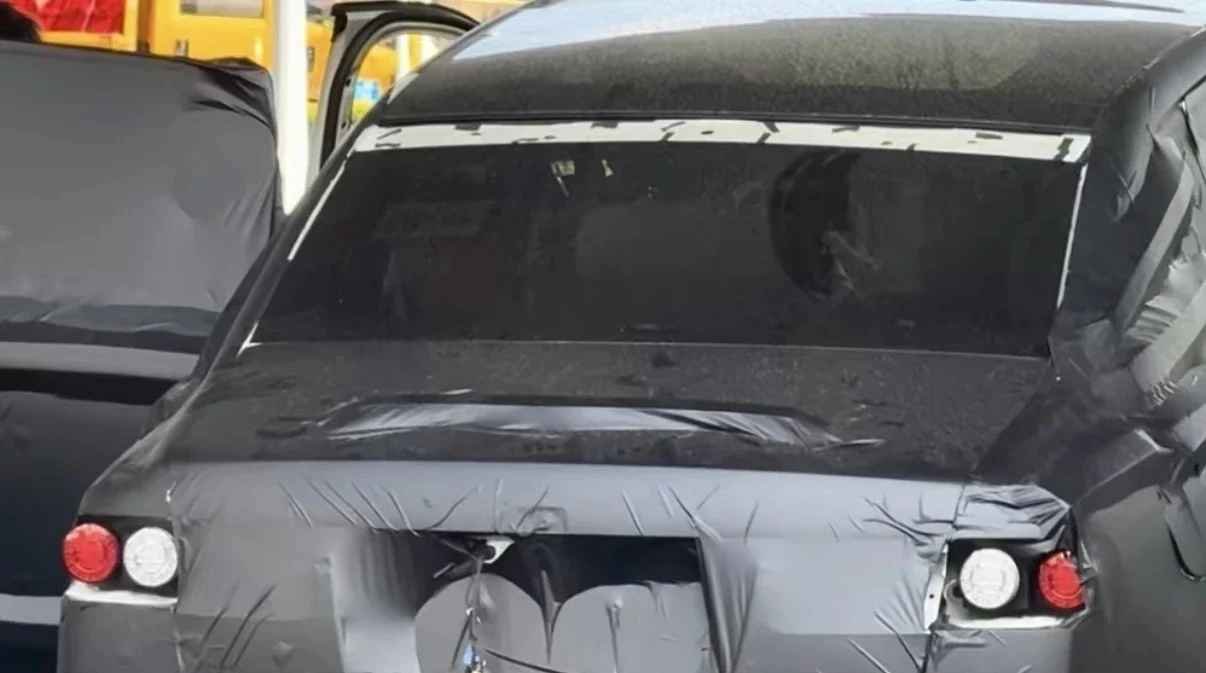
Yangwang, BYD’s top-end new-energy marque, looks to be preparing its most formal model yet.
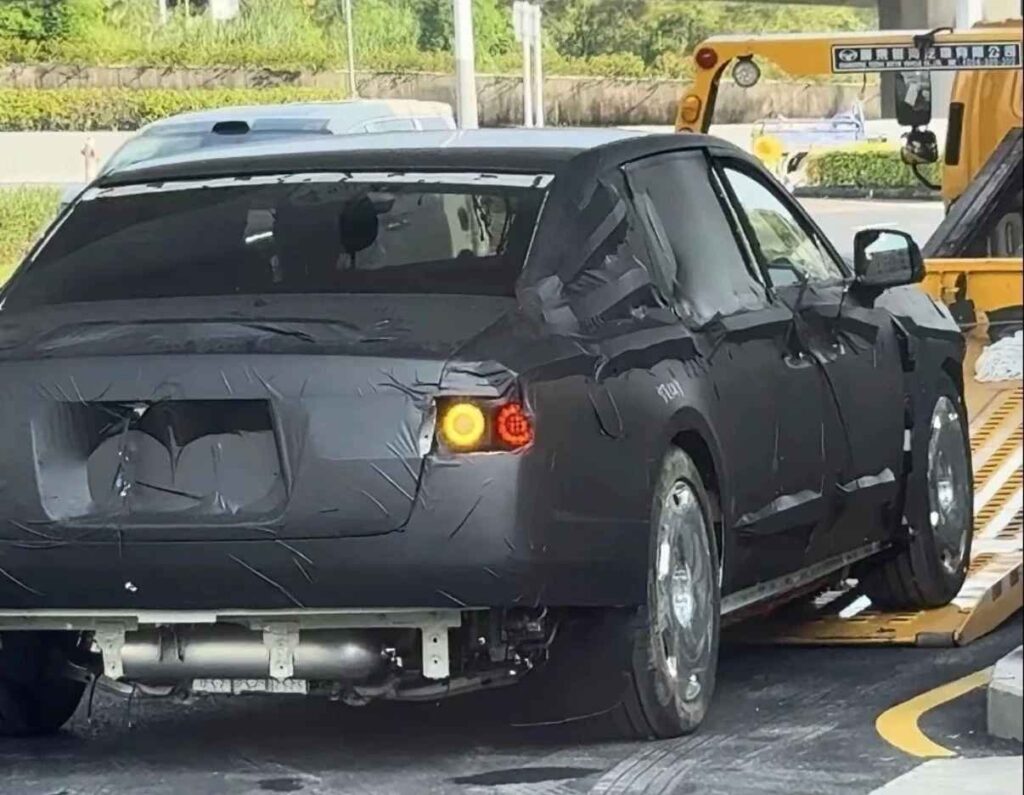
A heavily camouflaged electric luxury sedan has been seen testing in China, and its proportions suggest a car aimed at the chauffeur-driven end of the market rather than the usual performance EV crowd.
The long wheelbase, upright stance and rear-hinged door layout give the prototype a deliberate limousine character, with visual cues that place it in the orbit of cars such as the Rolls-Royce Phantom and Mercedes-Maybach S-Class.
At a glance
- Yangwang is testing a new flagship electric luxury sedan prototype in China.
- The car shows a long-wheelbase body, coach-style rear doors and large luxury-focused wheels.
- No launch timing or pricing has been confirmed, but the model appears positioned as BYD’s most chauffeur-oriented saloon.
A formal saloon for Yangwang’s next act
Yangwang already occupies an unusual space in the Chinese luxury market, where high-end electric vehicles increasingly blend status, technology and dramatic design.
This sedan appears to extend that ambition into a segment still dominated globally by old-guard luxury names.
The prototype’s scale is the first clue.
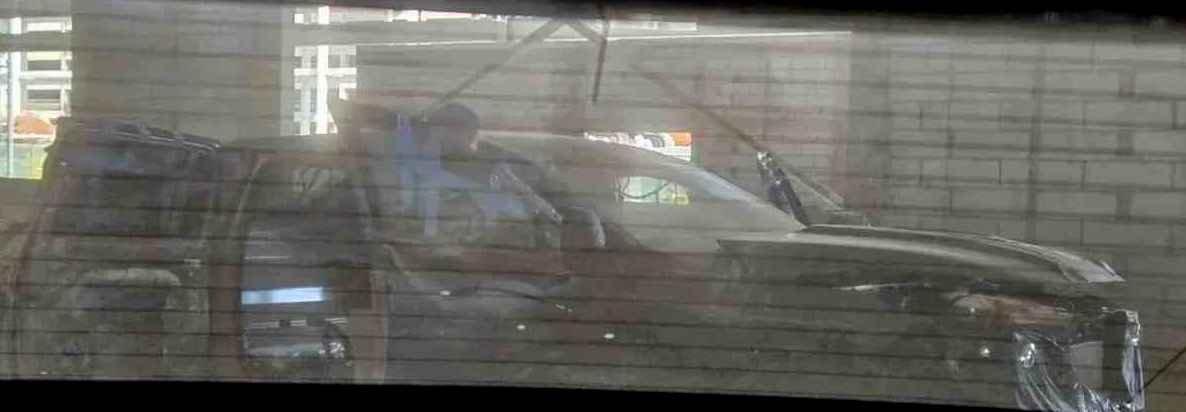
Even beneath heavy camouflage, the car reads as a true flagship, with a stretched cabin, a long rear passenger area and a high-set body that prioritises presence over sleekness.
That matters because ultra-luxury saloons are not judged only by acceleration figures or screen count.
They need to feel ceremonial, private and imposing before the door is even opened.
Coach doors and a possible pillar-less opening
The most telling detail is the rear-hinged door arrangement, often called coach doors or suicide doors.
The door-handle placement on the prototype makes the layout difficult to miss, and it points directly to a rear-seat-first philosophy.
Chinese luxury EV makers have increasingly treated the rear cabin as the main event, and this Yangwang prototype seems to follow that direction.
There are suggestions the sedan may use a pillar-less body, which would create a wide, uninterrupted aperture when both front and rear doors are open.
That kind of theatre suits a luxury saloon, but it also creates a serious engineering problem because removing the B-pillars can reduce structural stiffness.
Yangwang may address that challenge by using a load-bearing battery pack mounted low in the chassis, effectively making the battery part of the body structure.
The prototype also appears to use a conventional metal roof rather than a panoramic glass panel, which could help preserve rigidity if the side aperture is especially large.
Suspension clues and luxury-EV styling
An air canister visible beneath the rear bumper suggests the car may be fitted with BYD’s DiSus-A air suspension system, although the final specification has not been announced.
Air suspension would be a natural fit for a vehicle intended to deliver a quiet, settled rear-seat experience.
The wheels are another deliberate signal.
The prototype wears large, formal alloys with a look reminiscent of recent Maybach designs, a styling trend that has become increasingly visible among China’s premium new-energy vehicles.
That choice is less about sportiness and more about visual weight, giving the car the kind of grounded stance expected from a luxury flagship.
Details & Specifications
| Brand | Yangwang |
|---|---|
| Parent company | BYD |
| Vehicle type | Electric luxury sedan prototype |
| Testing location | China |
| Body style | Long-wheelbase four-door saloon |
| Doors | Rear-hinged coach-style rear doors observed on prototype |
| Notable cues | Large luxury-style wheels, imposing proportions and camouflaged flagship body |
| Possible equipment | BYD DiSus-A air suspension suggested by visible rear hardware |
| Price | Not announced |
| Availability | Not announced |
If Yangwang brings this sedan to production, it could become one of the clearest signs yet that China’s luxury EV ambitions are moving beyond SUVs and performance cars.
The most interesting question now is whether BYD can translate the prototype’s grand proportions and ceremonial door layout into the refinement, silence and craftsmanship demanded at this level.