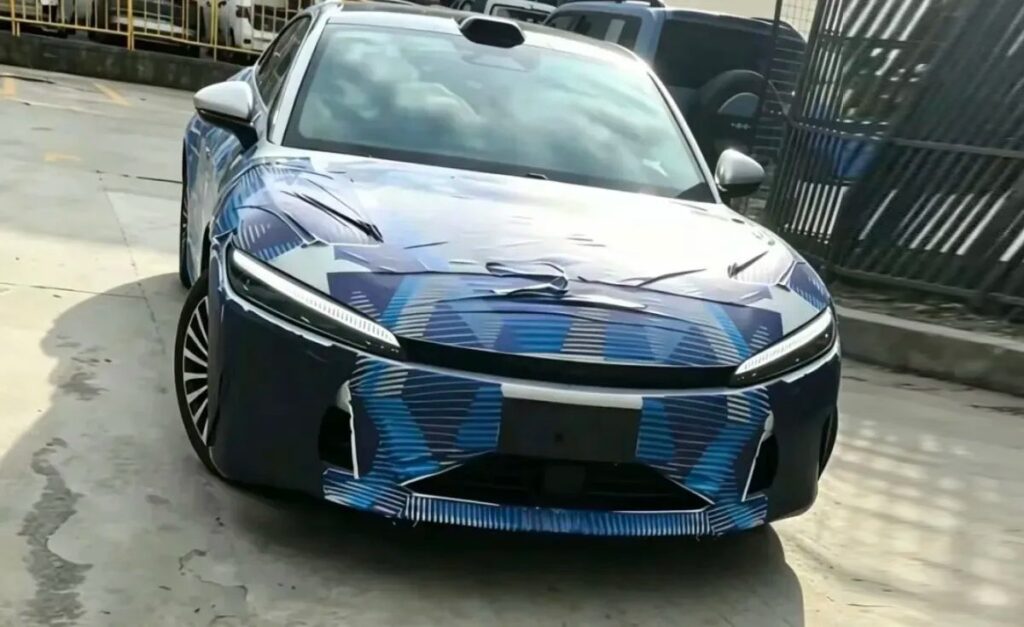
BYD’s Han sedan range appears to be getting a more accessible new entry point, and it may arrive with technology usually reserved for pricier cars.
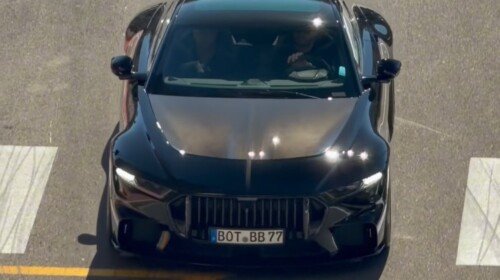
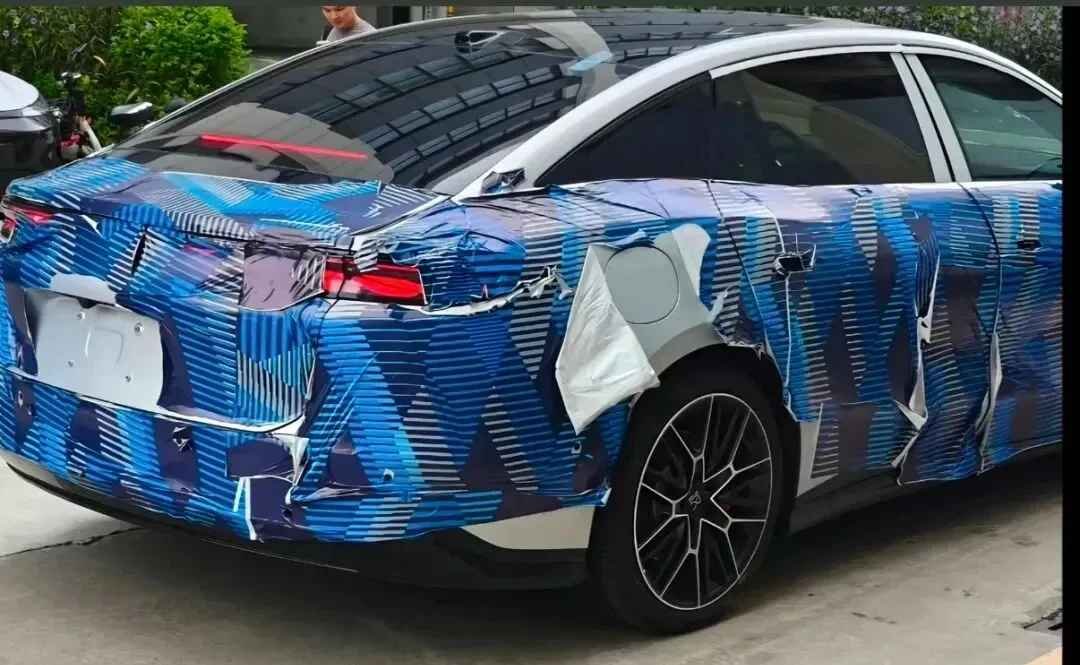
A camouflaged next-generation Han has been seen testing in China, pointing to a sedan expected to sit beneath the Han L and the flagship Da Han in the brand’s expanding line-up.
If early pricing expectations hold, the new model could start at around 200,000 yuan, or roughly $29,900.
At a glance
- A new BYD Han sedan has been spotted testing in China as a likely lower-priced addition to the Han family.
- Expected highlights include EV and plug-in hybrid powertrains, LiDAR-assisted driver support and BYD’s latest battery and charging tech.
- The sedan could start around 200,000 yuan, placing it just under $30,000 at current conversion rates.
A More Accessible Place in the Han Line-Up
The Han nameplate has become one of BYD’s most recognisable sedan badges, and this upcoming model looks set to broaden its reach rather than replace the more premium variants.
Its expected position below the Han L is important, because it suggests BYD wants to bring more of its current hardware and cabin technology into a price band closer to mainstream family sedans.
Both fully electric and plug-in hybrid powertrains are expected, giving BYD room to serve buyers who want pure EV running as well as those who still prefer combustion-assisted flexibility.

Dragon Face Styling Under the Camouflage
Even with disguise applied, the testing car carries familiar BYD design language.
The front end appears to follow the brand’s Dragon Face look, while the rear features a full-width taillight bar, now a common signature across contemporary Chinese EV and hybrid sedans.
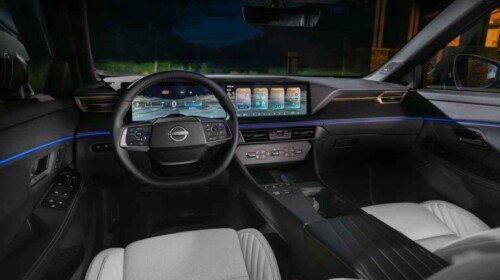
The cabin looks restrained rather than theatrical, with a white interior, a large central infotainment screen and a row of physical controls positioned along the centre console.

That blend matters, because BYD interiors have increasingly leaned into screen-led minimalism while still keeping certain tactile controls where drivers can reach them quickly.
LiDAR, Blade Battery Tech and Possible Air Suspension
The most interesting detail is mounted on the roof.
A visible LiDAR unit points toward more advanced driver-assistance capability, which would make the new Han more compelling if it lands near the expected sub-$30,000 mark.
The sedan is also expected to use BYD’s second-generation Blade Battery technology and Flash Charging system, two features that would strengthen its appeal in China’s fiercely competitive electrified sedan market.
Chassis hardware could be another differentiator.
Early details point to DiSus-C adaptive damping, while the more advanced DiSus-A air suspension may also be offered, potentially giving the car a more sophisticated ride setup than its pricing might suggest.
Details & Specifications
| Brand | BYD |
|---|---|
| Model | Next-generation Han sedan |
| Body style | Sedan |
| Market positioning | Expected to sit below the Han L and flagship Da Han |
| Powertrains | Electric and plug-in hybrid options expected |
| Battery technology | Second-generation Blade Battery expected |
| Charging technology | Flash Charging expected |
| Driver-assistance hardware | Roof-mounted LiDAR visible on testing vehicle |
| Suspension | DiSus-C adaptive damping expected; DiSus-A air suspension could be available |
| Expected starting price | Around 200,000 yuan, approximately $29,900 |
If BYD delivers this mix of pricing, battery technology, assisted-driving hardware and ride sophistication, the next Han could become one of the sharper value plays in China’s electric sedan segment.
For buyers watching the space beyond premium European badges, it’s another sign of how quickly Chinese manufacturers are pushing high-end features into more attainable cars.