BYD is giving the Seal 07 a more mature second act, with fresh styling, a larger footprint and a choice of electrified drivetrains.
The second-generation sedan sits in an increasingly competitive part of the market, where range, driver-assistance hardware and cabin space matter as much as outright performance.
For buyers watching the rapid rise of Chinese EV makers, this is another sign of how quickly BYD is refining its mainstream electric and plug-in hybrid models.
At a glance
- BYD has revealed the second-generation Seal 07 with both plug-in hybrid and fully electric versions.
- The electric model produces 300 kW, or 400 hp, and offers up to 718 km of WLTP range.
- The new sedan adopts Ocean Aesthetics 2.0 styling, a larger body and LiDAR hardware for God’s Eye B driver assistance.
Ocean Aesthetics 2.0 gives the sedan a cleaner shape
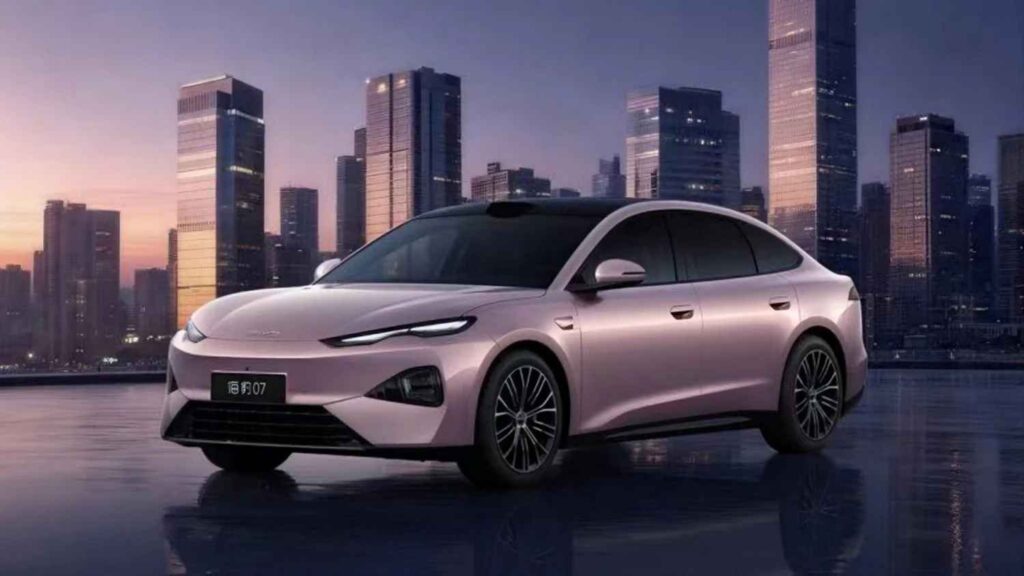
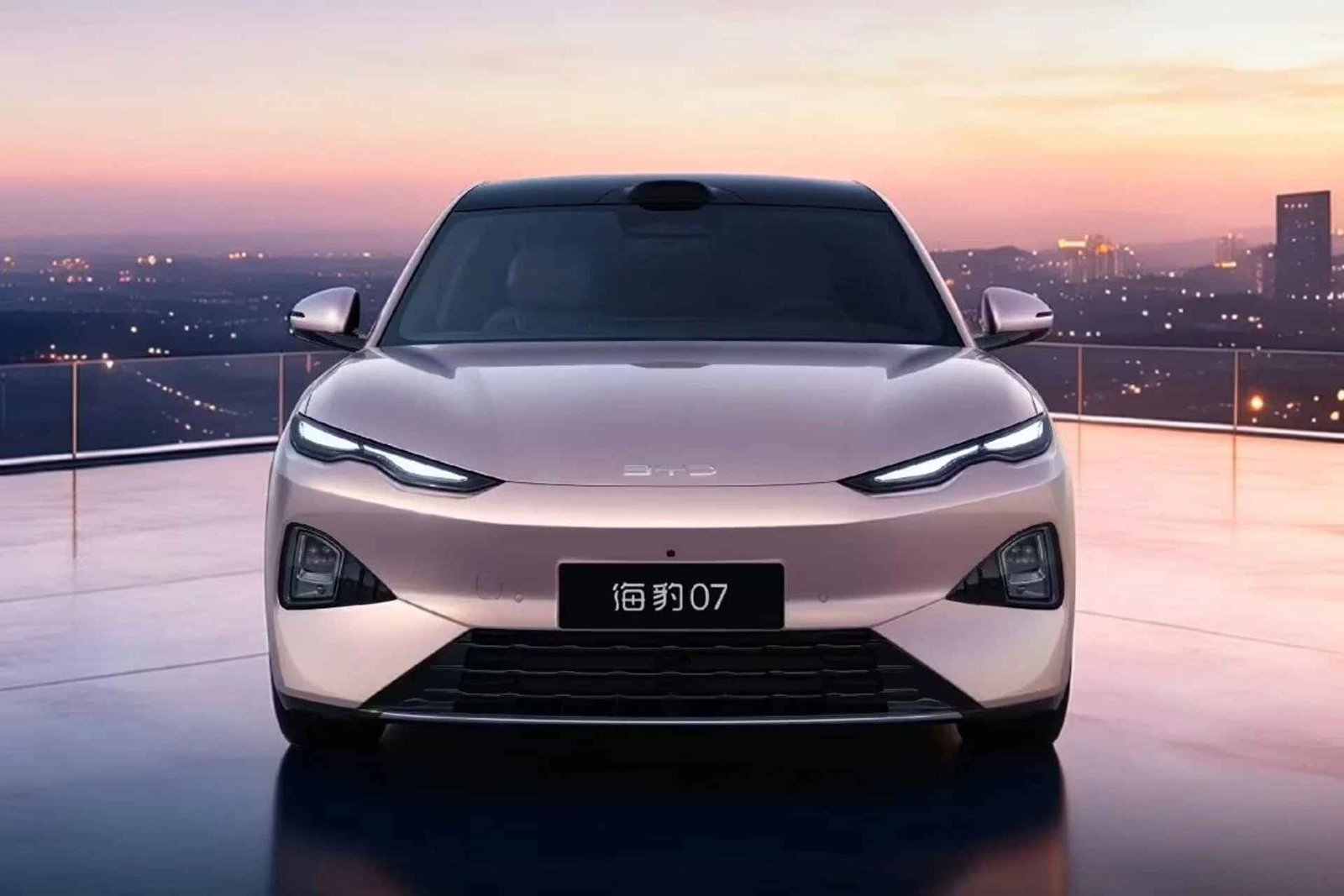
The new Seal 07 follows BYD’s Ocean Aesthetics 2.0 design direction, aligning it more closely with the larger Seal 08.
At the front, the sedan wears wave-shaped split headlights above a closed grille, giving the nose a smoother and more technical look than before.
The side profile is deliberately clean, with semi-hidden door handles, a panoramic sunroof and either 18-inch or 19-inch wheels depending on specification.
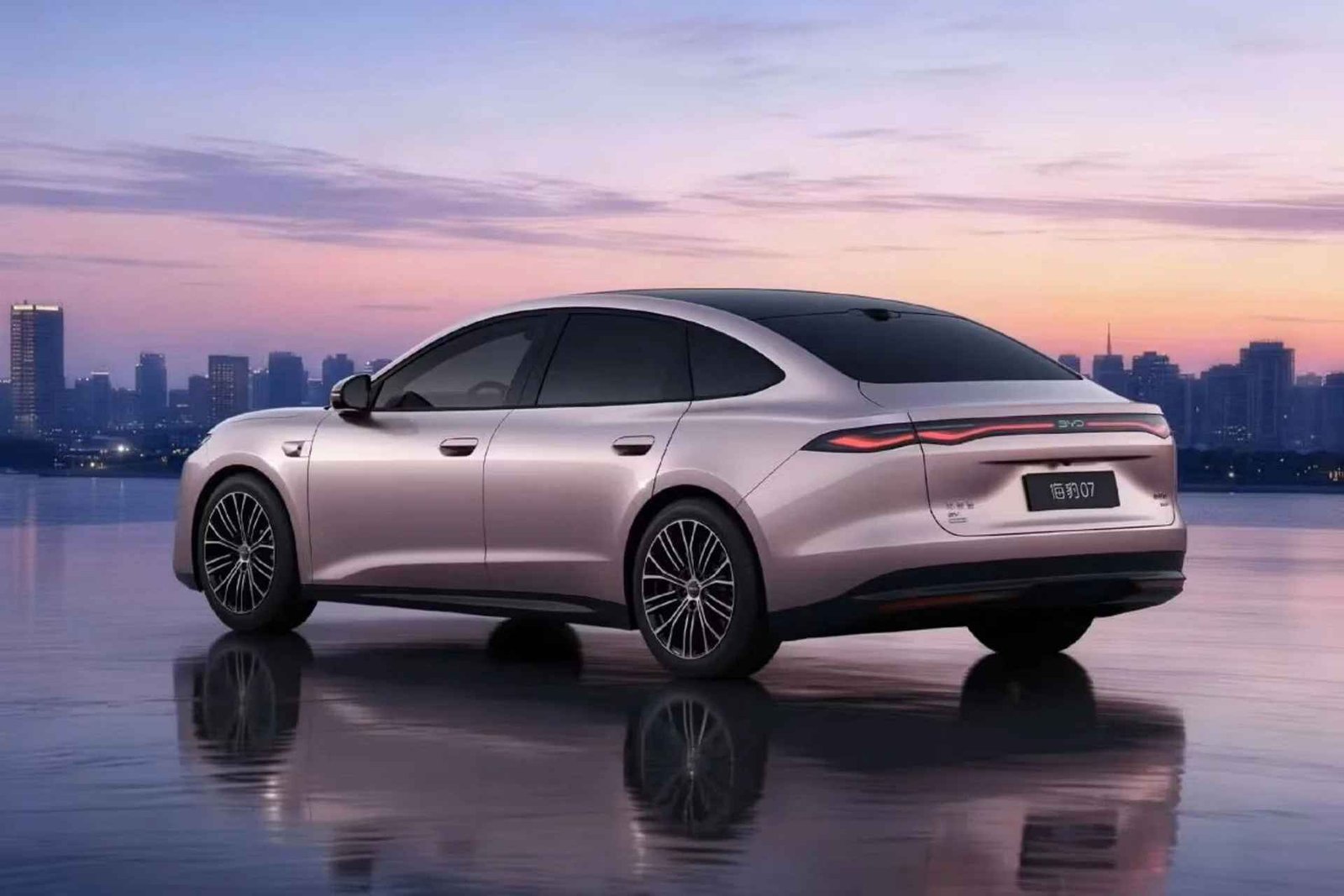
At the rear, a full-width light bar ties the design together and reinforces the broader stance.
Plug-in hybrid range and 400 hp EV option
The plug-in hybrid version combines a 1.5-litre turbocharged petrol engine with a 160 kW electric motor.
Its 38.029 kWh LFP battery gives it a claimed 245 km of electric driving on the WLTC cycle, making it a serious option for drivers who want daily EV running without giving up long-distance flexibility.
The fully electric Seal 07 is the performance headline of the range.
It produces 300 kW, or 400 hp, reaches a top speed of 240 km/h and offers up to 718 km of range on the WLTP cycle.
LiDAR and extra space point to a more advanced brief
A roof-mounted LiDAR unit signals compatibility with BYD’s God’s Eye B driver-assistance system.
That detail matters because advanced assistance hardware has become a key battleground for Chinese sedans, particularly in models that are trying to move beyond simple value positioning.
The Seal 07 has also grown in size, which should translate into improved interior space, especially for rear passengers.
BYD has not detailed cabin equipment here, but the larger body and glass roof suggest the sedan is being pushed toward a more comfortable, technology-led role.
Details & Specifications
| Brand | BYD |
|---|---|
| Model | Seal 07 |
| Body style | Mid-to-large sedan |
| Powertrain options | Plug-in hybrid and battery electric |
| PHEV engine | 1.5-litre turbocharged petrol engine |
| PHEV electric motor | 160 kW, 214 hp |
| PHEV battery | 38.029 kWh LFP |
| PHEV electric range | 245 km WLTC |
| BEV output | 300 kW, 400 hp |
| BEV top speed | 240 km/h |
| BEV range | Up to 718 km WLTP |
| Wheels | 18-inch or 19-inch |
| Driver-assistance hardware | Roof-mounted LiDAR for God’s Eye B |
The second-generation Seal 07 looks like a more complete and more confident sedan, particularly with its long-range EV specification and high-electric-range plug-in hybrid alternative.
For drivers who want an electrified four-door with strong range figures and a cleaner design language, BYD’s latest Seal 07 should be one to watch.