The BRM P351 is one of those racing cars that seemed to arrive with all the right ingredients and almost none of the luck.
Built for the ferociously competitive Group C era, the one-off British prototype paired a carbon composite chassis with a naturally aspirated Weslake-based V12, then disappeared into a history defined by failed starts, mechanical trouble and unrealised promise.
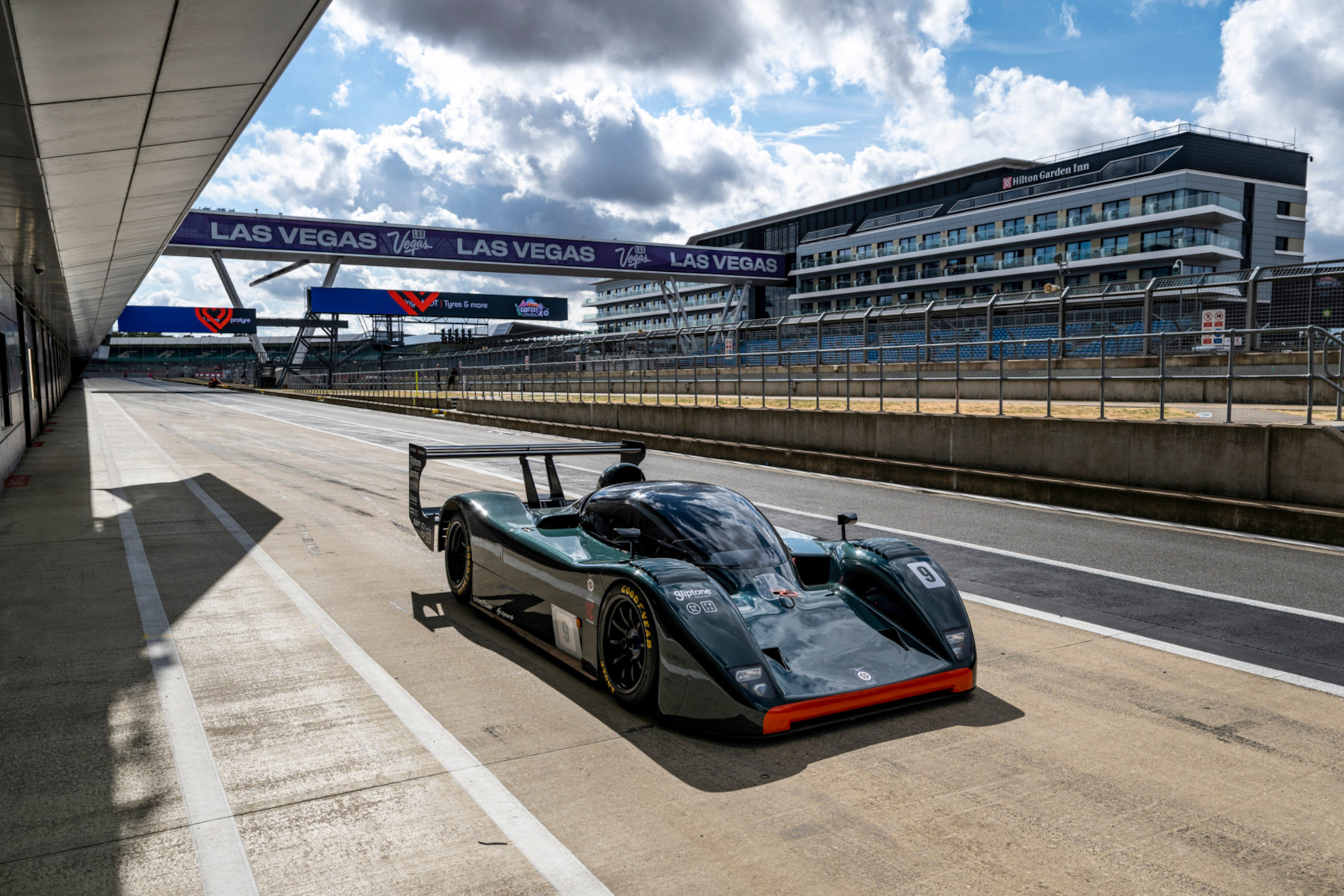
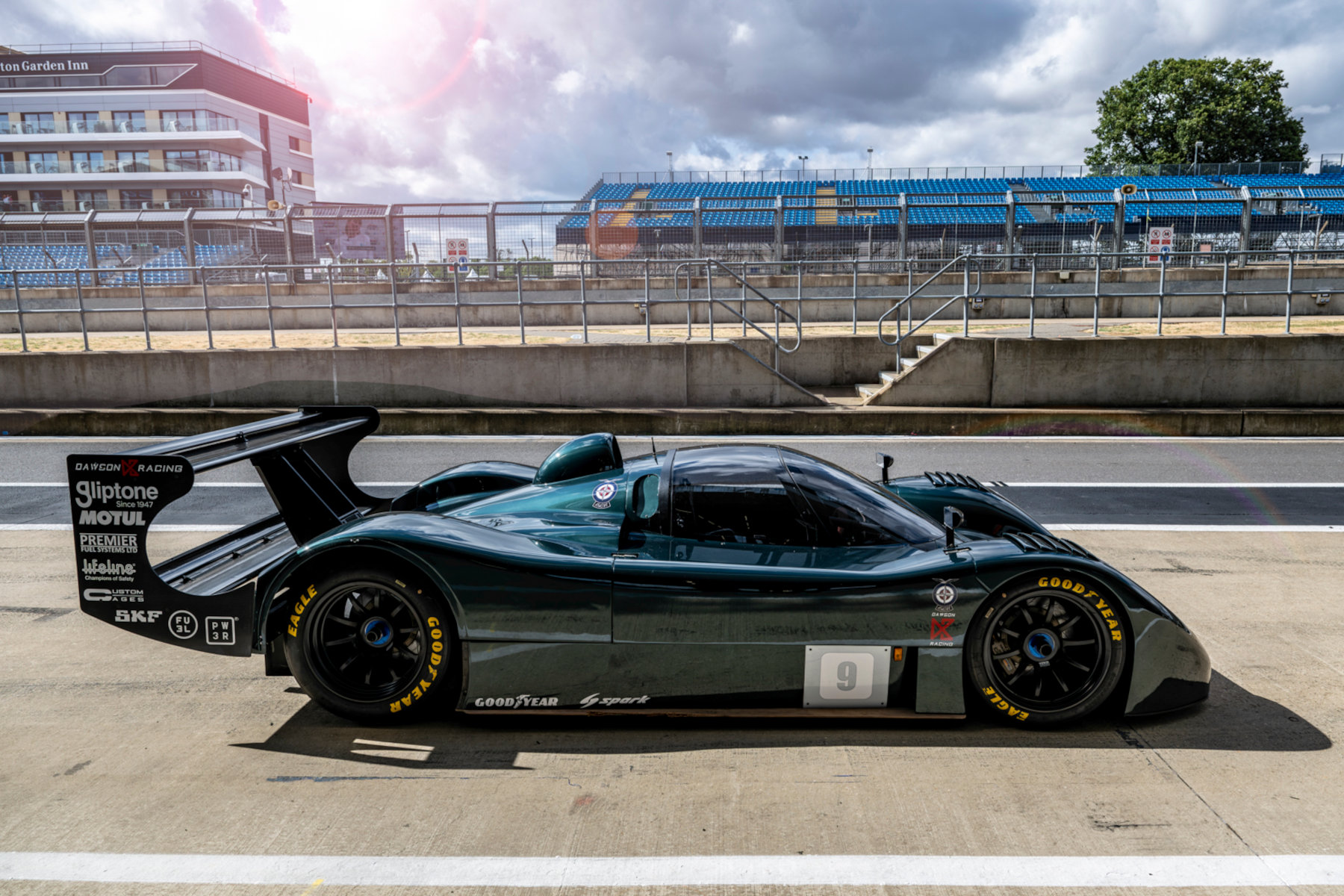
Now the only chassis has been restored to its original closed-cockpit P351 form, giving one of BRM’s strangest late chapters a second chance in the spotlight.
At a glance
- The only BRM P351 Group C prototype has been fully restored after more than three decades.
- The car has returned to its original closed-cockpit body style with a rebuilt 3.5-litre Weslake-based V12 and period gearbox.
- BRM acquired the chassis in 2024 and the project’s stated aim is to return the car to competition.
A BRM comeback shaped by Group C ambition
British Racing Motors was founded in 1945 by Raymond Mays and Peter Berthon, and its name still carries a particular charge for anyone interested in Britain’s more adventurous racing history.
BRM was never a company short of engineering nerve.
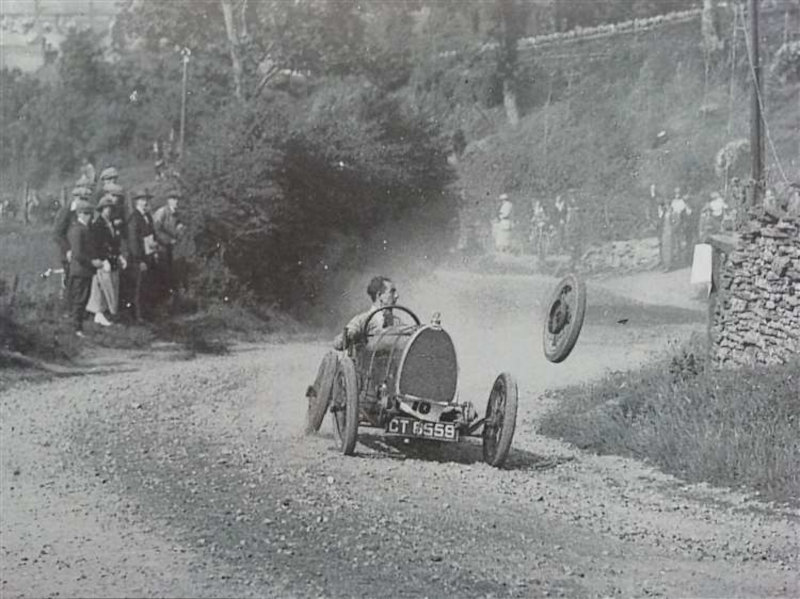
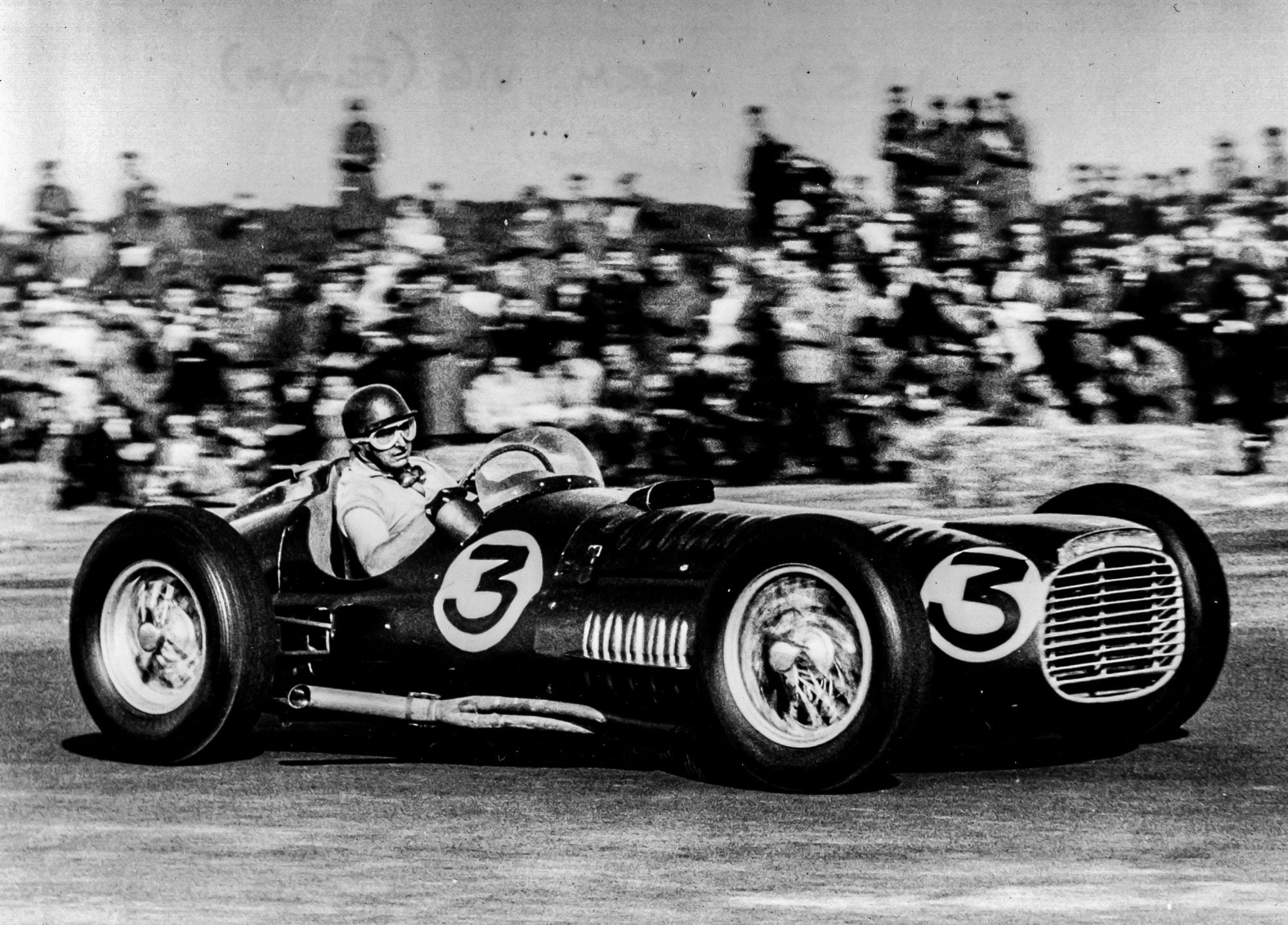
Its grand prix story includes the supercharged 1.5-litre V16, the Formula 1 World Championship-winning P57 and the famously complex H16 engine, a machine that effectively stacked two flat-eight engines on top of one another.
That taste for bold solutions brought glory as well as frustration.
Graham Hill won the 1962 Formula 1 World Driver’s Championship in the BRM P57, while the team finished second in the standings for the following three seasons.
BRM later withdrew from Formula 1 in 1977, having taken 17 wins from 197 entries.

The P351 belonged to a much later attempt to revive that name through endurance racing, at a time when Group C prototypes were among the fastest and most technically intense racing cars in the world.
During the 1980s, Porsche’s 956 and 962 set the standard, while Jaguar, Sauber and Peugeot also became major Le Mans winners in the category’s peak years.
The Owen family, connected to former BRM leader Alfred Owen, reached an agreement with entrepreneur John Mangoletsi to bring the BRM name back into active competition.
Former Zakspeed chief engineer Paul Brown was brought in to develop the car, beginning with a carbon composite monocoque chassis.
The P351’s short and bruising racing life
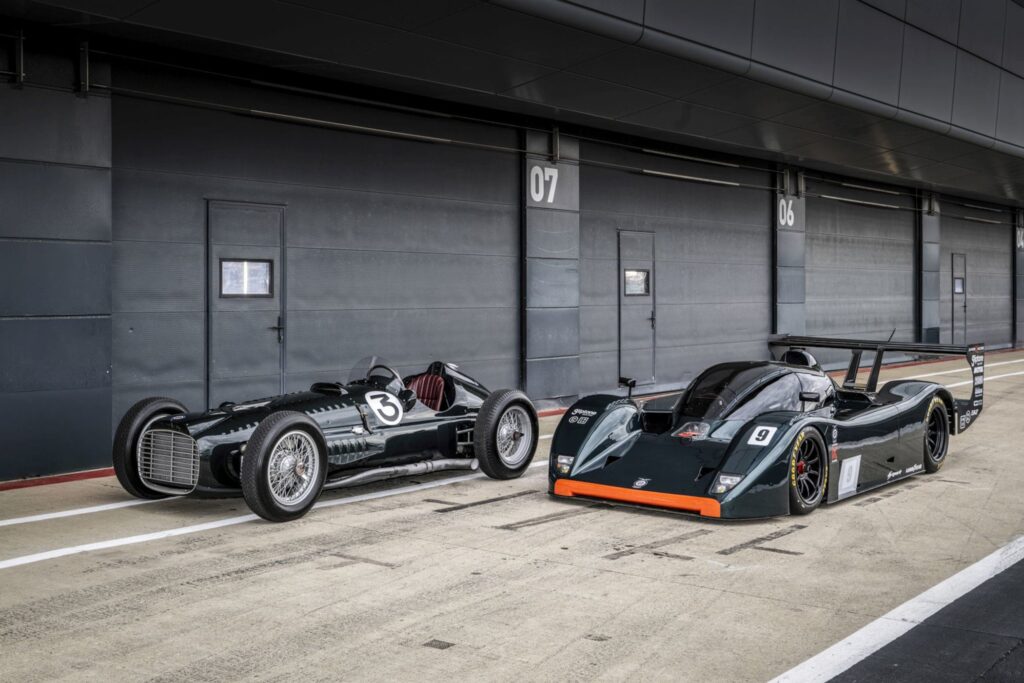
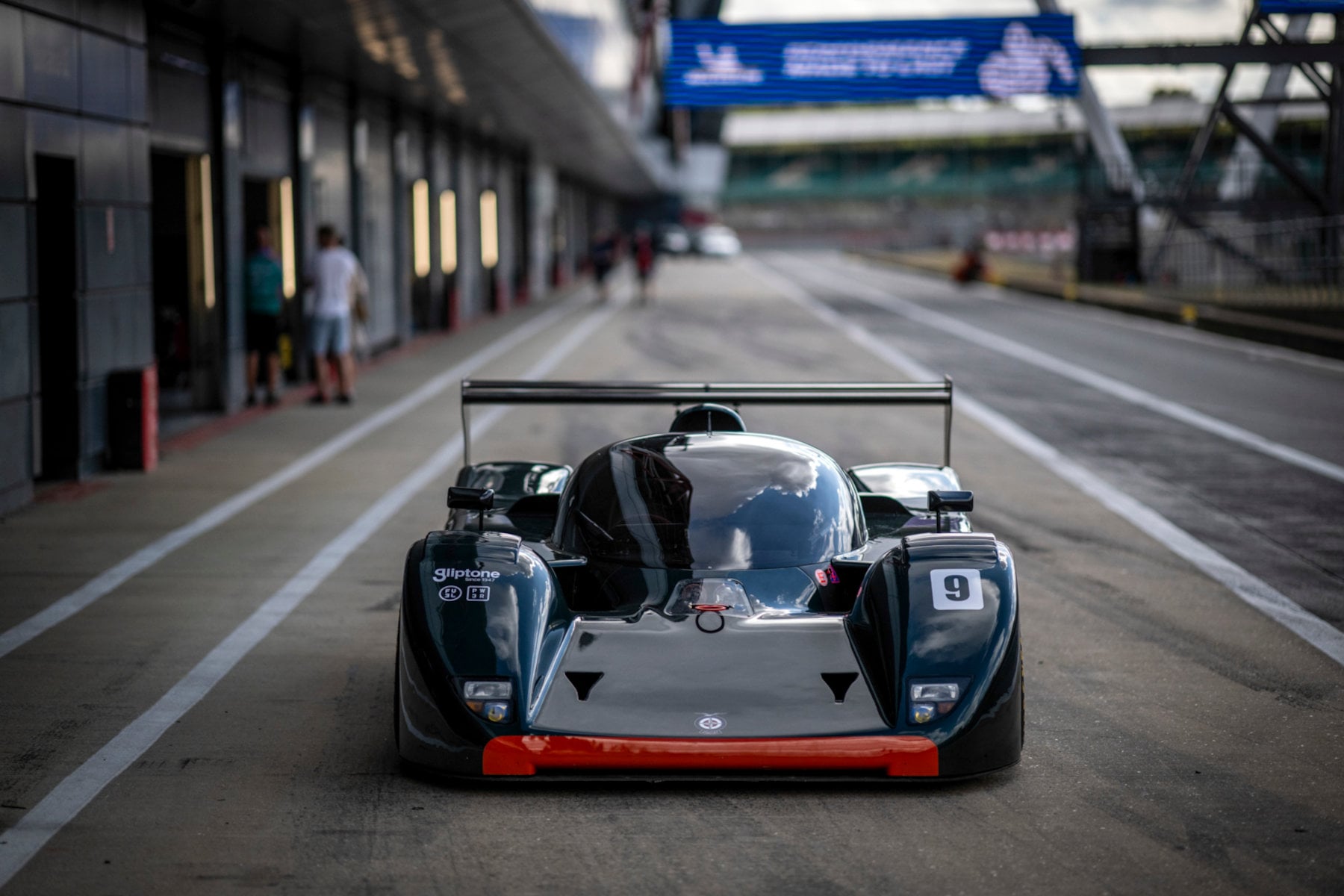
The BRM P351 was first shown in January 1991, finished in metallic British Racing Green with the brand’s distinctive orange nose.
Behind the driver sat a naturally aspirated 3.5-litre V12 derived from the Weslake Formula 1 engine associated with the AAR Eagle Mk I Gurney-Weslake.
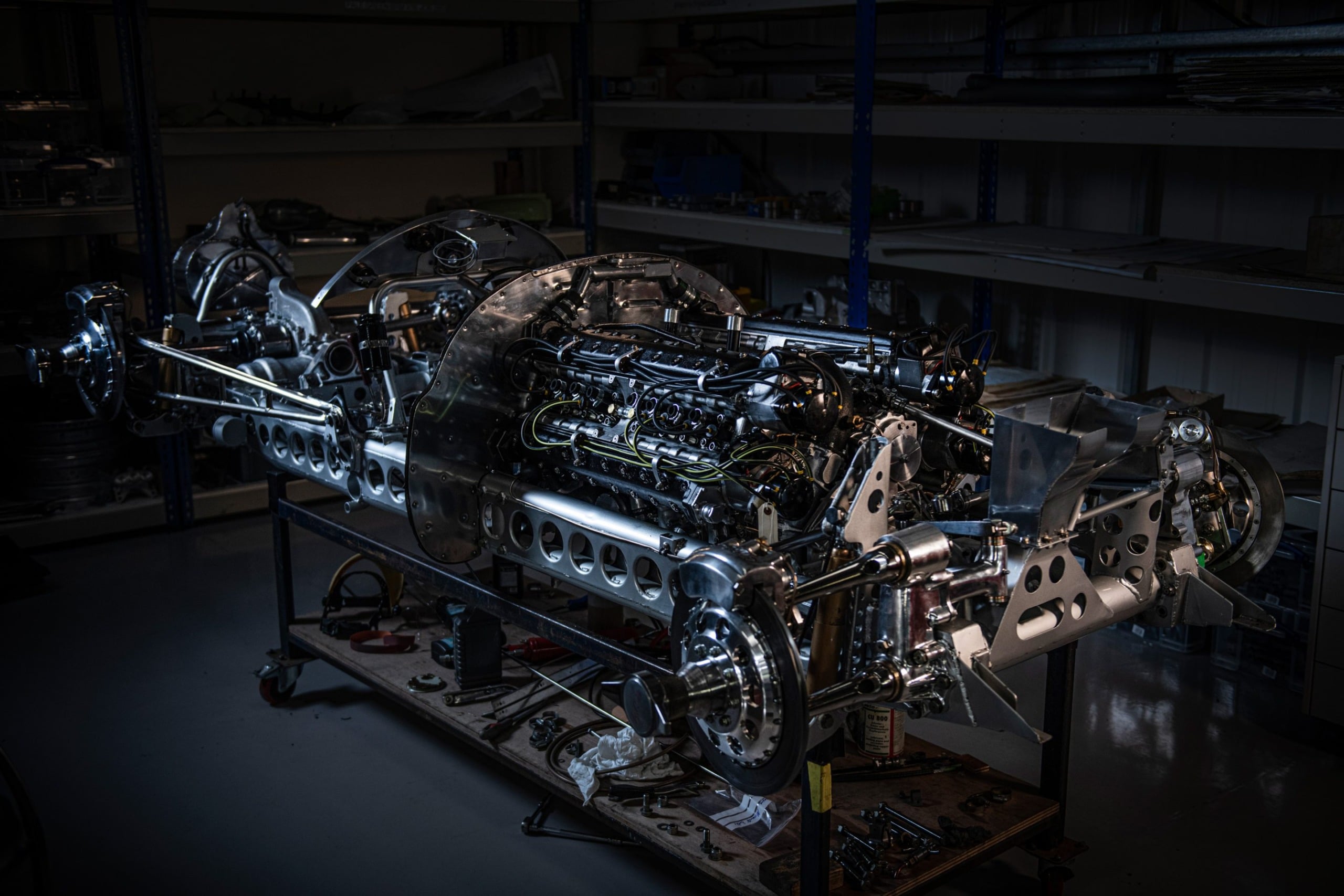
Power was around 620 horsepower, putting the car in the same broad performance conversation as its Group C rivals on paper.
On track, the P351 never got the clean run it needed.
Its first planned race was the 1992 500km of Silverstone, the second round of the World Sportscar Championship, but the team faced enough problems that the car didn’t start.

Le Mans followed, with Wayne Taylor, Harri Toivonen and Richard Jones entered to drive.
Transmission issues disrupted qualifying, though Taylor managed a time that put the car on the starting grid.
The race lasted only 20 laps before transmission trouble returned and ended the effort.

The team then took the P351 to Watkins Glen for an IMSA Camel GT race, where the bumpy circuit forced a ride-height change that created a regulation issue.
Paul Brown’s solution was to cut the roof scoop, which allowed the car to compete, but electrical issues ended the race after five laps.
The team registered for the next World Sportscar Championship round at Donington Park but didn’t appear, and the P351 programme was effectively over.
From P351 to P301 and back again
The car didn’t vanish immediately, but its next life was hardly more successful.
Three years later, under Pacific Racing’s Keith Wiggins, it returned as the P301 with an open-top barchetta body and a twin-turbo Nissan V6.
It entered the opening race of the 1997 International Sportscar Racing Series at Donington Park and qualified sixth out of nine in class, only for electrical problems to strike before the race began in earnest.
The P301 also appeared at Le Mans in 1997, where it was again the first retirement, lasting six laps.
In 1998, it returned to the International Sportscar Racing Series but was sidelined after four laps in its only race of the season.
It qualified for the following Donington round but failed to start.
For a car carrying one of British motor racing’s great names, the record was almost painfully brief.
Yet that is also what makes the restored P351 compelling.
It isn’t a greatest-hits machine or a familiar Le Mans winner wheeled out for applause, but a racing car defined by what it might have been.
The restoration and what comes next
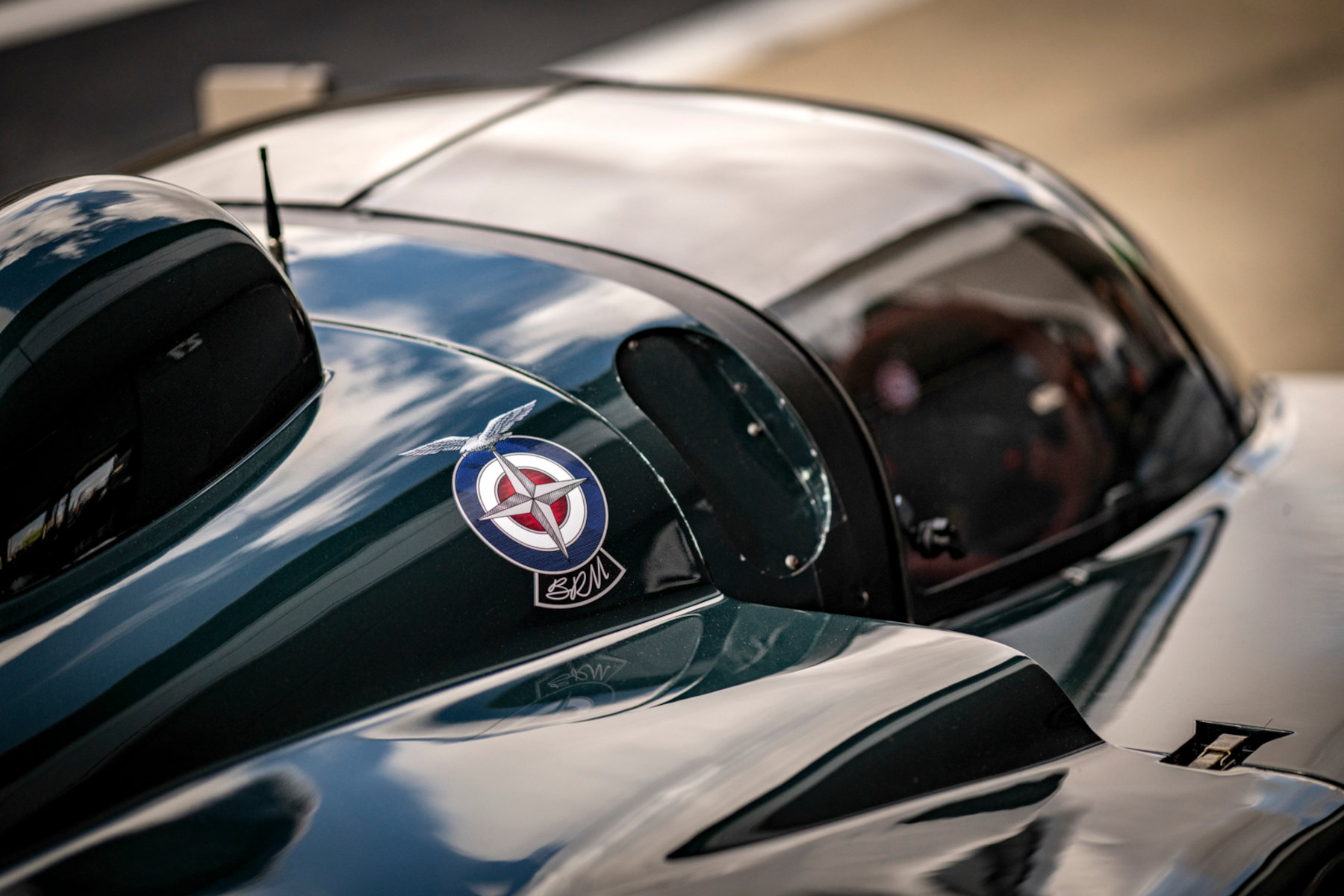
BRM acquired the only P351 chassis in 2024 and entrusted the rebuild to Ian Dawson, who had worked on the car during its Pacific Racing period as the P301.
The restoration returned it to the original closed-cockpit P351 configuration, complete with a fully rebuilt 3.5-litre Weslake V12 and a period gearbox.
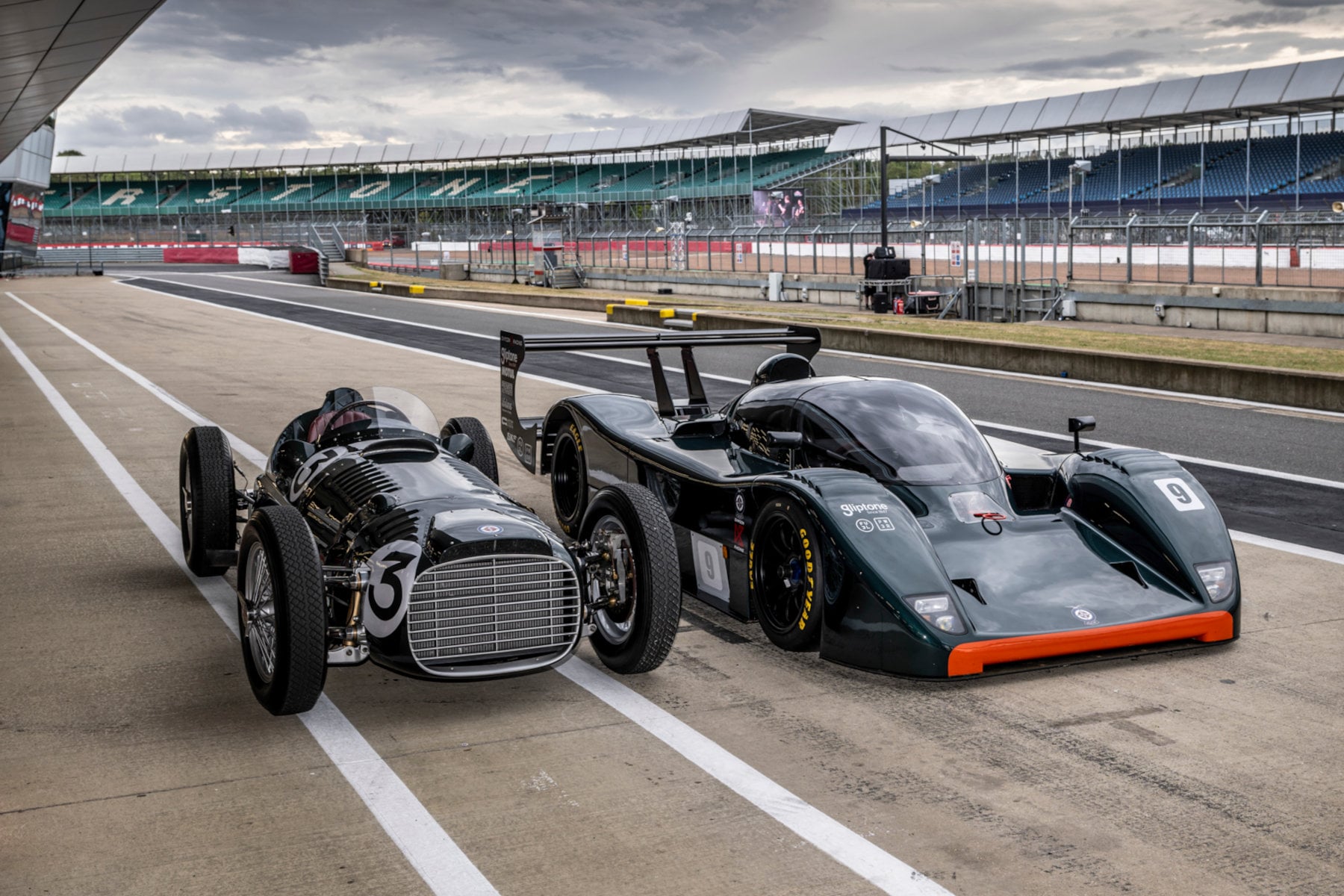
The car was unveiled at Silverstone alongside BRM’s celebrated V16, a neat pairing of two very different expressions of the same company’s taste for ambitious engines.
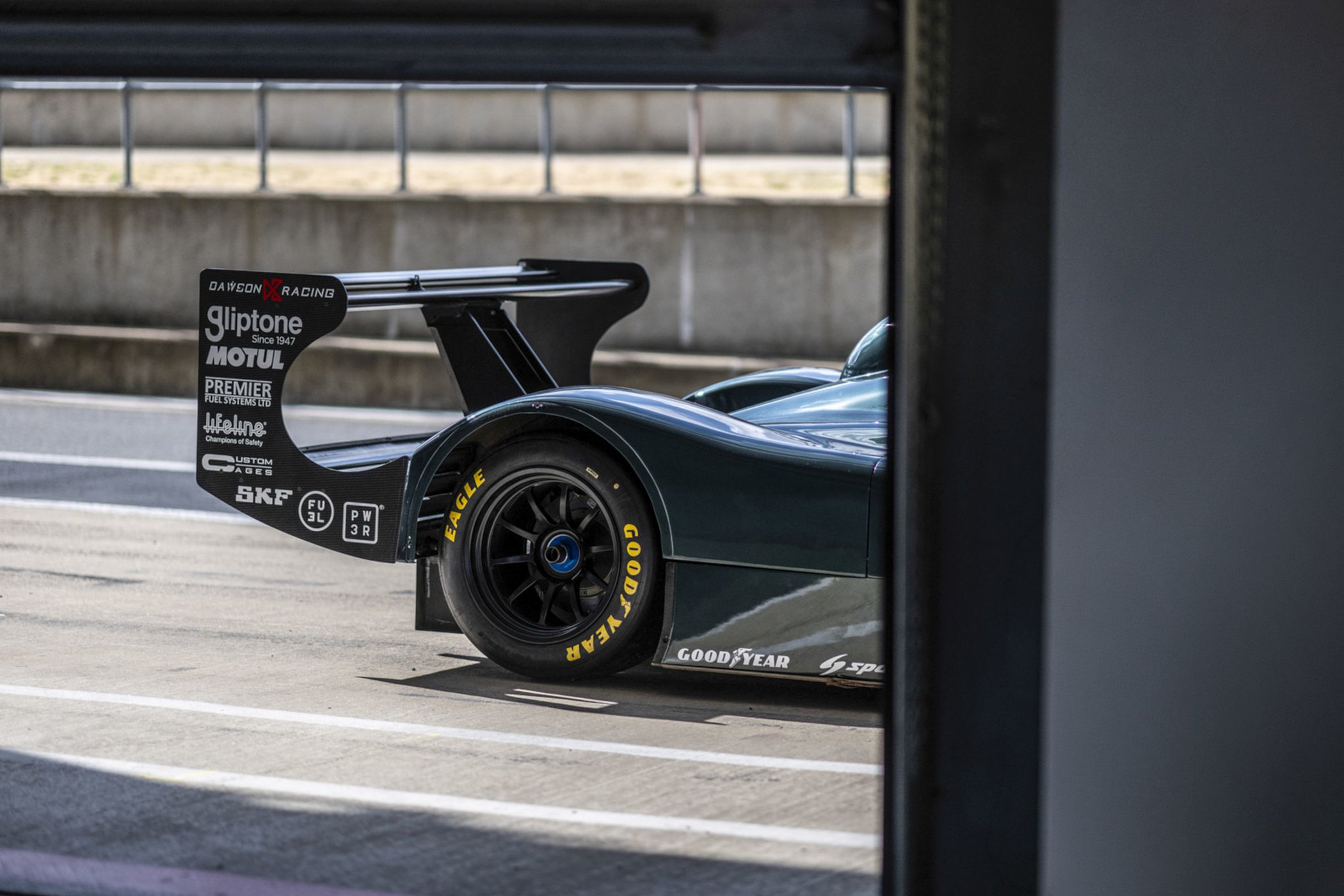
BRM has indicated that testing kilometres are next, with the broader ambition of racing the P351 again.
That matters because the car’s early story was never really about being slow in a simple sense.
It was about a promising concept that arrived into a brutal competitive environment and was undone by reliability before it could make a meaningful case for itself.
Details & Specifications
| Brand | British Racing Motors |
|---|---|
| Model | P351 Group C prototype |
| Original reveal | January 1991 |
| Chassis | Carbon composite monocoque |
| Body style | Closed-cockpit prototype, restored to original P351 configuration |
| Engine | Naturally aspirated 3.5-litre Weslake-based V12 |
| Power | Around 620 horsepower |
| Gearbox | Period gearbox |
| Livery | Metallic British Racing Green with orange BRM nose |
| Production | One chassis built |
| Restoration | Acquired by BRM in 2024 and rebuilt by Ian Dawson |
The restored P351 won’t rewrite Group C history, but it does restore a missing sentence from it.
For enthusiasts drawn to the ambitious, fragile and unfinished edges of motorsport, that may be more interesting than another familiar winner.