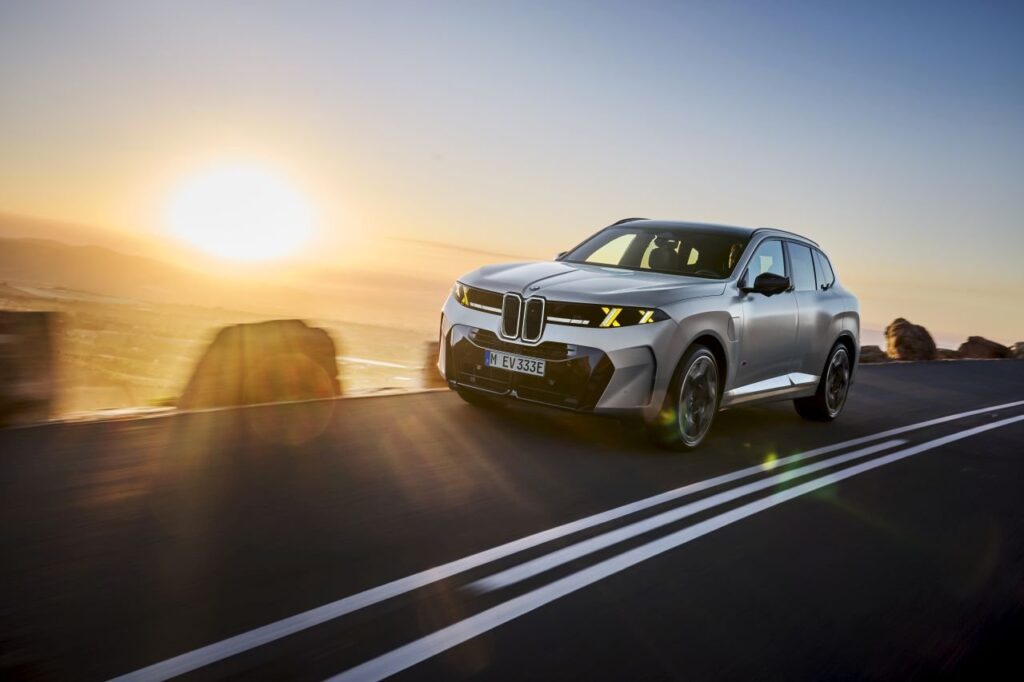
BMW’s next X5 is shaping up to be one of the brand’s most broadly powered SUVs yet, with everything from combustion engines to hydrogen in the mix.
For drivers who still want the old-school appeal of a large-capacity performance engine, the key model is expected to arrive after the initial launch.
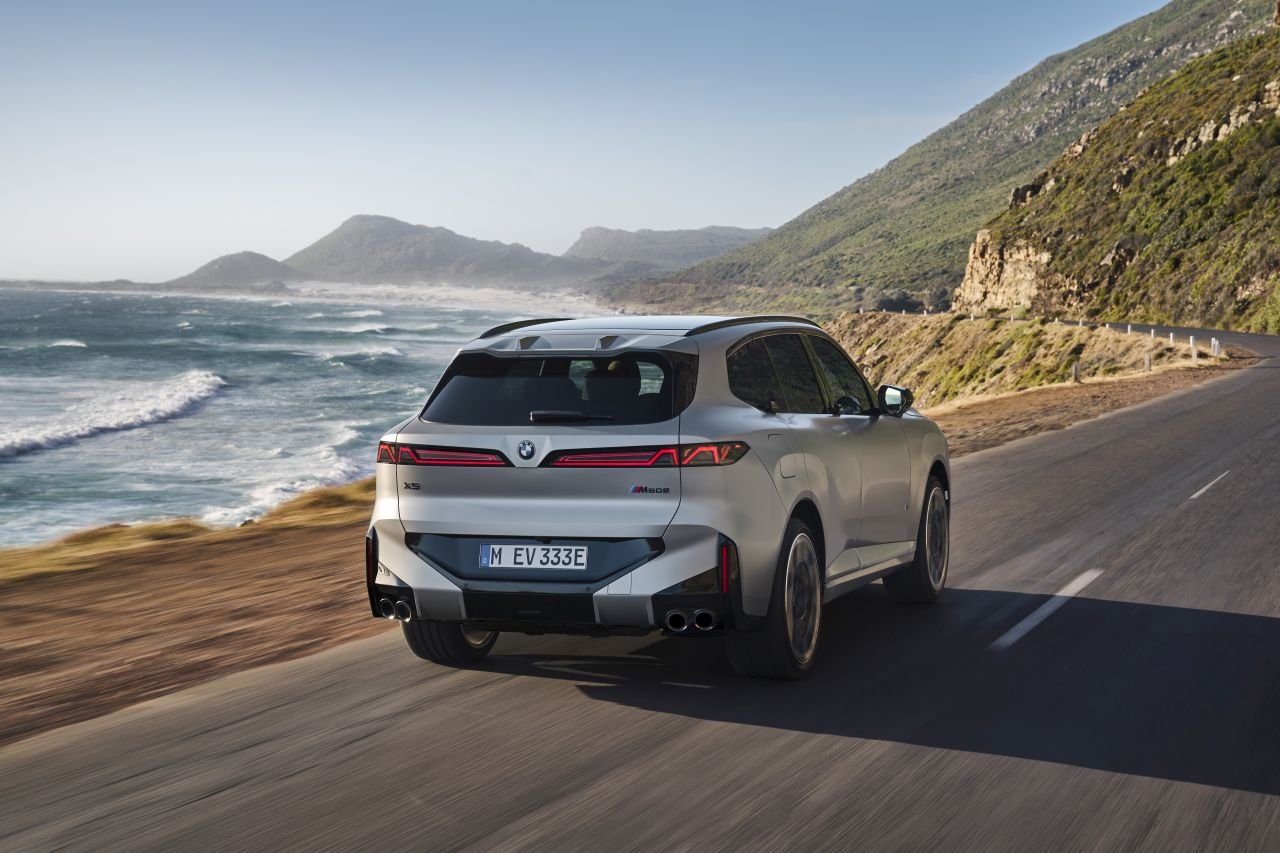
That version is set to be the X5 M60, an M Performance variant using BMW’s familiar twin-turbocharged 4.4-litre V8.
At a glance
- The next-generation BMW X5 is expected to gain a V8-powered M Performance variant after launch.
- The hotter model is tipped to use BMW’s twin-turbocharged 4.4-litre V8 without plug-in hybrid assistance.
- The broader X5 range will include petrol, diesel, plug-in hybrid, fully electric and hydrogen powertrains.
A wider X5 family with one emotional gap
The next X5 will cover an unusually broad spread of powertrains, including petrol, diesel, plug-in hybrid, fully electric and hydrogen versions.
That gives BMW room to serve company-car buyers, long-distance diesel loyalists, EV adopters and early hydrogen customers under one familiar SUV badge.
At launch, the combustion side of the range is expected to lean on inline-six engines, a sensible move for efficiency and refinement.
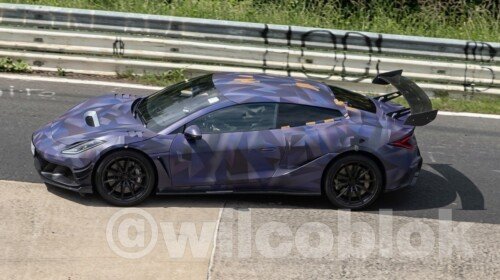
For many BMW enthusiasts, though, the absence of a V8 at the start leaves a very obvious space at the top of the everyday performance ladder.
The X5 M60 and the M Performance sweet spot
The coming V8 model is expected to wear the X5 M60 badge, placing it in BMW’s M Performance tier rather than as a full X5 M.
That positioning matters because M Performance SUVs usually aim for a blend of pace, usability and polish rather than the sharper edge of a dedicated M car.
The engine is the headline detail.
BMW’s twin-turbocharged 4.4-litre V8 has long been central to the character of its larger performance models, and its return to the X5 range would give the SUV a more emotive option than the six-cylinder launch cars.
Notably, the X5 M60 is expected to avoid plug-in hybrid assistance, keeping the focus on a more direct V8 experience.

That should appeal to buyers who want the sound, response and character of a big petrol engine without moving all the way into full M territory.
BMW’s changing badge language
The M60 name also reflects a wider shift in BMW’s badging strategy.
The brand is moving away from using the “i” suffix for petrol-powered models, reserving it for electric vehicles going forward.
For a model like the X5 M60, that creates a cleaner distinction between combustion performance and the electric side of the line-up.
It also makes the badge easier to read at a glance, especially as the X5 family expands across several very different forms of propulsion.
Details & Specifications
| Brand | BMW |
|---|---|
| Model | X5 M60 expected |
| Vehicle type | M Performance SUV |
| Engine | Twin-turbocharged 4.4-litre V8 |
| Hybrid assistance | Not expected to be a plug-in hybrid |
| Positioning | Above the inline-six combustion models, below a full X5 M |
| Broader X5 powertrains | Petrol, diesel, plug-in hybrid, fully electric and hydrogen |
| Expected timing | Later this year |
If BMW gets the balance right, the X5 M60 could be the most compelling driver’s choice in the new X5 family, not because it chases the extremity of an X5 M, but because it keeps the V8 alive in a package built for daily use.