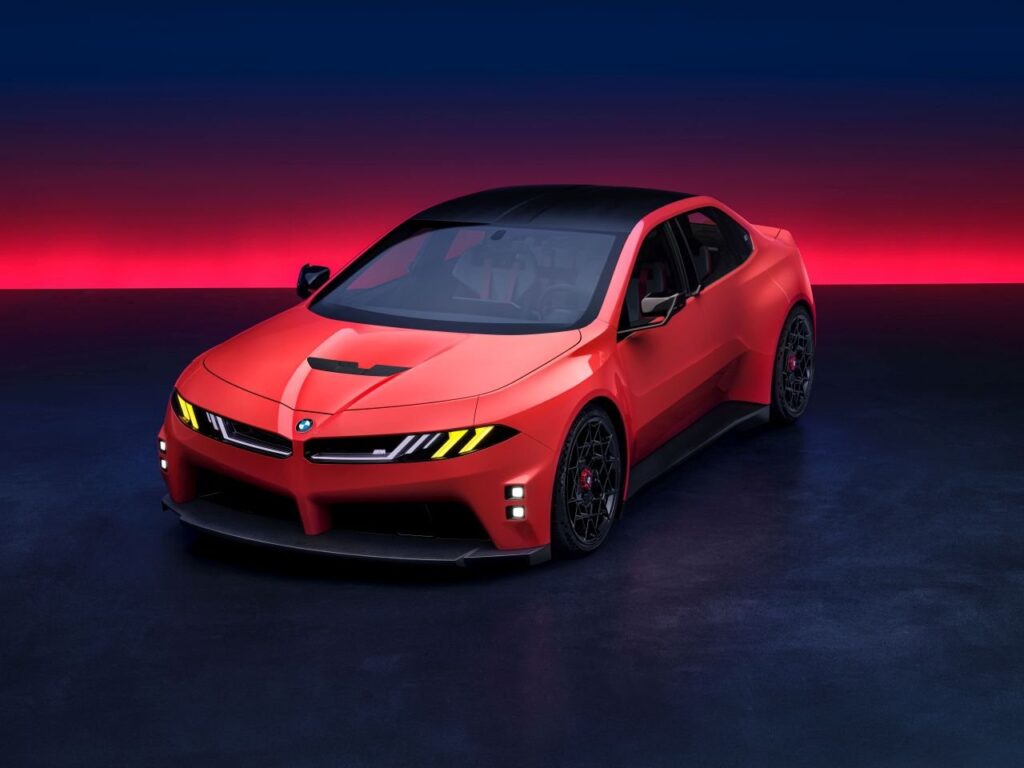
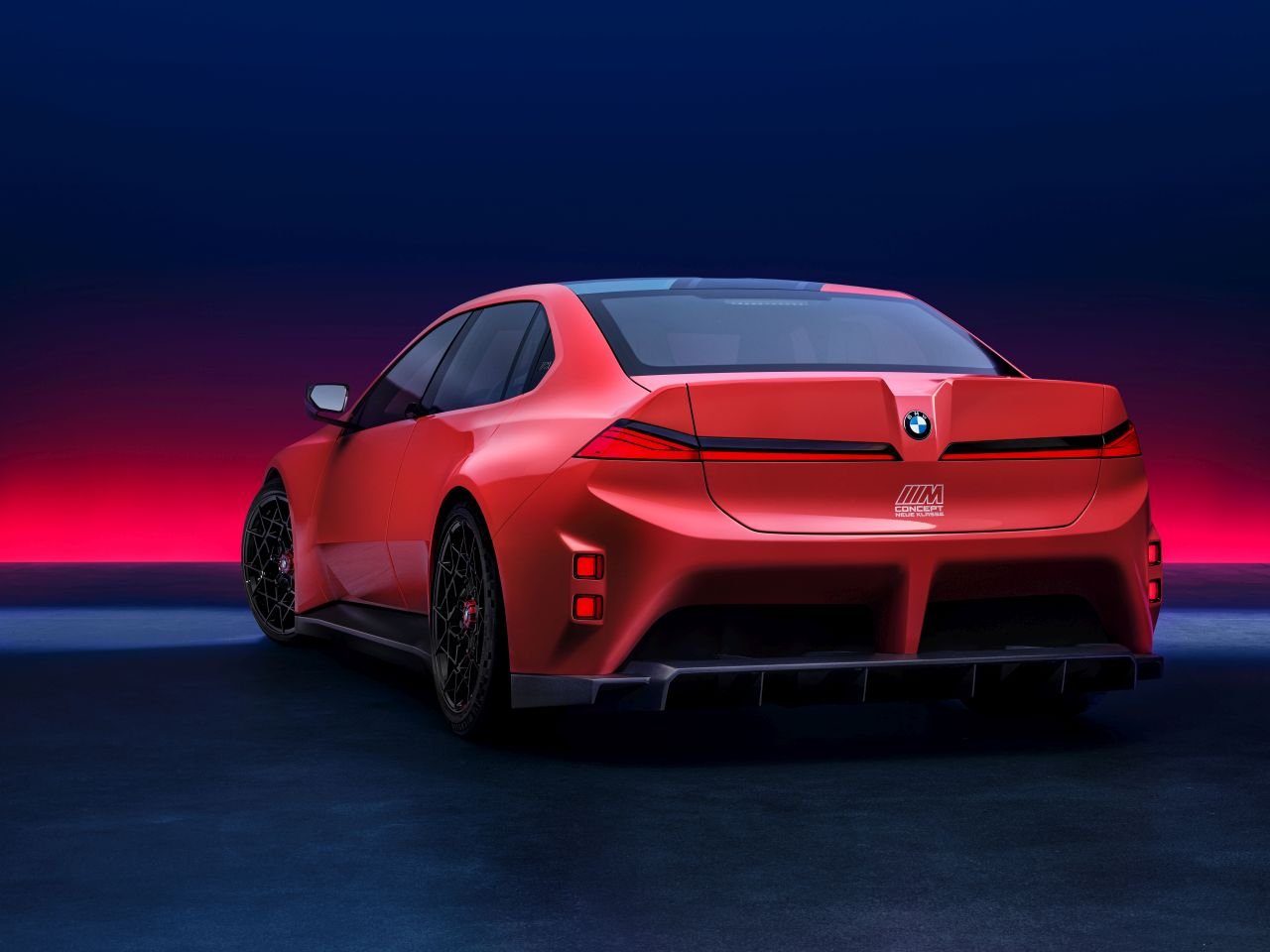
The next BMW M3 will enter a performance-car world obsessed with giant electric power figures, but BMW M isn’t treating horsepower as the whole story.
The brand has already shown it can push an EV far beyond the 1,000 hp mark, yet the electric M3 is being developed with a more disciplined brief.
For an M car, the point isn’t just how hard it launches once, but how precisely it behaves every time you ask something of it.
At a glance
- BMW M is not expected to turn the electric M3 into a 1,000 hp-plus production car.
- A quad-motor layout is planned, with all-wheel drive and the ability to decouple the front axle for rear-drive operation.
- The electric M3 should still comfortably exceed the performance of today’s 543 hp M3 CS, though final output remains undisclosed.
BMW M is resisting the horsepower race
BMW M boss Frank van Meel has made it clear that huge EV output is technically within reach.
The BMW Vision Driving Experience concept demonstrated that point with roughly 1,341 hp, proving that the hardware and software can be pushed into hypercar territory.
That doesn’t mean the production electric M3 needs to follow the same path.
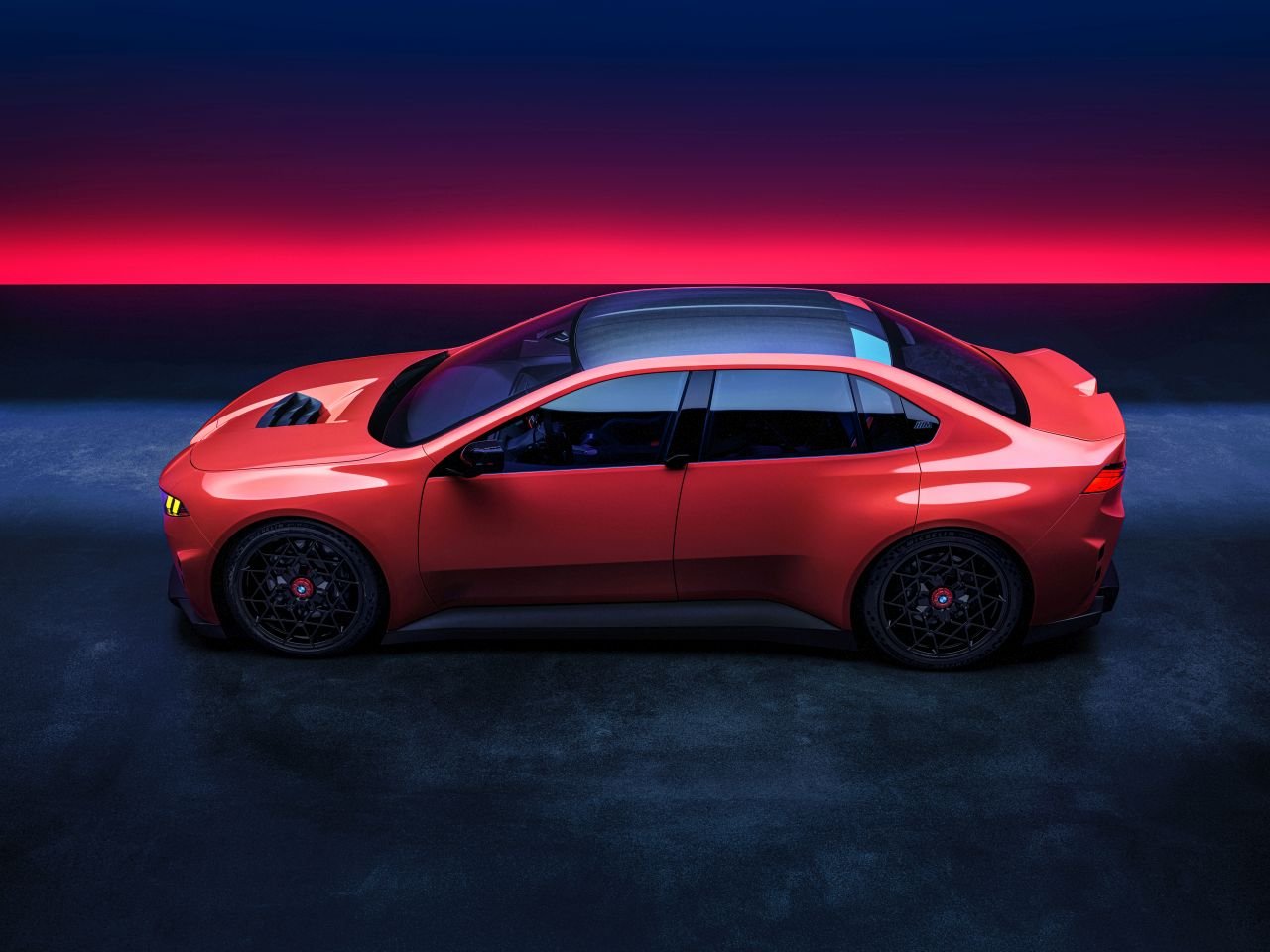
Four-figure power creates its own set of problems, particularly around efficiency, heat control and how consistently the car can deliver its performance.
In a road-going M3, those compromises matter because the car has to feel sharp on a back road, composed on a circuit and usable in daily driving.
Power is only useful if the chassis can make sense of it
The electric M3 is expected to be significantly quicker than the current M3 CS, which produces 543 hp.
Even without a confirmed figure, a production output below 900 hp appears more realistic than a headline-chasing 1,000 hp-plus rating.
That still leaves plenty of room for a major step beyond the petrol-powered M3, while giving BMW space to tune the car around response, repeatability and control.
For a brand built on steering feel, throttle precision and chassis balance, that restraint may prove more important than a bigger number on a spec sheet.
Quad motors and a rear-drive party trick
The most interesting confirmed direction is the planned quad-motor setup.
Using four electric motors gives BMW M far more control over torque delivery than a conventional combustion-engine layout, with the potential to fine-tune grip and rotation at each corner.
The system is also set to offer all-wheel drive with the ability to decouple the front axle entirely.
That means the electric M3 should be able to move between maximum traction and a more traditional rear-wheel-drive character, depending on the driving mode.
It’s a smart way to preserve part of the M3’s identity while still embracing the advantages of electric propulsion.
Details & Specifications
| Brand | BMW M |
|---|---|
| Model | Upcoming electric M3 |
| Powertrain | Electric |
| Motor layout | Planned quad-motor setup |
| Drive system | All-wheel drive with front-axle decoupling for rear-wheel-drive operation |
| Performance context | Expected to outperform the current 543 hp BMW M3 CS |
| Production output | Not yet confirmed |
The electric M3 won’t need a four-digit power figure to make its point.
If BMW M can combine serious output with clean thermal behaviour, adjustable traction and a rear-drive feel when the driver wants it, the car could be more compelling than another EV built mainly to win a numbers argument.