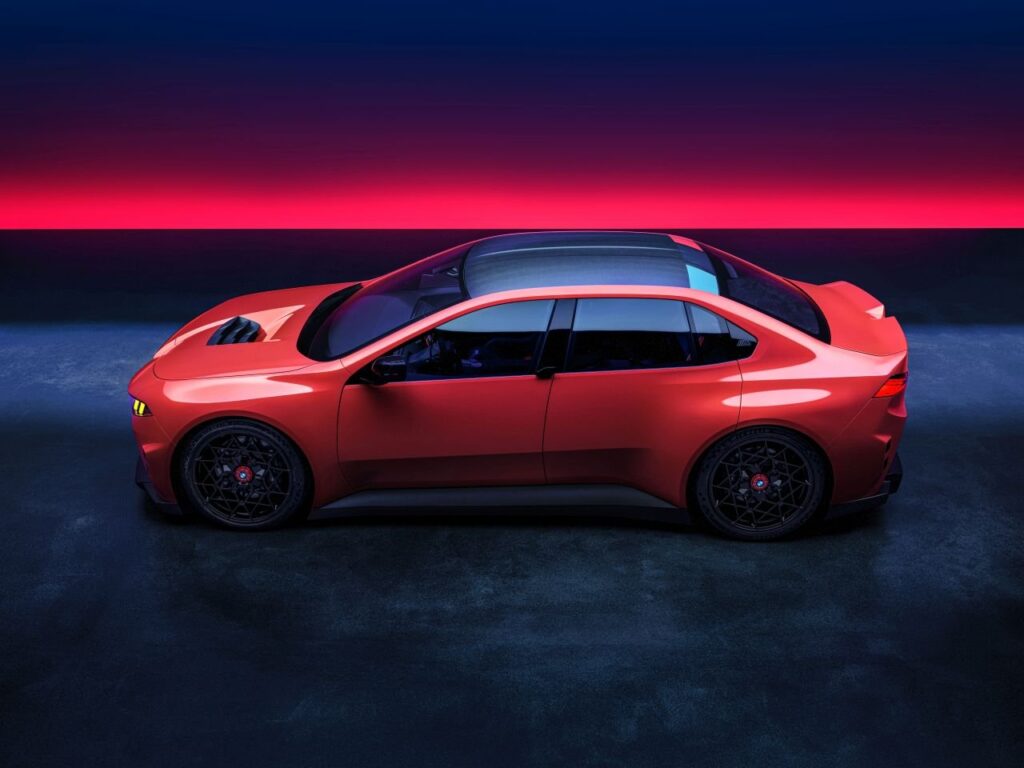
BMW M has long treated carbon fibre as shorthand for serious performance, but the Concept Neue Klasse points in a different direction.
Instead of leaning on the familiar black weave, the concept uses natural-fibre composites in some of its most visible and structurally relevant areas. It’s a quiet but important shift for a brand trying to carry M car precision into a more sustainable electric future.
At a glance
- BMW M is experimenting with natural-fibre composites on the Concept Neue Klasse instead of traditional carbon fibre.
- The material appears on the front splitter, roof, rear diffuser and interior seat structures, with a distinctive woven finish.
- BMW M says the flax-derived composite can deliver similar strength and stiffness to carbon fibre while reducing production emissions by around 40%.
A lighter material story beyond carbon fibre
The most interesting part of the BMW M Concept Neue Klasse isn’t just that it avoids carbon fibre in key areas.
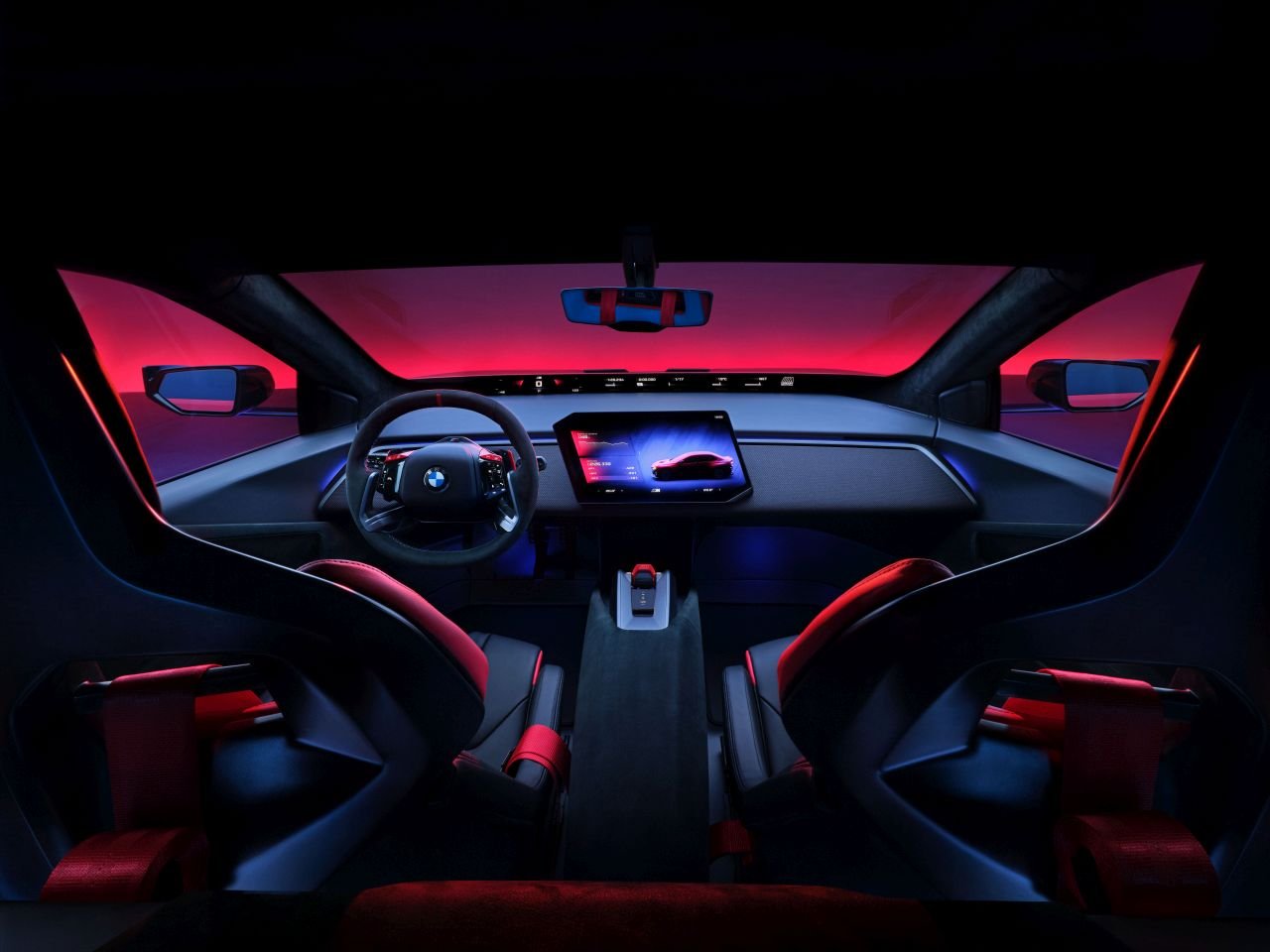
It’s that BMW M is treating natural-fibre composite as a serious performance material rather than a sustainability garnish.
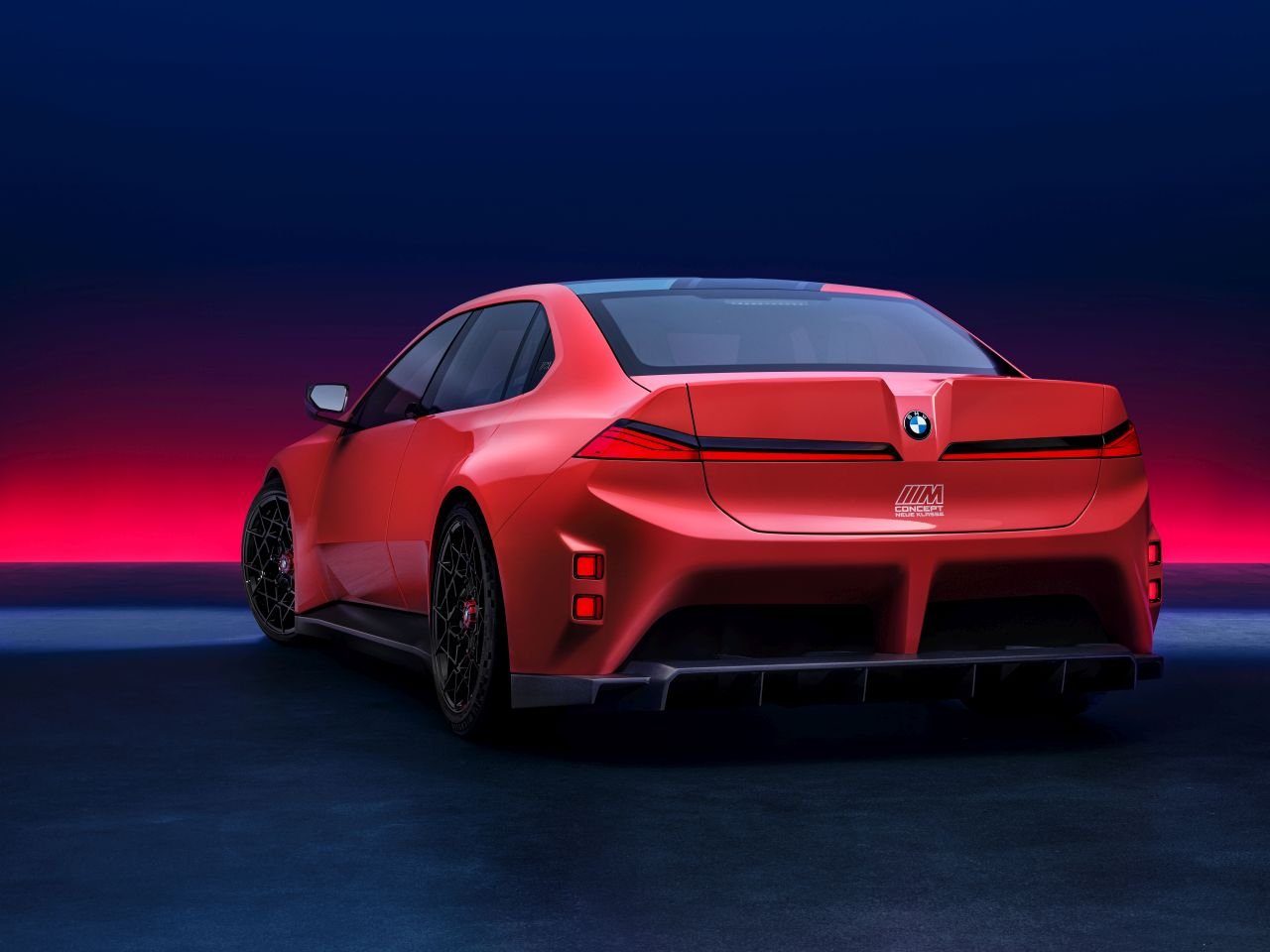
The concept uses the material across the front splitter, roof, rear diffuser and seat structures, which puts it in places normally associated with weight reduction and rigidity.
Visually, the composite still has a woven technical character, though it carries a warmer and more organic look than conventional carbon fibre.
Flax composites move from racing to road cars
BMW has been working with flax-based composites for several years, with early development tied to Formula E before the material appeared in the M4 GT4 race car.
That motorsport route matters because it suggests the company isn’t simply chasing a different aesthetic.
BMW M says the material can offer similar strength and stiffness to carbon fibre, while reducing production emissions by around 40%.
For electric performance cars, where battery weight and lifecycle emissions are constant pressure points, that trade-off becomes more than a talking point.
What it could mean for the electric M3
The next major step is production use, with the upcoming electric M3 expected to feature the technology as standard.
That would make the Concept Neue Klasse more than a design study and position natural-fibre composite as part of BMW M’s next-generation identity.
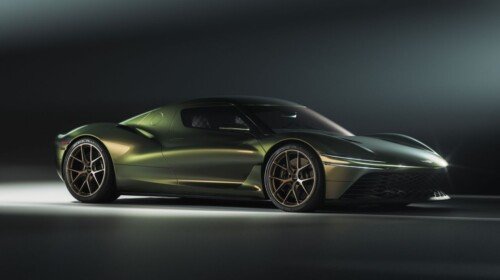
There’s also room for visual tuning.
BMW can alter weave patterns, and familiar M details such as roof accents could carry over without defaulting to carbon fibre.
That opens the door for future M models and performance cars to keep a technical, lightweight look while moving away from one of the most energy-intensive materials in the performance-car playbook.
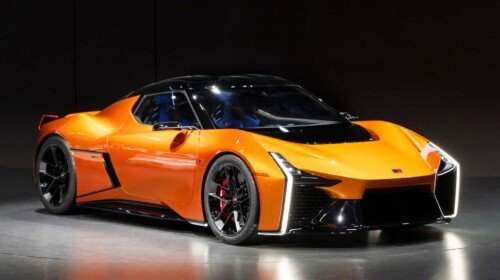
Details & Specifications
| Brand | BMW M |
|---|---|
| Model | Concept Neue Klasse |
| Material focus | Natural-fibre composites |
| Composite type | Flax-based material |
| Exterior applications | Front splitter, roof and rear diffuser |
| Interior applications | Seat structures |
| Claimed material benefit | Similar strength and stiffness to carbon fibre |
| Claimed emissions benefit | Around 40% lower production emissions |
| Development background | Tested in Formula E and used in the BMW M4 GT4 |
| Expected production use | Upcoming electric BMW M3 |
For BMW M, the appeal is clear enough.
If the brand can keep the stiffness, weight advantage and visual drama enthusiasts expect while cutting material emissions, natural-fibre composite could become one of the defining details of its electric performance cars.