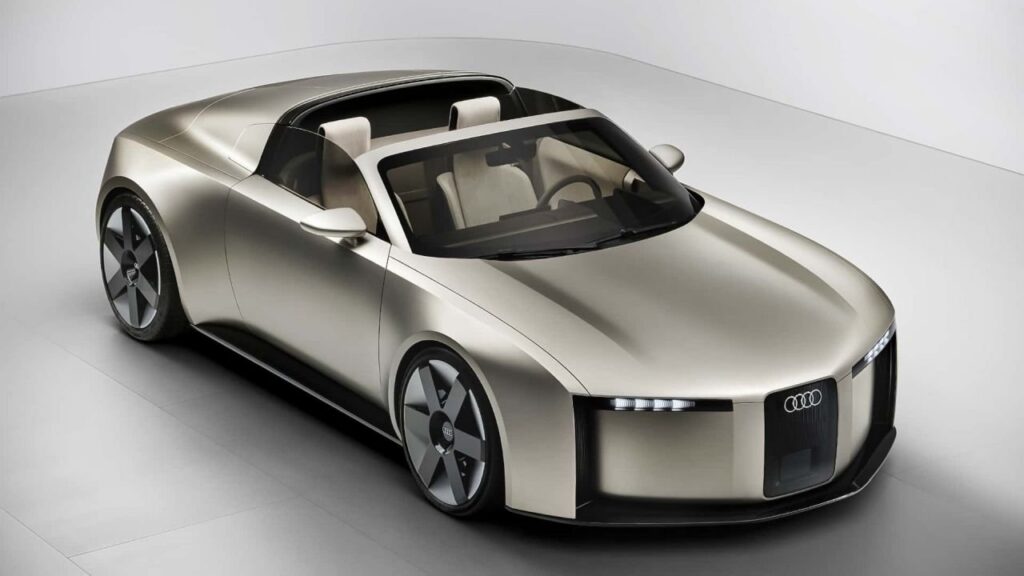
Audi’s next electric sports car is coming into sharper focus, and its foundations will be familiar to Porsche watchers.
During Porsche’s third-quarter 2026 earnings call, CFO Jochen Breckner said Porsche is providing the electric platform for the next-generation 718 Boxster and Cayman to an Audi project known internally as C-Sport.
That matters because it points to a new electric sports car within the Volkswagen Group that can share costly engineering while still giving Audi room to create a distinct character of its own.

At a glance
- Porsche is supplying the electric 718 Boxster and Cayman platform for Audi’s internal C-Sport project.
- The Audi model is expected to follow the Concept C direction, with a rear-wheel-drive, single-motor layout, while the architecture can also support a front motor for quattro all-wheel drive.
- Porsche’s electric Boxster and Cayman are set to be unveiled next year, while Audi’s production Concept C-related model is scheduled for 2027.
Shared sports-car architecture with separate identities
Breckner described the arrangement plainly, saying Porsche is offering its electric platform for the 718 Boxster and Cayman to Audi for the C-Sport project.
He also said Porsche will receive payment from Audi for the technology, with the first contribution expected in 2027.
The logic is clear without needing much corporate explanation.
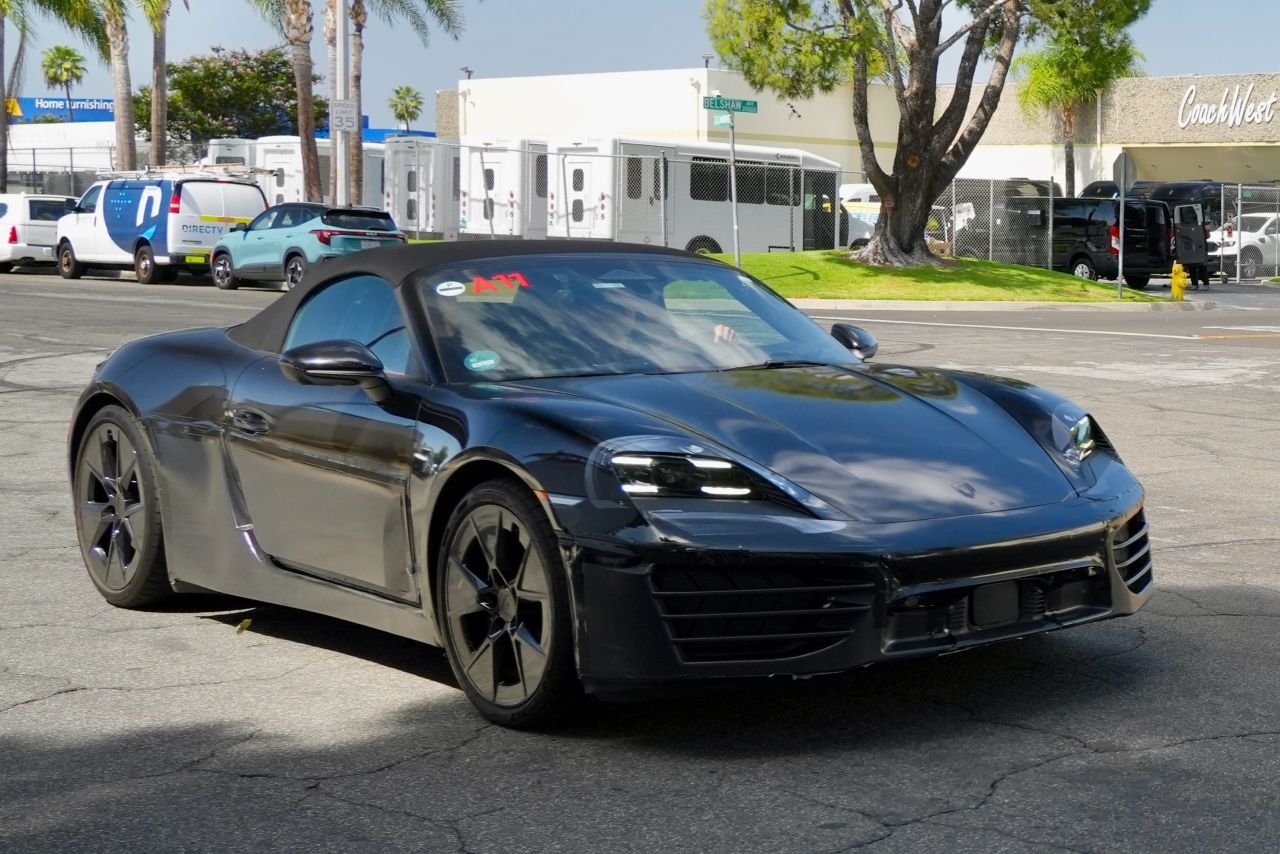
Electric sports cars are expensive to engineer, and sharing the underlying architecture allows both brands to spread development cost across more than one model.
That doesn’t mean the Audi has to feel like a rebadged Porsche.
Audi can still give its car different styling, suspension tuning, powertrain calibration and performance behaviour, all of which matter enormously in a compact sports car.
Concept C points to Audi’s direction
The production Audi is expected to follow the direction previewed by the Concept C.
That concept used a rear-wheel-drive, single-motor layout, which would be a notable setup for a modern electric Audi sports car.
The shared platform isn’t limited to that configuration.
It can also accommodate a front motor, giving Audi the option to use its quattro all-wheel-drive system if the production strategy calls for it.
That flexibility is important because it gives Audi a broad performance envelope without forcing every version of the car into the same mechanical character.
A rear-drive version would likely speak to drivers who want a cleaner, more traditional sports-car feel, while a quattro variant would suit Audi’s long-running all-weather performance identity.
Timing for Porsche and Audi
Porsche is set to unveil the electric Boxster and Cayman next year.
Audi’s production version of the Concept C is scheduled to arrive in 2027, aligning with the timing Breckner gave for Porsche’s first payment from Audi under the platform-sharing arrangement.
For Porsche, the next-generation 718 marks a major electric step for one of its core sports-car families.
For Audi, C-Sport gives the brand a route back into a focused sports-car space with hardware developed for precisely that purpose rather than adapted from a mainstream EV.
Details & Specifications
| Brand | Audi |
|---|---|
| Internal project name | C-Sport |
| Related Porsche platform | Electric platform for the next-generation 718 Boxster and Cayman |
| Expected design direction | Production model related to Audi Concept C |
| Expected layout | Rear-wheel drive with a single motor, following the Concept C direction |
| All-wheel-drive capability | Platform can accommodate a front motor for Audi quattro |
| Porsche timing | Electric Boxster and Cayman set to be unveiled next year |
| Audi timing | Production Concept C-related model scheduled for 2027 |
The most interesting part of this plan is not simply that Audi and Porsche will share a platform, but that both brands now have a credible way to build electric sports cars with their own identities.
If Audi gets the calibration and design right, C-Sport could become one of the more significant enthusiast-focused EVs in the brand’s next chapter.