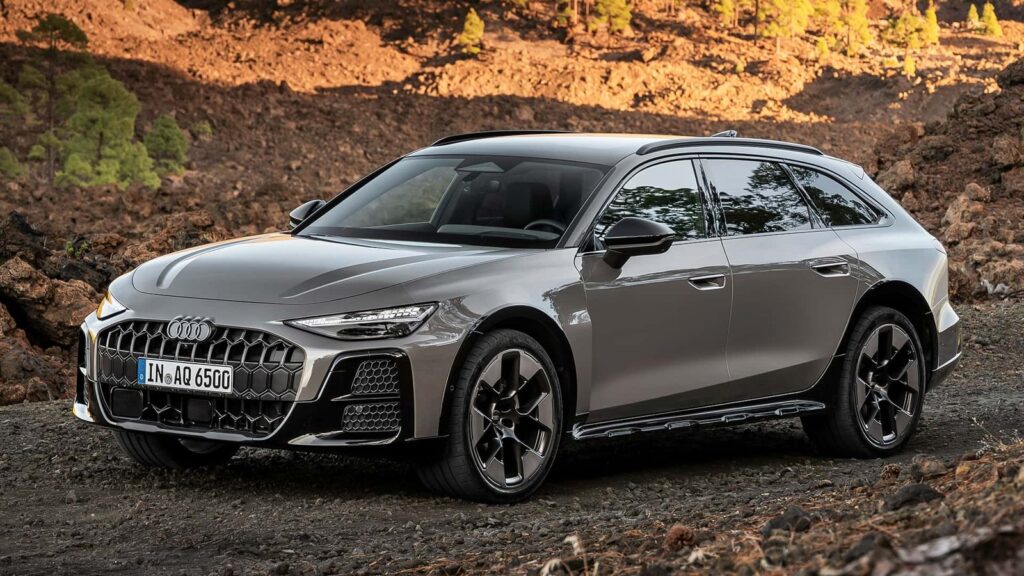
Audi’s American wagon story isn’t over, even in a market dominated by SUVs.
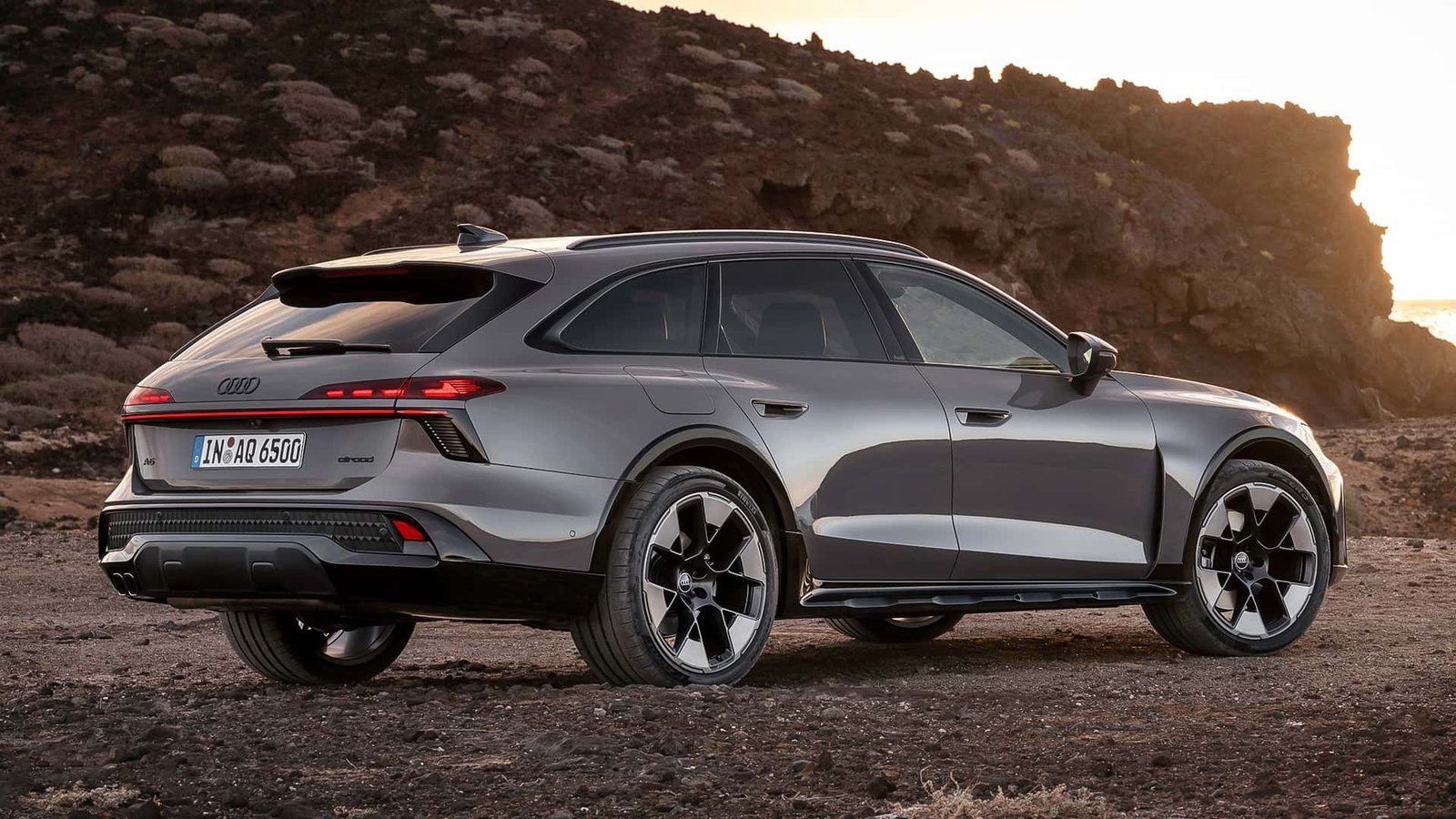
The brand currently offers just two long-roof models in the US, the RS6 Avant and A6 Allroad, but there are signs Audi is still interested in expanding that corner of its lineup.
The next-generation A6 Allroad has already been confirmed for the States for the 2028 model year, and Audi is looking at where other wagons could make sense.
At a glance
- Audi currently sells the RS6 Avant and A6 Allroad in the US, with the next-generation A6 Allroad confirmed for the 2028 model year.
- The brand still sees wagon demand in outdoor-focused regions, harsh-weather markets and even parts of New York City.
- Any future US wagon expansion will depend on whether the business case works for Audi of America.
For a brand with deep Avant history, the idea is more than nostalgia.
Audi has long used wagons to speak to buyers who want something more interesting than the default SUV, and that identity still matters in a market where many luxury lineups have started to look very similar.
Audi’s American wagon lineup is small but deliberate
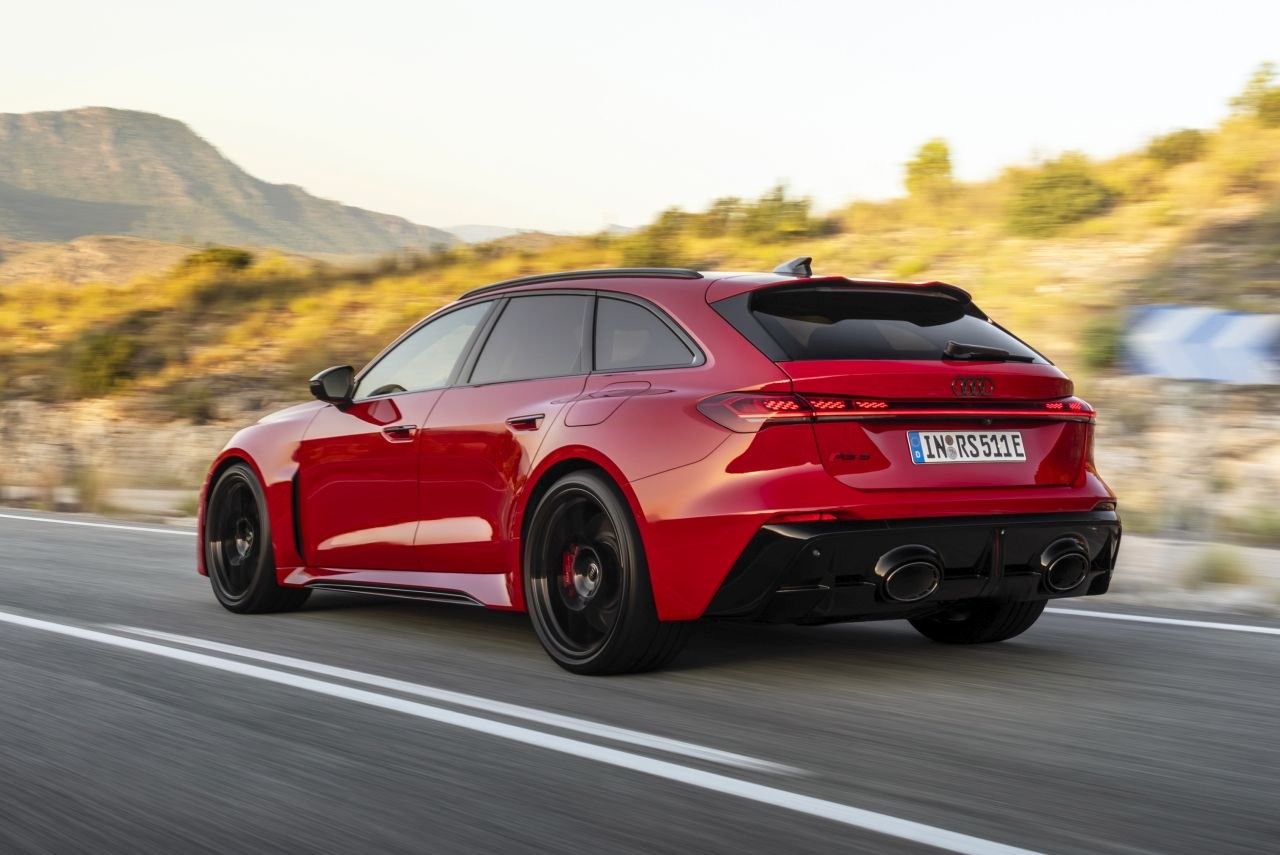
The RS6 Avant remains the emotional anchor of Audi’s US wagon offering, pairing serious performance with the everyday usability that made fast Avants a cult object in the first place.
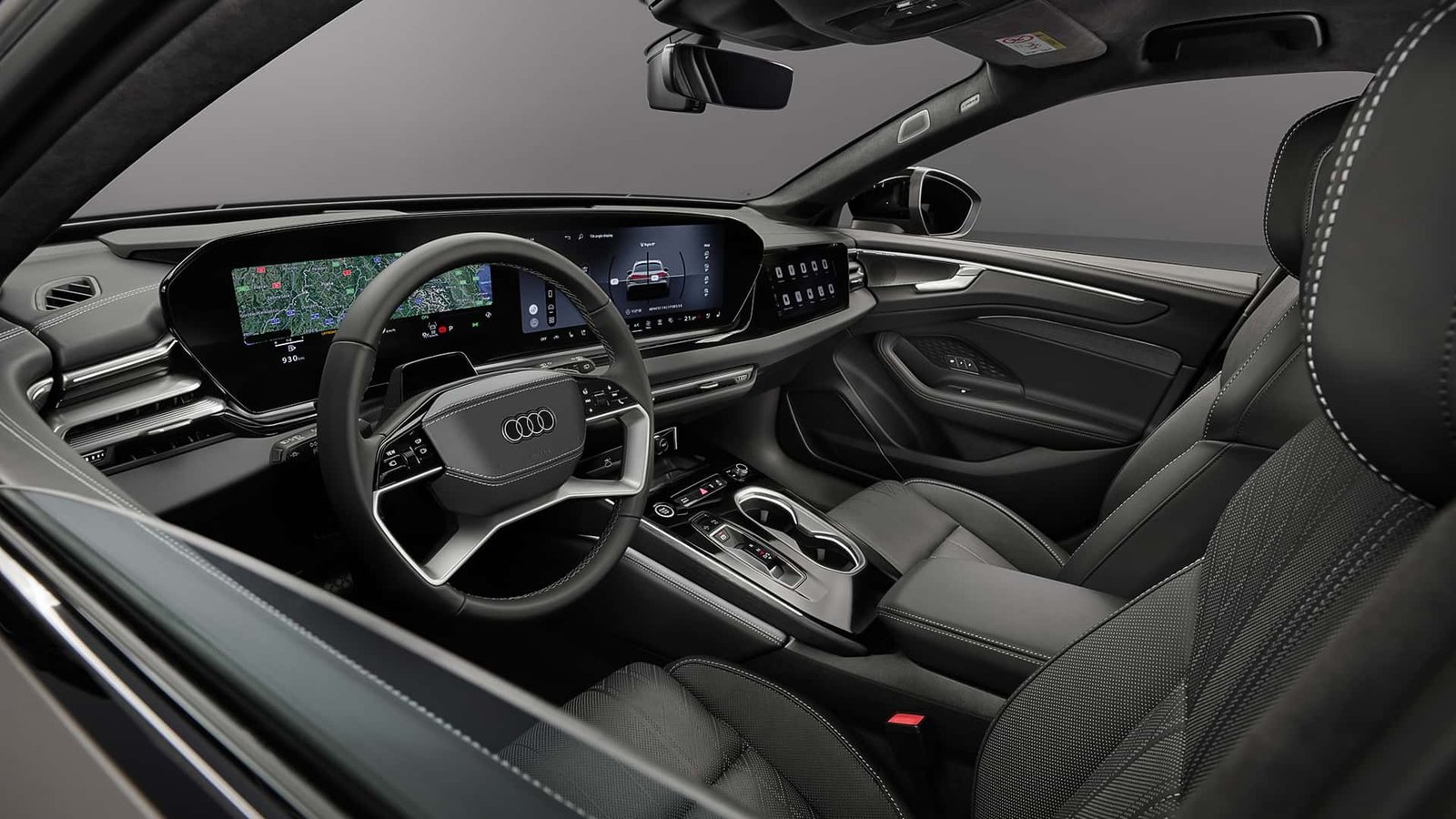
The A6 Allroad occupies a different lane, leaning into ride height, practicality and all-weather usefulness without moving fully into SUV territory.
That combination has become rare in the US luxury market, where most brands have shifted their practical models toward crossovers.
Audi, though, still has a clearer claim to the wagon than most of its rivals.
Filip Brabec, senior vice president of product management at Audi of America, has framed wagons as part of the brand’s enthusiast offering rather than a mainstream volume play.
His point is simple enough: Audi doesn’t want to be a brand that relies only on a few SUVs and sedans when it has a history of building more specialized cars for buyers who pay attention.
Where wagons still make sense in the US
The most obvious audience for an Audi wagon remains the buyer who needs genuine practicality but doesn’t want the height, image or driving feel of a traditional SUV.

That demand tends to appear in regions with strong outdoor cultures, mountain access, winter weather and buyers who value traction as much as cargo space.
In that context, the Allroad formula is especially logical.
It gives buyers much of the space and confidence they associate with an SUV while preserving the lower profile and road manners of a passenger car.

There’s also a less obvious urban angle.
New York City has historically been a strong market for the Allroad, helped by a very practical ownership detail in Manhattan parking garages.
A wagon can offer useful space and a slightly raised stance without being classified like an SUV for parking purposes, which can matter when monthly garage costs already run into serious money.

The Avant legacy still carries weight
Audi’s current US wagon footprint may be narrow, but the brand has sold a broader range of long-roof models here before.
The A4 Avant and A4 Allroad were once part of the American lineup, and earlier US buyers could also find more performance-focused wagons such as the S4 Avant and S6 Avant.
That history gives Audi credibility whenever it talks about bringing more wagons back.

These cars weren’t just alternative body styles, they helped shape the brand’s reputation among enthusiasts who liked all-weather performance, subtle design and a more understated form of luxury.
In Europe, wagons remain far more common and far more commercially important, which keeps the body style close to Audi’s core product culture.
The challenge in the US is translating that enthusiasm into enough sales to justify certification, marketing, logistics and dealer support.
The business case will decide what comes next
Audi’s interest doesn’t automatically mean a flood of new Avants is coming to American showrooms.
Every additional wagon has to make financial sense, especially in a market where SUVs continue to dominate luxury sales.
Still, the confirmed return of the next-generation A6 Allroad for the 2028 model year suggests Audi sees enough strength in the format to keep investing in it.
That matters because niche models can do more than add volume.
They can sharpen a brand’s identity, keep enthusiasts engaged and give customers a reason to choose Audi over a more predictable luxury SUV.
If more wagons do come to the US, they’ll likely be carefully chosen rather than broad-based additions.
That approach would suit the market, where the buyers who want an Audi wagon tend to know exactly what they’re looking for.
For them, the appeal is precisely that an Avant or Allroad doesn’t feel like the default answer.
It’s practical, capable and quietly distinctive, which may be exactly why Audi is still keeping the door open.