Volkswagen Group may be looking at one of its larger recent safety actions, with nearly four million vehicles worldwide potentially tied to a steering rack mounting issue.
The concern is not a complex electronic fault or a major powertrain defect, but a bolt that can be exposed to moisture and corrosion over time.
That makes the campaign especially relevant in markets where winter road salt is part of everyday driving life.
At a glance
- Volkswagen Group could eventually recall almost four million vehicles globally across Volkswagen, Skoda, Audi and Seat brands.
- The issue involves a right-hand steering rack mounting bolt that may be vulnerable to moisture and corrosion.
- The repair is expected to be relatively straightforward, with the affected bolt replaced by a more corrosion-resistant part.
A corrosion issue in a critical steering component
The affected part is a right-hand steering rack mounting bolt, a small component in physical terms but an important one in the structure that supports steering hardware.
Moisture exposure can make the bolt more susceptible to corrosion, with the risk heightened in regions that use salt on roads during winter.
That context matters because road salt is particularly aggressive on underbody components, especially when vehicles are used for years in wet, cold conditions.
For owners, the practical takeaway is that the fix is not expected to involve a major steering system replacement.
Volkswagen is expected to install a more corrosion-resistant bolt in place of the affected part, which should make the workshop procedure comparatively simple once the campaign reaches customers.
Volkswagen, Skoda, Audi and Seat models in the frame
The total number of potentially affected vehicles could reach almost four million worldwide.
Current estimates point to around two million Volkswagen models, more than one million Skoda vehicles, roughly 700,000 Audis and about 200,000 Seats.
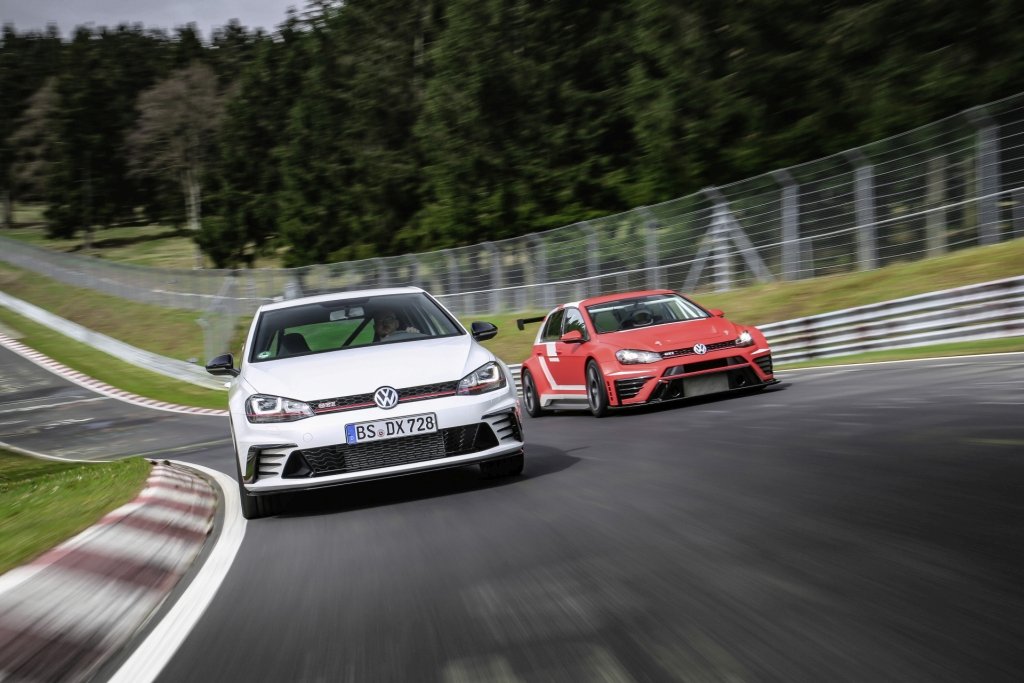
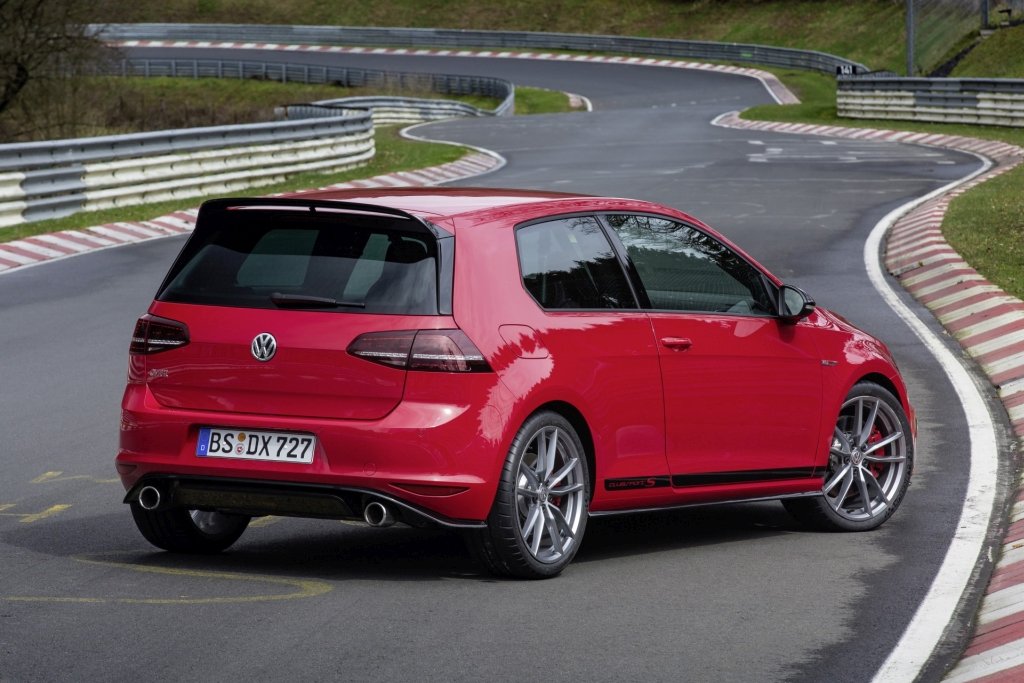
In Germany, Federal Motor Transport Authority data identifies Volkswagen models including the Golf, Golf Variant, Tiguan, Touran and Caddy.
For Audi, the Q3 appears to be the only model involved at this stage.
Seat vehicles believed to be affected include the Ateca and Tarraco built between April 2016 and September 2024.
The broad spread of brands is typical of a large automotive group that shares platforms, components and supplier networks across multiple nameplates.
Why winter markets will be watching closely
Any recall involving corrosion tends to draw particular attention in northern European countries, parts of North America and other cold-weather markets.
Vehicles in those regions can spend months each year driving through wet salt residue, which can accelerate corrosion around fasteners and exposed metal parts.
That doesn’t mean every vehicle will show the same level of wear, as local climate, storage conditions, mileage and maintenance patterns can all affect exposure.
It does, however, explain why regulators and manufacturers treat steering-related hardware with a high level of caution.
What owners should expect next
Owners of potentially affected models should wait for official notification from the relevant brand or local authority before booking work.
Once confirmed for a specific vehicle, the repair should be handled through authorised service channels.
As with any safety campaign, the key detail is whether a vehicle’s VIN falls within the affected production range rather than whether it simply matches a model name.
For Volkswagen Group, the scale is the story, but the nature of the repair should offer some reassurance.
If the campaign expands to the full estimated total, it will be a large logistical exercise built around a relatively small component with an outsized role in vehicle safety.