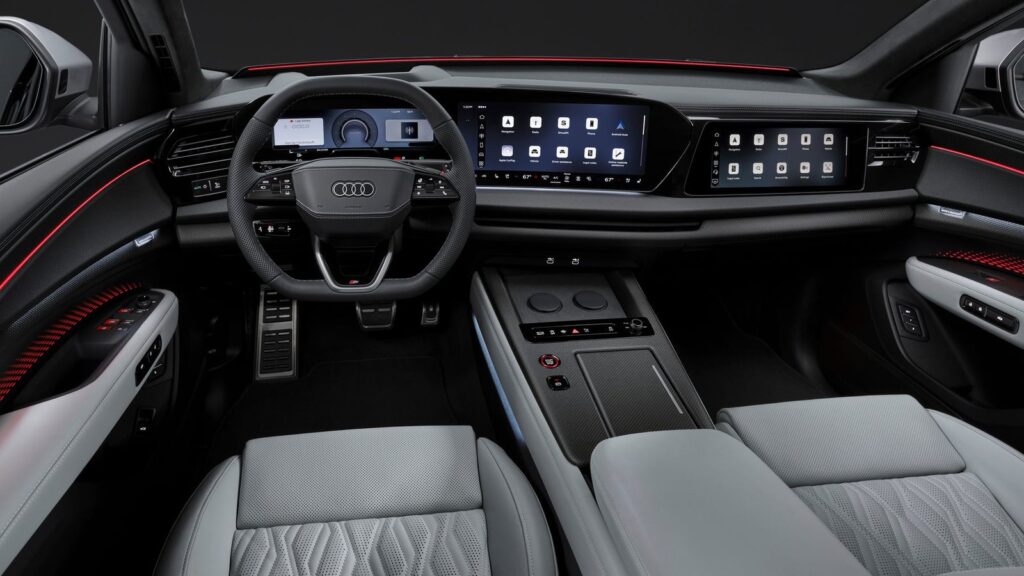
Audi is preparing to rethink one of the most visible cabin trends of the past decade.
After years of chasing larger screens and cleaner dashboards, the brand is moving toward interiors where technology feels less dominant and physical controls return to a more meaningful role.
It’s a sensible correction, especially for drivers who never warmed to the idea of tapping through menus for basic functions while on the move.
At a glance
- Audi’s next-generation interiors will reduce the dominance of large screens and reintroduce more physical controls.
- Technical chief Rouven Mohr has described the aim as a subtler integration of technology, with tactile buttons and digital interfaces working together.
- The shift reflects buyer feedback from Europe, North America and Australia, although upcoming models including the Q7 and rumoured Q9 are expected to retain the current display-led approach.
Audi’s quieter approach to cabin technology
The change doesn’t mean Audi is abandoning screens altogether.
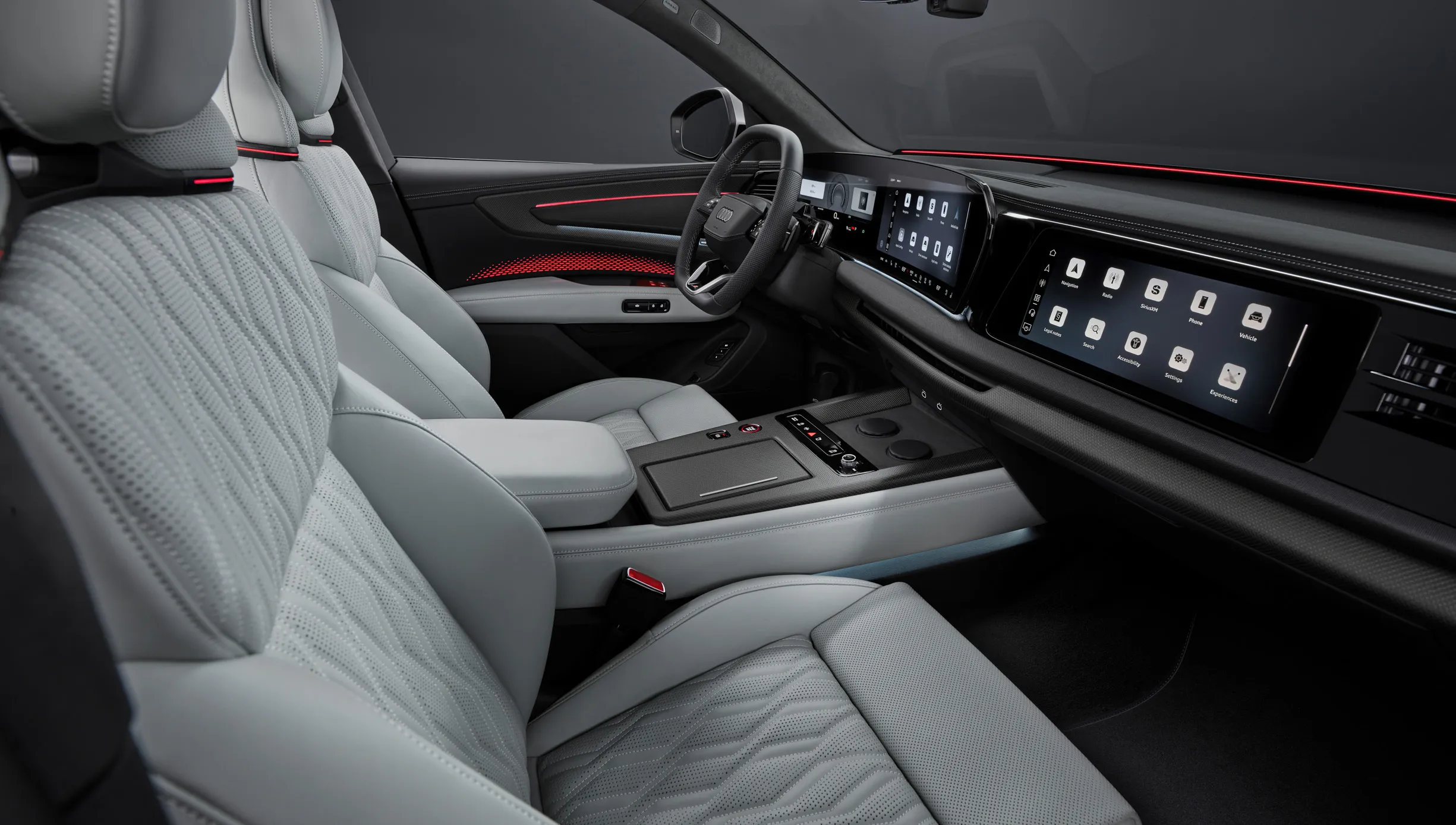
Digital displays will remain central to modern Audi interiors, but the brand wants them to feel better integrated rather than visually overpowering.
That marks a notable shift for a marque long associated with minimalist, tech-forward cabin design.

Rouven Mohr, Audi’s technical chief, has confirmed that future interiors will take a more balanced direction, pairing digital interfaces with physical controls where they make sense.
The idea is less about nostalgia and more about usability.
The return of controls drivers can operate by feel
The strongest argument for physical buttons is simple.

A driver can often locate a switch or rotary control by touch, while a flat screen usually demands more visual attention.
That distinction matters in daily use, particularly for common functions that shouldn’t require several taps or a glance away from the road.
Customer feedback across Europe, North America and Australia has made that preference increasingly clear.

For many buyers, the most advanced cabin isn’t necessarily the one with the fewest buttons, but the one that makes essential tasks feel effortless.
What changes first and what doesn’t
Audi’s new philosophy won’t appear across the range immediately.
Upcoming models such as the Audi Q7 and the rumoured Q9 are still expected to follow the current design language, with large displays playing a prominent role in the cabin.

That means the move back toward more physical controls is likely to be a longer product-cycle shift rather than a sudden reset.
For a brand with a broad global line-up, that kind of transition is normal.
New interior thinking usually arrives as fresh generations are developed, rather than being applied instantly to models already deep into their launch timelines.
A broader rethink of the digital dashboard
Audi’s decision lands at a moment when the car industry is reassessing how far the screen-first cabin should go.
Large displays helped create a cleaner look and gave manufacturers more flexibility, but they also moved many everyday functions into software menus.
The result can feel impressive in a showroom yet less convincing in real traffic.
A more tactile Audi interior could bring back some of the brand’s old ergonomic confidence without giving up the benefits of modern digital systems.
If Audi gets the balance right, its future cabins could feel less like devices on wheels and more like properly considered driver environments.
For enthusiasts and everyday owners alike, that would be a welcome course correction.