Audi’s quattro system has always been more than a badge on the bootlid.
For decades, it has been central to how the brand sells confidence, traction and performance, from rally imagery to fast road cars. Now Audi is looking at a smarter version of all-wheel drive, one shaped as much by software as by mechanical layout.
The idea is simple but significant. Future quattro systems could learn how a car is being driven and adjust torque distribution with far more intelligence than a conventional fixed setup.
At a glance
- Audi is developing a more intelligent, self-learning interpretation of its quattro all-wheel-drive system.
- The system would use software to manage torque distribution between the wheels, with different calibrations for performance or efficiency.
- Technology developed for the Nuvolari flagship could eventually influence more mainstream Audi models.
Software becomes the new quattro battleground
Audi CTO and R&D chief Rouven Mohr has described a future where torque distribution is handled on an intelligent, self-learning basis.
That marks a notable change in emphasis for quattro.
Historically, much of the conversation around Audi all-wheel drive centred on the hardware, particularly the type of centre differential being used and how it split torque front to rear.
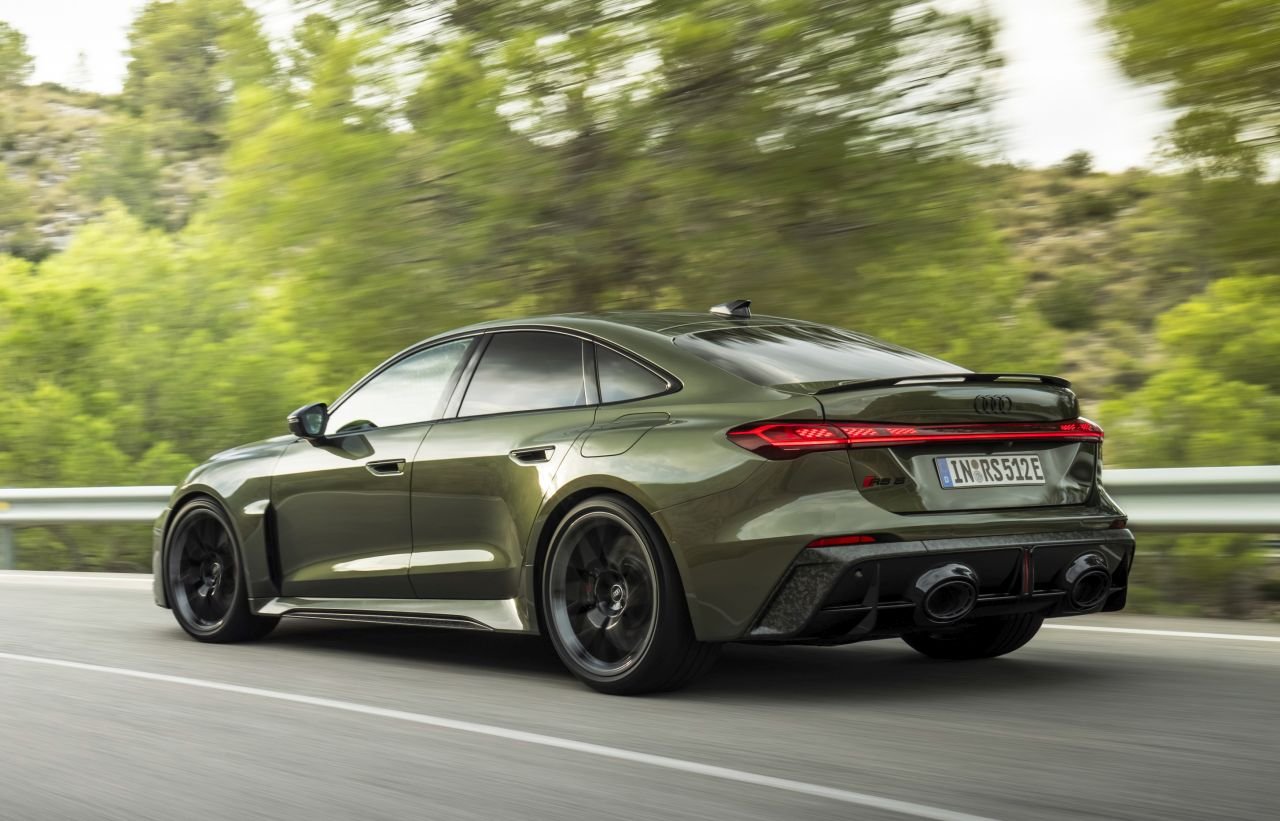
Mohr’s point is that the next step is less about hardware alone and more about the interaction between mechanical components and the software controlling them.
In practice, that could mean an Audi that reacts not just to road conditions, but also to the way its driver uses throttle, steering and available grip.
Two personalities for the same drivetrain idea
Audi sees more than one route for this technology.
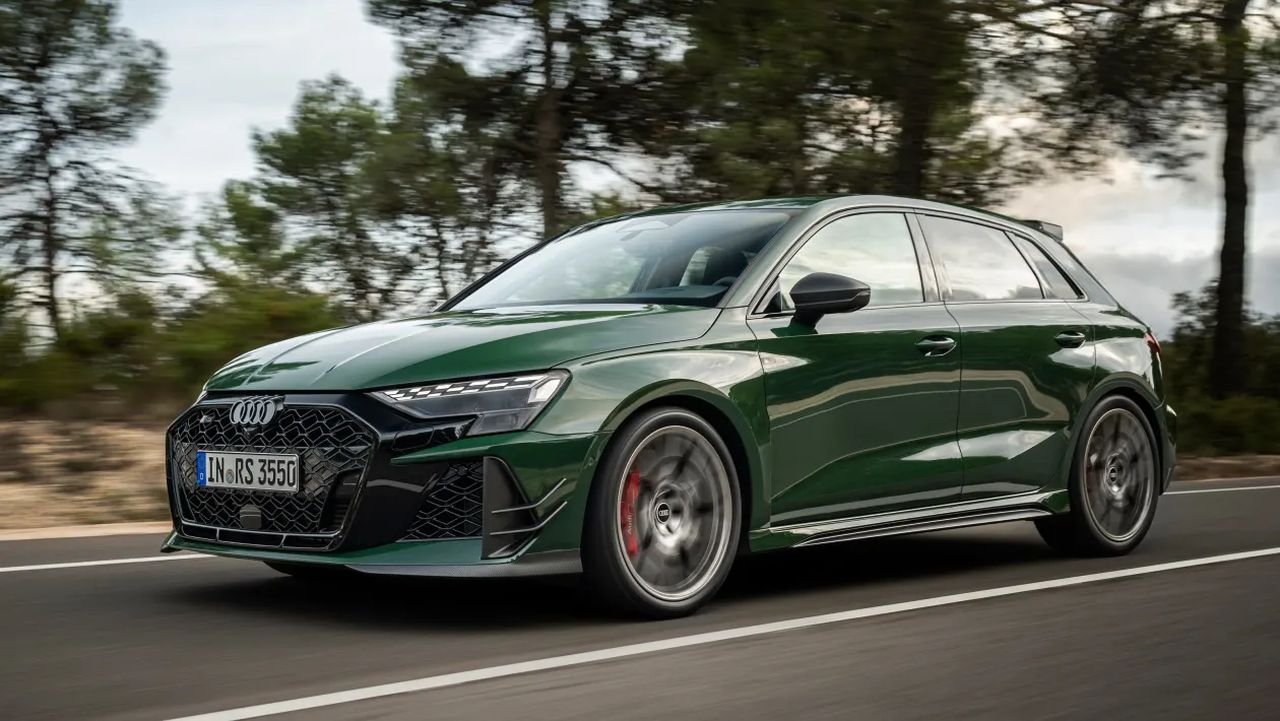
One version could be tuned to maximise traction and make the car more entertaining to drive, leaning into quattro’s traditional performance appeal.
Another could take the opposite approach and use all-wheel drive only when the car actually needs it.
That efficiency-focused version is especially relevant as automakers look for every possible gain in energy use, whether in combustion cars, hybrids or electric vehicles.

The important detail is flexibility.
A self-learning quattro system wouldn’t need to express the same character in every Audi, which opens the door for very different calibrations across performance models and everyday cars.
Why the Nuvolari technology matters beyond a flagship
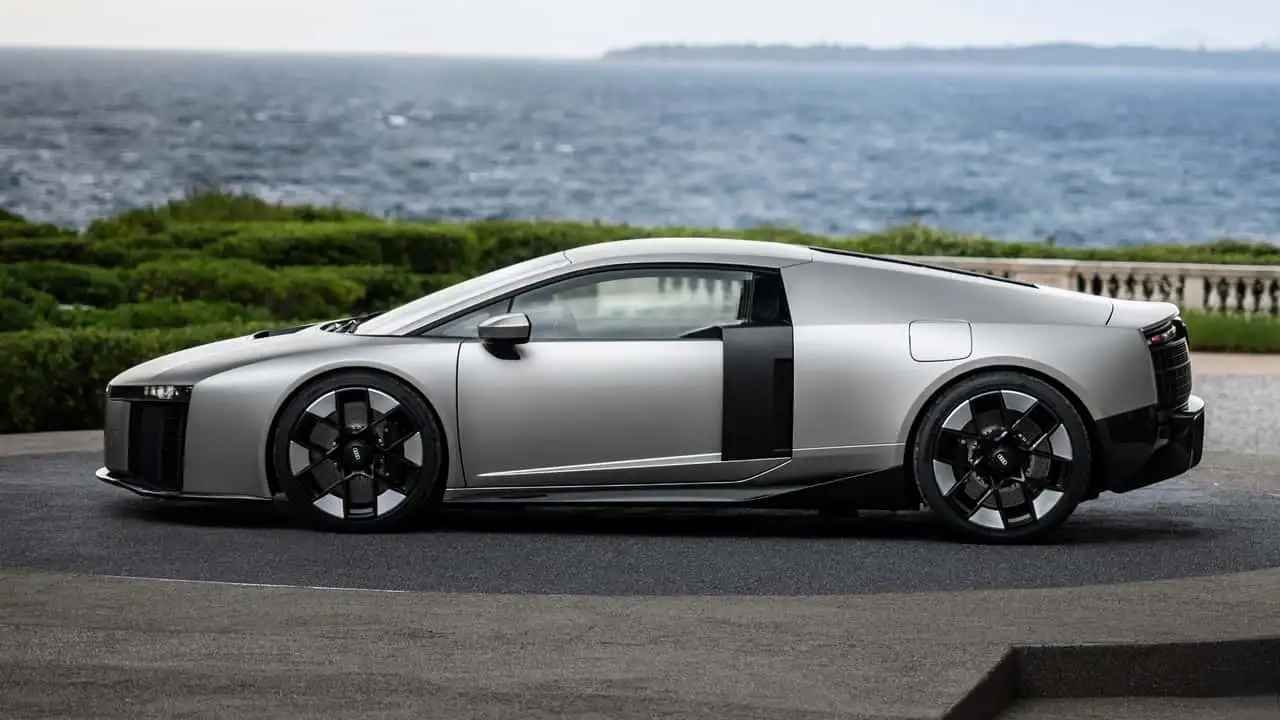
The technology has been developed for Audi’s latest flagship, the Nuvolari, but its broader importance lies in what it could mean for the rest of the range.
Flagship models often act as test beds for expensive or complex ideas before those systems are adapted for higher-volume cars.
If Audi can scale this intelligent drivetrain strategy, quattro could become less of a static all-wheel-drive layout and more of a dynamic control philosophy.
That would fit the direction of the wider performance car world, where chassis systems, torque vectoring, stability control and drive modes are increasingly defined by code.

For Audi buyers, the appeal could be a car that feels more agile when pushed, more secure in poor weather and less wasteful when all-wheel-drive traction isn’t required.
Details & Specifications
| Brand | Audi |
|---|---|
| Technology | quattro all-wheel drive with intelligent, self-learning torque distribution |
| Key function | Software-controlled torque allocation between the wheels |
| Development link | Technology developed for the Nuvolari flagship |
| Potential focus | Traction and driving engagement, or efficiency-led all-wheel-drive use |
| Future application | Potential use in more mainstream Audi models |
The shift doesn’t make quattro any less important to Audi’s identity.
If anything, it suggests the brand is preparing to redefine one of its signature technologies for an era where software can shape a car’s character as much as the hardware beneath it.