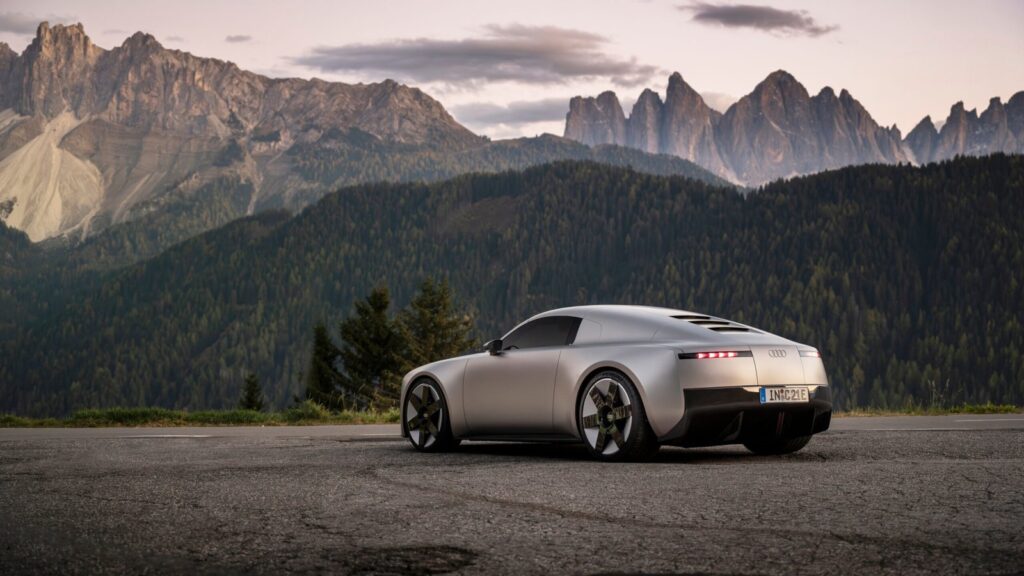
Audi is investigating how future electric cars could deliver more theatre without pretending to be combustion cars outright.
A recently surfaced patent points to a broad set of sensory ideas that would make an EV feel more animated, both from behind the wheel and from the outside.
Some of the thinking is subtle, such as letting more electric-motor vibration and whine reach the cabin, while other ideas move deep into concept-car territory.
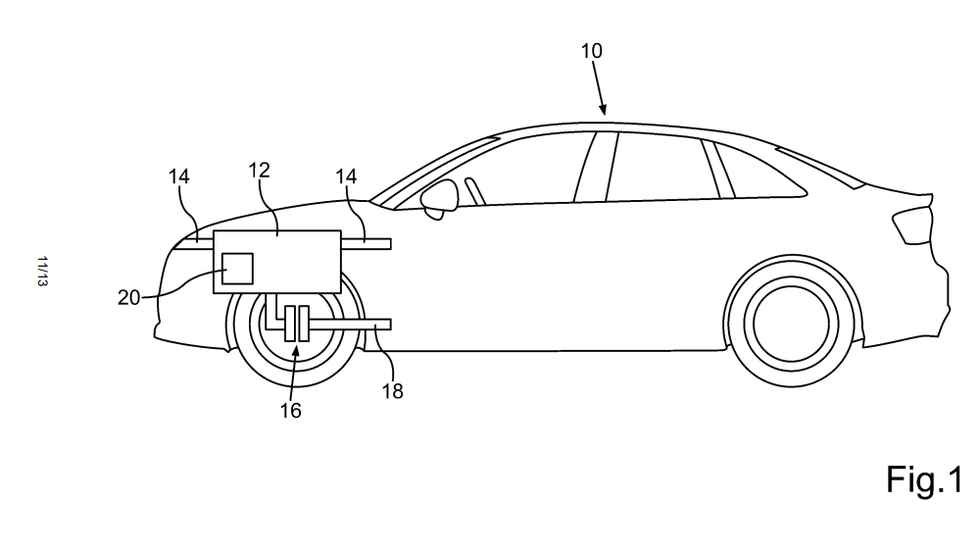
At a glance
- Audi is exploring patent ideas that could make future EVs feel more dramatic and interactive.
- The concepts include simulated standstill revving, amplified vibration, driving-mode scents, sparks, electrical arcs and visual effects.
- There’s no confirmed production timing, but the patent shows how carmakers are rethinking emotion in the electric era.
Making an EV feel alive at a standstill
One of the more intriguing ideas is a simulated neutral mode.
In a conventional performance car, neutral allows an engine to rev without moving the vehicle, creating a familiar bit of theatre before a drive or at a stop.
Audi’s concept would let the electric motor spin while the car remains stationary, giving an EV its own version of a standstill rev.
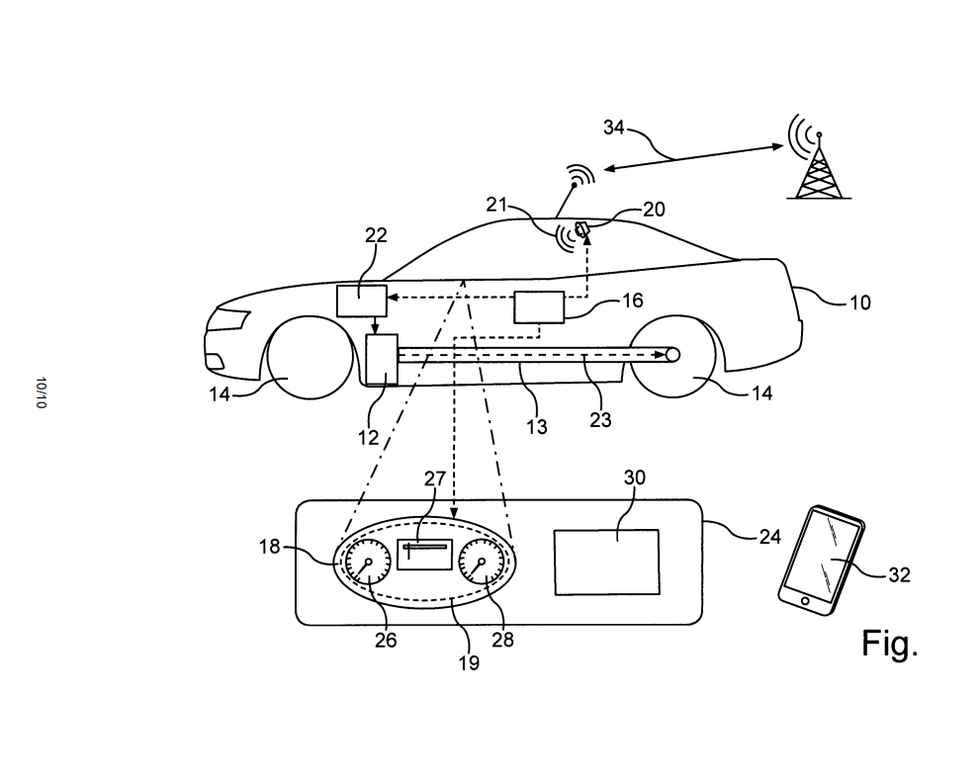
That effect could be paired with amplified sound and vibration, turning the motor’s movement into something the driver can hear and feel rather than something hidden behind refinement.
Less insulation, more electric character
Electric cars are often judged by how quiet they are, but silence isn’t always the same as character.
Audi’s patent considers deliberately transmitting electric-motor vibrations into the cabin instead of isolating them completely.

It also imagines reducing sound insulation so occupants can hear more of the motor’s natural high-frequency whine.
That’s a notable shift in thinking, because it treats the electric drivetrain as something with its own personality rather than an appliance to be muted.
Scented drive modes and visual drama
The ideas extend beyond noise and vibration.
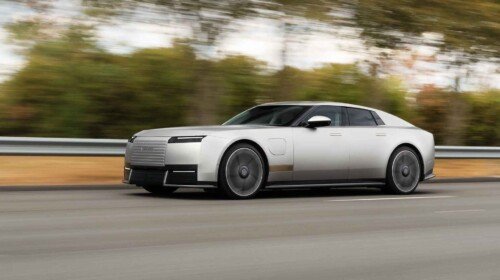
Audi has also considered scents that change with driving modes, including an “electrosmog” aroma inspired by toy trains.
It’s an unusual detail, but it fits a wider industry push to use sound, lighting and cabin atmosphere to create a stronger emotional connection in EVs.
The wilder elements are outside the cabin.

The patent includes the possibility of sparks beneath the car, visible electrical arcs and a warp-speed-style effect projected onto the windscreen.
Another concept involves electronically changing body colours that could respond to how the car is being driven.
Audi’s electric theatre problem
The challenge for brands like Audi is clear.
Electric powertrains can be brutally quick, but they don’t naturally deliver the mechanical rituals enthusiasts associate with performance cars.
There’s no idle, no gearshift interruption in the traditional sense, and no rising combustion note to mark effort and speed.
That leaves automakers deciding whether to chase imitation or build a new language of performance around electricity.
Audi’s patent ideas sit firmly in the second camp, even if some of them may be too theatrical for production in their most dramatic form.
Not every patented feature reaches a showroom, and these concepts should be read as exploratory rather than a promise of what the next RS-badged EV will do.
Still, the direction is telling.
As electric performance cars become quicker and more technically capable, the next battleground may be how memorable they feel when the numbers are no longer enough.