The French Riviera is at its most revealing once the height of summer has passed.
The beach clubs and grand hotels don’t disappear, but the tempo changes, and that’s where the region becomes far more interesting.
Restaurants are easier to enjoy, harbours feel less crowded, and the coastline regains the relaxed confidence that made it famous long before peak-season itineraries took over.
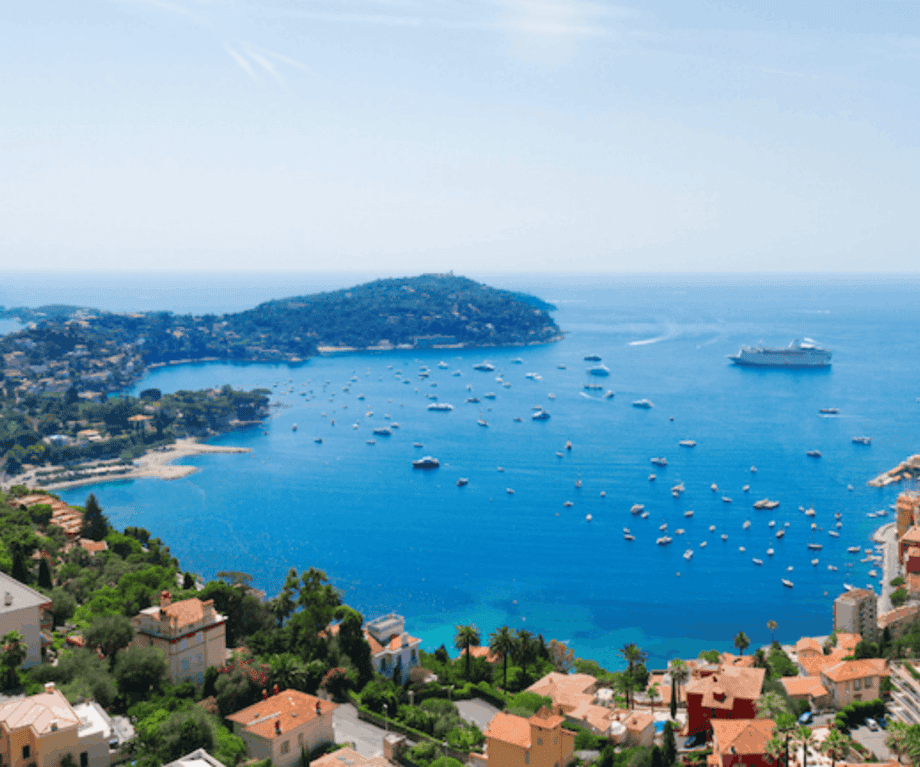
At a glance
- The French Riviera’s quieter post-summer season offers a calmer, more sophisticated way to experience the coast.
- Early mornings, unhurried lunches, smaller towns and time on the water reveal a more local side of the region.
- It’s especially appealing for travellers who prefer atmosphere, access and meaningful experiences over crowded peak-season schedules.
The Riviera after the summer rush
The Riviera’s global image is built on sunlit promenades, polished marinas and glamorous beach clubs, but that’s only one version of the coast.
When the busiest weeks fade, the same towns become easier to read.
Streets that felt overloaded in August turn walkable again, café conversations spill gently into squares, and the rhythm of daily life returns to the foreground.
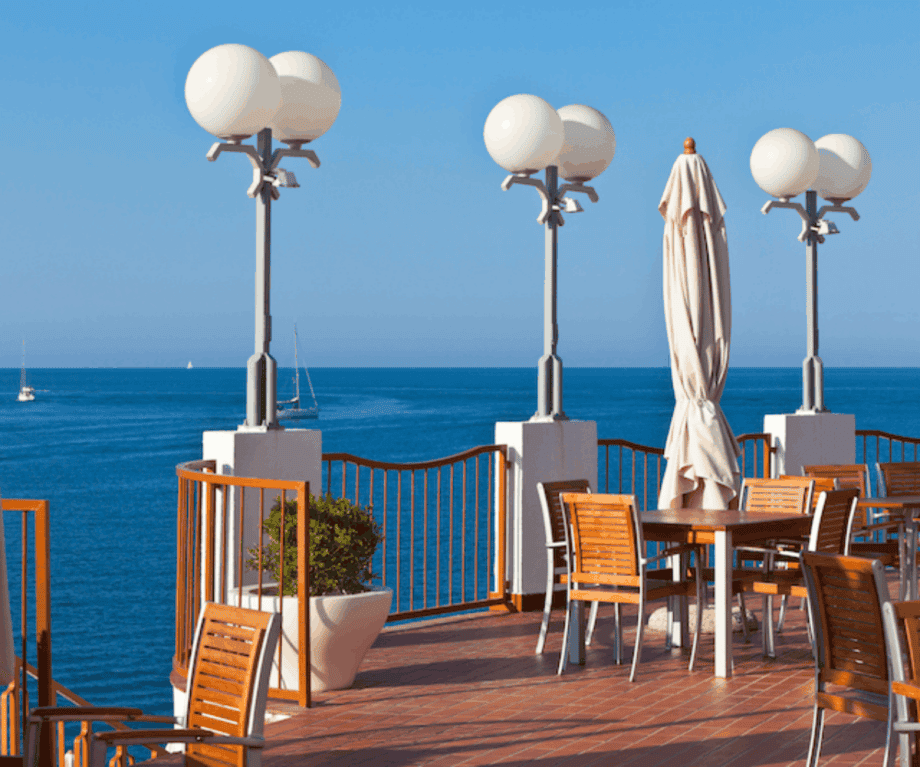
This is when the Riviera feels less staged and more lived-in.
For travellers arriving by sea, the change is even more noticeable.
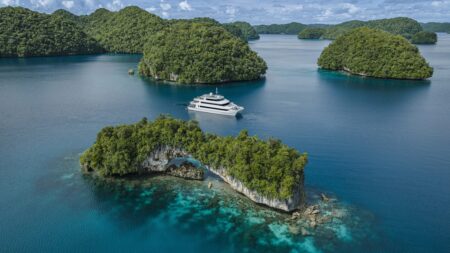
A luxury yacht charter along the French Riviera during the quieter season brings more flexibility around anchorages, less pressure around marina movements and a more personal sense of service ashore.
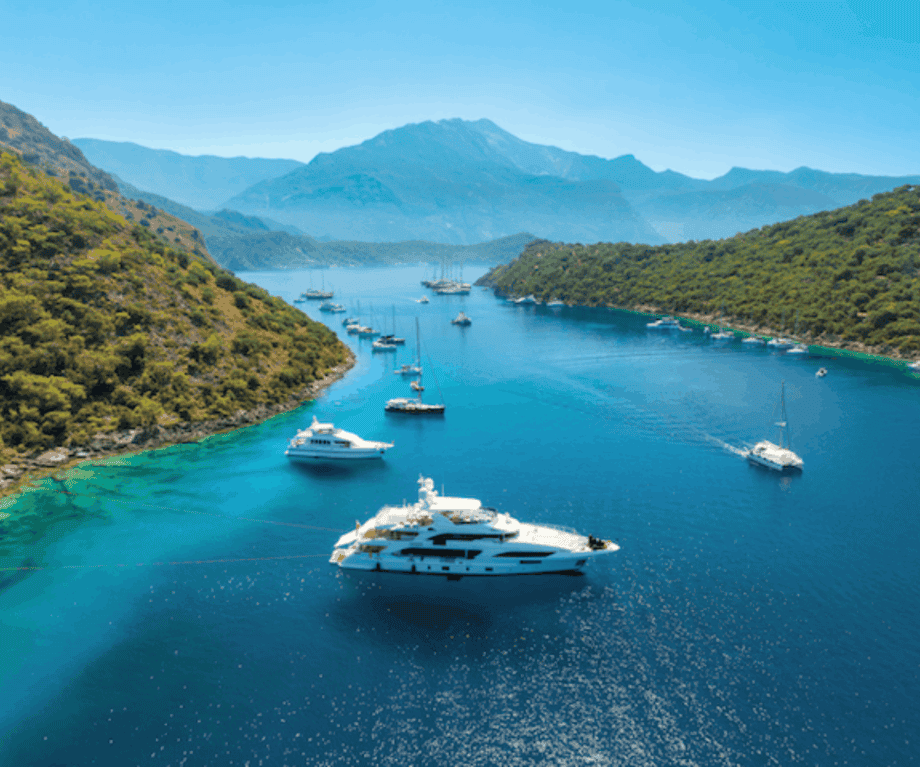
The point isn’t to see less, but to stop treating the coast like a checklist.
Start before the waterfront wakes
Early morning is one of the great privileges of this season.
The air is softer, the humidity has eased, and the waterfront belongs mostly to fishermen, shopkeepers and locals on their first coffee of the day.
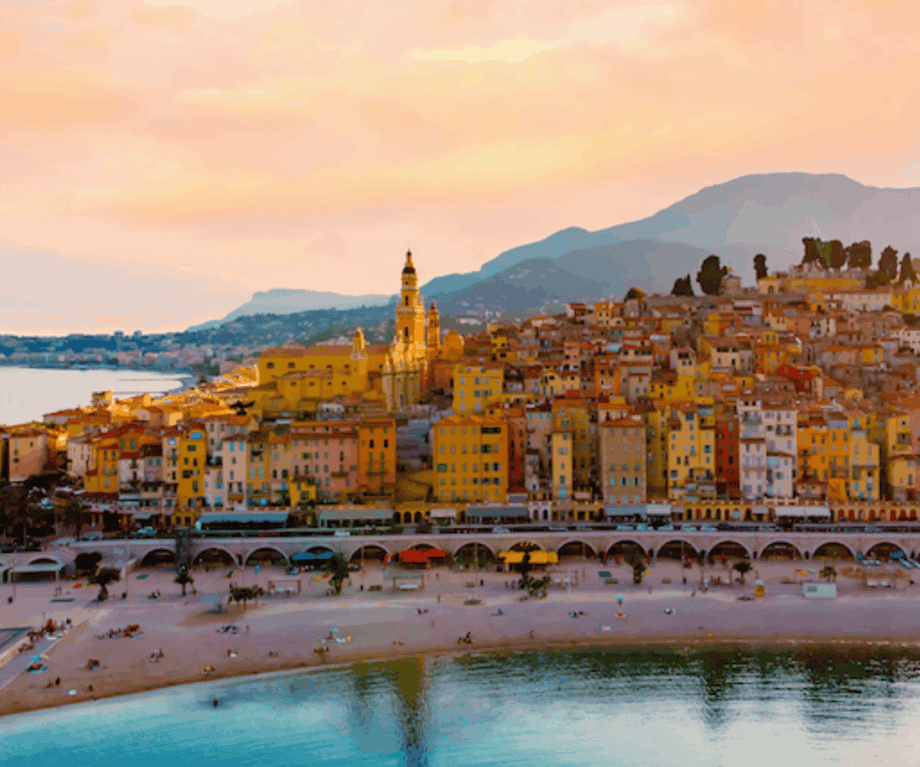
In Antibes, the port is worth seeing before the town fully stirs.
Fishing boats return, cafés open their doors, and the day begins without the performance that can come with high summer.
These aren’t grand attractions in the usual sense, but they’re often the moments that stay with you.
A bell in a narrow street, the smell of bread from a bakery, the first tables being set in a quiet square and the changing light on old stone can say more about the Riviera than another crowded landmark.
Villefranche-sur-Mer rewards the same slow approach, especially if you resist the urge to move on too quickly.
Saint-Paul de Vence, with its galleries and stone lanes, also benefits from a slower pace, giving you space to look properly rather than simply pass through.
Lunch becomes the centre of the day
Dining on the Riviera is always part of the appeal, but timing changes everything.
Outside the busiest period, the best tables are less of a battle, and lunch can stretch comfortably into the afternoon without feeling like an indulgence that has to be justified.
This is where the region’s quieter season feels particularly sophisticated.
There’s time to ask a restaurateur about a regional wine, to follow a recommendation for a seasonal dish, or to let the view hold your attention for longer than planned.
The pleasure is not only in what’s on the plate.
It’s in the sense that nobody is rushing you through the experience so someone else can have the table.
A long lunch followed by a slow walk through town often reveals more than an overpacked day divided between Nice, Cannes and Monaco.
Those famous names deserve their place, but the Riviera’s smaller addresses can be just as rewarding when you give them time.
See the coast from the water
The Riviera changes completely when seen from the sea.
Roads and promenades show one face of the coast, but a boat reveals the villas tucked behind pine-covered slopes, the small bays hidden from the main routes and the way villages appear to rise naturally out of the shoreline.
In the quieter season, time on the water feels less choreographed.
Harbours are calmer, popular anchorages have more breathing room, and it’s easier to stop because a place looks inviting rather than because it was marked on an itinerary.
A swim in a quiet bay or lunch with the boat gently moving offshore can be more memorable than another formal reservation.
This slower way of travelling suits the Riviera particularly well, because the coastline was never meant to be consumed in a hurry.
Smaller towns and slower evenings
Cannes, Nice and Monaco remain essential to the Riviera story, but the smaller towns often deliver the more personal experience.
Menton has narrow streets and a gentler pace, Beaulieu-sur-Mer is made for wandering without a strict plan, and Saint-Paul de Vence offers galleries and viewpoints that feel more generous when the crowds thin.
This is also when local conversations become easier.
A shopkeeper might point you toward a quiet café, a waiter may suggest a dish that isn’t obvious to visitors, and a casual detour can lead to a bookshop, terrace or viewpoint you’d never have scheduled in advance.
Evenings bring their own change of mood.
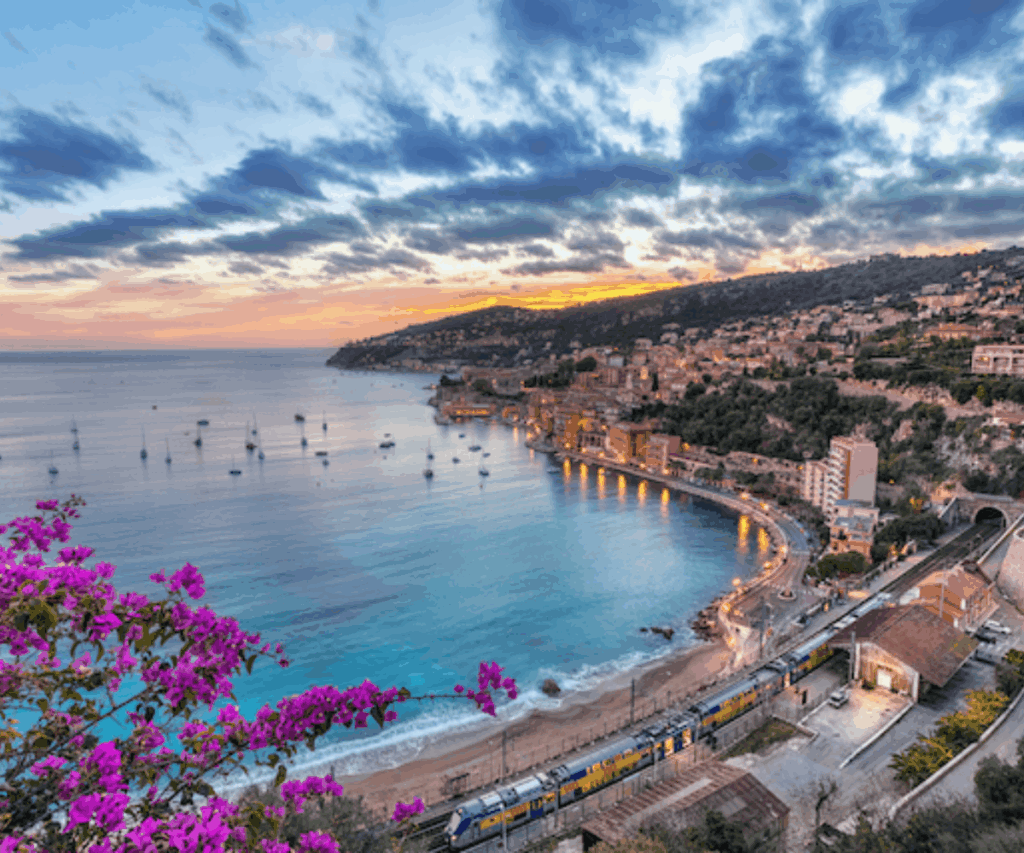
As the sun lowers, the Mediterranean shifts from blue to gold and pink, terraces begin to fill, and there’s no great need to chase the next plan.
A table by a harbour, a glass of local wine and the soft movement of the coast can be enough.
That’s the quiet luxury of the French Riviera after summer, not more access for its own sake, but the space to notice where you are.