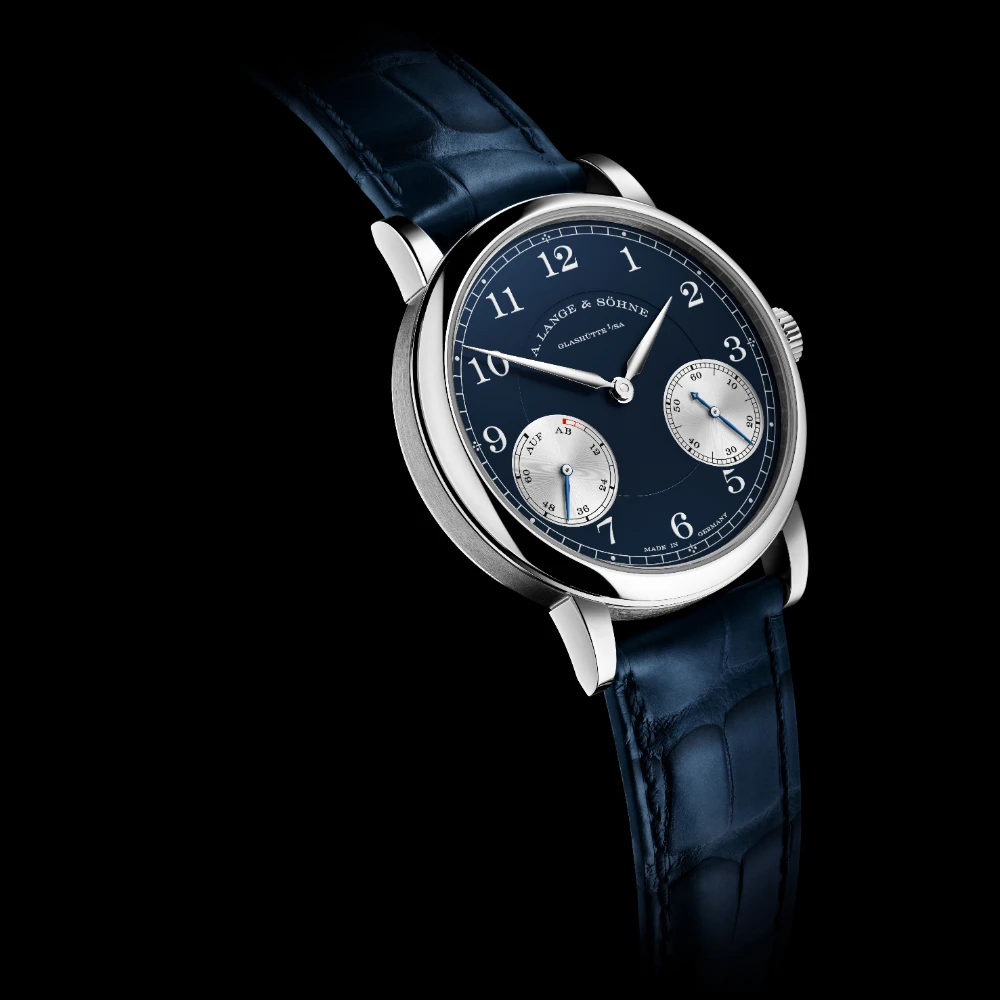
A. Lange & Söhne rarely needs dramatic gestures to make a watch feel significant.
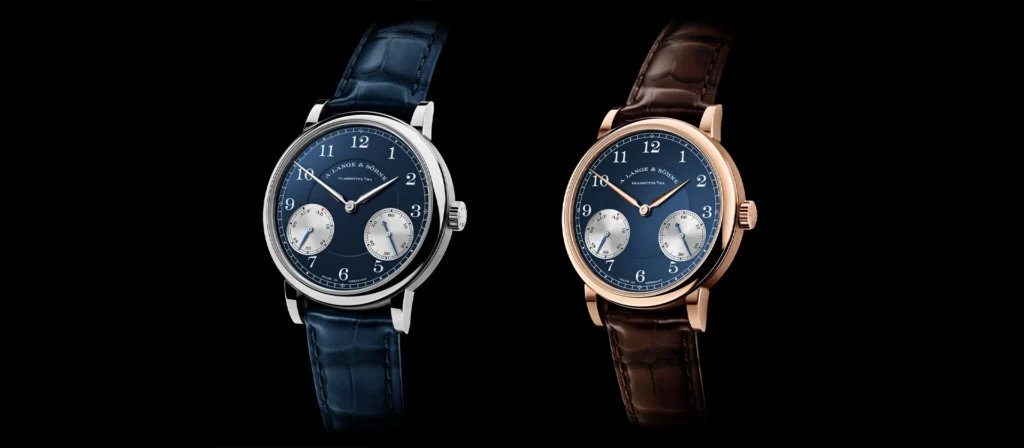
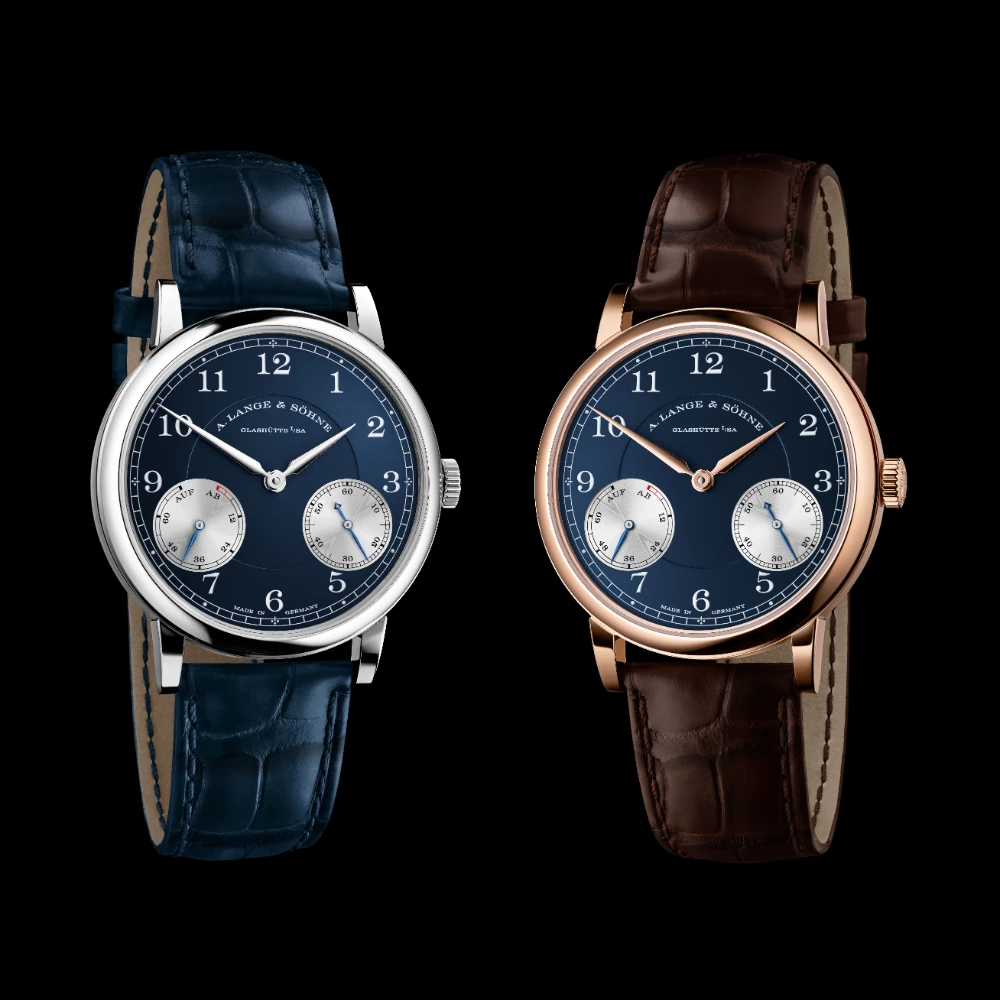
With the latest 1815 UP/DOWN, the Glashütte manufacture returns to one of its most quietly persuasive designs, adding two new references to a watch defined by balance, hand-wound mechanics and a power-reserve display that feels both practical and poetic.
It’s a reminder that the 1815 line has never been about novelty for its own sake.
At a glance
- A. Lange & Söhne has added two new references to the 1815 UP/DOWN family.
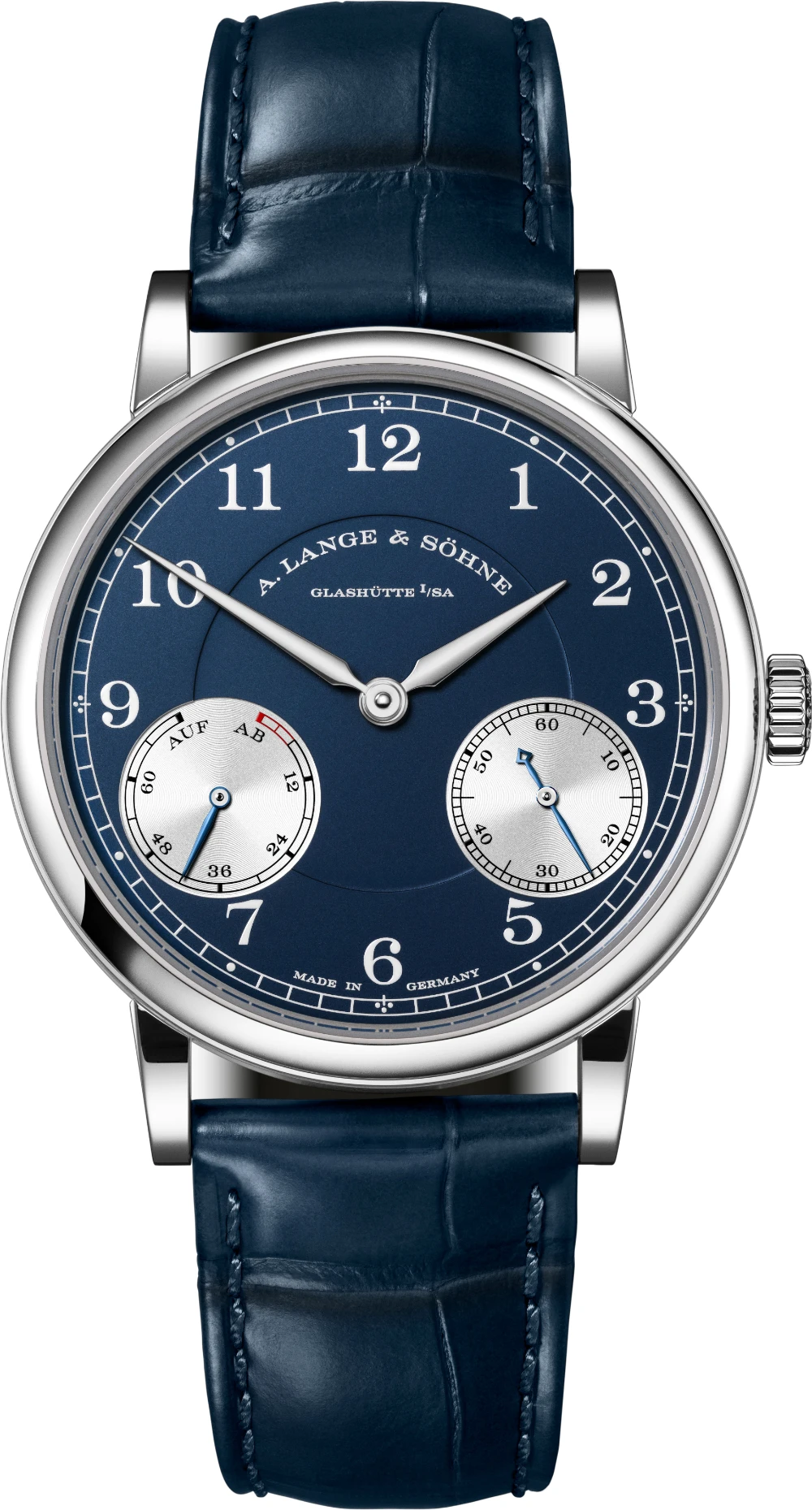
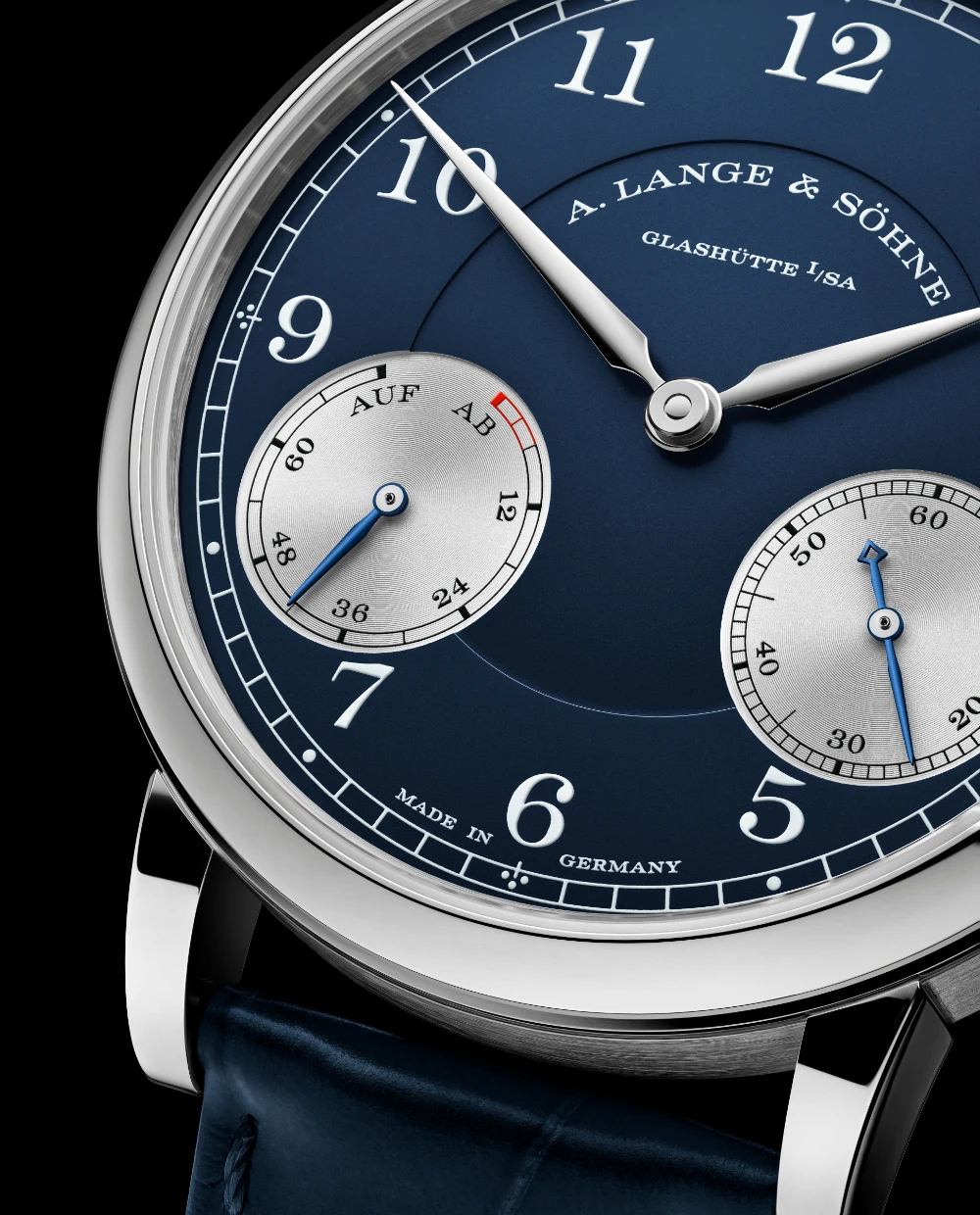
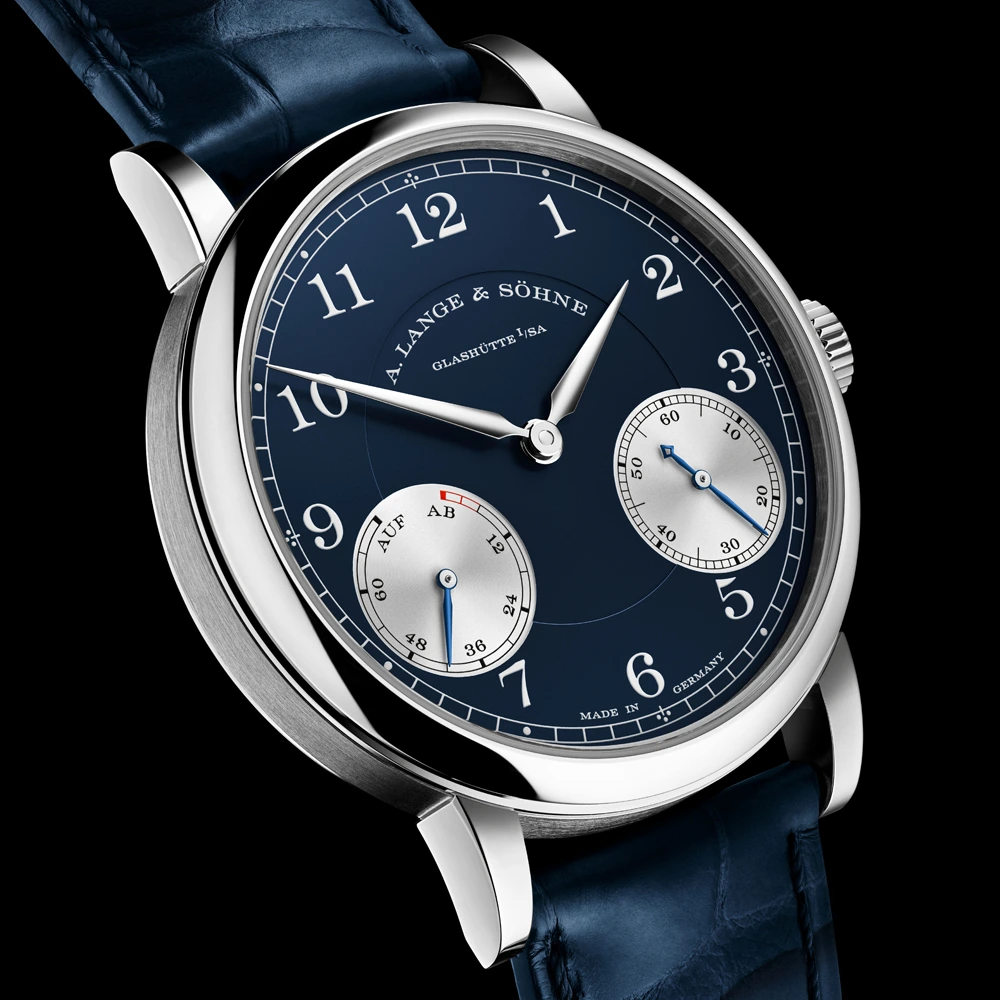
- The watch keeps its signature hand-wound format with a power-reserve indicator at 8 o’clock and small seconds at 4 o’clock.
- The collection takes its name from 1815, the birth year of Ferdinand Adolph Lange, and remains closely tied to Glashütte watchmaking tradition.
A Glashütte Classic With a Practical Complication
The 1815 UP/DOWN sits in a distinctive corner of the A. Lange & Söhne catalogue.
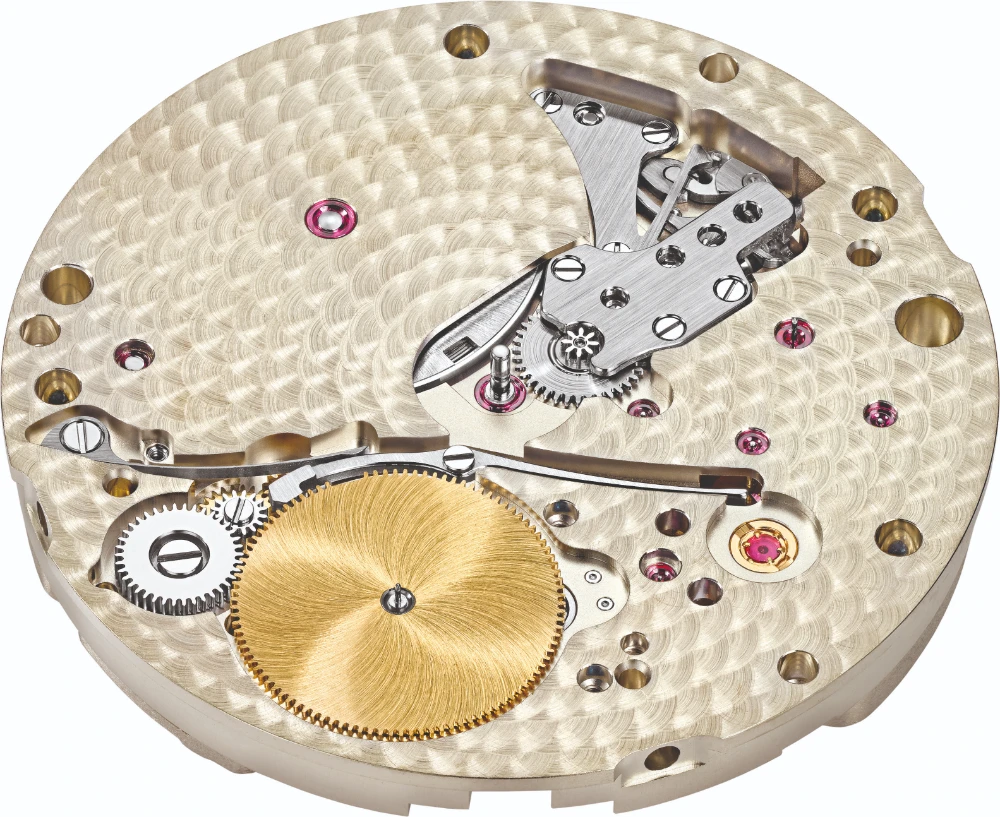
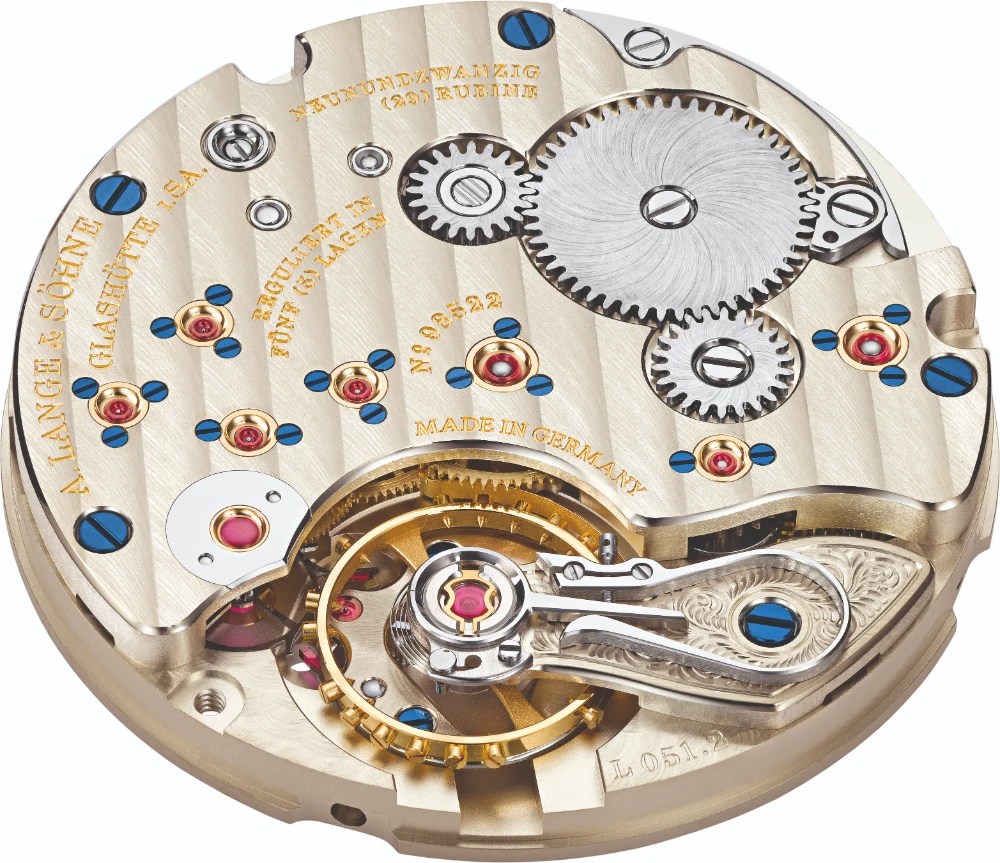
It’s not an ultra-complicated showpiece, yet it carries many of the qualities collectors associate with the manufacture, including hand-wound architecture, crisp dial hierarchy and movement finishing treated as a point of principle rather than decoration.
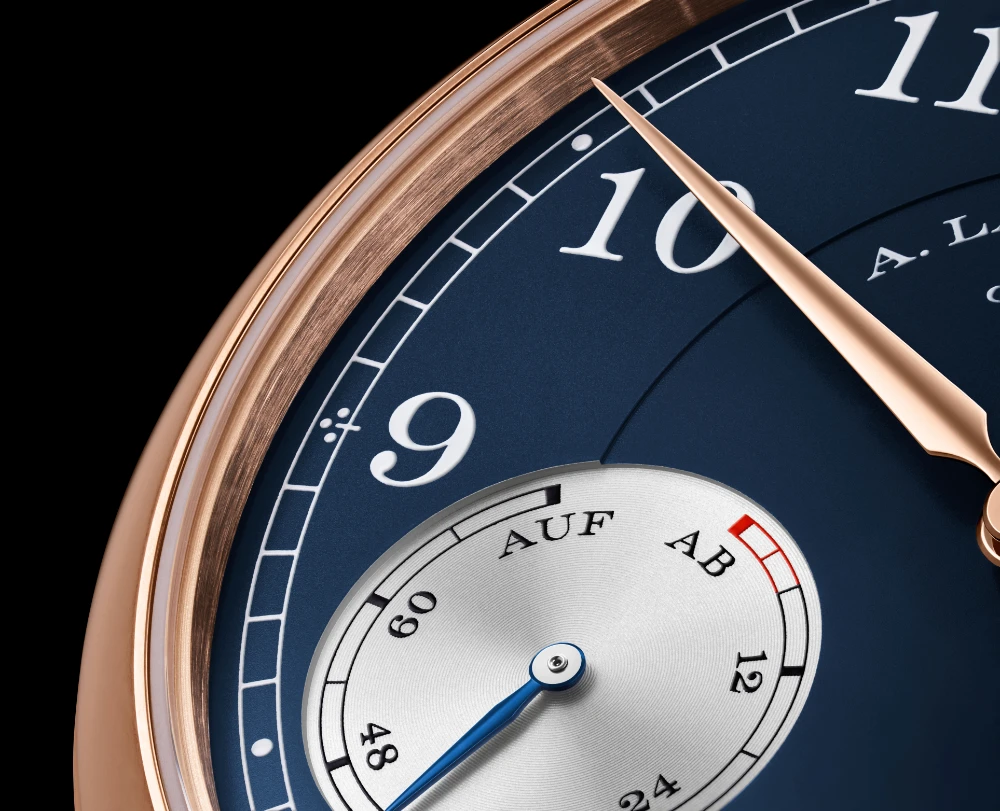
The UP/DOWN element is Lange’s power-reserve display, a complication with a straightforward purpose.
It shows how much running time remains before the watch needs winding, turning the daily ritual of a manual movement into something visible and intuitive.
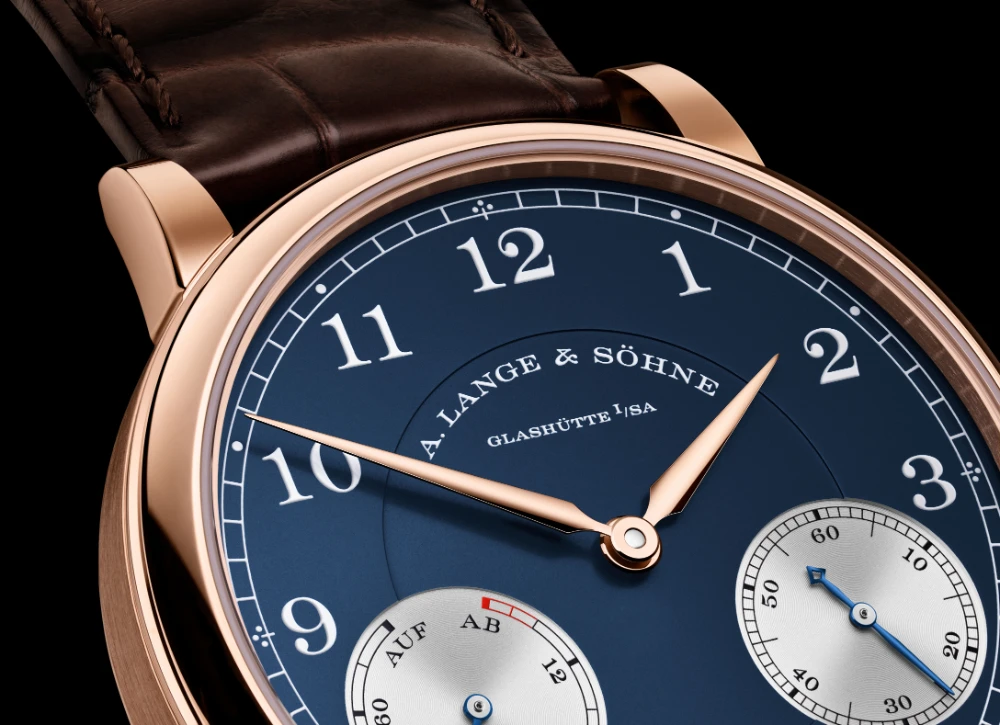
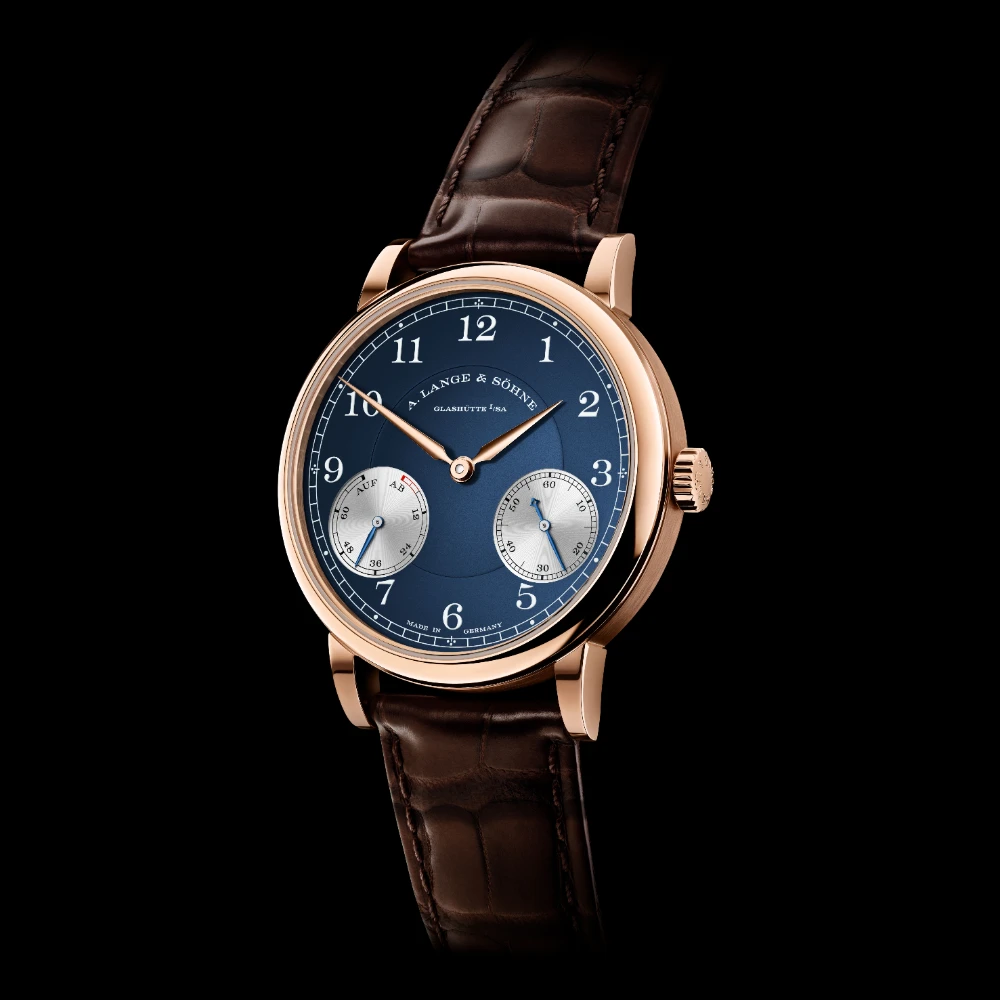
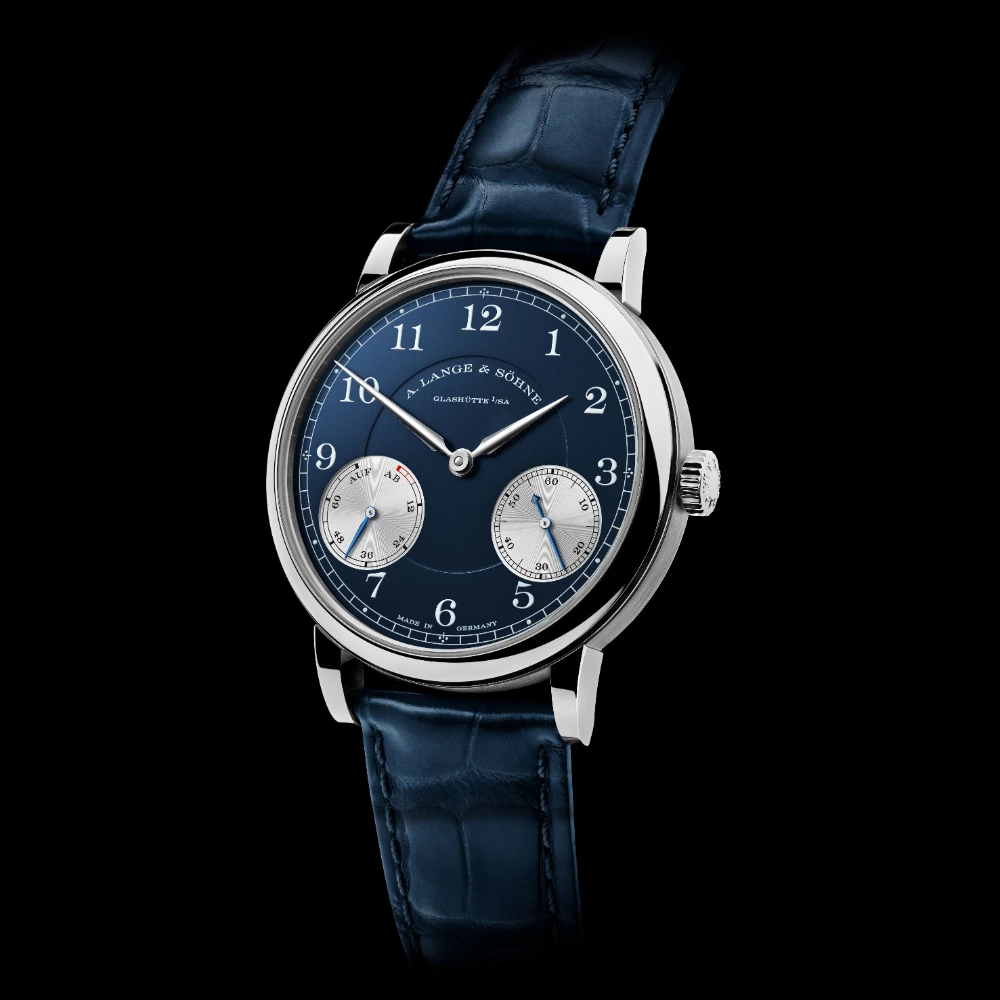
On the 1815 UP/DOWN, that indicator is positioned at 8 o’clock, with the small seconds moved to 4 o’clock.
The result is not conventional symmetry in the strictest sense, but a carefully weighted dial that feels composed rather than busy.
The 1815 Language Is All About Discipline
The wider 1815 collection is named for Ferdinand Adolph Lange’s birth year, a detail that matters because the line is one of the brand’s clearest links to historical Saxon watchmaking.
Its design vocabulary is deliberately direct.
Lancet-shaped hour and minute hands, Arabic numerals, a small seconds display and a chemin-de-fer minute track give the dial its pocket-watch inflection without letting it become nostalgic theatre.
That restraint is central to the model’s appeal.
The 1815 UP/DOWN doesn’t announce craftsmanship with volume, but with proportion, spacing and the tactile charm of a manually wound calibre.
For Lange collectors, the fact that even the most seemingly simple pieces are treated with exacting care is part of the attraction.
Saxon Timekeeping Runs Deep
A. Lange & Söhne’s identity is difficult to separate from Saxony, where timekeeping, measurement and craft have long carried cultural weight.
Dresden’s history of precision instruments, astronomical clocks and courtly patronage helped create the conditions for specialist crafts to thrive in the region.
That lineage eventually shaped the work of Johann Christian Friedrich Gutkaes and his apprentice Ferdinand Adolph Lange, whose move to Glashütte helped turn a former mining town into one of watchmaking’s most important addresses.
The 1815 UP/DOWN channels that inheritance in a contemporary wristwatch format.
It’s not a historical replica, but it is built around values that feel distinctly Lange, including legibility, mechanical clarity and a refusal to treat ornament as an excuse for excess.
Details & Specifications
| Brand | A. Lange & Söhne |
|---|---|
| Model | 1815 UP/DOWN |
| Collection | 1815 |
| Manufacture location | Glashütte, Saxony |
| Movement | Hand-wound |
| Functions | Hours, minutes, small seconds, power-reserve display |
| Power-reserve indication | At 8 o’clock |
| Small seconds | At 4 o’clock |
| Dial features | Arabic numerals, lancet-shaped hands, chemin-de-fer minute track |
| New references | Two |
The latest 1815 UP/DOWN will speak most directly to collectors who prefer Lange at its most measured.
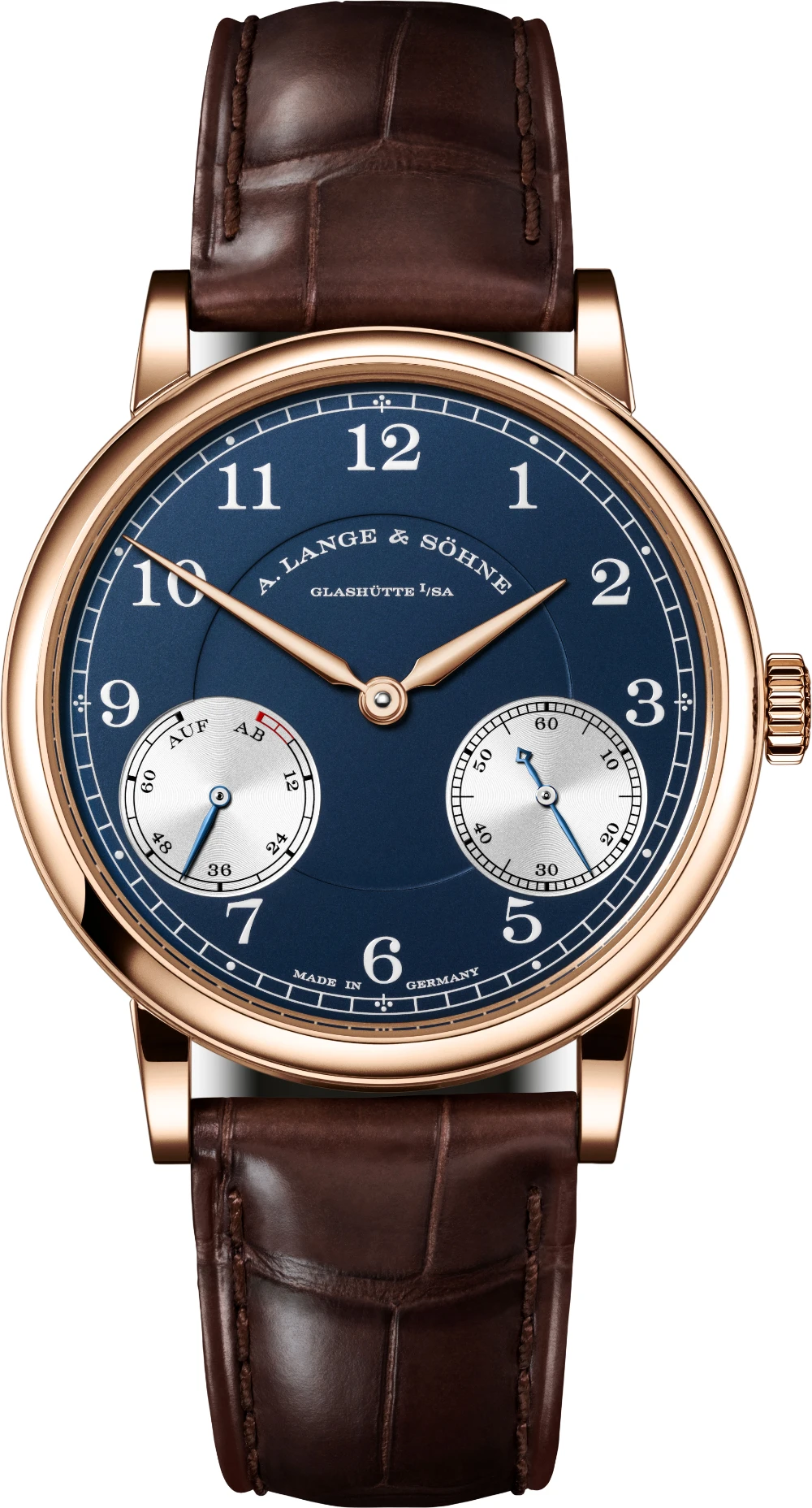
Its appeal lies in the confidence of a watch that doesn’t need to shout, because every part of the design already knows exactly where it belongs.