The first luxury of Yasuní National Park is not a suite, a spa or a view designed for photographs.
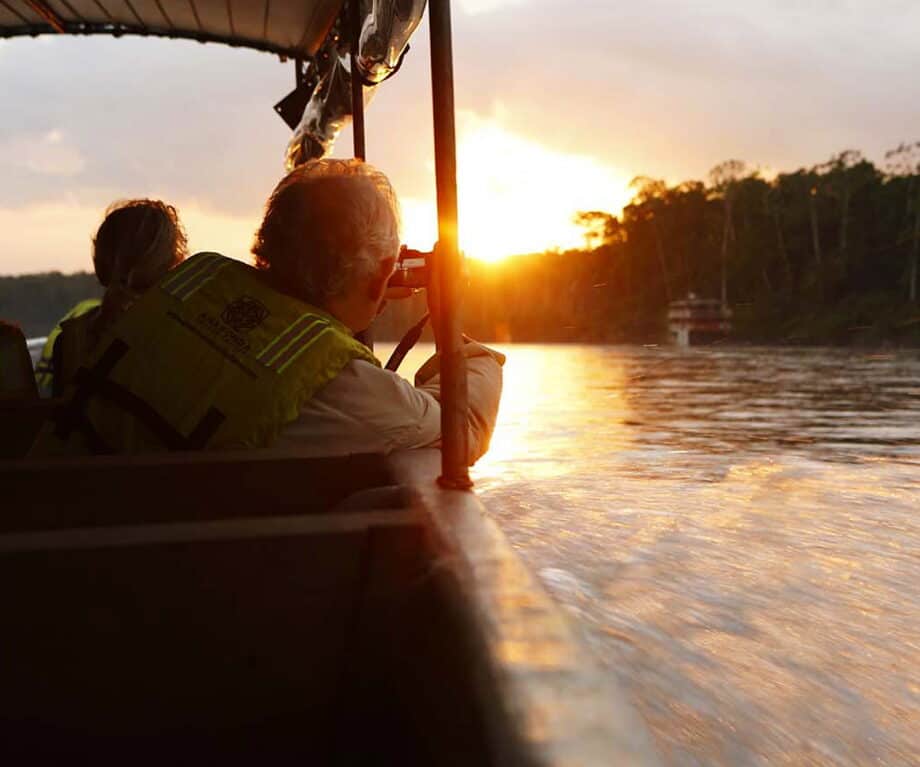
It’s the sudden absence of ordinary noise, replaced by macaws overhead, cicadas in the trees and the low movement of water beneath a canoe.
In Ecuador’s Amazon, Yasuní offers one of South America’s most compelling rainforest journeys, with deep biodiversity, Indigenous knowledge and a style of comfort that understands restraint.
At a glance
- Yasuní National Park has become one of Ecuador’s leading Amazon expedition destinations for travellers seeking rainforest immersion without the remoteness of longer routes in Brazil or Peru.
- The experience centres on river access, eco-lodges, canopy observation, wildlife encounters and carefully arranged cultural visits with Indigenous communities.
- Its appeal is tied closely to conservation, as the park’s exceptional biodiversity exists alongside long-running tensions around oil extraction and environmental protection.
From Quito to Coca and into the forest
Part of Yasuní’s appeal is the speed of the transition.
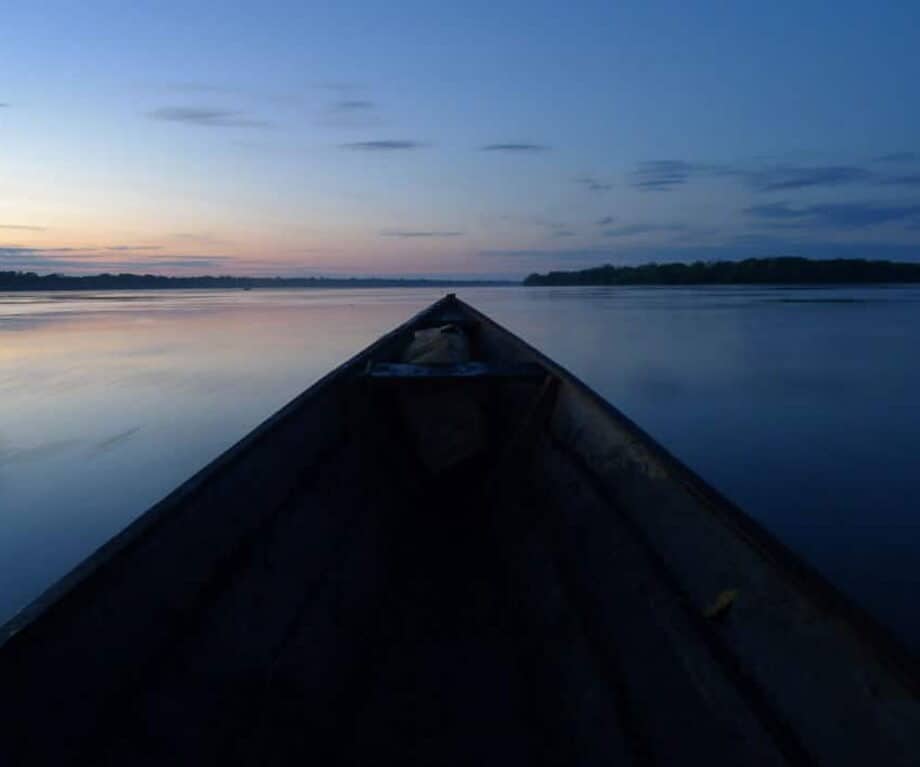
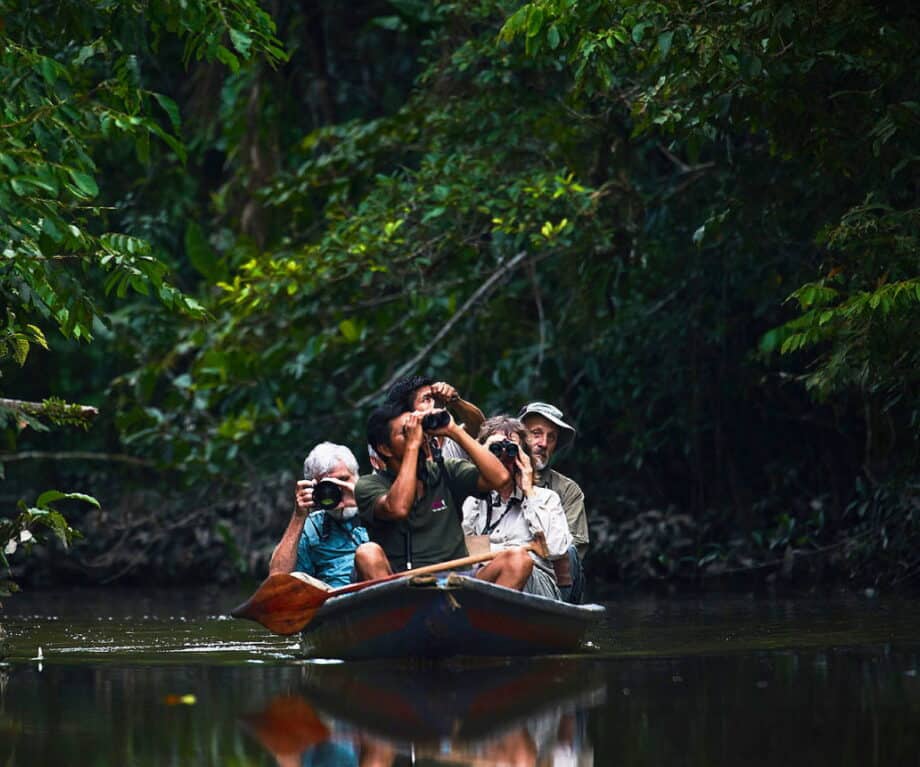
Travellers can leave Quito, cross the Andes by air and arrive in the Amazon gateway town of Coca before continuing by motorised canoe into the forest.
The shift is immediate.
Mountain air gives way to humidity, open sky gives way to green corridors, and the river becomes the road into a world that feels older than the itinerary suggests.
The canoe journey usually takes more than an hour upriver, long enough for the city to fall away and for the rainforest’s scale to settle in.
White herons skim above the water, children appear along the riverbank, and the engine’s hum becomes part of the landscape rather than an interruption to it.
Eco-lodges where remoteness is the comfort
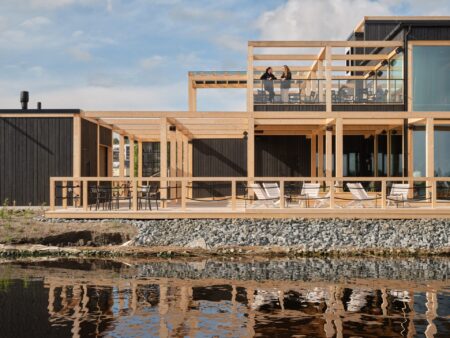
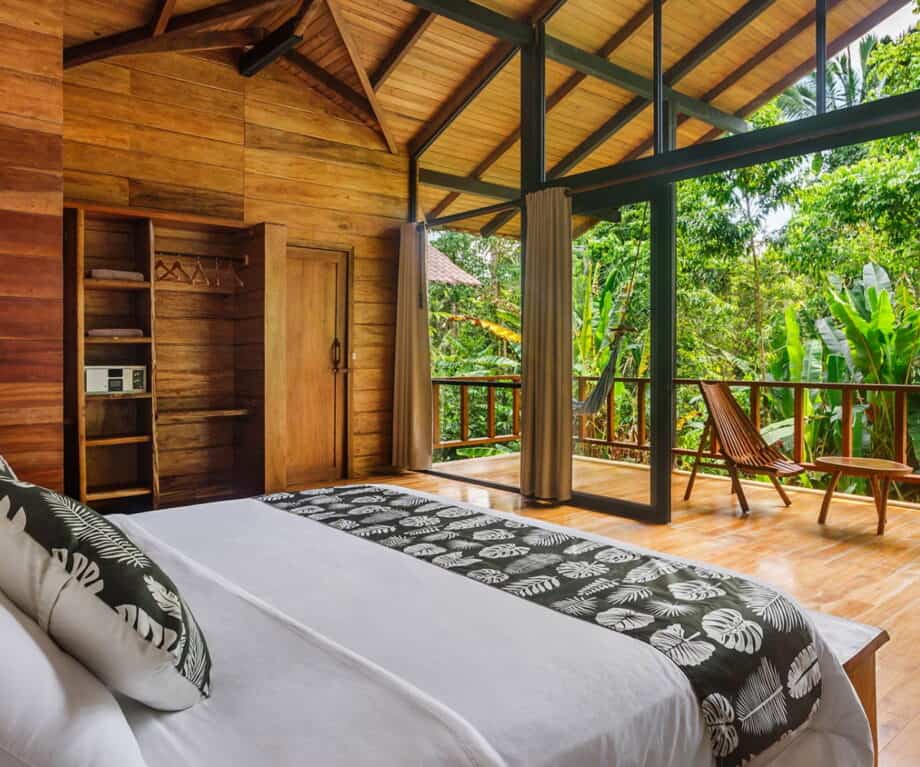
Yasuní and its surrounding areas are home to a small group of remote jungle lodges that have helped define Ecuador’s high-end wilderness travel.
Their version of luxury is not about excess.
It’s about being placed carefully inside the rainforest, close enough to feel its rhythms without flattening the experience into performance.
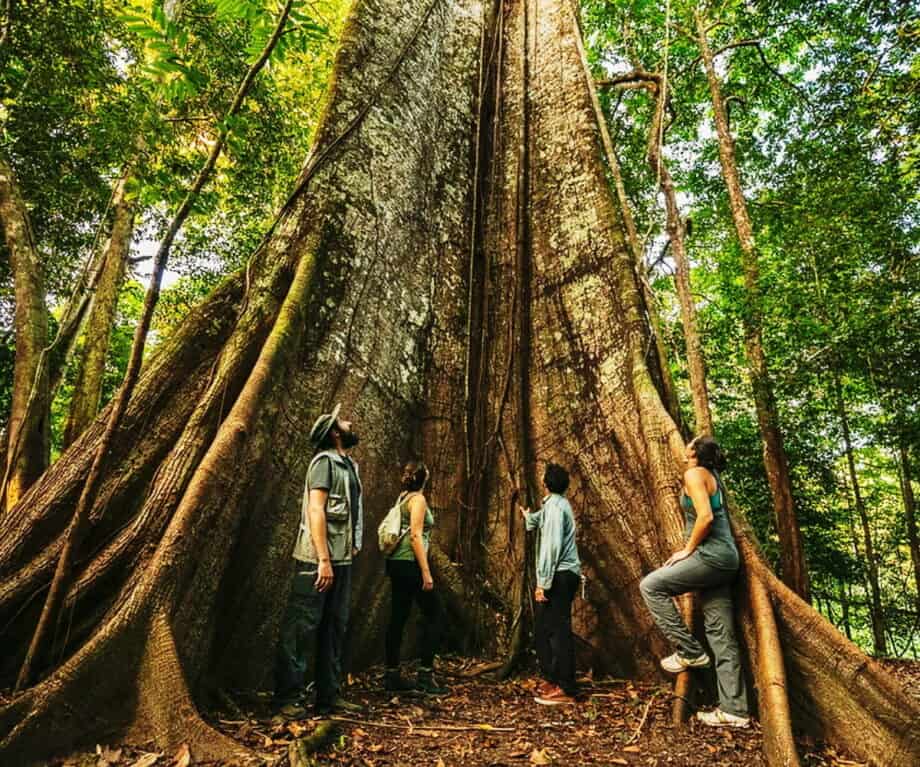
Days tend to be shaped by river crossings, walking trails, rain, heat and the scent of wet earth.
Meals draw on ingredients that belong to the region, including freshly caught river fish, cacao, plantains, heart of palm, guayusa tea and tropical fruit.
The best properties work because they don’t try to compete with the forest.
They offer a bed, a meal, a guide and a threshold, then let Yasuní do the rest.
Wildlife on the Amazon’s schedule
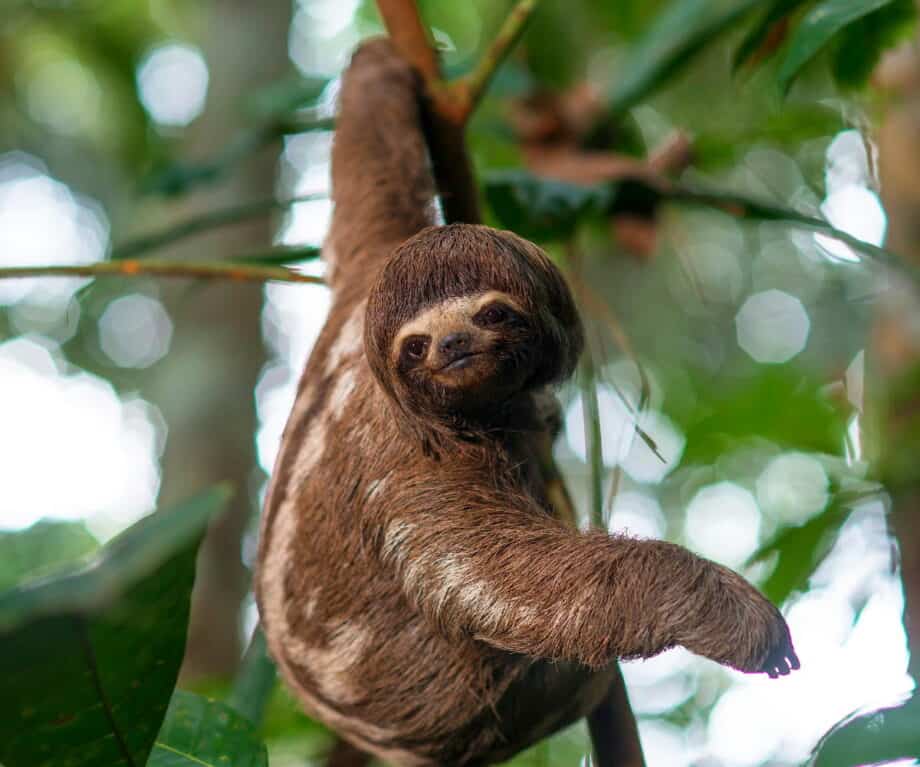
Yasuní is often described as one of the most biodiverse places on Earth, and that reputation is central to its pull.
The park is home to an extraordinary mix of mammals, amphibians, birds, insects and plant life, with some species still not fully documented.
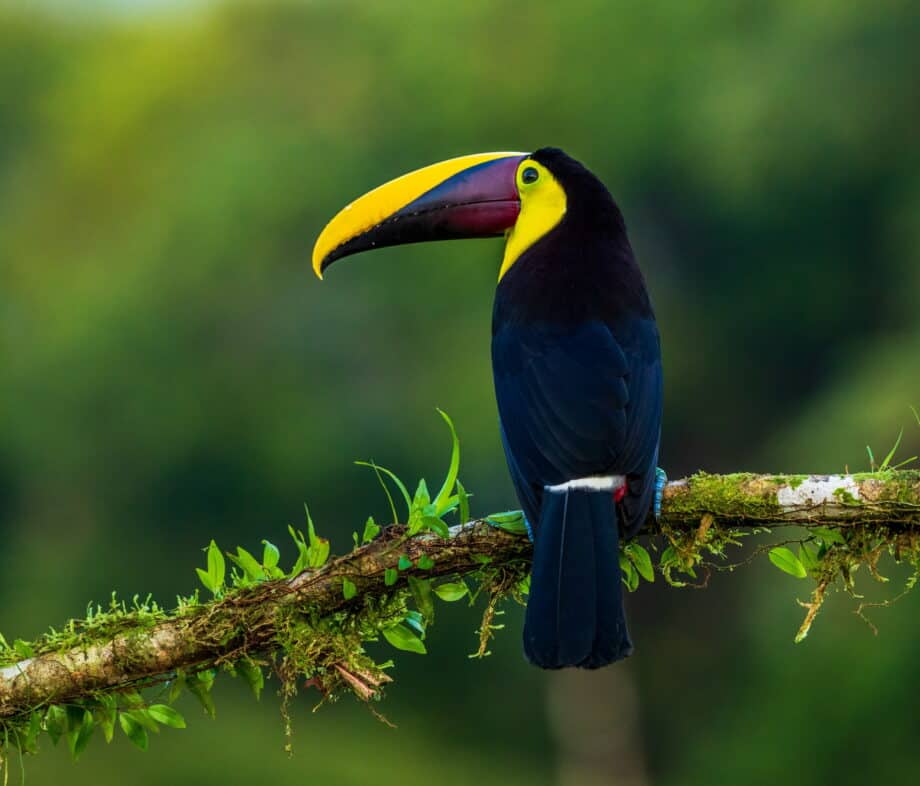
Encounters here don’t run to a fixed script.
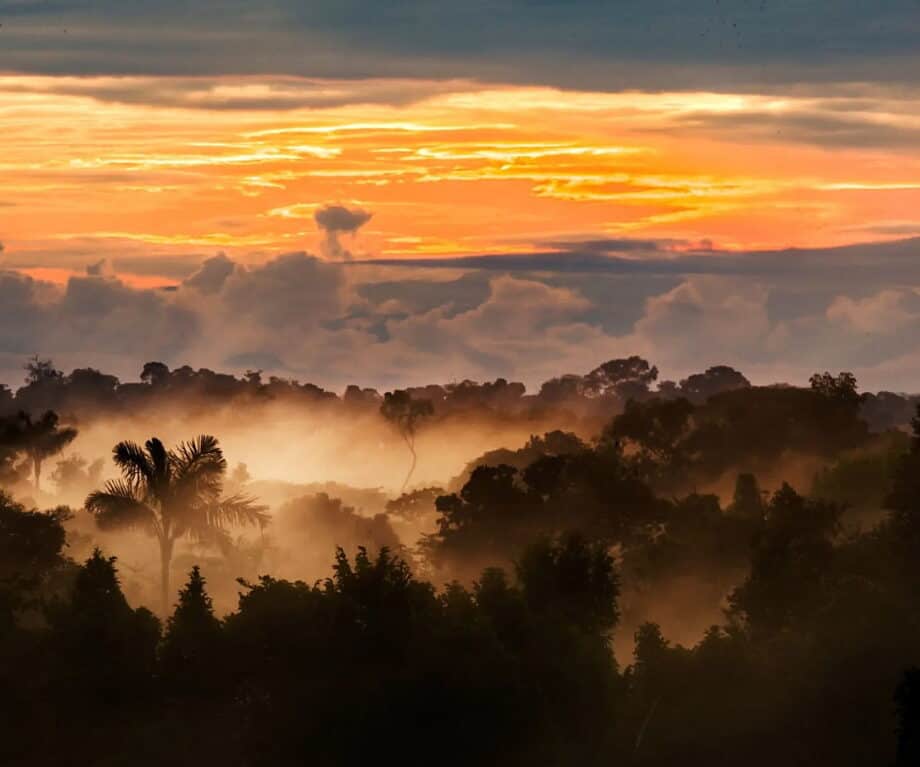
A quiet morning may offer only distant monkey calls beneath heavy cloud, while another begins above the canopy on an observation tower, looking across fog-softened forest in every direction.
After dark, the rainforest changes temperament.
The air feels larger, the sounds sharpen and torchlight can pick out the reflective eyes of caimans along the riverbank.
Poison dart frogs emerge close to the forest floor, and the sense of being watched becomes part of the night rather than something to resist.
Indigenous knowledge and the conservation question
Yasuní’s importance is not only biological.
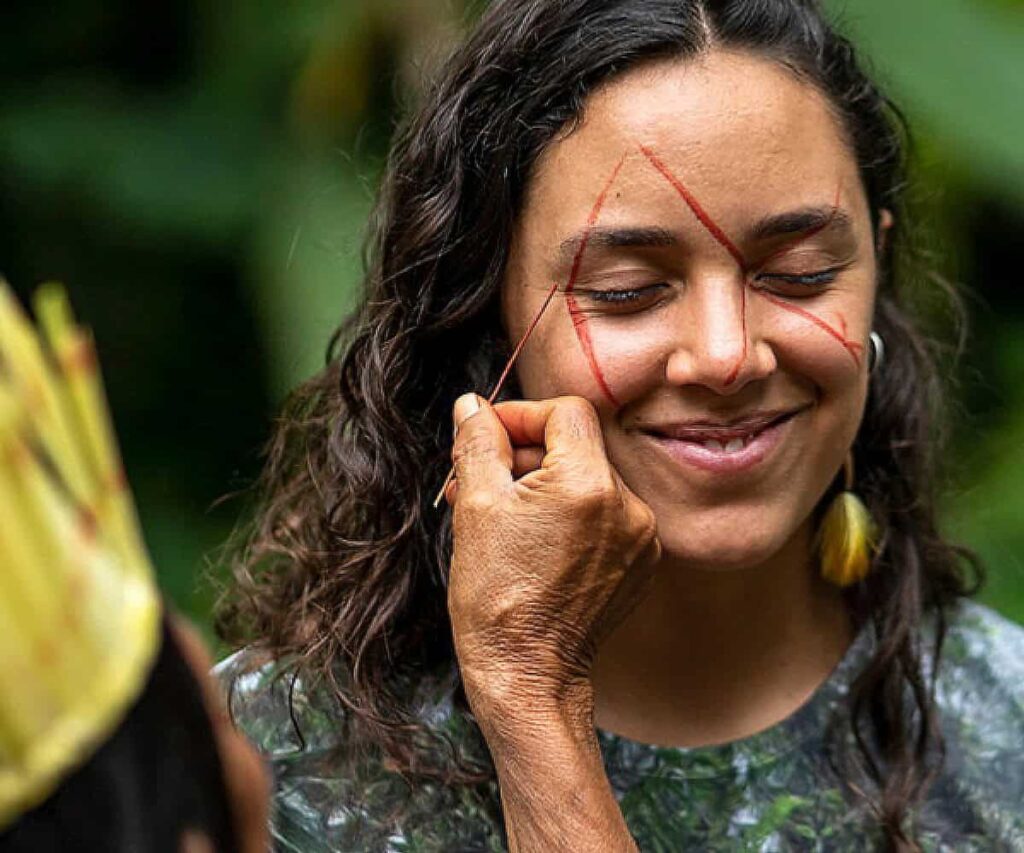
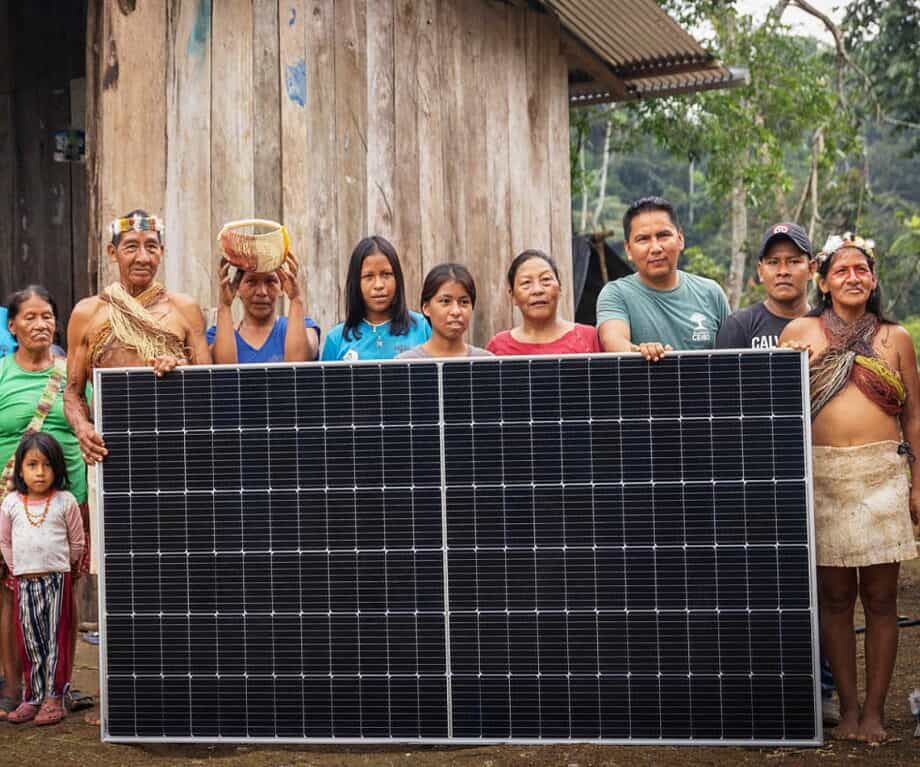
Travel in this part of Ecuador’s Amazon is increasingly shaped by relationships with Indigenous communities whose knowledge of the rainforest is precise, lived and generational.
Well-managed lodge visits can offer meaningful contact rather than staged encounters, giving travellers a clearer sense of how people, plants, rivers and wildlife are connected here.
That cultural dimension sits beside a difficult reality.
Yasuní’s rainforest covers land above significant underground oil deposits, placing one of the planet’s richest ecosystems at the centre of a long debate over conservation and extraction.
Tourism is not exempt from scrutiny either.
Even carefully managed travel brings pressure, which is why the strongest experiences in Yasuní are those that treat access as a responsibility rather than a right.
For travellers who want the Amazon without stripping away its mystery, Yasuní is one of Ecuador’s most persuasive answers.
It is accessible, but not easy in the superficial sense, and that is precisely what makes it memorable.