Italy’s villa season doesn’t end when the beach crowds leave.
For travellers who care more about markets, long lunches and what’s being cooked that night than peak-summer heat, October and November may be the sharper move.
This is when the countryside begins to taste like itself again, with new olive oil, white truffles, chestnuts, porcini and slow-cooked ragùs taking over the table.
At a glance
- Autumn is a strong season for Italian villa stays, particularly for food-focused travellers.
- Freshly pressed olive oil, truffles, porcini, chestnuts and cold-weather cooking define October and November in central Italy.
- Many villas become easier to book after summer, while private chefs can build menus around the best local produce of the week.
Autumn changes the rhythm of the countryside
By mid-October, many of the tour coaches have left the hill towns and places such as Montepulciano begin to feel lived-in again.
Lunch tables are easier to find, squares are quieter, and the pace suits travellers who’d rather linger than queue.
The weather is also more forgiving than many expect.
In central Italy, October days tend to sit around 20°C, sometimes a little higher, which still leaves room for outdoor lunches and slow afternoons on the terrace.
November is cooler and brings more rain, but that suits the season.
Dinner moves indoors, fireplaces become useful rather than decorative, and the food starts to lean into richer, earthier flavours.
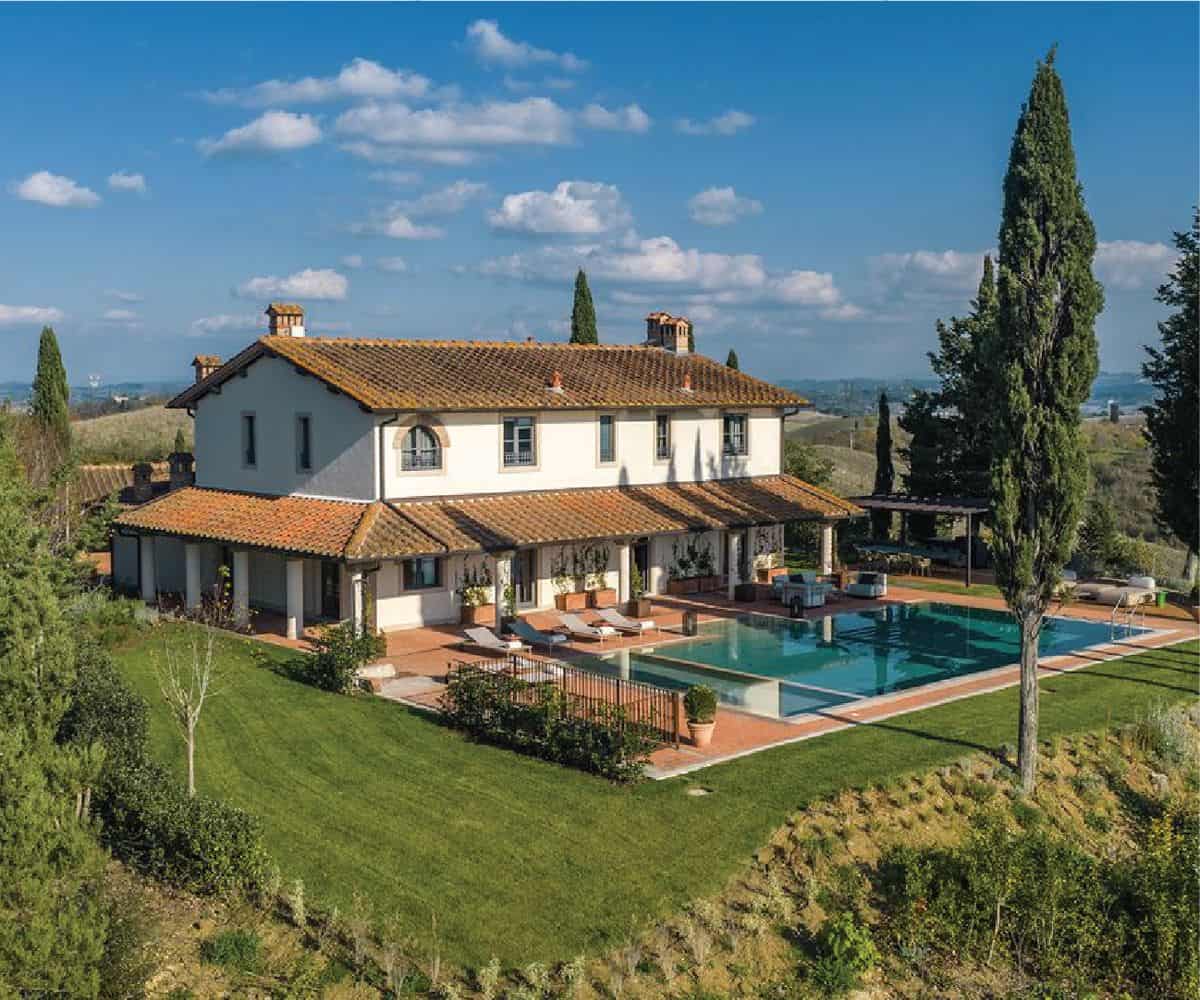
There’s a practical advantage too.
Many desirable villas are heavily booked from June to September, while October can bring more openings and, in some cases, more flexible minimum stays.
New oil is the first reason to go
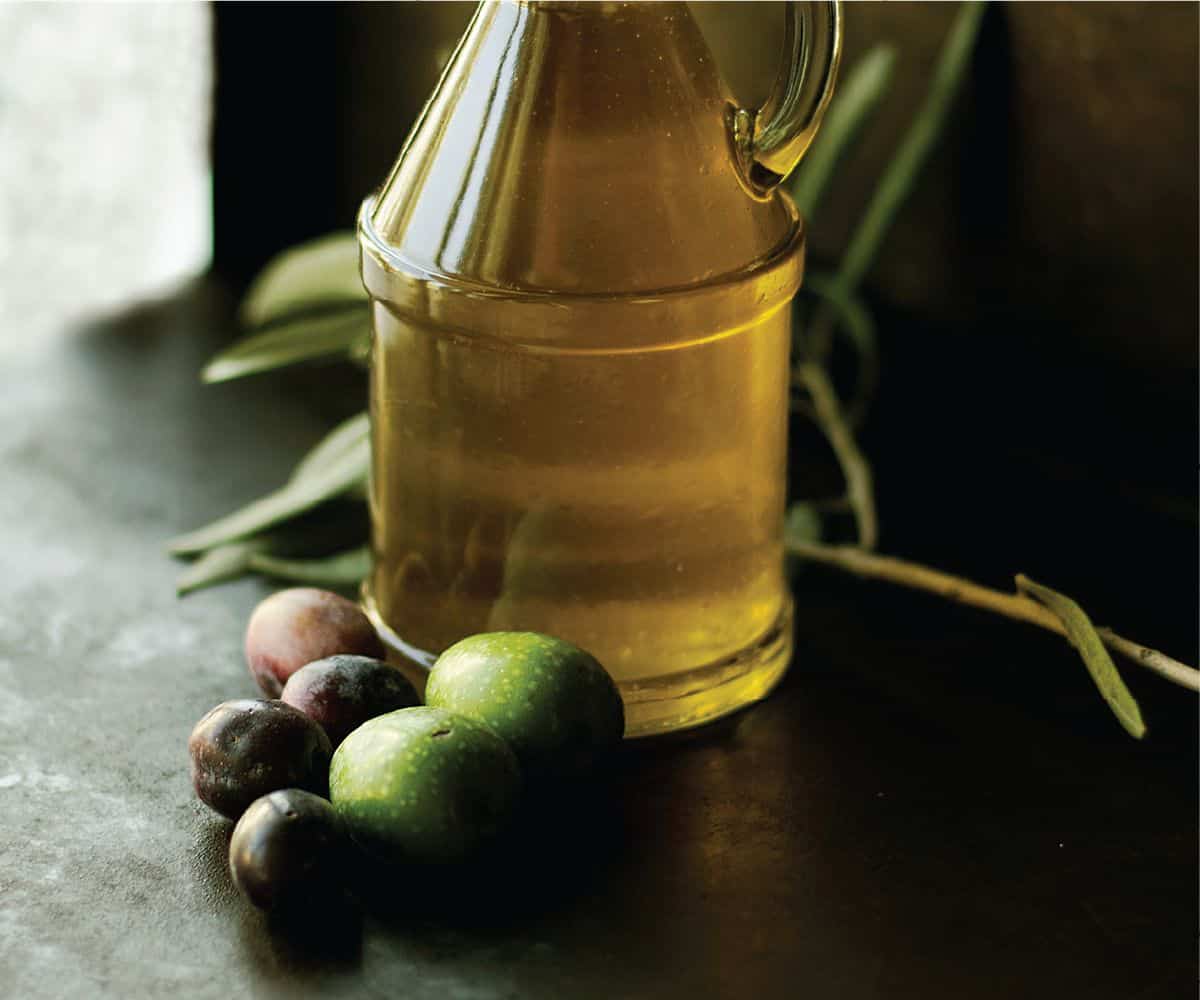
Olio nuovo is one of autumn’s great Italian pleasures, and it’s not quite like the olive oil most people keep beside the stove.
Fresh from the press, it’s vivid green and a little cloudy, with a grassy bitterness and peppery bite at the back of the throat.
That intensity softens over time, so the first weeks after pressing matter.
In Tuscany and Umbria, olive picking usually begins in late October and continues through November.
Puglia tends to run later, with its vast groves often carrying the harvest towards Christmas, and the region produces close to half of Italy’s olive oil.
Many local mills, known as frantoi, welcome visitors during the harvest season.
Umbria gives the moment a wider frame through Frantoi Aperti, a series of autumn weekends when mills across the region open for tastings, long lunches and live music.
The best way to understand new oil is also the simplest.
Grill a thick slice of saltless Tuscan bread over embers, rub it with garlic, pour on far more oil than seems sensible, add salt and eat it while it’s still warm.
That is fettunta, and it makes a persuasive case for planning an entire trip around a harvest.
Truffles, chestnuts and the return of serious cooking
White truffles bring another layer to the season.
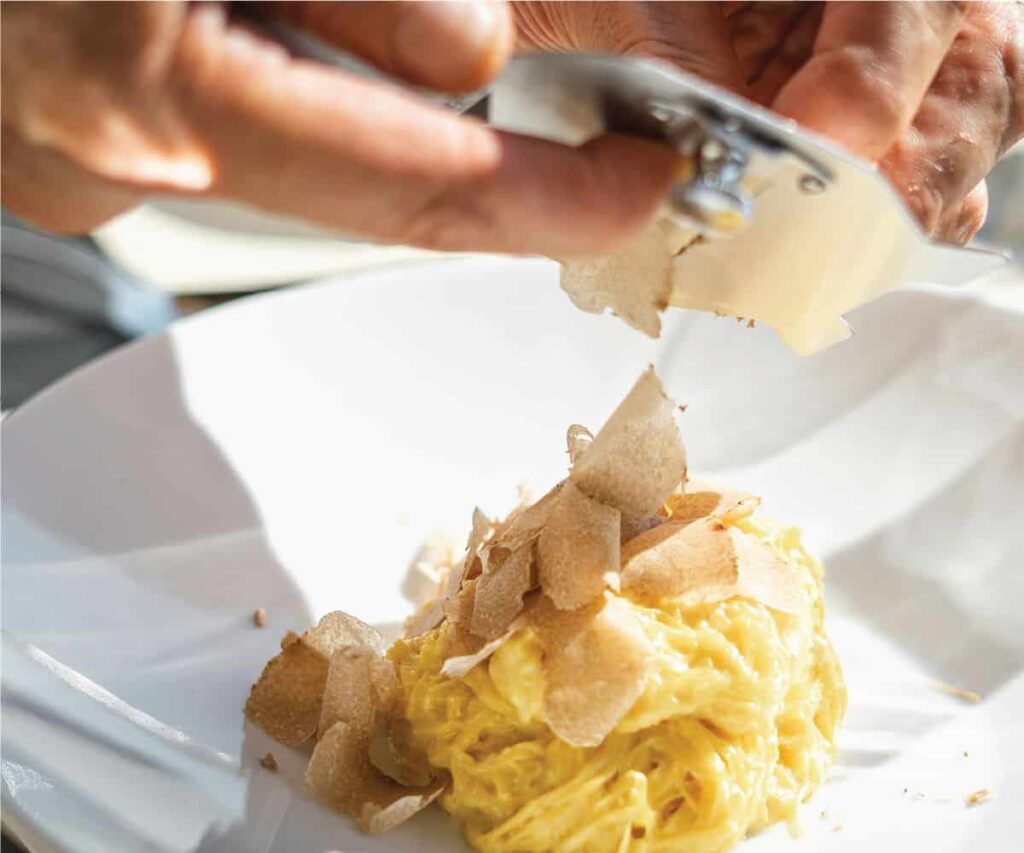
The tartufo bianco season runs roughly from October into December, with Alba in Piedmont carrying the best-known global reputation.
Tuscany has its own truffle centre in San Miniato, a hill town between Florence and Pisa, where the white truffle fair takes place over the last three weekends of November.
A truffle hunt usually starts early, in damp woodland, with a tartufaio and a trained dog doing the essential work.
The moment is less polished than the restaurant version, which is precisely the point.
A muddy, knobbly truffle comes out of the ground, the scent arrives before the glamour, and lunch often follows with shavings over fresh tagliatelle or a fried egg.
Autumn’s quieter ingredients matter just as much.
Chestnuts appear at village sagre in places around Monte Amiata and the Mugello, roasted over open flames or worked into castagnaccio, a dense chestnut-flour cake with rosemary, pine nuts and raisins.
Porcini rise after the first proper autumn rains, ending up grilled in thick slices or folded through pasta.
This is also when dishes that feel impossible in July start to make sense again.
Pappardelle with wild boar ragù, pici with hare sauce and ribollita that improves on the second day all belong to cooler evenings.
From the end of October, vino novello appears as the year’s young red, often poured with roast chestnuts rather than treated with ceremony.
A private chef makes autumn work harder
A chef in the villa is useful in any season, but autumn gives the arrangement a stronger purpose.
The days are shorter, rural roads between villages can be narrow and unlit, and no one needs to negotiate the drive home after a long dinner.
More importantly, a local chef can cook with the week rather than against it.
They’ll know which mill has the freshest oil, which butcher has wild boar, and which market stall has proper porcini rather than inferior substitutes.
Menus can shift daily around what’s good that morning.
That’s difficult for a restaurant to match, particularly in a small village during truffle season.
For groups, the case is even clearer.
A long lunch at the villa, with the chef sending out plates over several hours, is often more relaxed than trying to seat twelve people in a trattoria on a Saturday night.
Many chefs will also teach, whether that means rolling pici in the morning or planning a meal around a truffle brought back from a hunt.
Where the season feels strongest
Tuscany remains the obvious choice, and not without reason.
Chianti, the Val d’Orcia and the hills around Lucca combine olive oil, medieval towns and access to truffle country, with San Miniato within reach from much of northern Tuscany.
Umbria is the quieter alternative.
It’s greener, less busy, and strong on both food and oil, especially around the slopes between Trevi and Spoleto.
Both white and black truffles grow in the region, while Città di Castello holds a white truffle fair around the start of November.
Puglia works differently but remains compelling in autumn.
It stays warm later in the year, and areas such as the Valle d’Itria and Ostuni are known for ancient olive trees, some more than a thousand years old.
Because the olive harvest runs later there, a November stay in a restored masseria can align neatly with the arrival of freshly pressed oil.
How to plan an autumn villa stay
- Book early for late November. Villas with strong in-house chefs can be limited, especially around truffle weekends.
- Pack for contrasts. Mornings in the hills can be cold, while lunch may still feel mild enough for shirtsleeves.
- Bring proper shoes. Truffle hunts mean damp woodland, mud and uneven ground.
- Speak to the chef before arrival. Share allergies, dislikes and dishes you’re interested in, and ask whether a mill visit, cookery class or truffle hunt can be arranged.
- Give the trip enough time. A week suits the pace of rural autumn Italy better than a hurried long weekend.
The appeal of Italy in autumn is that it doesn’t need to perform for the summer crowd.
The heat has passed, the countryside is productive, and the best meals often happen at home, beside the fire, with new oil on the table and a chef who knows exactly what the season is offering.