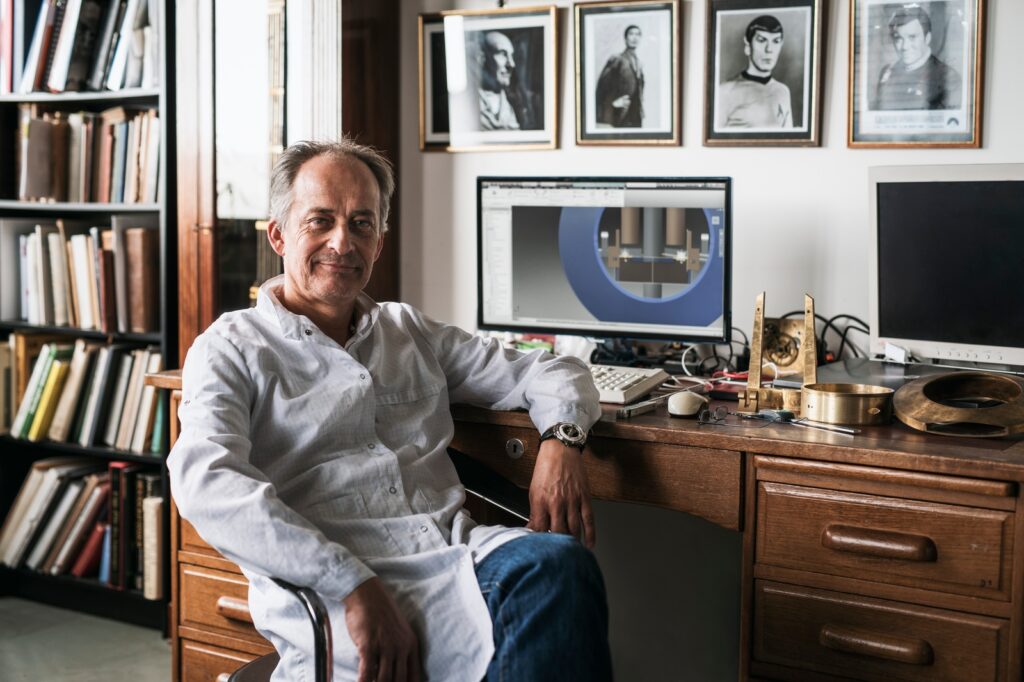
Vianney Halter has always seemed to operate on his own calendar.
The French-born watchmaker built his reputation on watches that looked less like products of their decade than artefacts from an imagined future, and for years that made him a cult figure rather than a mainstream name.
Now the market, the big brands and a younger collector base appear to be meeting him on his own terms.

At a glance
- Vianney Halter’s profile has surged again through recent collaborations with Bulgari and Louis Erard.
- The new work brings his portholes, rivets and retro-futurist watchmaking language into both ultra-thin haute horlogerie and more accessible collecting territory.
- Rising auction results, including strong Antiqua prices and a CHF 60,000 Louis Erard piece unique sale, underline renewed collector interest.
The Bulgari surprise and the Louis Erard counterpoint
The most unexpected signal came at Geneva Watch Days, where Bulgari unveiled the Octo Finissimo Dual Time x Vianney Halter.
It was a striking pairing because the Octo Finissimo is known for architectural restraint, while Halter’s signature vocabulary is built from rivets, portholes and nineteenth-century science-fiction imagination.
The watch brought Halter’s Antiqua-like details to the Octo Finissimo platform, even removing the model’s familiar octagonal bezel from the equation.
Bulgari produced 30 examples in titanium and 15 in rose gold, positioning the project firmly in haute horlogerie territory.
What made it work was the tension between two disciplined design languages rather than a simple overlay of one name onto another.
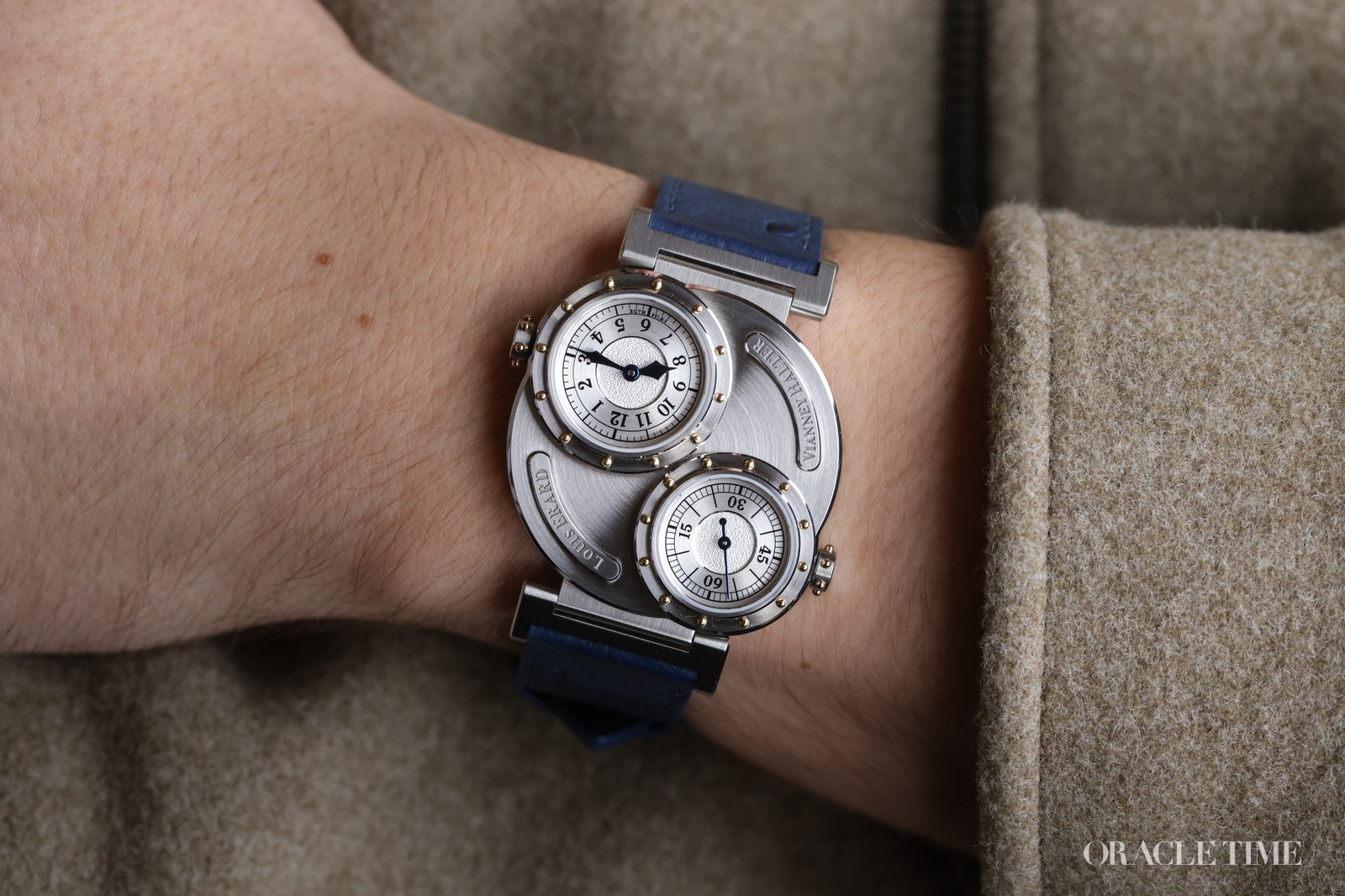
Shortly after, Halter’s third collaboration with Louis Erard arrived under the Futur Antérieur name.
At CHF 4,950, it placed Halter’s visual world in front of collectors who may never come close to owning an Antiqua.
The response has been unusually strong for a collaborative watch at that end of the market.
At a Marteau&Co Blueprint auction in early November, a blue-dialled piece unique version of the Louis Erard Futur Antérieur sold for CHF 60,000.
How the Antiqua became a reference point
Halter’s current relevance is tied closely to the watch that defined him.
Born in Suresnes, near Paris, in 1963, he trained at the Paris watchmaking school before spending his first professional decade restoring antique clocks and watches.
That grounding in historical mechanics became a lasting part of his work, though he rarely treated the past with reverence alone.
In 1994, he established his own development company in Switzerland, creating complications for houses including Breguet, Audemars Piguet and Franck Muller.
Much of that work remained anonymous, as his name couldn’t appear on the dial.
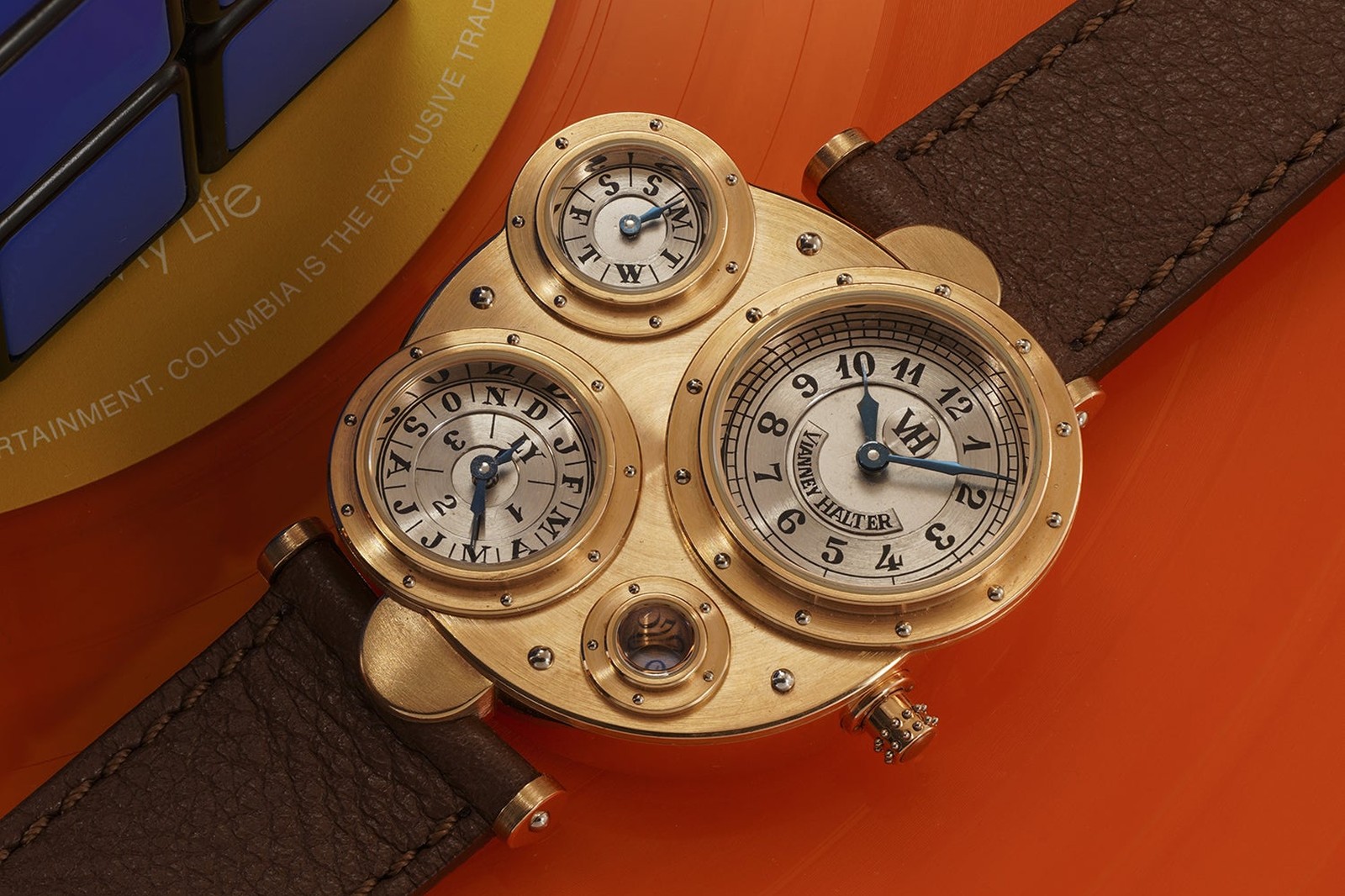
The breakthrough came with the Antiqua, shown in Basel in 1998 in yellow gold with platinum dials.
Its perpetual calendar was split across four riveted portholes, with a case language that drew from steam-age machinery, dashboards and Jules Verne rather than conventional fine-watch codes.
The Antiqua also helped secure Halter’s entry into the AHCI and gave shape to the style he called Futur Antérieur, the idea of the future as the nineteenth century might have imagined it.
Between 1999 and its discontinuation, Halter made only 110 Antiquas in precious metals.
Each case required around 900 hours of work, and the perpetual calendar calibre used a reconditioned Lemania base hidden behind his patented mysterious rotor.
For much of its life, the Antiqua was admired by a narrow circle and misunderstood by many more.
Today, with independent watchmaking enjoying deeper collector attention, examples have been appearing at major auction houses and specialist sales with results above strong estimates.
One Antiqua came close to CHF 1 million at Phillips, a result that reframes the watch less as an eccentric outlier and more as an early landmark.
A universe beyond steampunk
Halter’s watches are often reduced to the word steampunk, but that label only covers part of the story.
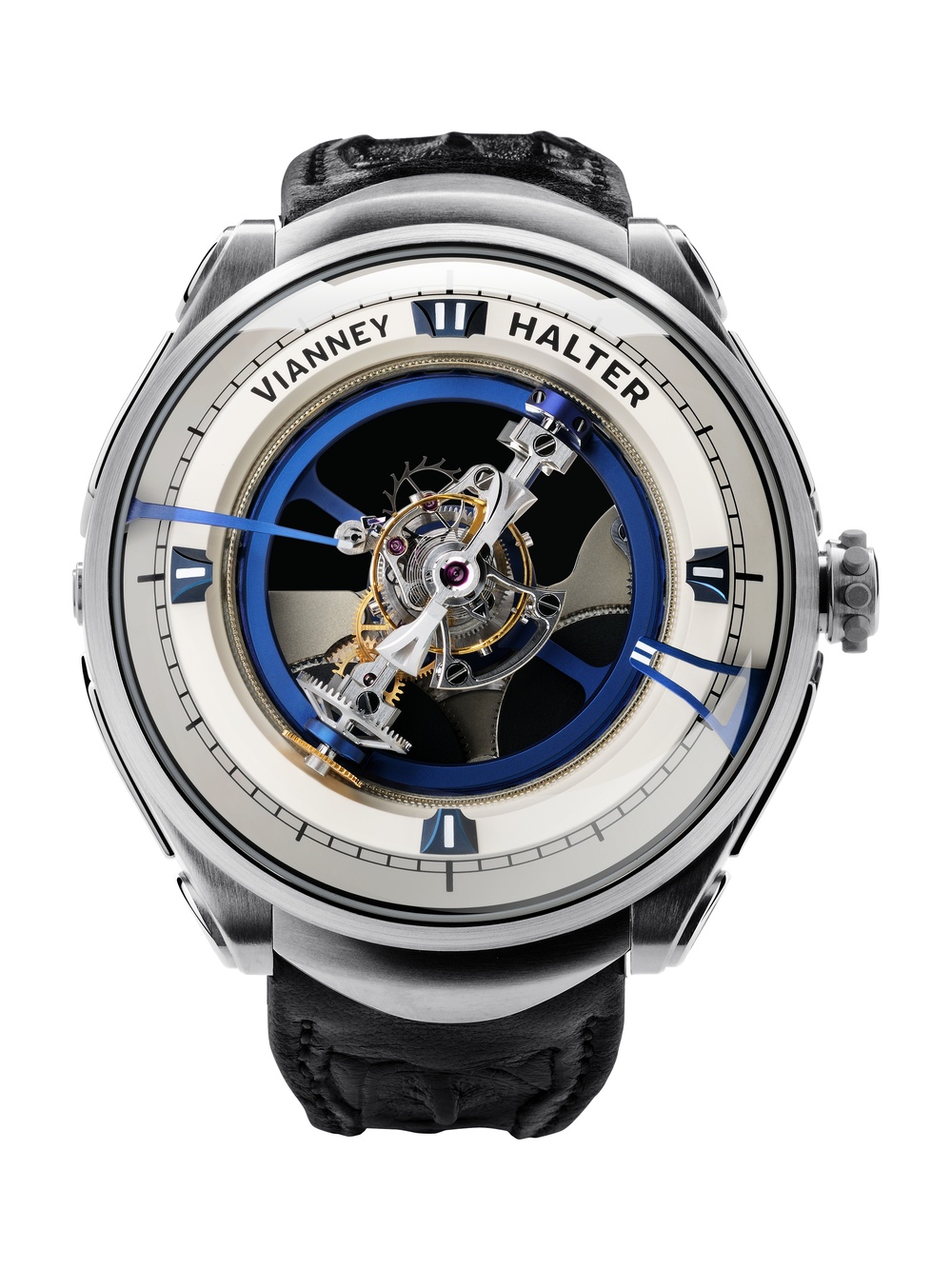
The Deep Space Tourbillon from 2013 moved his imagination toward Star Trek, placing a triple-axis tourbillon under a domed crystal.
The later Deep Space Resonance developed another branch of that thinking with two acoustically coupled balance wheels.
La Resonance pushed the architecture further with a mainplate-free construction of pillars and aerial bridges.
The Classic Janvier, meanwhile, looked back to the astronomical clockmaker Antide Janvier.
Across those projects, the constant has been a combination of traditional hand-finishing and a case or movement architecture that refuses the expected frame.
That independence of thought is also why Halter’s influence has travelled beyond the relatively small number of watches carrying his own name.
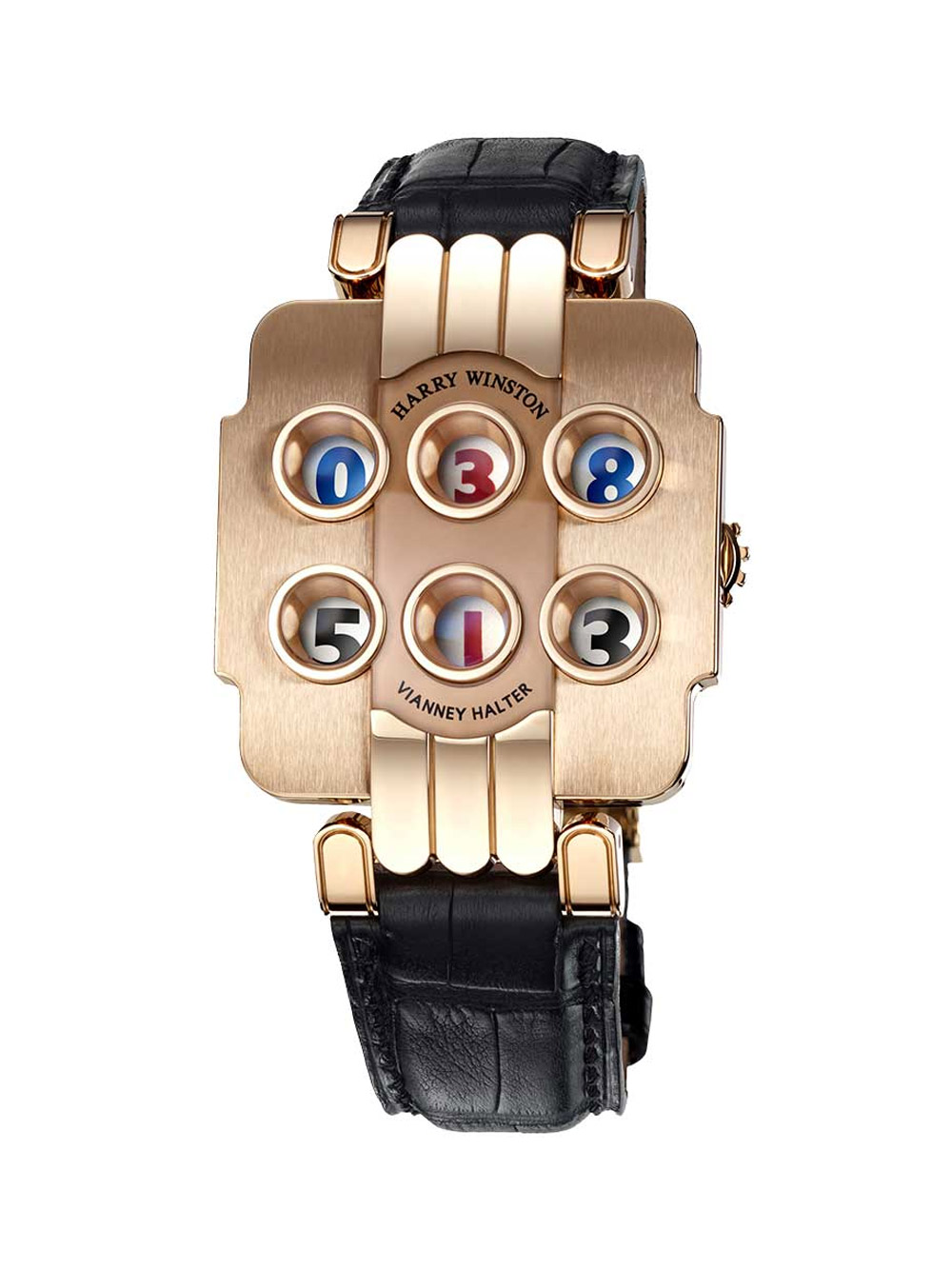
His early Opus 3 for Harry Winston in 2003 remains one of the more provocative pieces from that celebrated collaborative series, with its unusual digital display.
More recent projects have included work with Massena LAB, Behrens and Louis Erard, showing how adaptable his language can be when handled with care.
The collector mood has caught up
The renewed attention around Halter is not only about nostalgia.
Collectors have become more fluent in independent watchmaking, more interested in authorial design and more willing to reward watches that once sat outside the safest categories.
That shift has helped make sense of the Antiqua’s original provocation.
It has also made the Bulgari and Louis Erard collaborations feel timely rather than merely curious.
One sits at the top of the market, translating Halter’s codes into an ultra-thin Bulgari platform.
The other opens the door wider, giving a broader audience a way into the same visual universe without pretending to be a substitute for the original grail.
Halter has indicated that he doesn’t intend to revive production of the Antiqua, which may only sharpen the appetite around the surviving watches.
Whether his next chapter is led by another solo creation or more carefully chosen collaborations, the broader point is already clear.
Vianney Halter didn’t need to change course to become relevant again; watch culture simply took its time catching up to him.