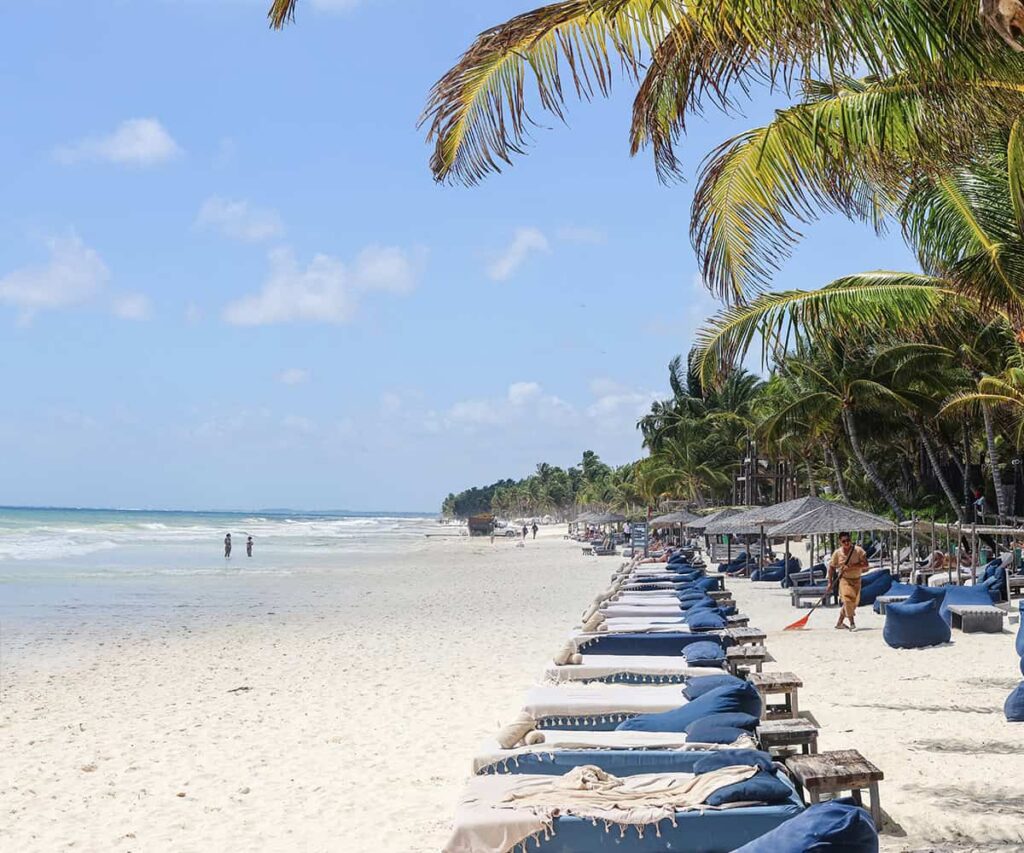
The Yucatan Peninsula rewards travelers who split their time well, and few combinations work as neatly as Tulum and Valladolid.
Tulum gives you the Caribbean-facing drama of cliffside Maya ruins, bohemian beach hotels and long, slow days by the water, while Valladolid pulls the trip inland with colorful streets, cenotes, regional food and one of Mexico’s essential archaeological sites nearby.
Tulum starts with the jungle and the sea
Tulum is really two places at once, with a lively town on one side and a polished beach strip on the other.
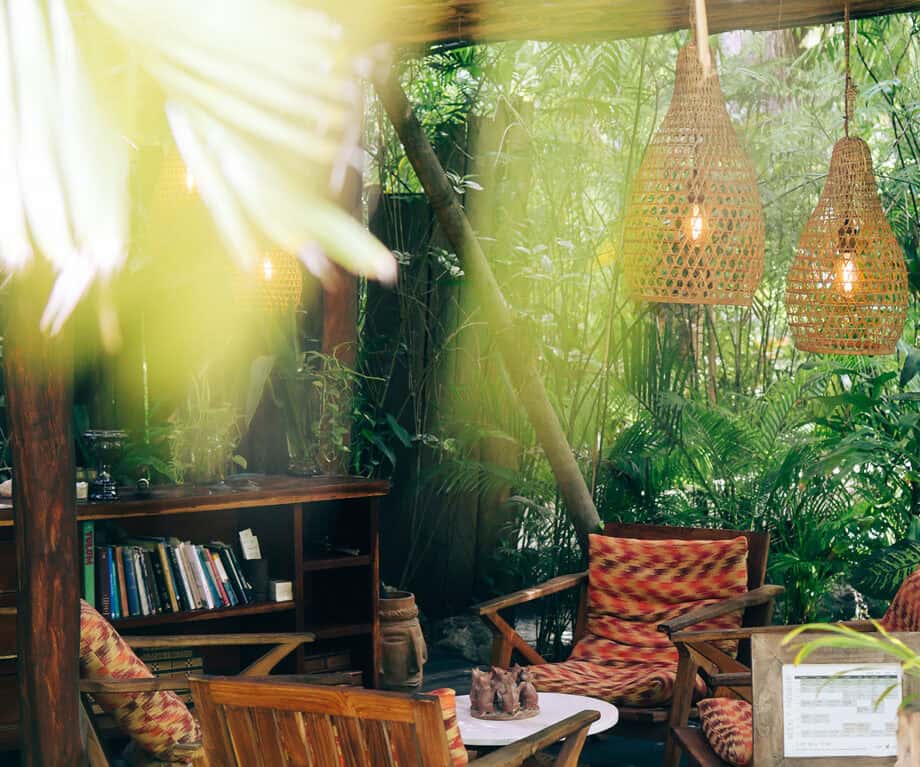
That contrast is the appeal, since you can spend the morning among ruins, the afternoon in the sand and the evening moving between tacos, boutiques and design-led hotels hidden in the foliage.
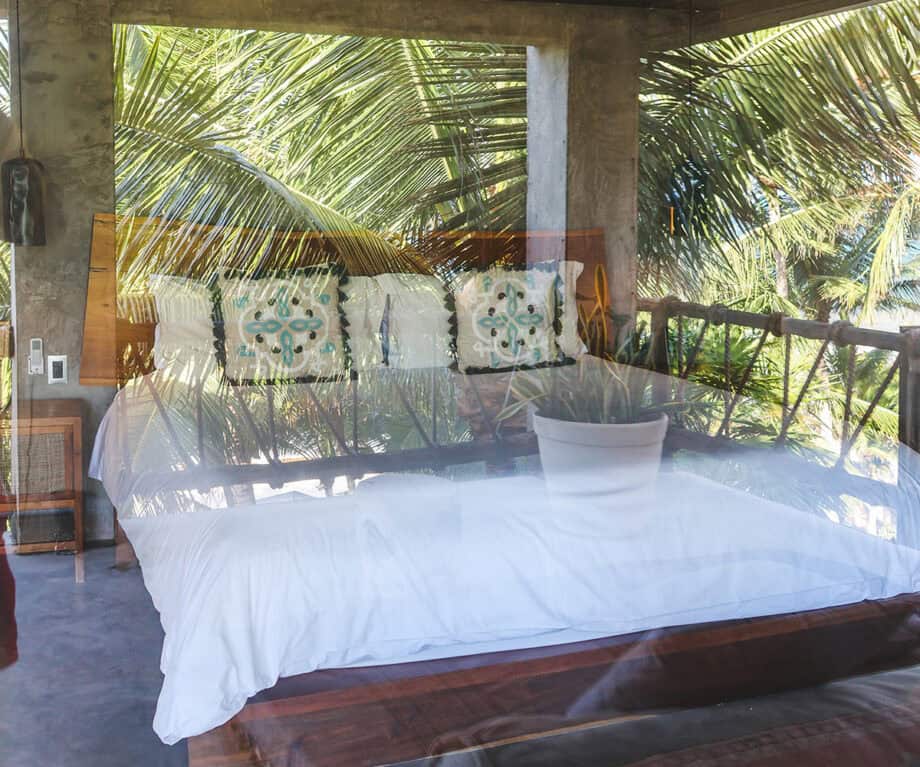
Nômade Temple captures the mood especially well, with dark wood, iron and natural textures giving the property a warmer, moodier feel than the all-white beach minimalism found elsewhere.
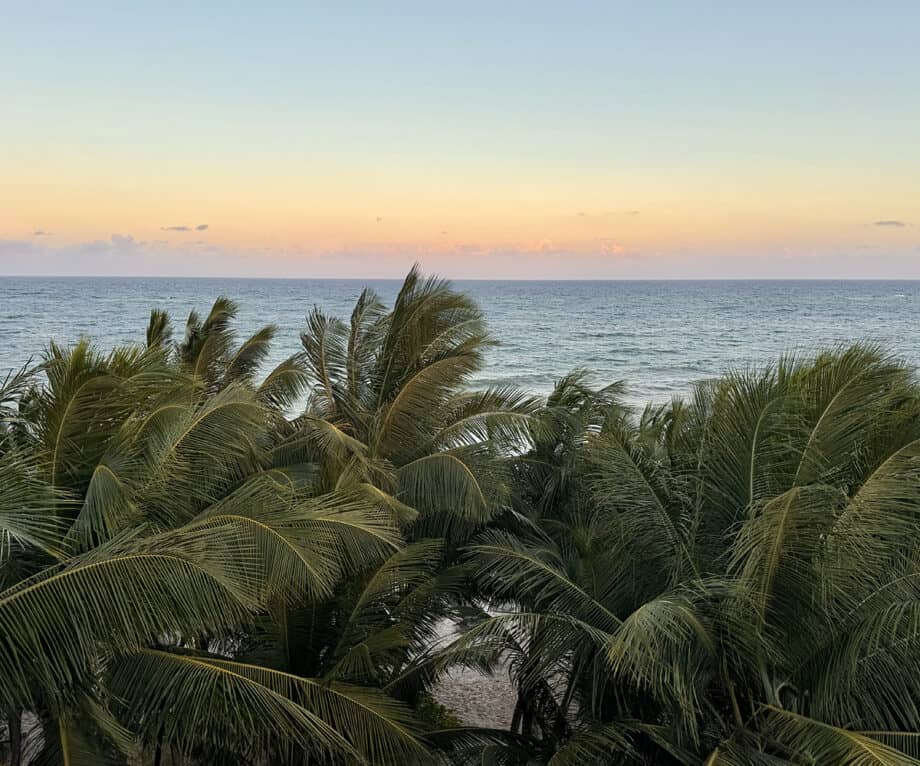
The best rooms lean into the setting, with terraces opening toward jungle greenery and, in some cases, rooftop views that stretch from the canopy to the ocean.

Ruins, tacos and a slower kind of luxury in Tulum
The Tulum Ruins remain the town’s essential historical stop, not only because the site is well preserved but because its cliffside position makes it one of the most striking Maya locations in the region.
Arriving early makes a real difference, especially if you want enough time for the observation tower and museum before the heat and crowds build.
Back in town, the best approach is to wander rather than over-plan, slipping off the main road for small craft shops before landing somewhere casual for tacos.
Los Primos Taqueria Tulum is the kind of unfussy stop that fits the day perfectly, while Clima Ristorante at La Valise adds a more refined final-night option with contemporary Mexican cooking shaped by Sicilian technique.
Tulum’s wellness scene can feel heavily curated, but at its best it suits the place, with yoga, meditation, fireside talks and guest-led workshops giving the beach days a more reflective rhythm.
Valladolid brings the Yucatan inland
After Tulum’s sea air and soft pace, Valladolid feels like a reset.
Roughly 90 minutes inland by car or train from Tulum, the city was founded in 1543 and carries its history most clearly in its streets, plazas and painted facades.
Calzada de los Frailes in Sisal is the walk to prioritize, with ateliers, cafés and small restaurants set among vivid houses that make the street feel almost cinematic in the afternoon light.
When the heat rises, Cenote Zaci offers the easiest cool-down in town, a landscaped swimming hole with a seven-meter jump for travelers feeling brave.
Food and coffee are part of the rhythm here too, with Los Portales serving local dishes in a central location and RojaCasa standing out for coffee, courtyard views and evening movie screenings.
Chichen Itza is Valladolid’s great advantage
Valladolid’s location makes Chichen Itza feel refreshingly manageable, with the UNESCO World Heritage site about 30 minutes away by car.
Go at opening time if you want the rare pleasure of moving through the ruins before the busiest part of the day.
The site’s scale is what stays with you, from its Maya structures to the sense of a city that was at its height between roughly 700 and 1200 AD.
Entry is around £30, and two hours is a good minimum if you want to walk the site without rushing.
Back in Valladolid, the nightly 9pm light show projected onto the Cathedral of San Servacio gives the city a surprisingly theatrical close, with around 30 minutes of digital storytelling in the main square.
For a stay that keeps everything easy, Casa La Sultana has the right ingredients, including air conditioning, an open living space, a garden, a hammock, a pool and a location just a short walk from Calzada de los Frailes.
The beauty of pairing Tulum and Valladolid is that neither has to do everything.
One gives you the coast, the design hotels and the dreamlike beach days, while the other brings you closer to the Yucatan’s history, food and inland color.