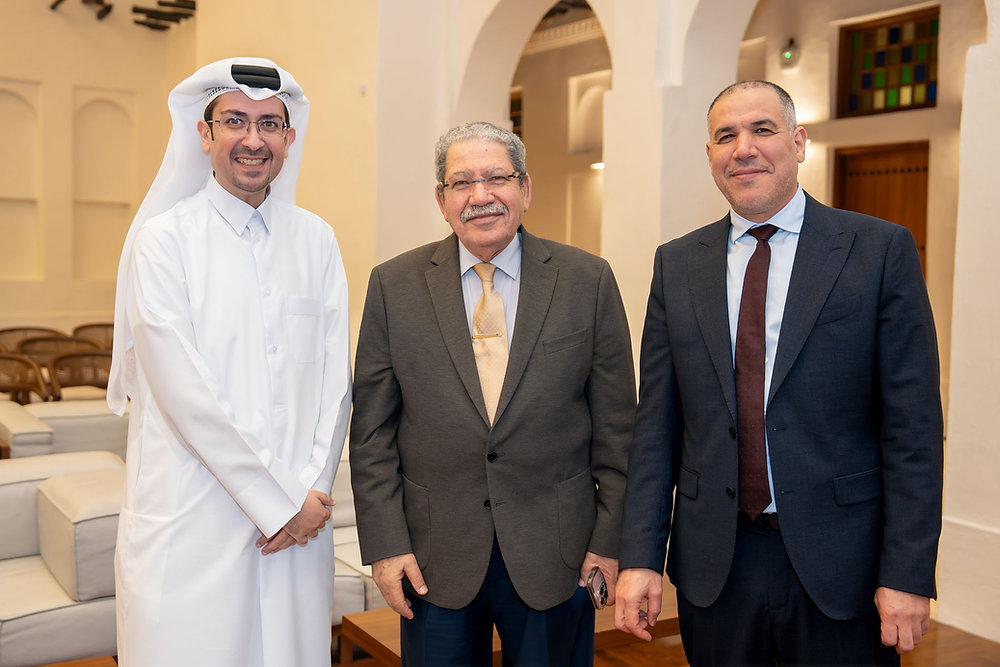
Msheireb Museums marked International Museum Day 2026 in Doha with a seminar exploring how museums can serve not only as guardians of heritage, but as active public spaces for dialogue, learning and community life.
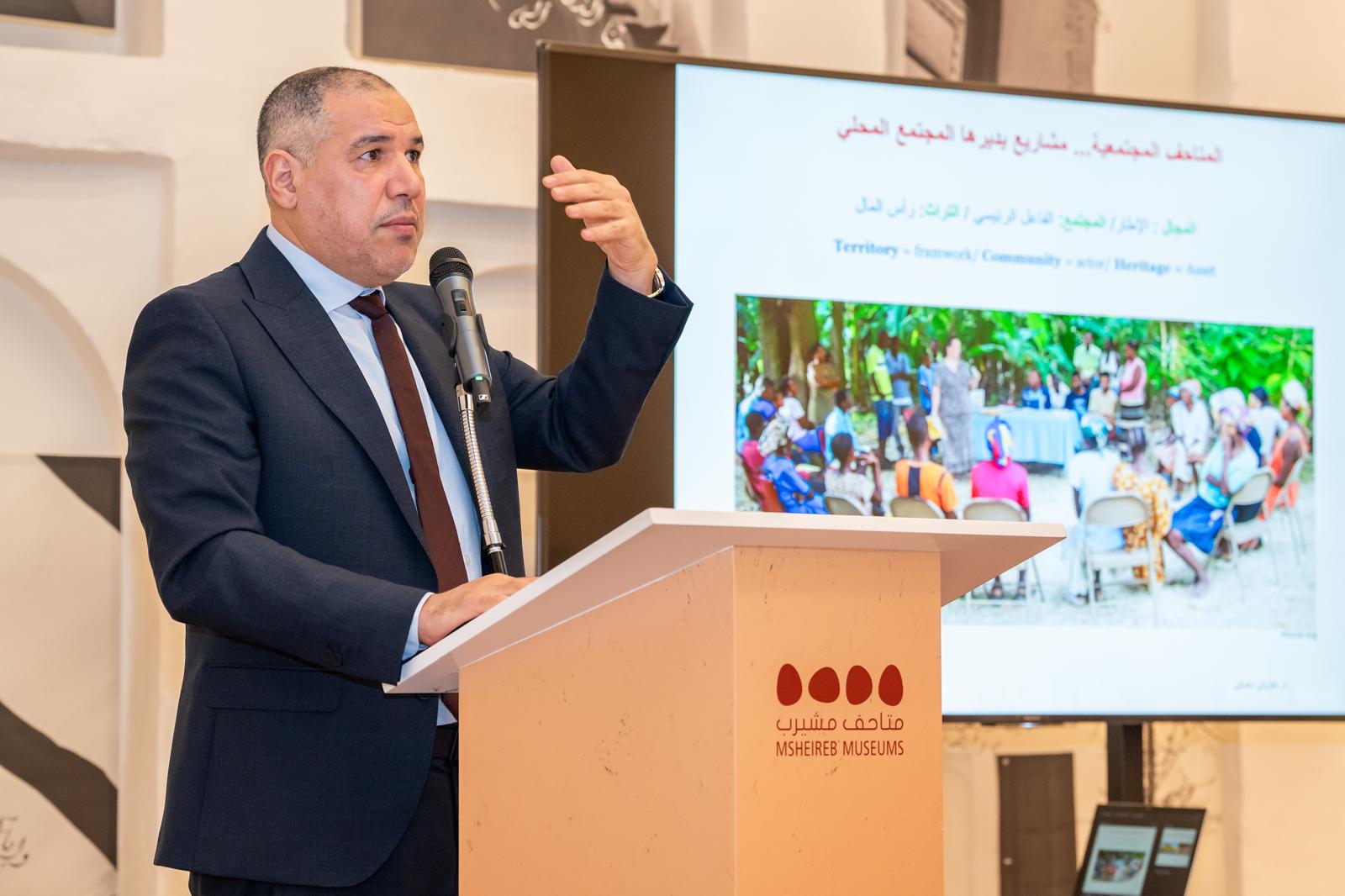
The session was led by Dr Ech Cherki Dahmali, a member of the Executive Board of the International Council of Museums and Director of the Cultural Advisor’s Office at Qatar Foundation.
A broader civic role for museums
Held at Msheireb Museums under the title “Museums: From Functional Role to the Social Dimension,” the seminar examined the shift from museums as static cultural institutions to places that respond to contemporary social needs.
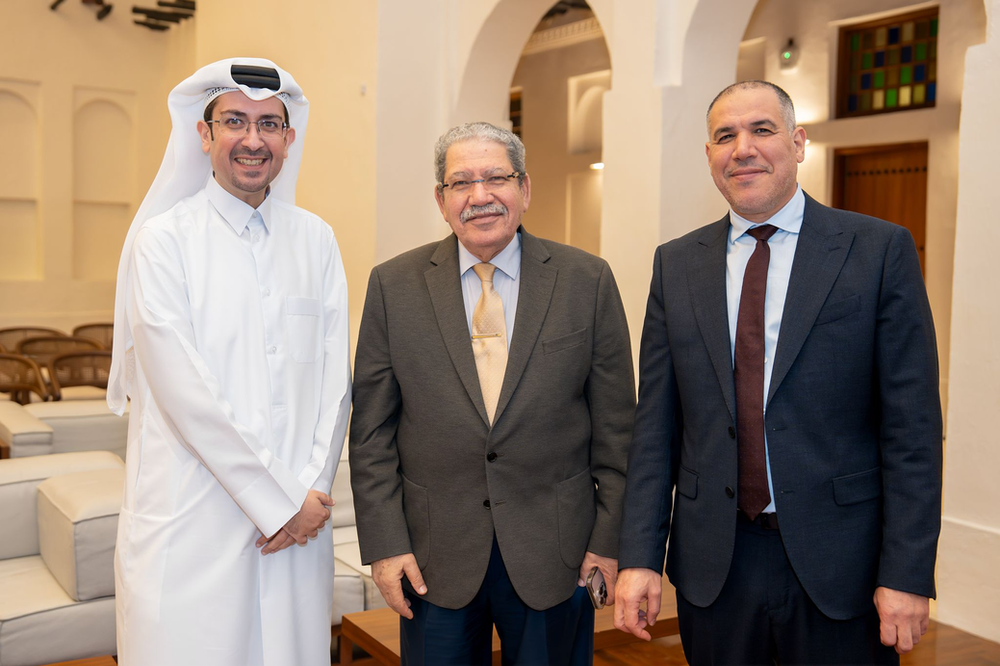
The discussion aligned with this year’s International Museum Day theme, “Museums Uniting a Divided World,” which places emphasis on cultural connection at a time when public institutions are being asked to do more for their communities.
International Museum Day and ICOM’s 80th anniversary
International Museum Day has been organised annually by ICOM since 1977 and has grown into a major global cultural event, with more than 37,000 museums across 158 countries and territories taking part each year.
The 2026 edition also coincides with ICOM’s 80th anniversary, adding another layer to the conversation about museums as places for education, cultural exchange and long-term social development.
Msheireb Museums as a downtown cultural meeting point
Abdulla Al Naama, General Manager of Msheireb Museums, said the occasion offered a moment to consider the expanding role museums play in society and highlighted the institution’s commitment to dialogue, learning and social cohesion.
Within Msheireb Downtown Doha, the museums occupy four heritage houses that trace Qatar’s history, urban development and identity while also hosting programmes intended to bring different audiences into conversation.
Accessibility and younger audiences
Dr Dahmali stressed that museums must become more accessible and engaging if they are to remain meaningful for the communities around them.
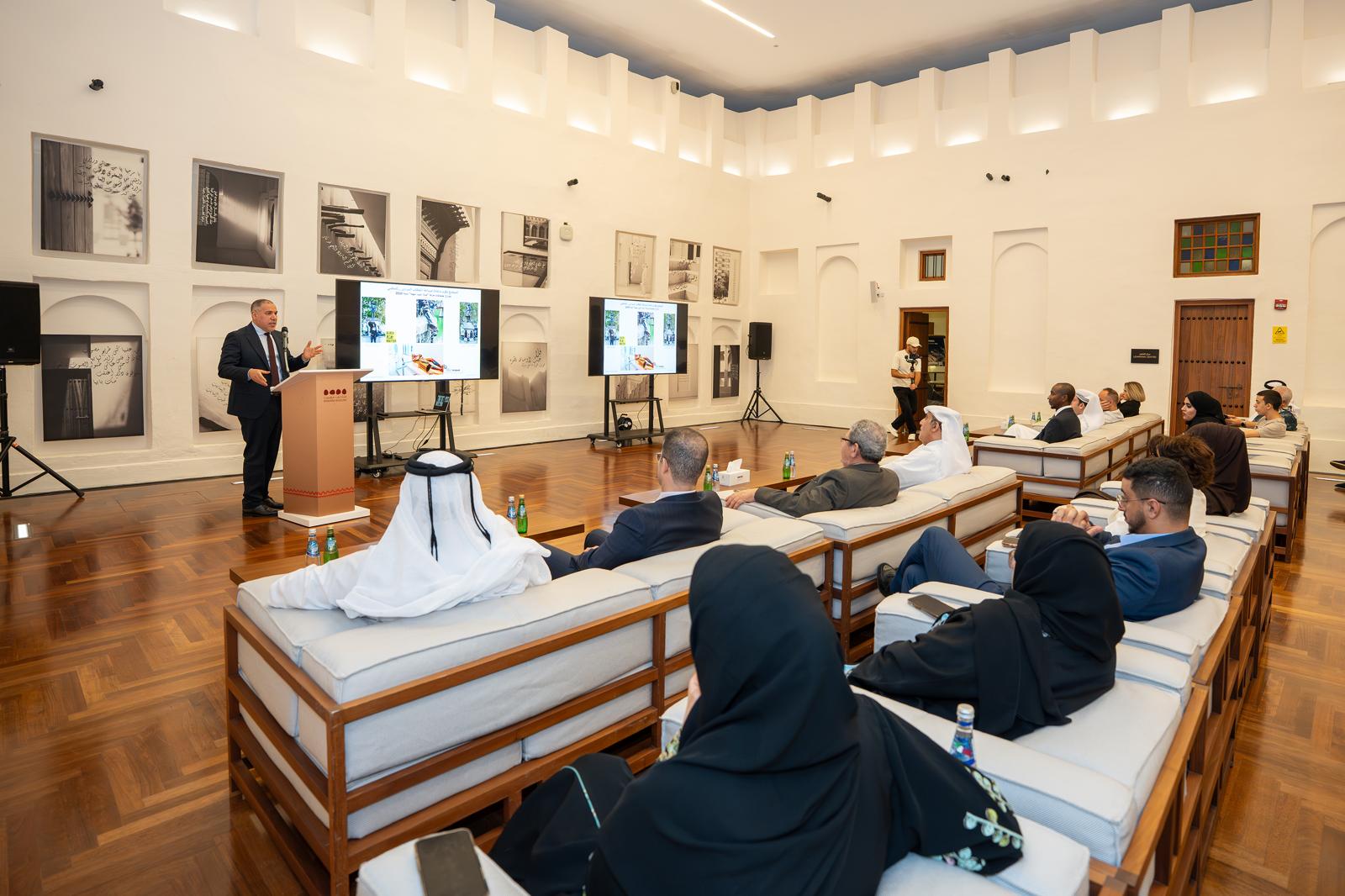
He also pointed to the increasingly competitive cultural and entertainment landscape, particularly for younger visitors, where museums need to understand changing expectations and communicate with greater relevance.
The gathering positioned Msheireb Museums as part of a wider movement in which cultural institutions are expected to protect memory, encourage exchange and offer inclusive spaces where communities can meet, reflect and imagine what comes next.