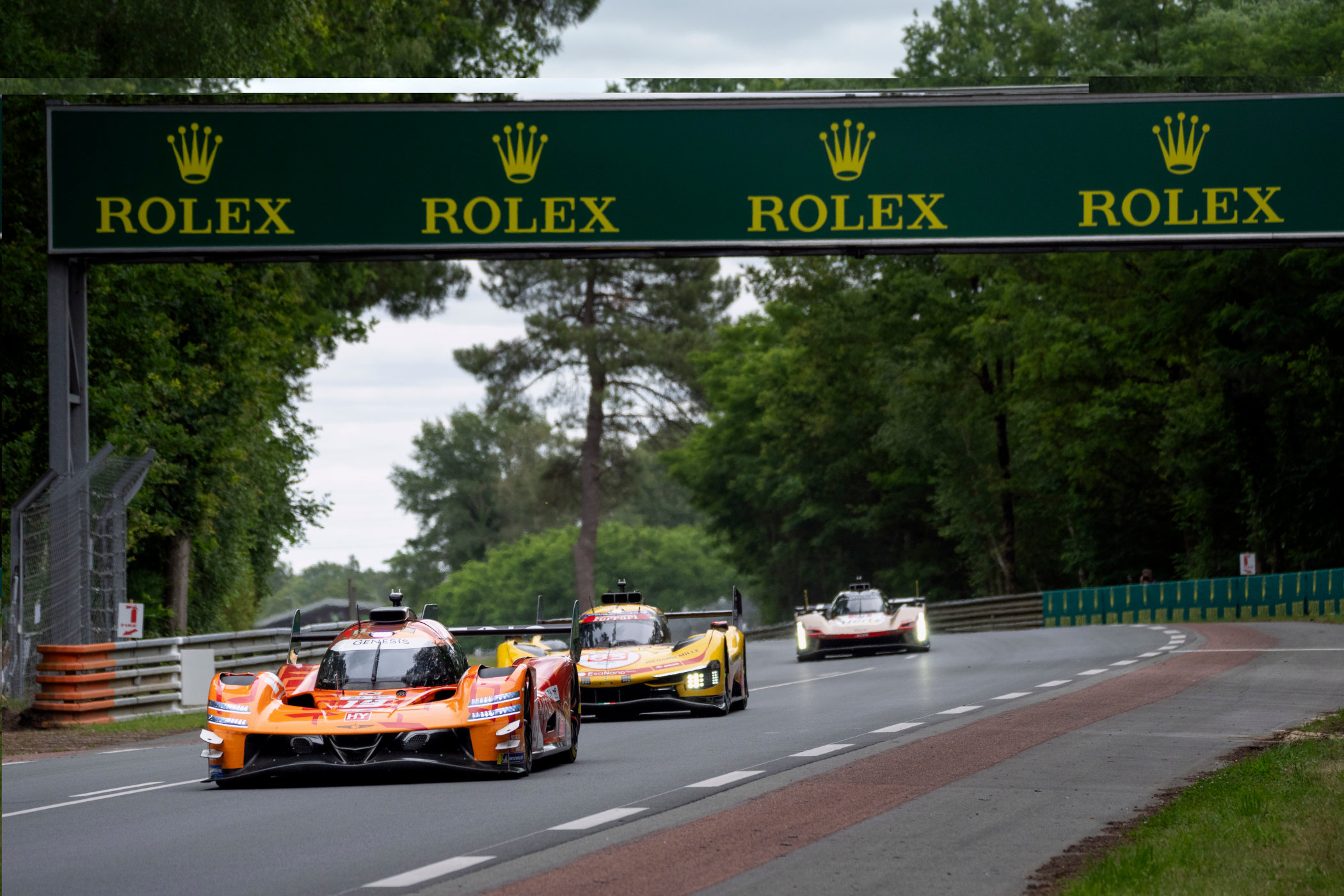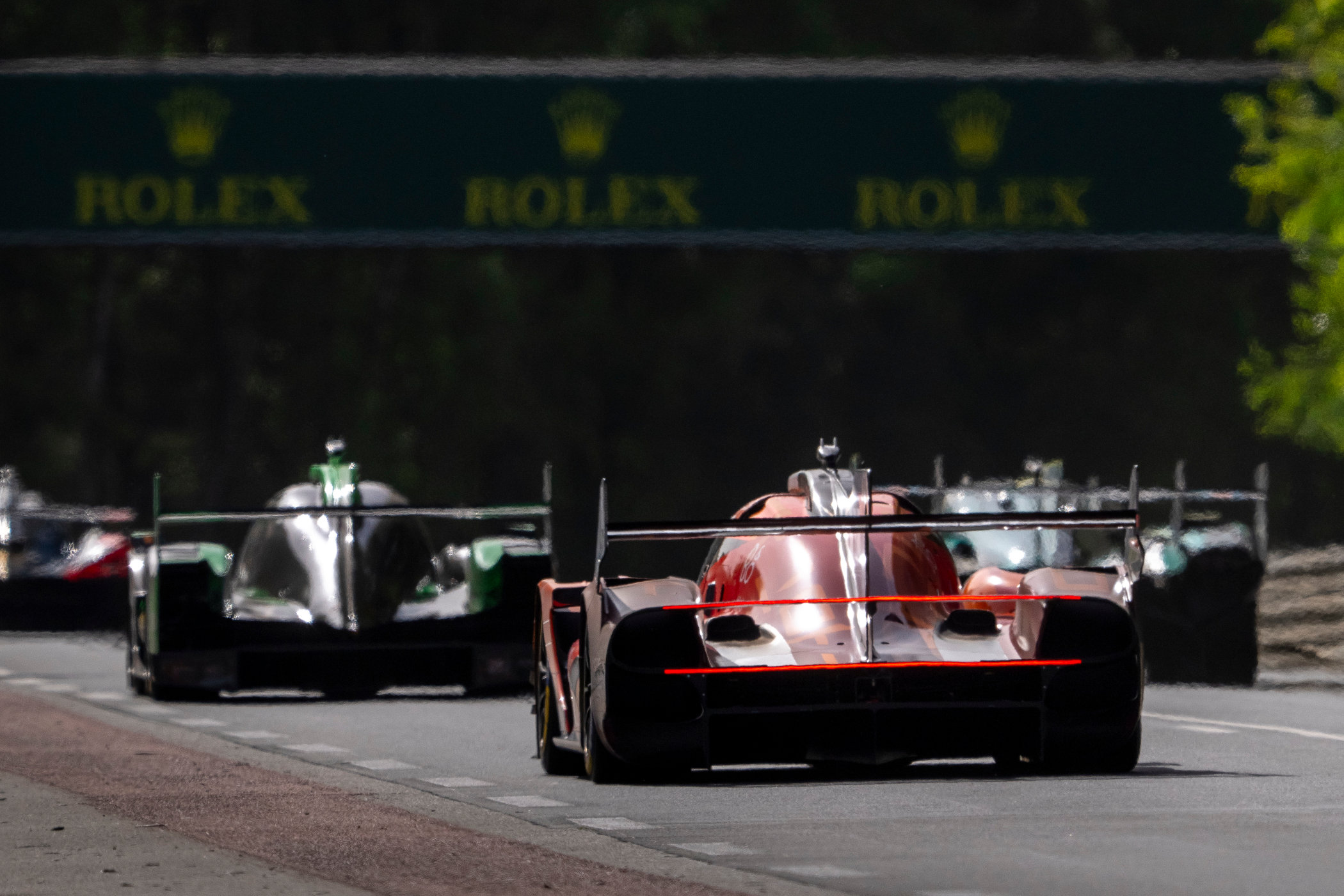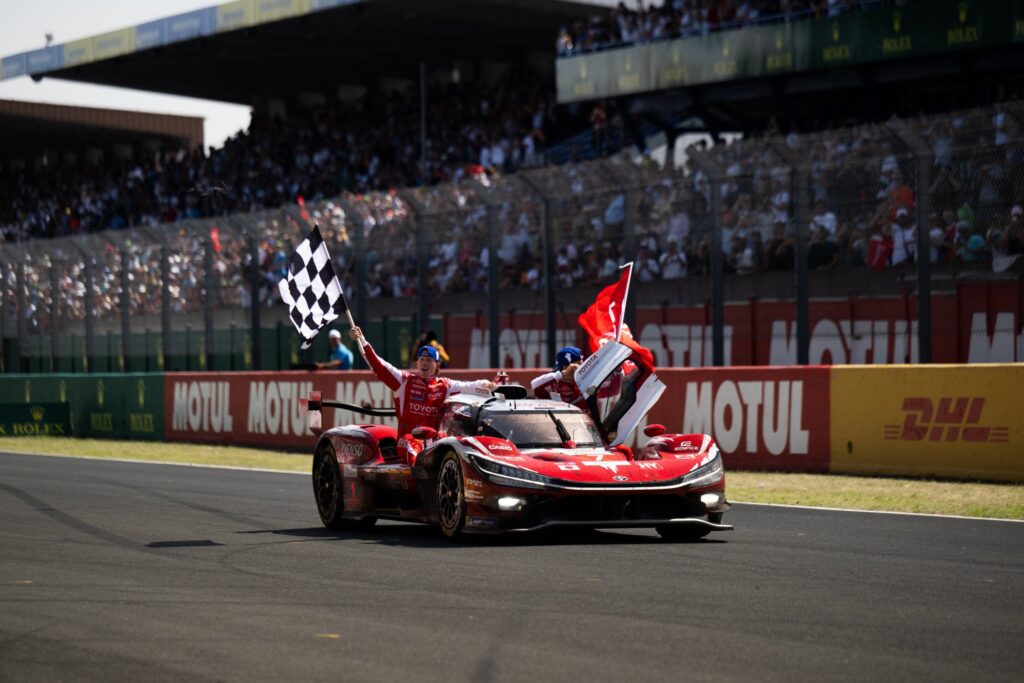
The 2026 Le Mans 24 Hours delivered the kind of finish that makes endurance racing feel almost unreasonable.
After a full day of running flat-out, Toyota’s #7 TR010 Hybrid crossed the line with BMW still close enough to keep everyone nervous and Cadillac not far behind.
For Toyota, it was a sixth overall Le Mans victory and the first for its new TR010 Hybrid, ending Ferrari’s run of three consecutive wins with the 499P.
At a glance
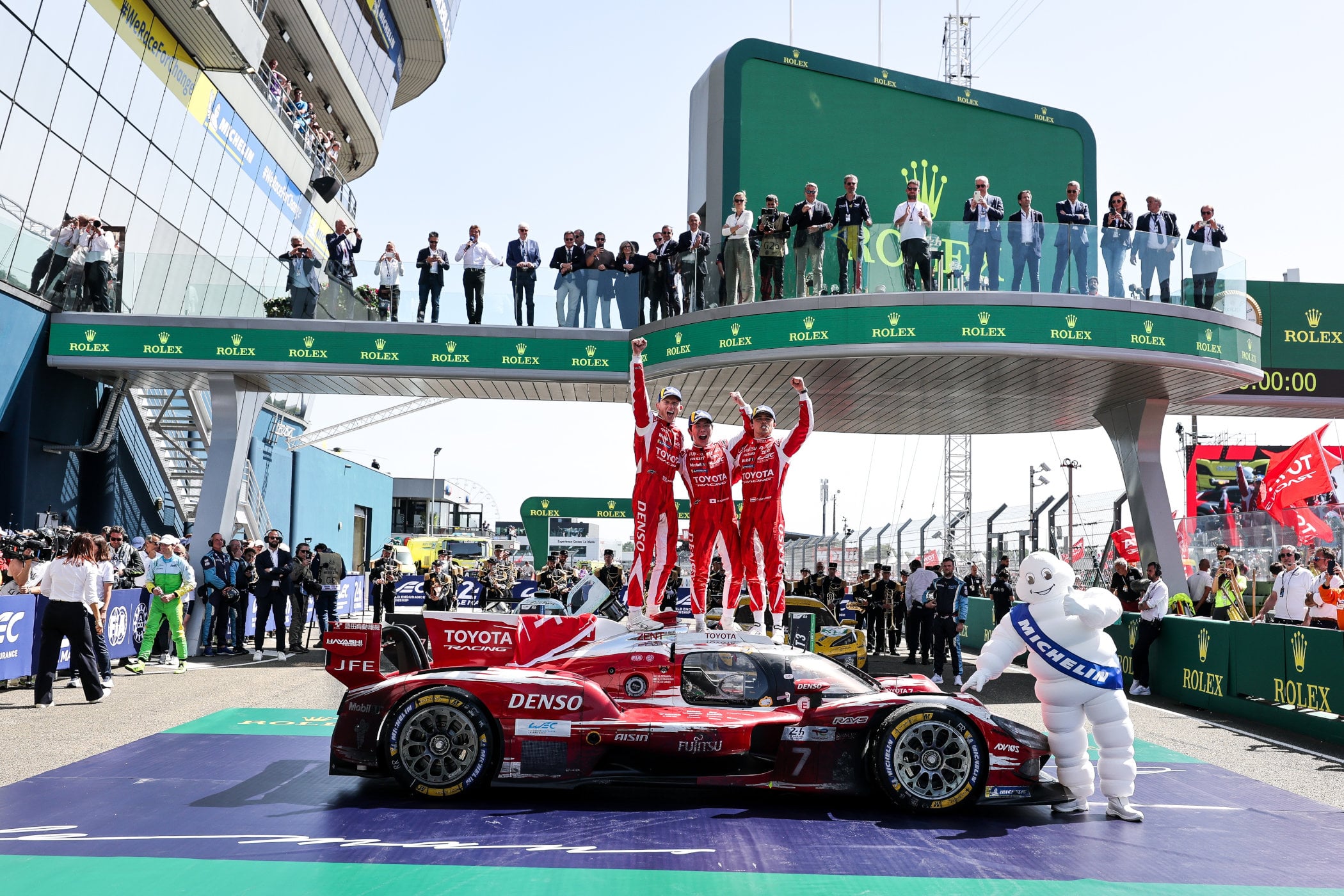
- Toyota won the 2026 Le Mans 24 Hours with the #7 TR010 Hybrid driven by Mike Conway, Kamui Kobayashi and Nyck de Vries.
- The race was decided late by tyre strategy, with the #20 BMW finishing second and the #8 Toyota completing the podium.
- The Hypercar class remained tightly packed, with Cadillac fourth and the top seven cars finishing on the same lap after 381 laps.
A Hypercar grid with new pressure points
The top class arrived at Le Mans in a state of transition, but not weakness.
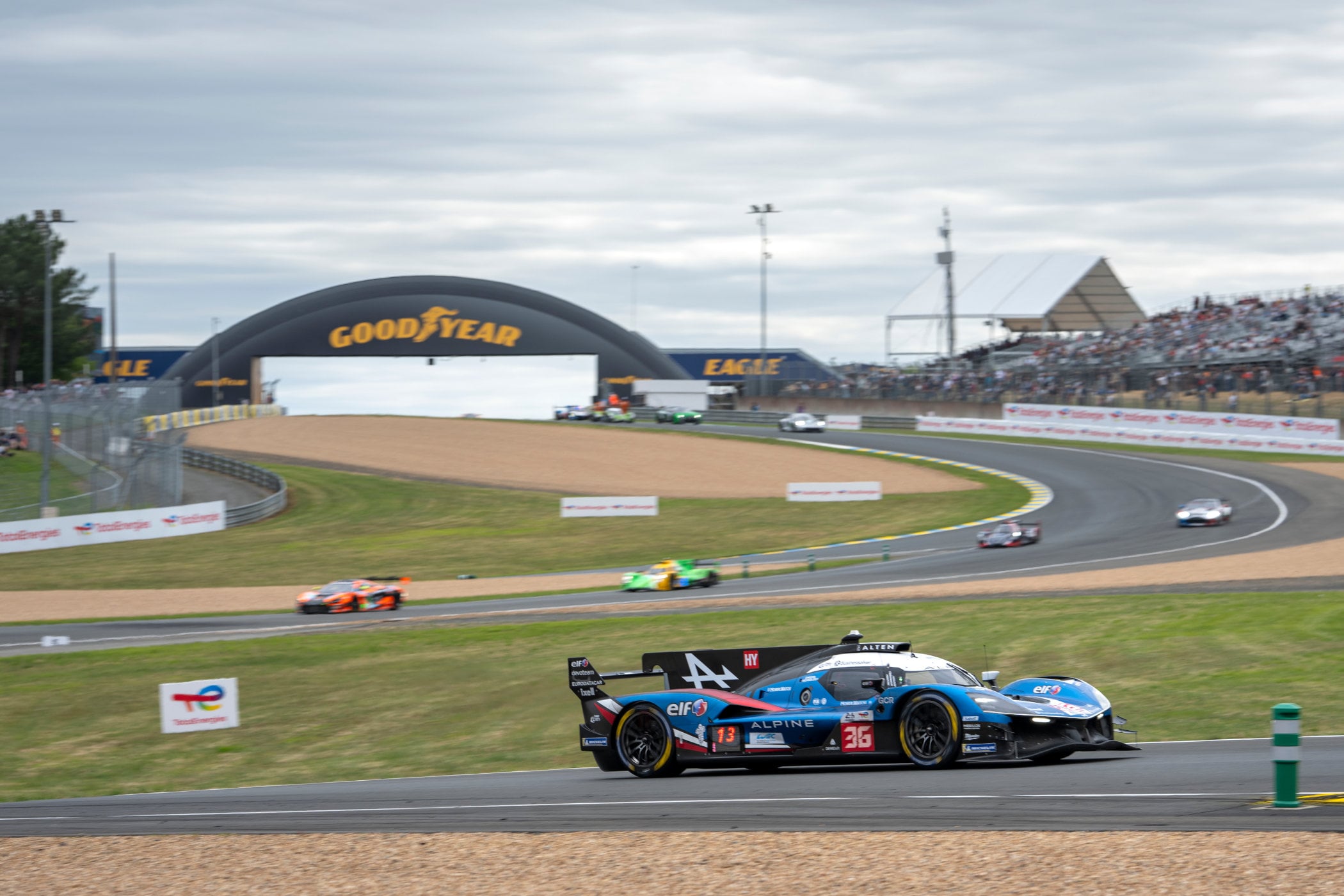
Porsche had stepped away from the Hypercar category for the 2026 World Endurance Championship season, while Alpine was making what is expected to be its final Le Mans appearance for now.
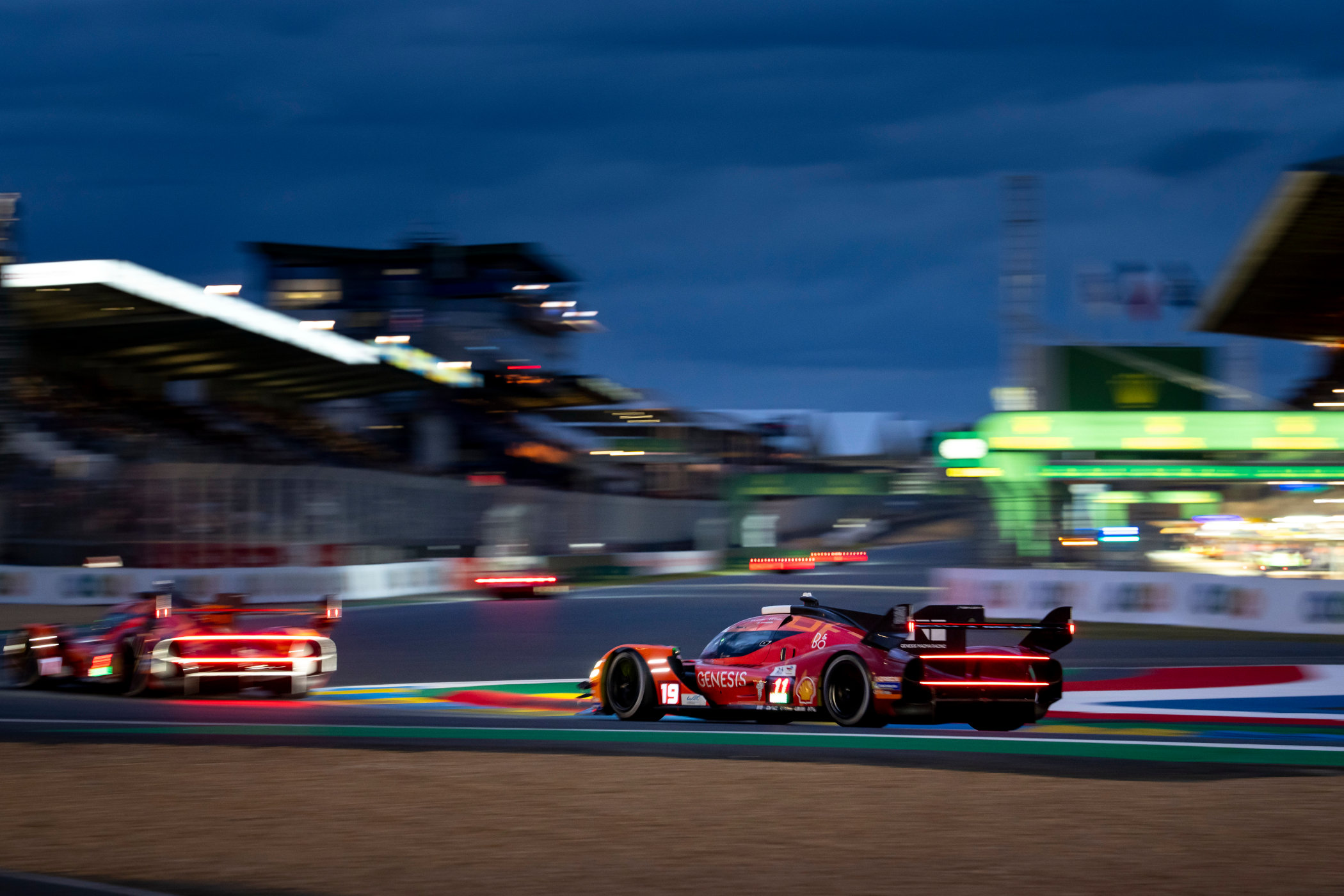
At the same time, Genesis Magma Racing brought fresh intrigue with the GMR-001 Hypercar, making its Le Mans debut in only the car’s third race.
McLaren and Ford have also announced returns to the top class next year, underlining how healthy the category still looks despite the movement around it.
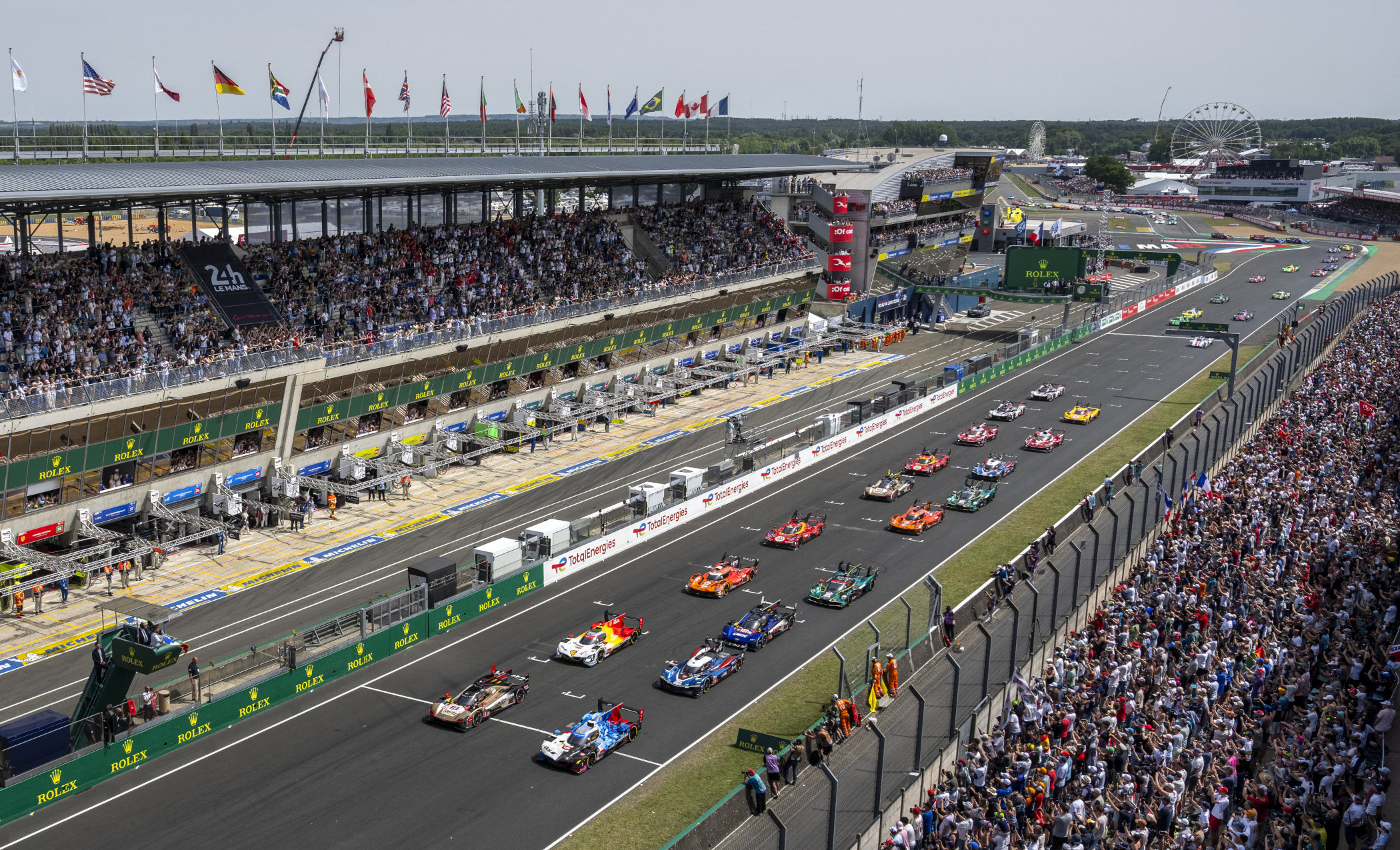
BMW set the early tone, with the #15 M Team WRT car taking pole after Cadillac received a one-place penalty.
Alpine lined up third, followed by the second BMW, a Cadillac, Genesis in sixth, Aston Martin’s V12-powered Valkyrie in seventh and Ferrari in eighth.
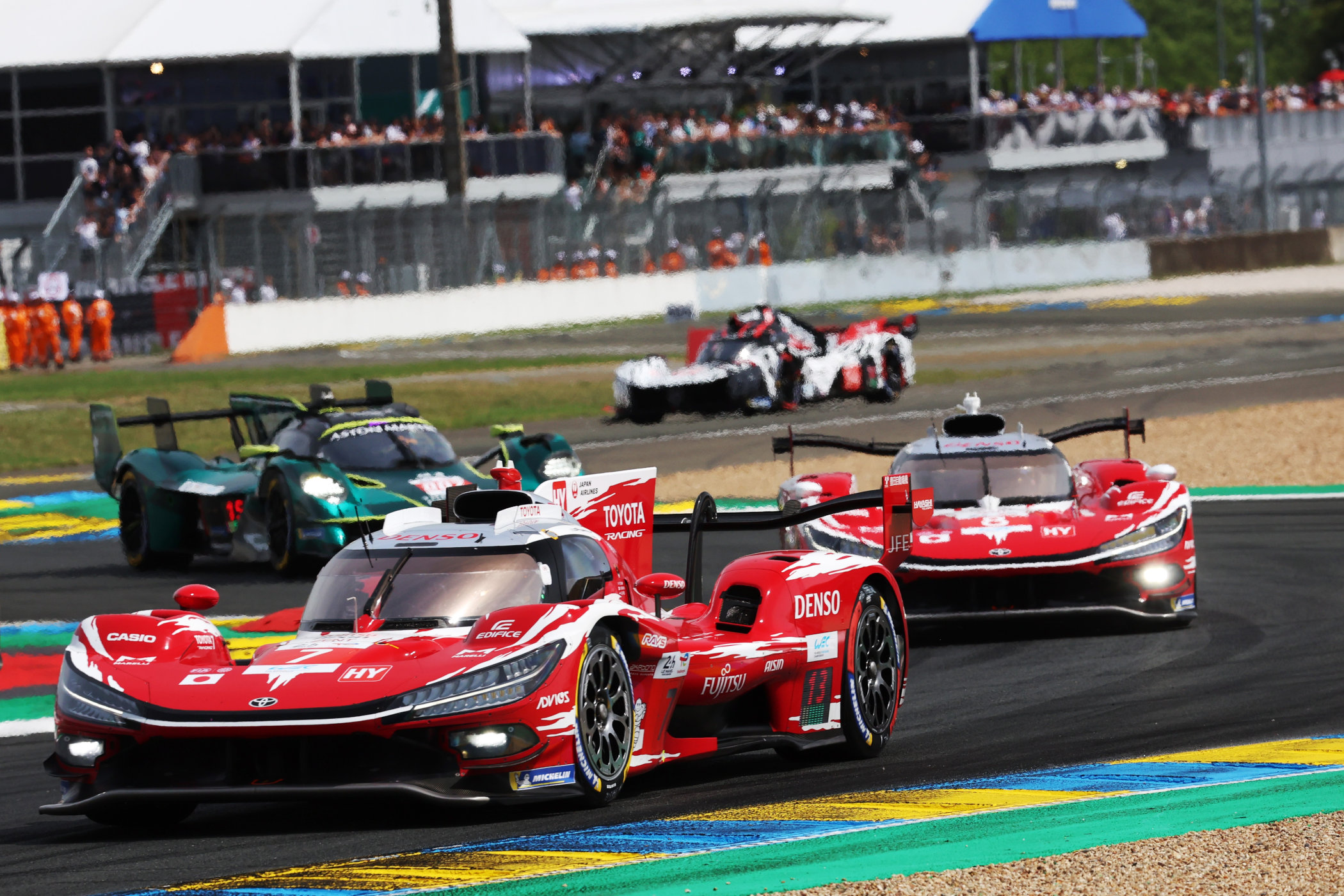
Toyota, unusually, started from lower on the grid, but a 24-hour race rarely rewards the fastest single lap as much as the cleanest execution.
Strategy put Toyota back in the conversation
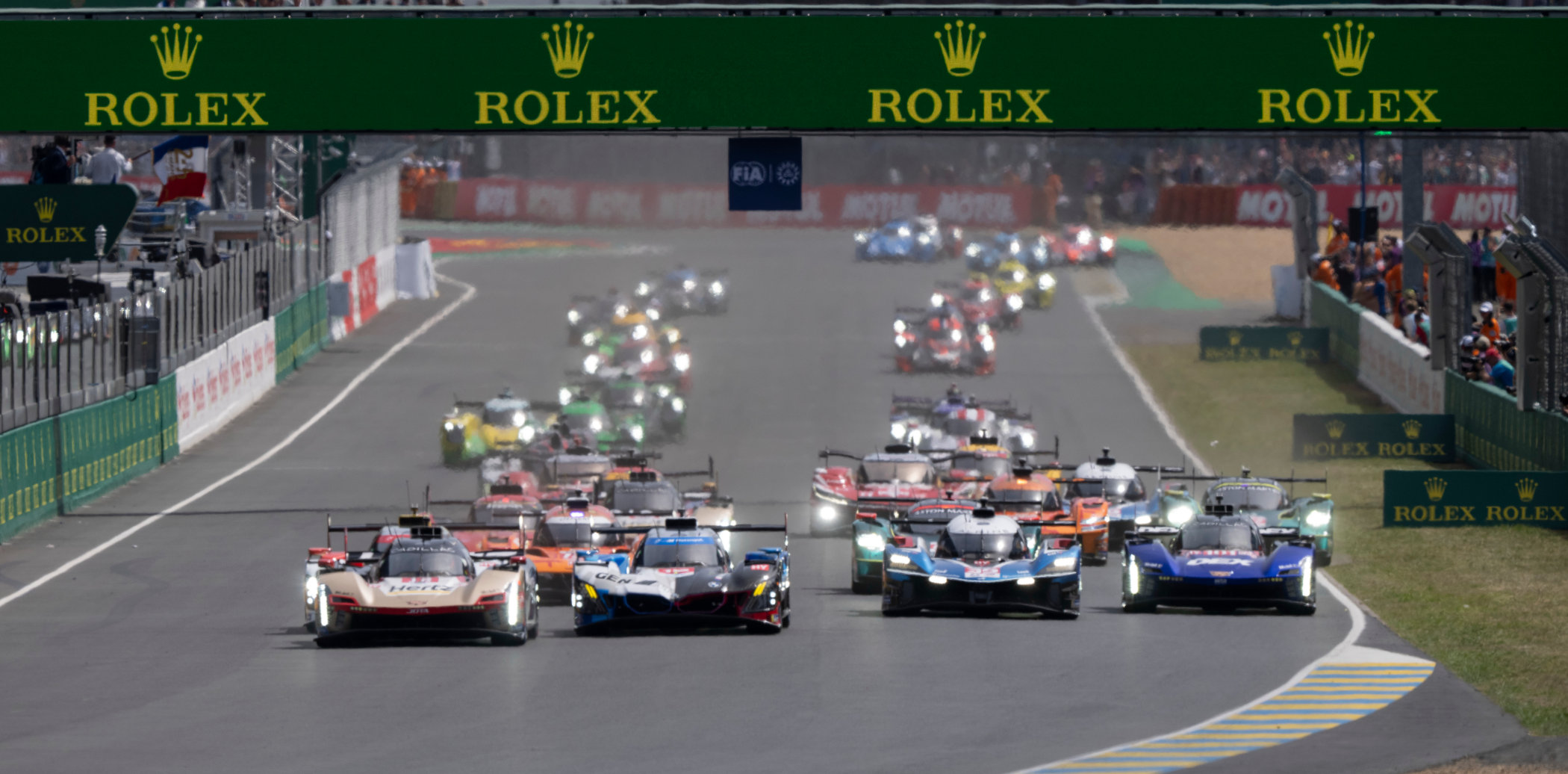
The race began less like a measured endurance contest and more like a full-distance sprint.
Kevin Magnussen’s pole-sitting BMW was beaten into the opening sequence by the #12 Cadillac of Will Stevens, before René Rast in the other BMW moved into the lead on the run down the Mulsanne Straight.
Toyota made its first decisive move less than half an hour in, bringing a car in after 29 minutes to undercut the Hypercar pack.
Once the opening cycle of stops played out, the #8 Toyota emerged at the front, showing that the Japanese team had brought more than just durability to the race.
The early hours were relatively clean, with the first full-course yellow not arriving until the fourth hour.
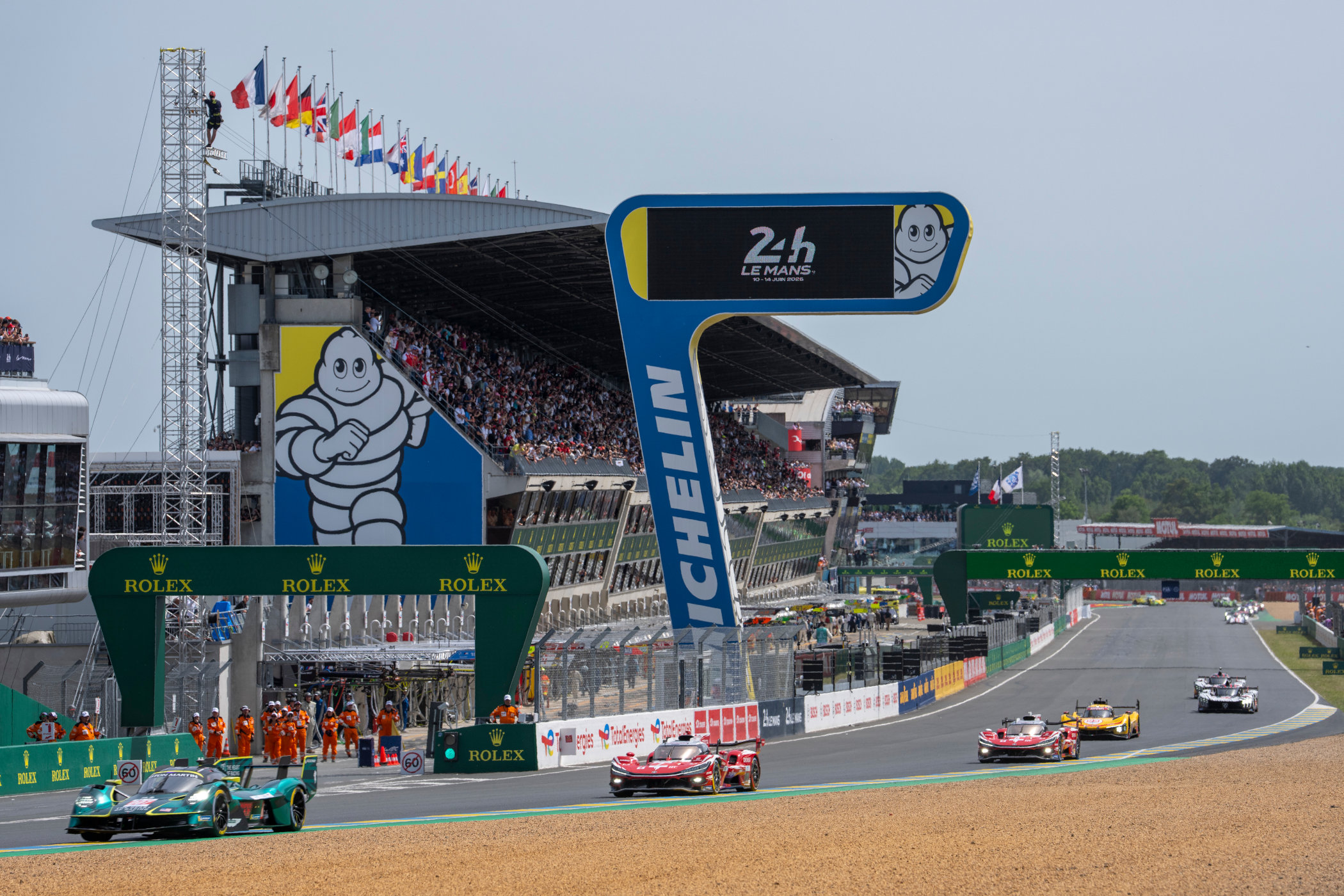
Through the evening, the lead moved between Toyota and Cadillac, while Ferrari’s challenge was blunted by incidents and penalties.
The first safety car arrived in the eighth hour after contact between an LMP2 and a GT3 car, triggering a wave of pit stops and another reshuffle at the front.
A late tyre call decided the win
By halfway, the complexion of the race had changed.
The #15 BMW couldn’t reproduce its qualifying pace, while Alpine, Peugeot and Ferrari fell away from the sharpest end of the Hypercar fight.
The first Hypercar retirement came when the #38 Cadillac Hertz Team Jota entry stopped with a power steering issue on lap 218.
The #17 Genesis, #15 BMW and #50 Ferrari later retired as well, with suspension damage, collision damage and mechanical issues respectively.
For a race this fast and this hard-fought, the Hypercar field still proved notably robust.
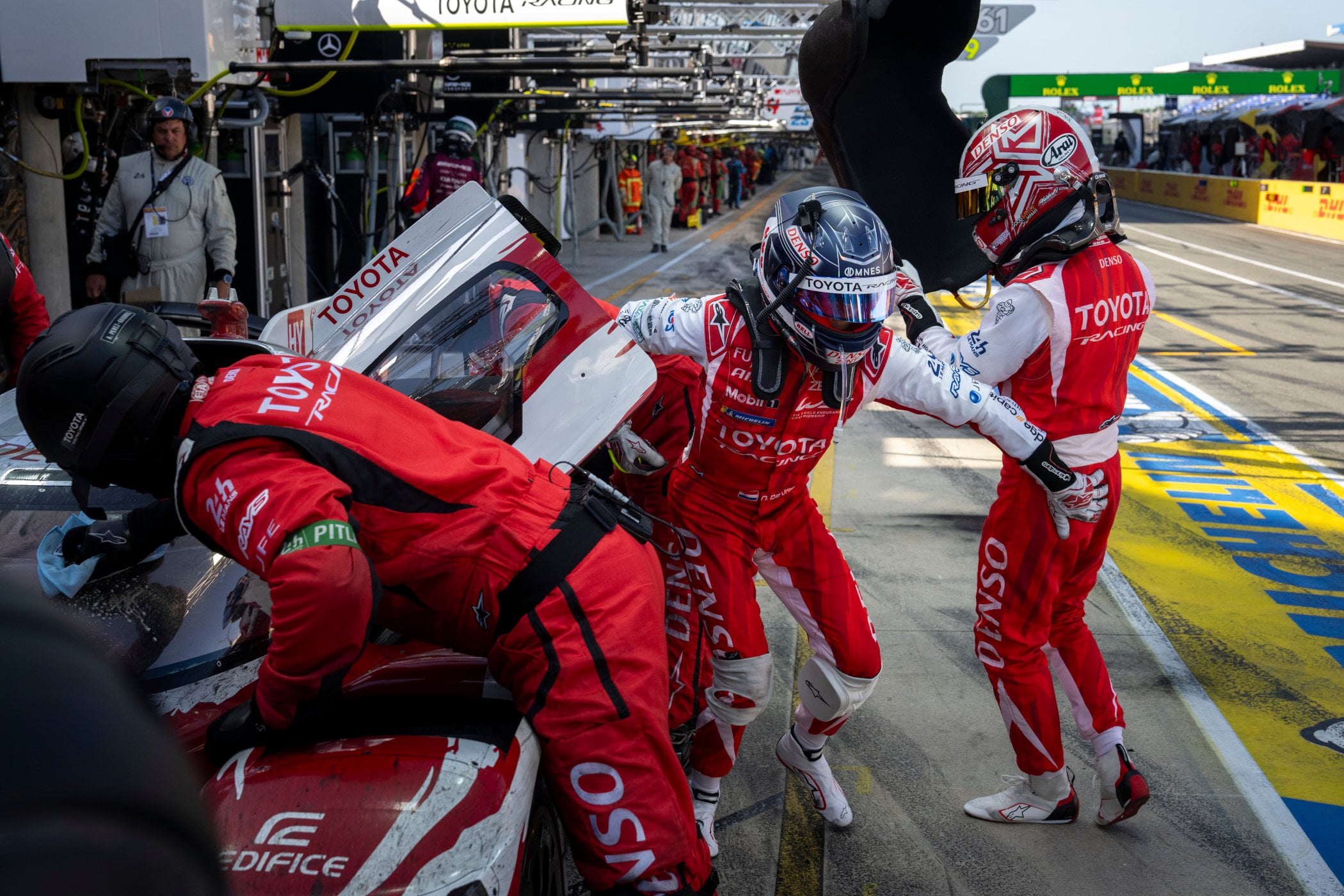
Toyota had its own problems, including a brake drum mounting issue on the #8 car, but by Sunday midday the fight had narrowed to both Toyotas, a Cadillac and a BMW.
A late full-course yellow then complicated Cadillac’s run, with the #12 car losing crucial time when the safety period ended during a splash-and-dash stop.
The decisive moment came with BMW’s #20 car closing quickly and Toyota split over tyre strategy.
Keeping both Toyotas out on old rubber risked handing the race to BMW, while stopping both cars would likely do the same.
Toyota committed the #7 car to fresh tyres and used the #8 to delay Robin Frijns in the BMW.
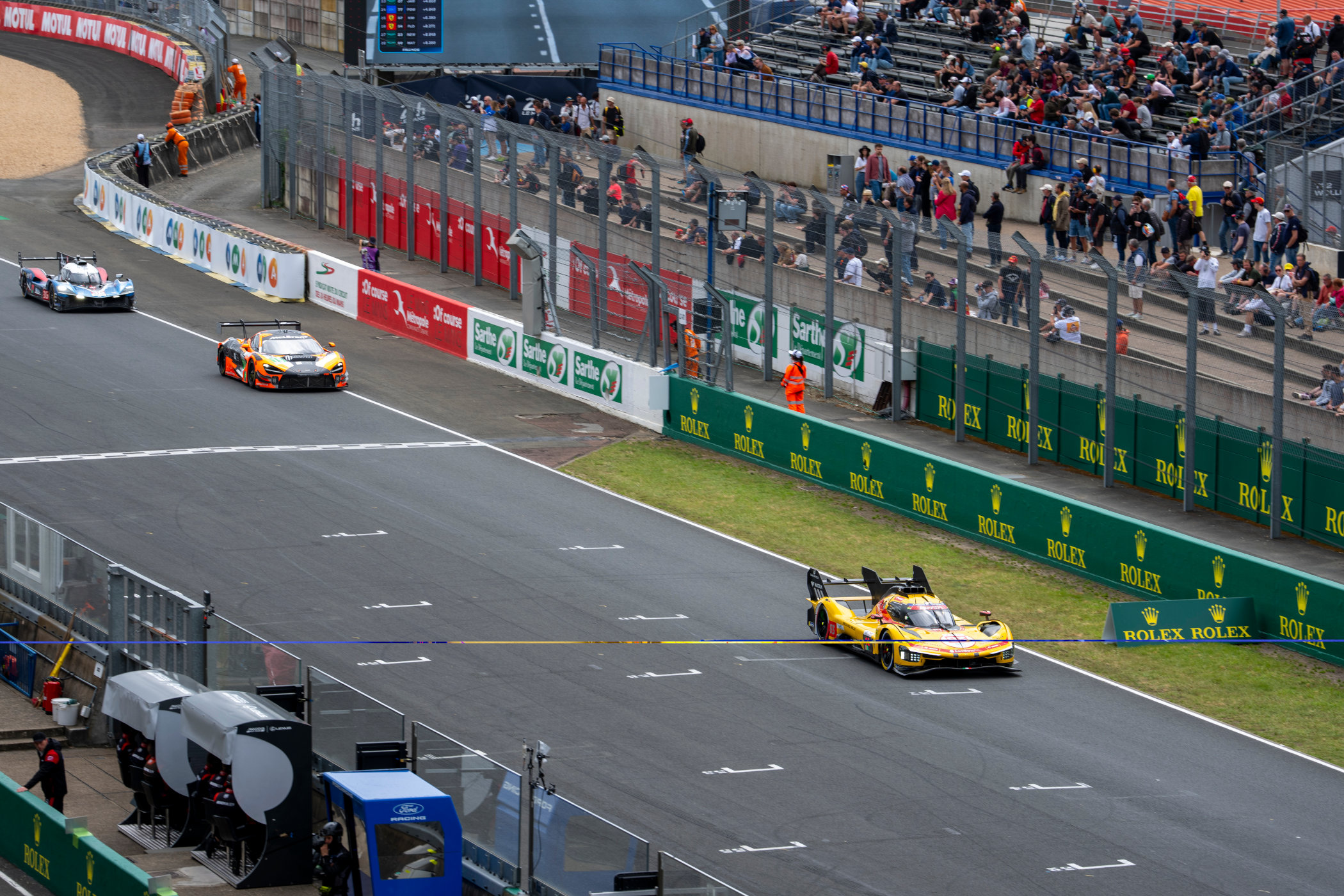
That gave Conway, Kobayashi and de Vries the gap they needed, and the #7 Toyota reached the flag first after 381 laps.
The #20 BMW finished second, roughly 10 seconds back, with the #8 Toyota third a further handful of seconds behind.
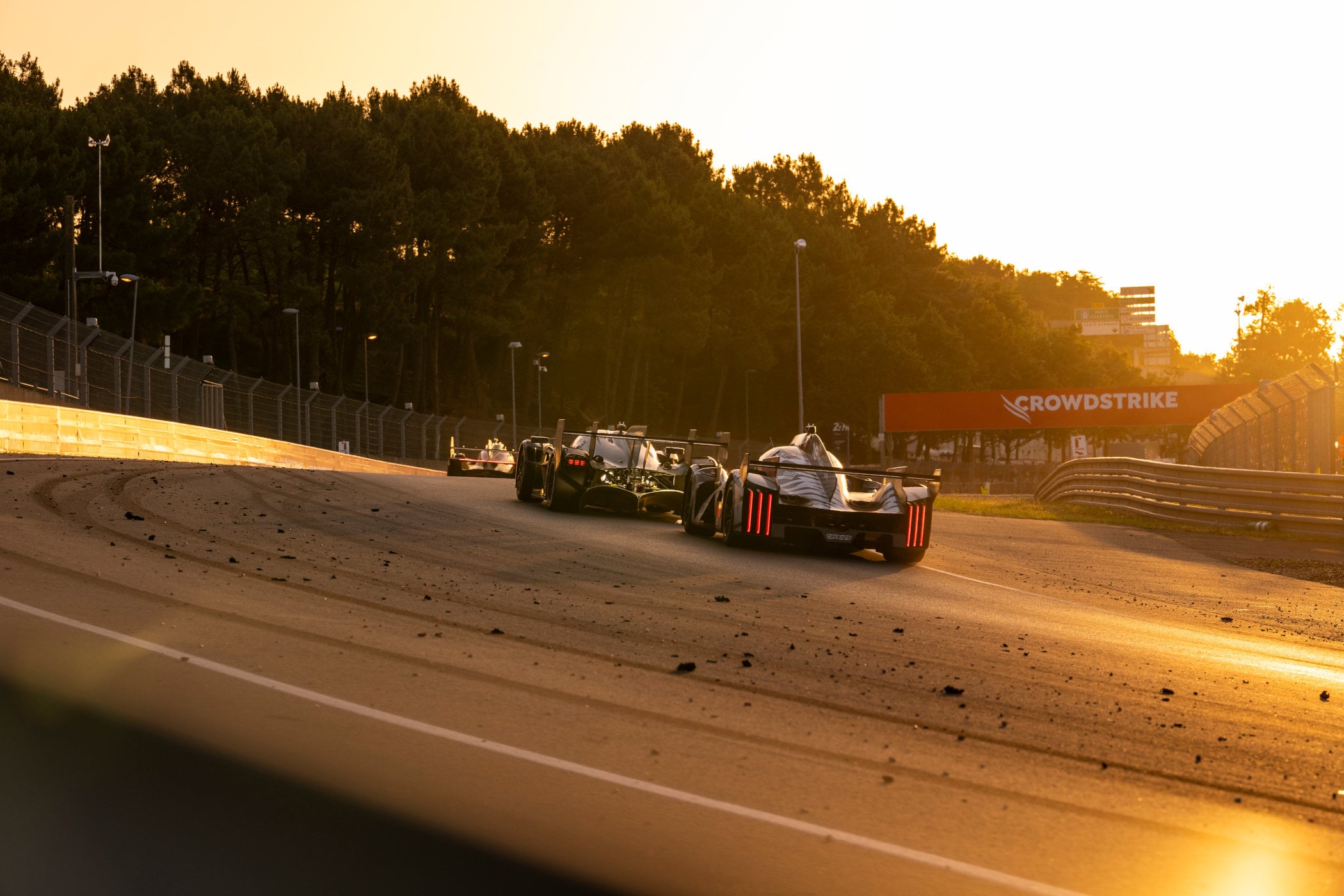
The #12 Cadillac took fourth, just over half a minute from the winner, while the top seven cars finished on the same lap.
Details & Specifications
| Event | 2026 Le Mans 24 Hours |
|---|---|
| Winning team | Toyota Racing |
| Winning car | #7 Toyota TR010 Hybrid Hypercar |
| Winning drivers | Mike Conway, Kamui Kobayashi and Nyck de Vries |
| Overall win for Toyota | Sixth at Le Mans |
| Race distance | 381 laps |
| Second place | #20 BMW, about 10 seconds behind |
| Third place | #8 Toyota |
| Fourth place | #12 Cadillac, just over half a minute behind the winner |
This was the kind of Le Mans victory that suits Toyota’s modern endurance identity, built less on theatre than on timing, resilience and the nerve to make one difficult call at the right moment.
With Genesis now in the mix and more manufacturers on the way, the win also lands as a reminder that Toyota remains the benchmark everyone else still has to beat.