
TimeForArt has become one of the more compelling fixtures in the modern watch calendar because it asks brands to step outside normal collection logic.
For the 2026 edition, 26 participating names have created unique watches to support the Swiss Institute, the New York non-profit contemporary art institution that offers exhibitions, public programs, education and community workshops free of charge.
The auction will take place on 5 December as part of the Phillips New York Watch Auction XV, placing independent watchmaking, jewellery craft and contemporary art in the same room.
At a glance
- TimeForArt 2026 brings together 26 participating brands, each contributing a unique watch for auction.
- The strongest thread is artistic material work, from hardstone marquetry and hand-engraving to mother-of-pearl painting and sculptural cases.
- Proceeds support the Swiss Institute in New York, with the sale held on 5 December during Phillips New York Watch Auction XV.
A watch auction with a contemporary art brief
TimeForArt is not simply another thematic sale built around rarity.
Its premise is more direct and arguably more interesting, inviting watchmakers to create one-off pieces that can stand as small-scale art objects while raising funds for a cultural institution.
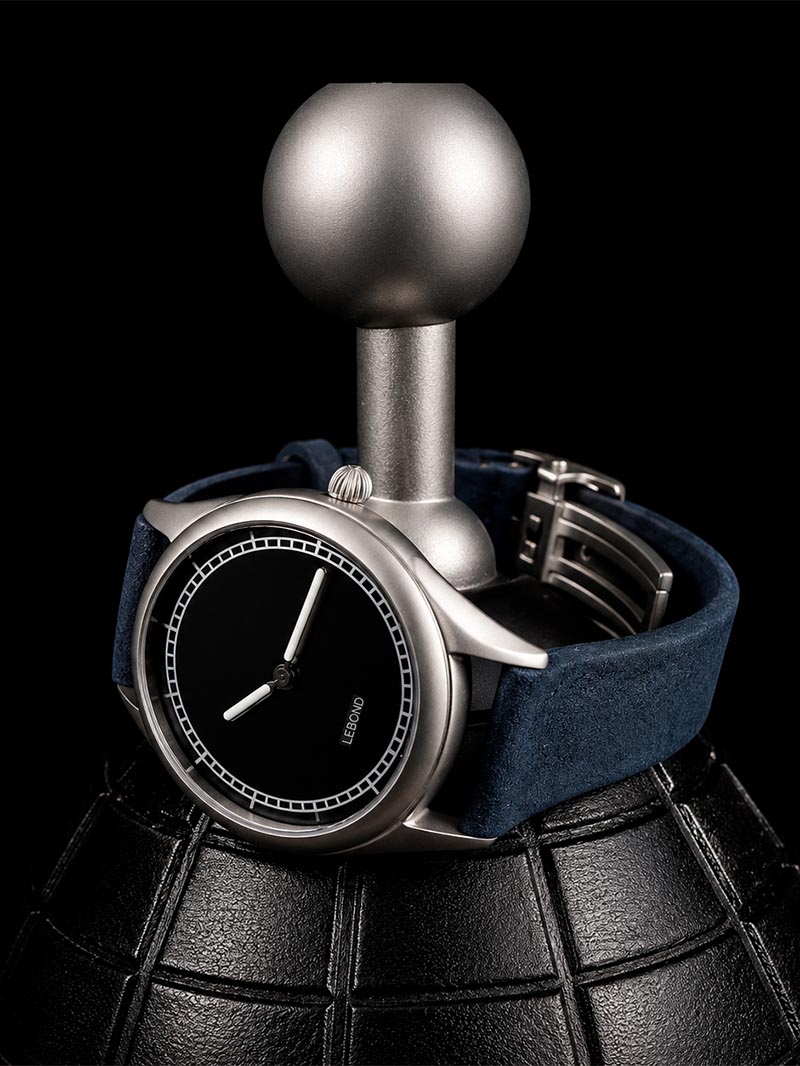
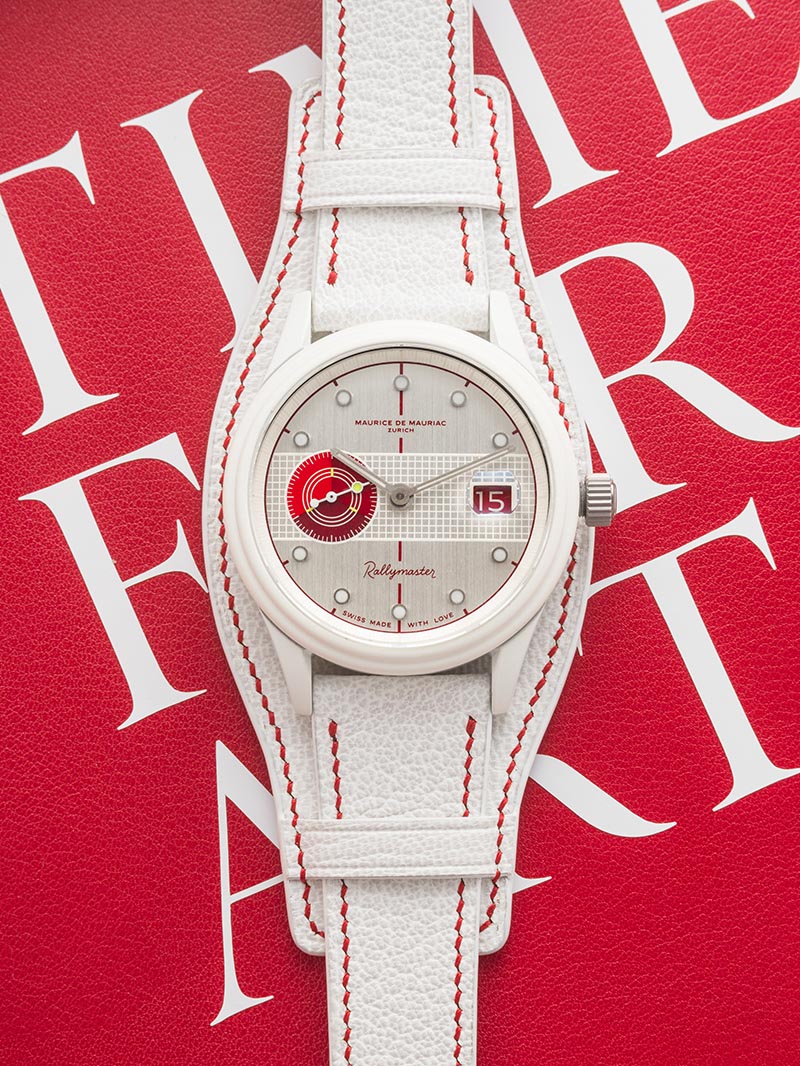
The 2026 roster spans established houses, young independents and collaborative projects, including Alto, Anoma, Atelier Wen, Baltic, Bremont, Bvlgari, Chanel, Chopard, Czapek with Guillaume Dénervaud, Dennison, Felipe Pikullik, Gerald Charles with Igor Mitoraj, Hermès, Jaquet Droz with Académie de Meuron, L’Epée 1839, LEBOND, Louis Erard with Monica Bonvicini, Maurice de Mauriac with Carlton Dewoody, Maurice Lacroix with Ficus Interfaith, MING with Jason Anderson, Perrelet with The Dial Artist, Simon Brette with Anita Porchet, Toledano & Chan, UNIMATIC, Universal Genève with the Tamara de Lempicka Estate, and ZENITH | USM.
That range is part of the appeal.
Rather than one house setting a visual tone, the auction becomes a cross-section of how today’s watchmakers interpret the relationship between timekeeping, object design and contemporary art.
Stone, sculpture and the return of the dial as canvas
Hardstone dials are a clear theme this year, but the stronger examples don’t treat stone as a decorative shortcut.
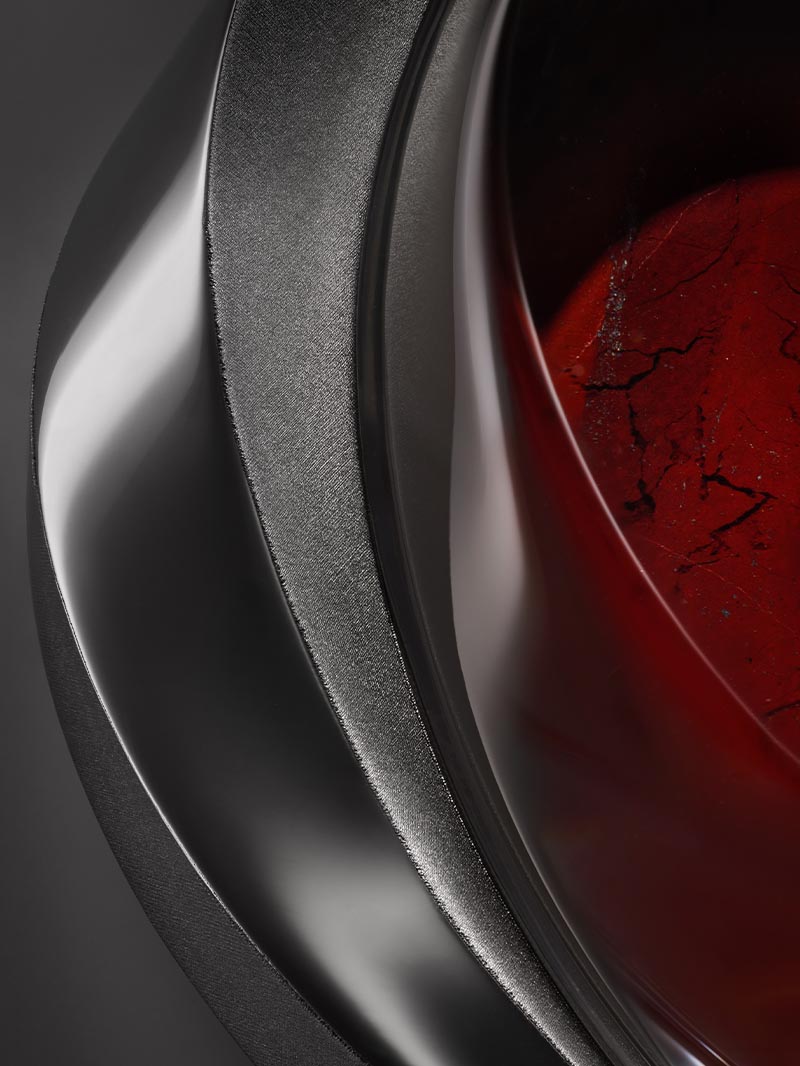
Alto’s ART01 “Bull’s Eye” pushes the brand’s distinctive dial shape into bull’s eye stone, a red-brown striated material related in visual character to tiger’s eye and falcon’s eye.
The challenge is not just selecting the stone, but cutting and shaping it into the ART01’s unusual architecture without losing the natural banding that gives the material its life.
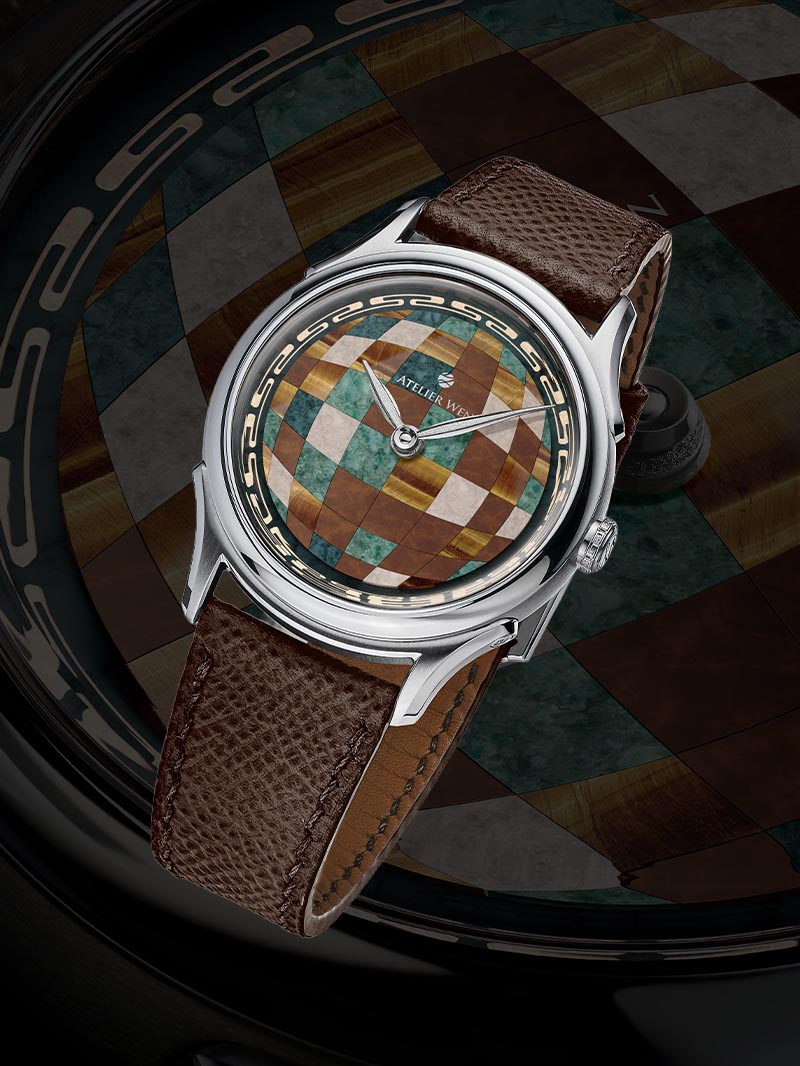
Atelier Wen takes a more intricate route with the Ancestra 百石, or Bǎishí, combining tiger’s eye, brown jasper, white jasper, cream moonstone, green jasper and bloodstone in a marquetry-style composition.
The watch is powered by the Atelier Wen Calibre W11.20 by Pequignet, which offers a 65-hour power reserve.
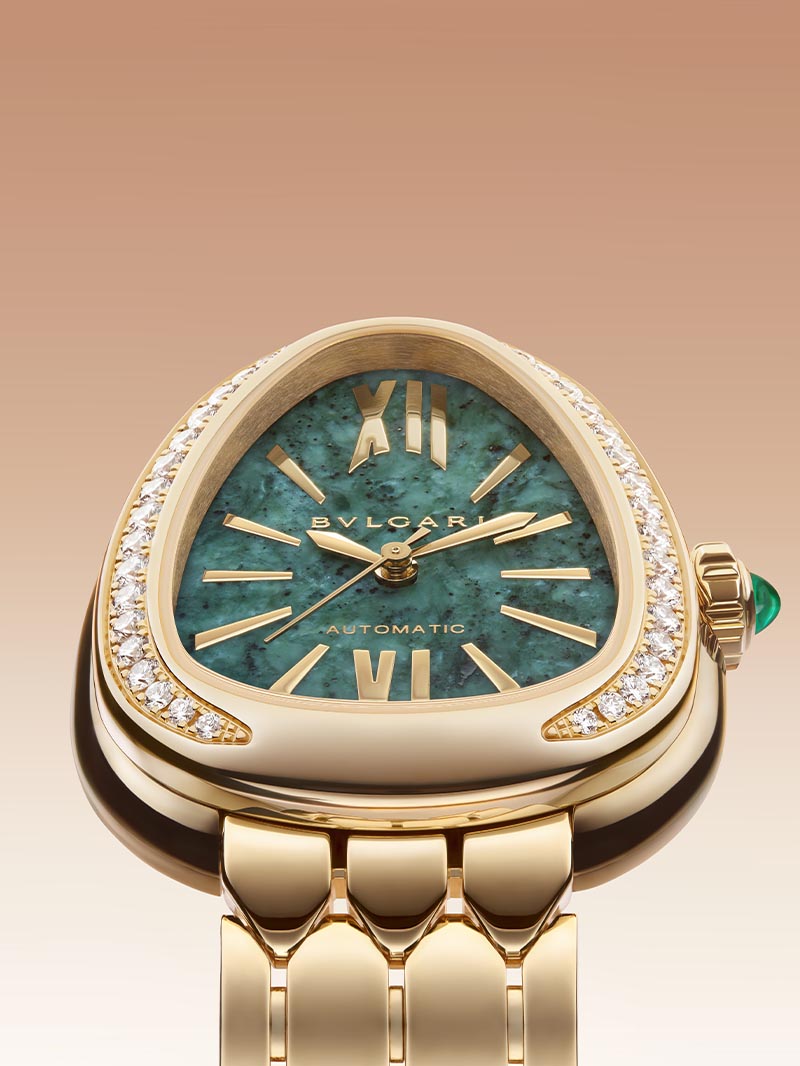
Bvlgari’s Serpenti Seduttori Automatic Time for Art Limited Edition sits firmly in the jewellery-watch camp, using the Serpenti’s snake-shaped case, a yellow gold scaled bracelet and a natural Verde Alpi marble dial.
The green Italian marble is paired with 36 round brilliant-cut diamonds on the bezel, giving the piece a material language that’s unmistakably Bvlgari without relying on conventional dial decoration.

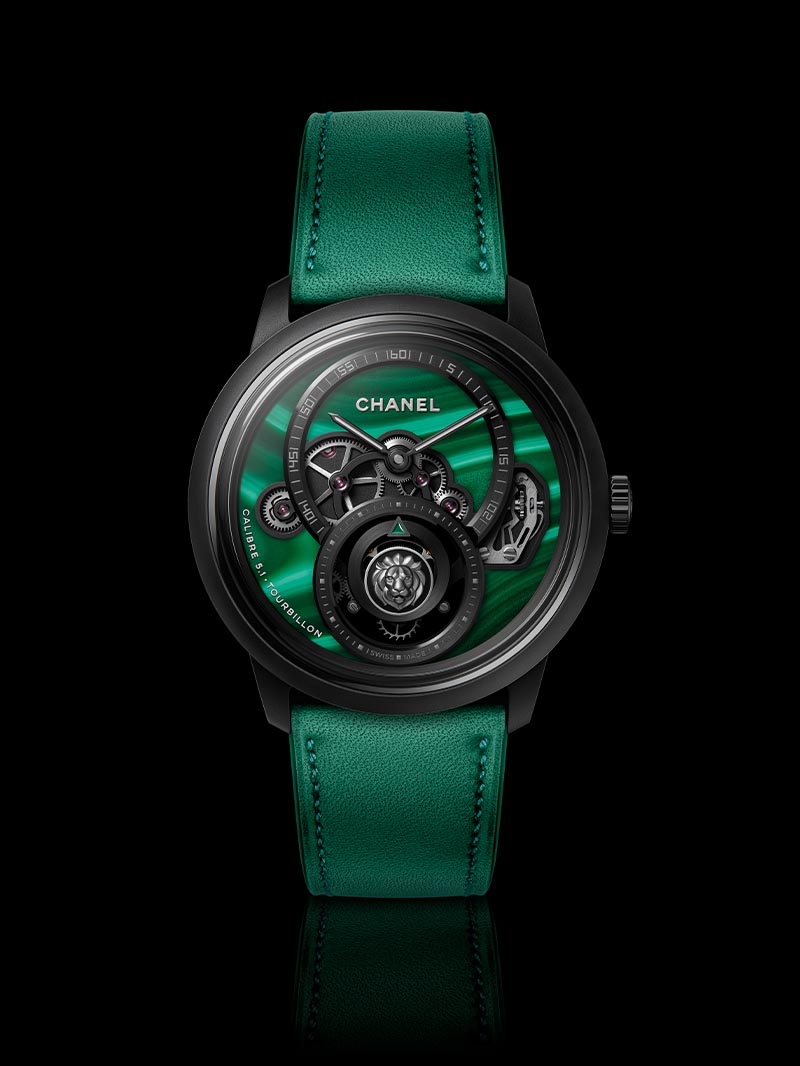
Chanel’s Monsieur unique piece moves in a more architectural direction.
The 42mm black ceramic watch uses a malachite dial with the time display positioned off-centre near 12 o’clock, while a flying tourbillon at 6 o’clock carries a lion head motif on its cage.
Inside is Chanel’s Calibre 5.1, listed with a 72-hour power reserve.
Prototypes and collaborations add the tension
Some of the most interesting TimeForArt 2026 entries come from watches that don’t feel like embellished regular-production models.
Anoma will use the auction to reveal the A2, its second major model after the A1.
The complete watch has not been fully shown ahead of the sale, but the concept is described as a wearable sculpture inspired by the Möbius strip, the continuous one-edged form often used as a symbol of infinity.
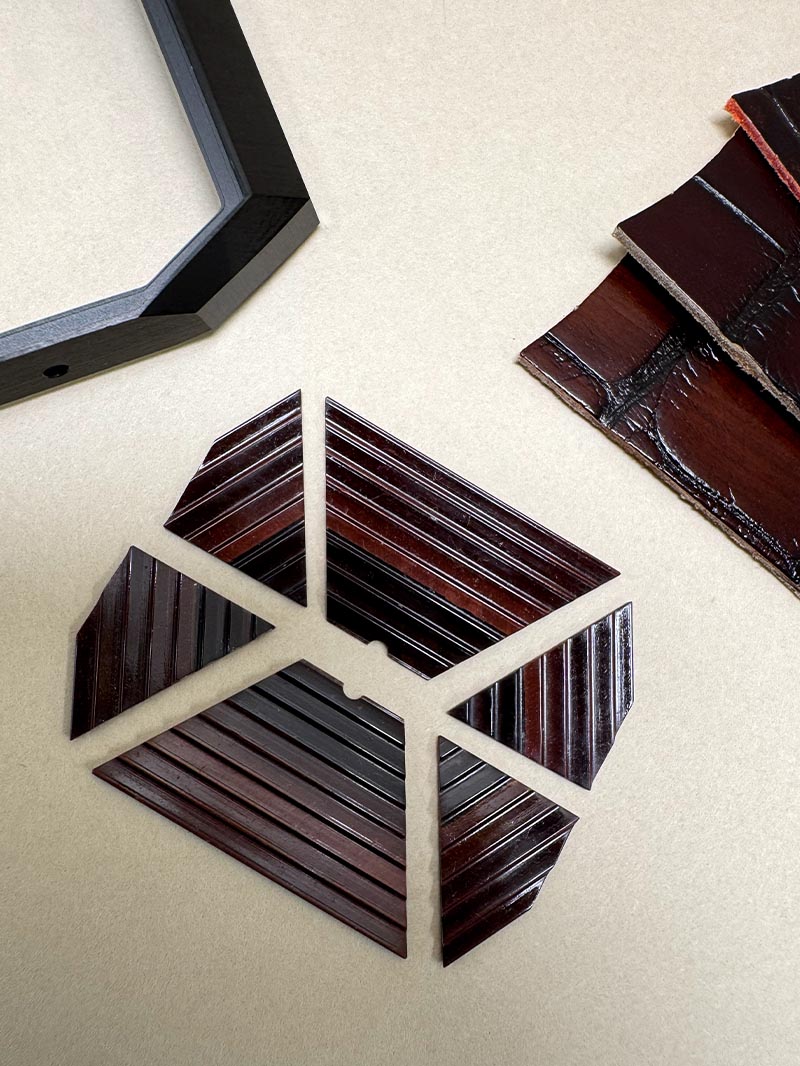
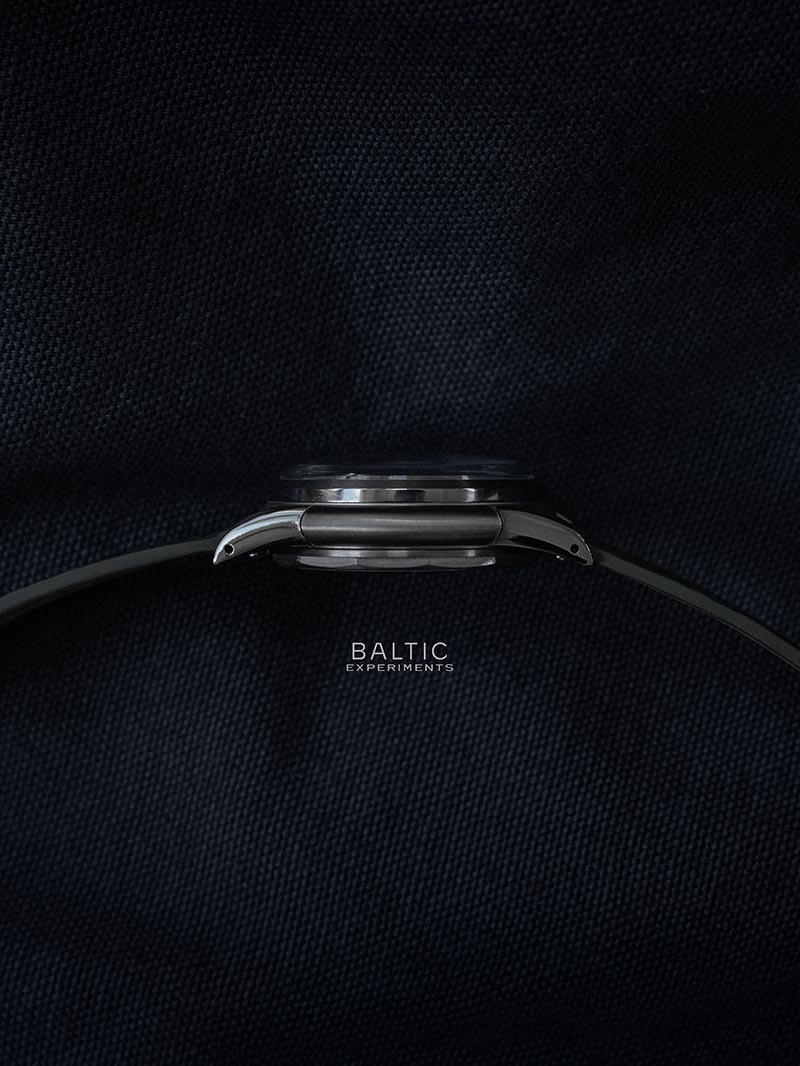
Baltic is also bringing something unusually consequential, offering the prototype of an unreleased collection called the Stepgraph.
The name refers to the layered case construction, which contrasts flat and curved surfaces, while the use of tantalum gives the prototype a darker, heavier presence than steel.
The movement is the Sellita SW510-M, though the dial remains under wraps for now.
Bremont’s Terra Nova 35mm Jumping Hour Montres à Guichet Blue Night Frosted 904L Steel takes the brand’s jump-hour format and gives it a frosted blue surface.
As part of the frosted series, this version uses a clean display without the compass rose symbol at the centre.
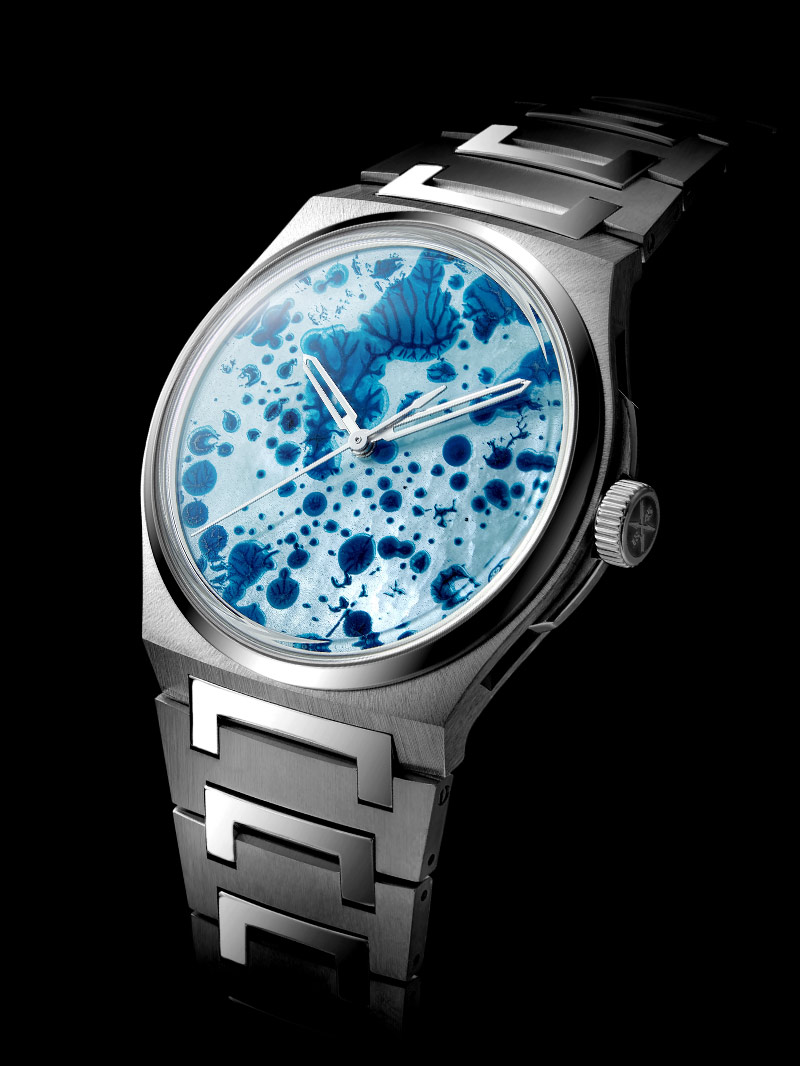
Czapek’s Antarctique Artists & Artisans TimeForArt 2026 brings in Swiss artist Guillaume Dénervaud for a hand-painted mother-of-pearl dial.
Dénervaud’s visual world draws on post-apocalyptic environments, strange flora and almost alien fauna, which should give the 40.5mm stainless steel Antarctique case a very different personality from the usual sports-watch template.
The watch is powered by the calibre SXH5.
The confirmed one-off watches to know
Several entries lean heavily into the personality of the artist or the specific craft behind the watch.

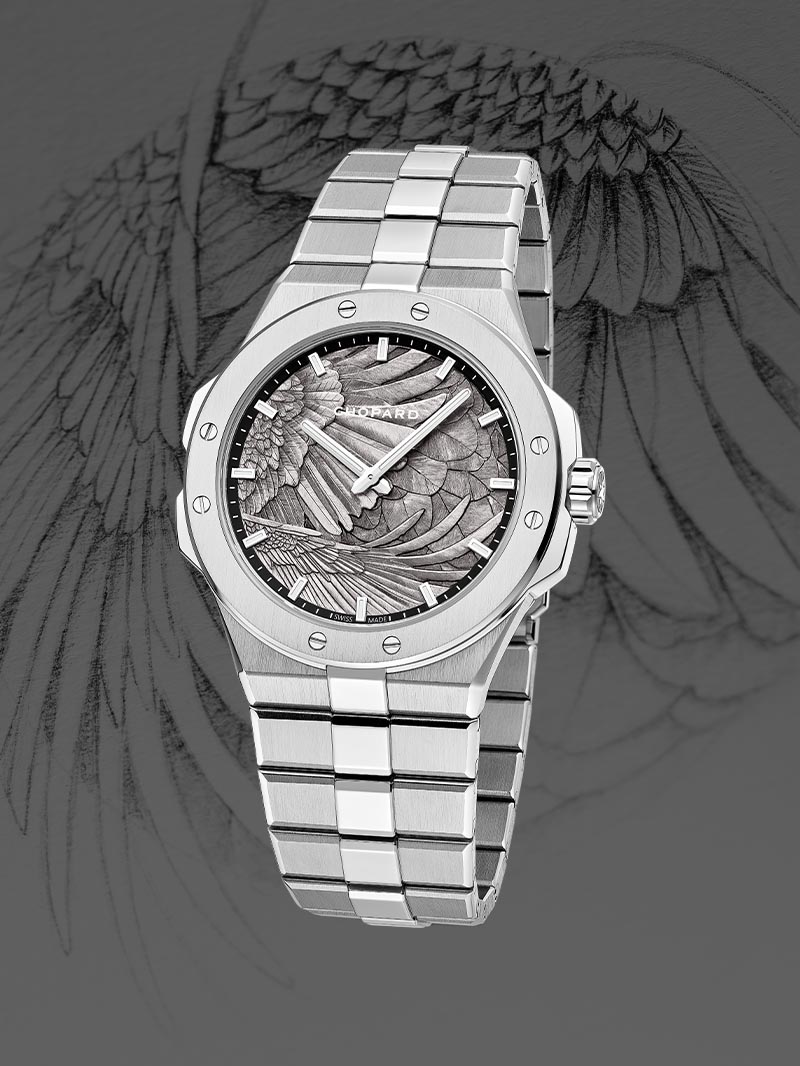
Chopard’s Alpine Eagle 41 XP TimeForArt 2026 Edition 3 continues the brand’s involvement with the auction across all three editions.
Its 41mm Lucent steel case houses the L.U.C 96.17-L movement, while the dial features a hand-engraved bas-relief eagle in flight, with the composition focused closely on the bird’s wing and tail feathers.
Dennison’s ALD Dual Time “Oblong” Unique Piece builds on the relaunched brand’s oblong case and dual-movement display, showing two time zones at once.
For TimeForArt, the geometry is sharpened with asymmetrical malachite and lapis lazuli elements paired with brushed steel plates.
Felipe Pikullik’s FPA1 TFA Skeleton opens up the FPA1 movement, the first calibre developed entirely inside the brand’s Berlin atelier.
The skeletonised display sits beneath a vivid blue framework, with the hour scale floating above the oscillating balance at 6 o’clock and a pointer date crossing the upper section of the dial.
Gerald Charles looks to Igor Mitoraj for the Maestro GC39 Mitoraj, a unique version of the Grand Maestro Jumping Hour.
Mitoraj, the Polish artist known for large-scale fragmented figures, gives the watch a sculptural reference that fits naturally with Gerald Charles’ own design lineage through Gérald Genta.
The display is inspired by Mitoraj’s Luci di Nara sculpture.
Hermès also brings its particular narrative instinct to the sale with the Arceau Faubourg Party.
The house often revisits its Rue du Faubourg Saint-Honoré flagship through watch dials, and this Arceau continues that playful Parisian thread through a dedicated TimeForArt creation.
Beyond these highlighted pieces, the full participating list also includes Jaquet Droz with Académie de Meuron, L’Epée 1839, LEBOND, Louis Erard with Monica Bonvicini, Maurice de Mauriac with Carlton Dewoody, Maurice Lacroix with Ficus Interfaith, MING with Jason Anderson, Perrelet with The Dial Artist, Simon Brette with Anita Porchet, Toledano & Chan, UNIMATIC, Universal Genève with the Tamara de Lempicka Estate, and ZENITH | USM.
For collectors, the appeal is not only that each watch is unique.
It’s that the strongest pieces in the group show brands working under a different kind of pressure, where the object has to function as a watch, carry an artistic idea and justify itself in a room full of serious collectors.
That makes TimeForArt 2026 less about conventional launches and more about seeing how far a watch brand is willing to move when the brief is cultural rather than commercial.