
Patek Philippe’s Watch Art Grand Exhibition in Milan is more than a showcase of important watches.
For Thierry Stern, it is also a public statement about how the family-owned manufacture thinks about time, not only on the dial but across generations of ownership, restoration and craft.
The exhibition opened with more than 45,000 registered visitors and brings together contemporary pieces, historic milestones and some of the most important complicated watches in the company’s orbit.
At a glance
- Patek Philippe’s seventh Grand Exhibition in Milan is its largest yet, spanning 2,900 square metres.
- Thierry Stern highlighted long-term restorability, rare handcrafts and the role of patents in the brand’s identity.
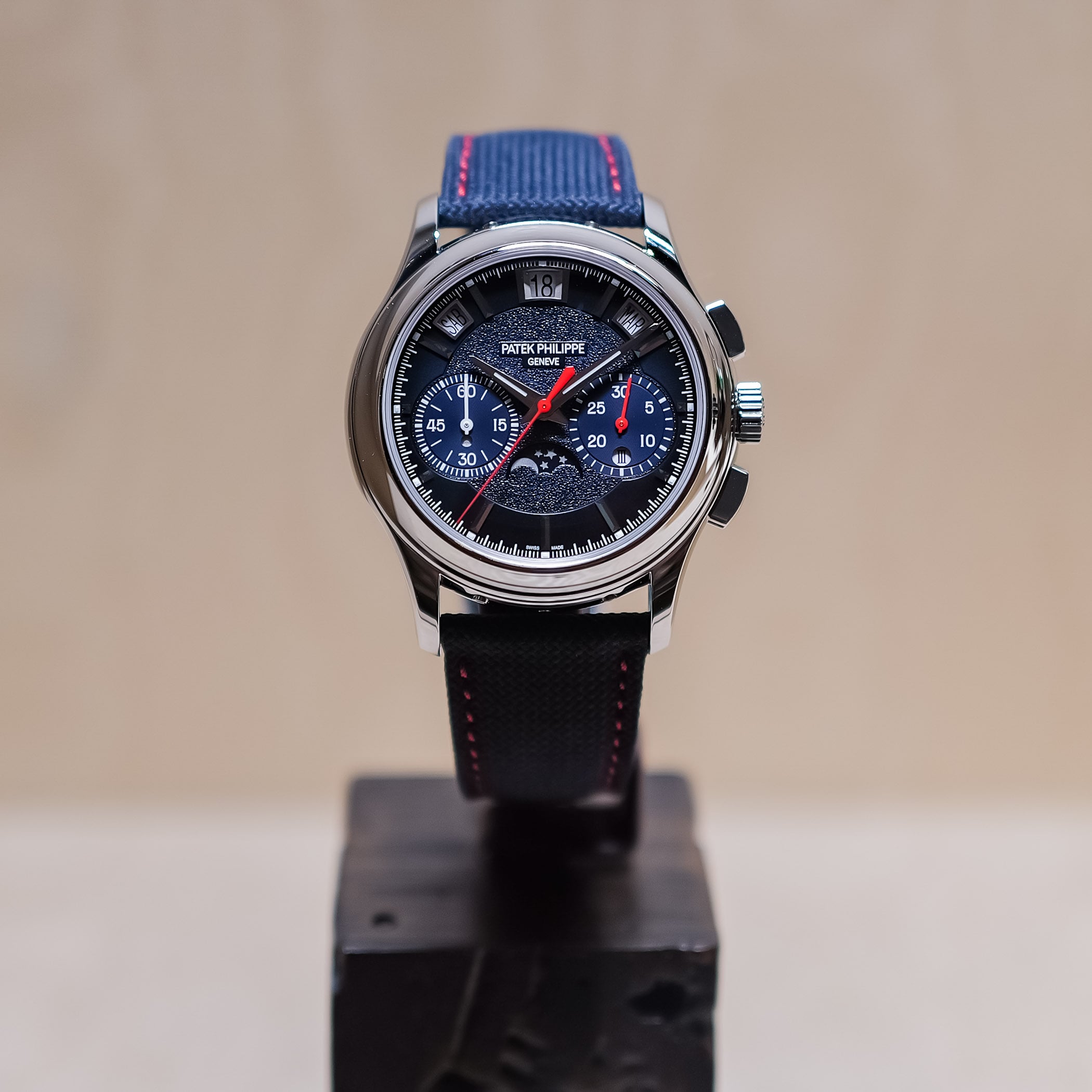
- A new perpetual calendar chronograph is launching for the Italian market, with movement variations expected to reach the main collection later.
Milan becomes Patek Philippe’s largest stage
The Milan edition marks the seventh Patek Philippe Grand Exhibition and the most ambitious version to date.
At 2,900 square metres, it is a considerable step up from the early Grand Exhibition format, which began in Dubai at around 800 square metres.
The scale matters because Patek Philippe has used the space to widen the story beyond vitrines of desirable watches.
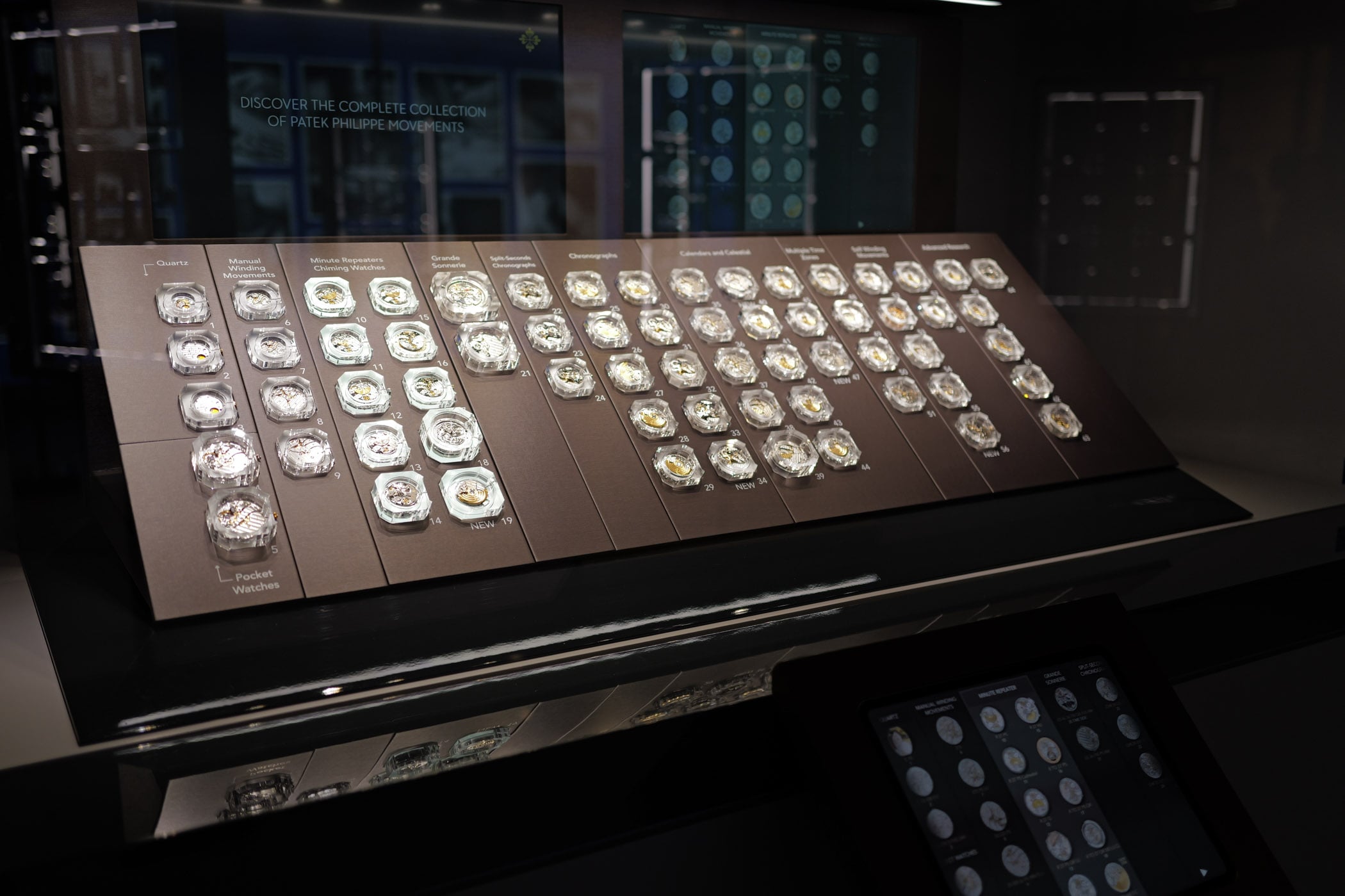
Visitors can move through areas devoted to the Geneva headquarters, the manufacture in Plan-les-Ouates, the museum, archival material and a historical timeline that tracks patents, milestones and technical firsts since 1839.
The watch list is correspondingly serious.
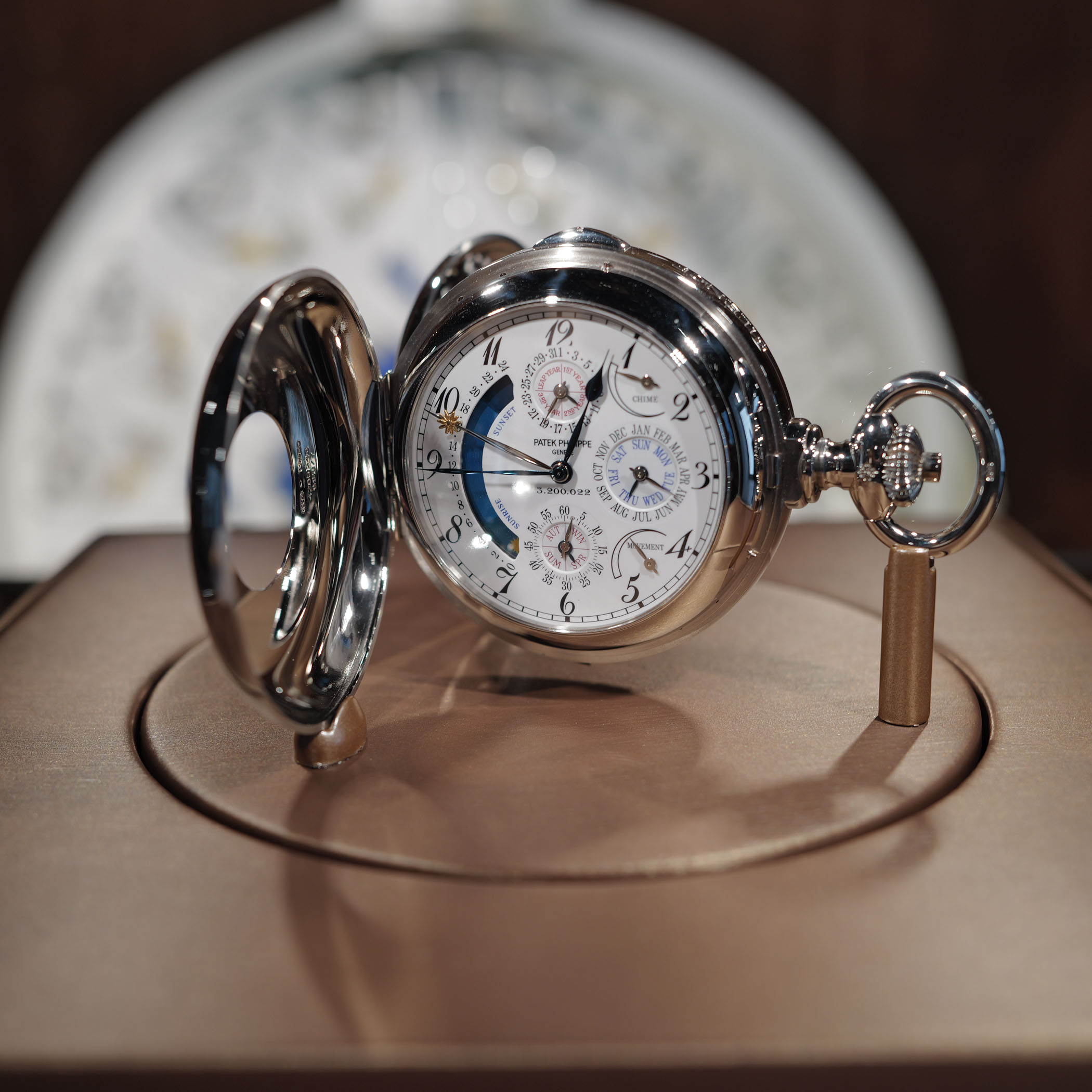
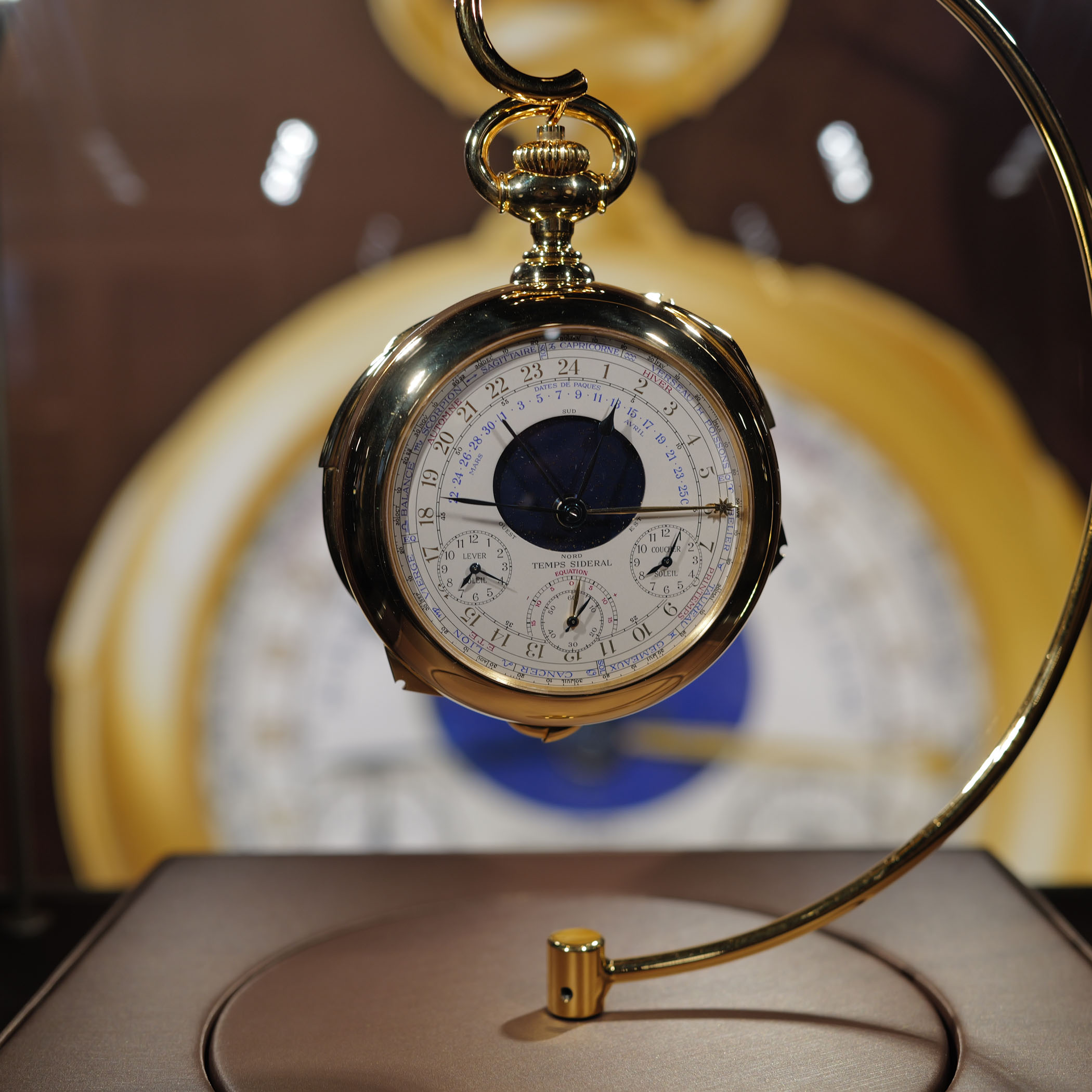
Among the highlights are the Graves Super-Complication, the Star Calibre 2000 and the GrandMaster Chime, pieces that speak to different eras of Patek Philippe’s complicated watchmaking.
Stern said the Milan venue was chosen because it could accommodate the enlarged concept in a central and accessible setting.
The exhibition was even delayed by a year while roof construction was completed, a practical decision that ultimately gave the brand a larger, newly finished stage.
Restoration shapes the engineering from day one
One of Stern’s clearest points in Milan was that Patek Philippe doesn’t treat restoration as an after-sales service tacked onto watchmaking.
It is part of the design brief.
The manufacture’s long-standing commitment to restoring watches made since 1839 directly influences the way it approaches new movements, cases and materials.
Before a new movement is developed, Stern said the team studies whether the materials involved can be reproduced and repaired a century from now.
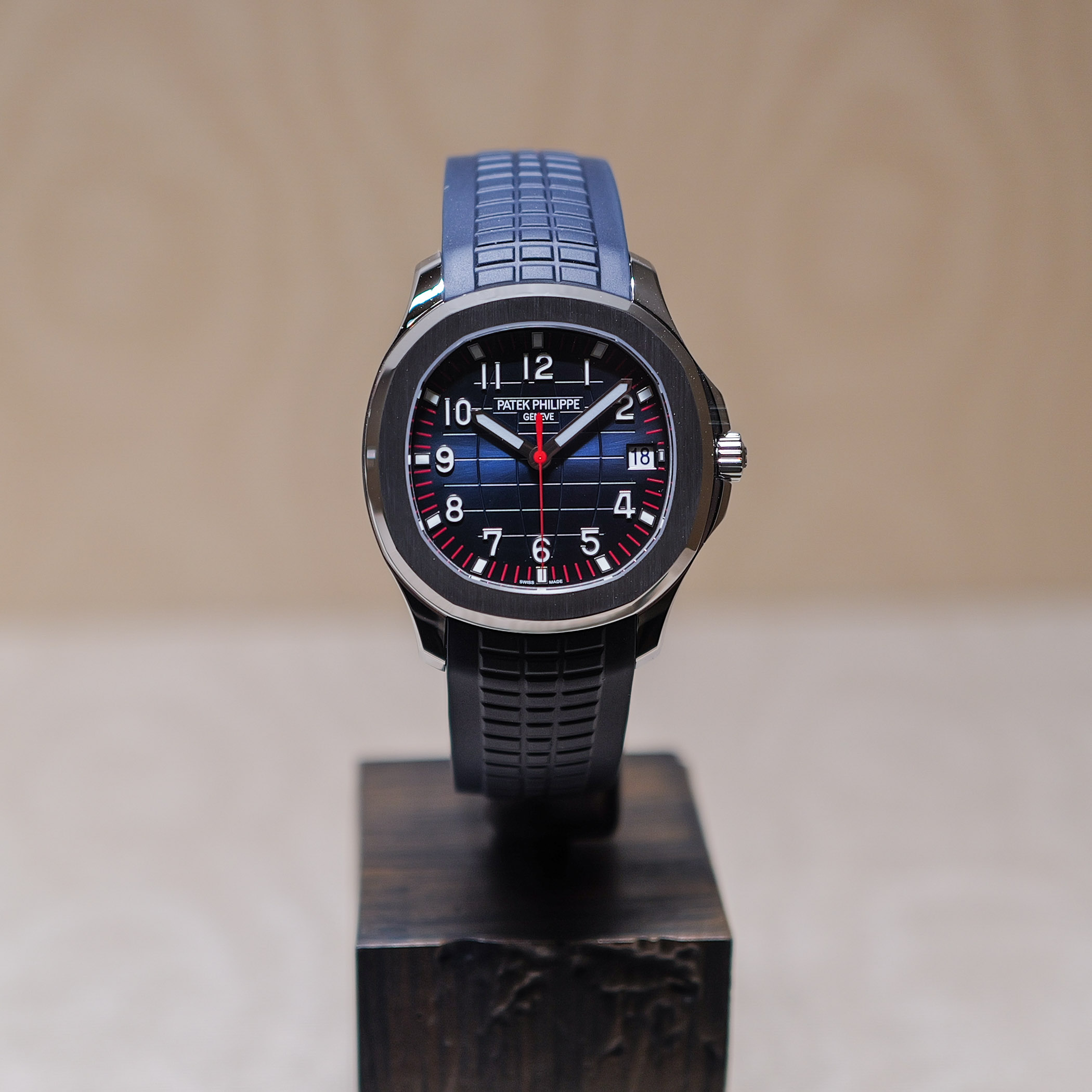
That is not a romantic idea of permanence, but an engineering rule.
It also explains why certain modern materials have not entered Patek Philippe’s vocabulary in the same way they have elsewhere.
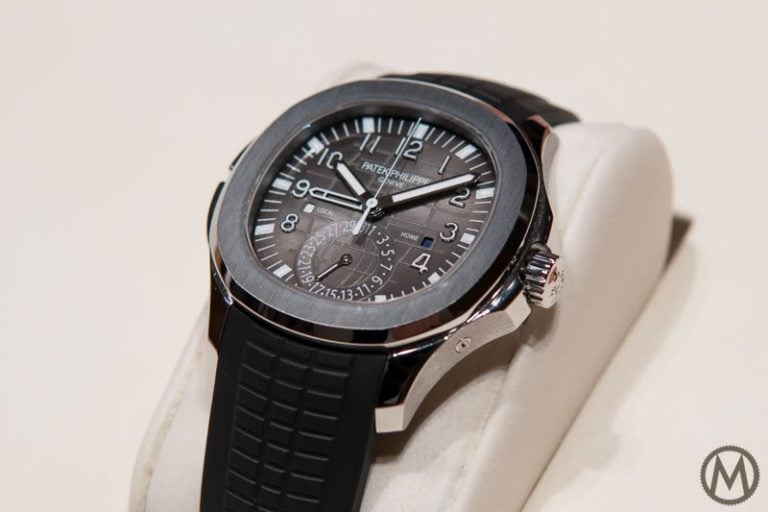
Stern singled out ceramic as an example, acknowledging its beauty while noting that the brand cannot repair or restore it if it breaks.
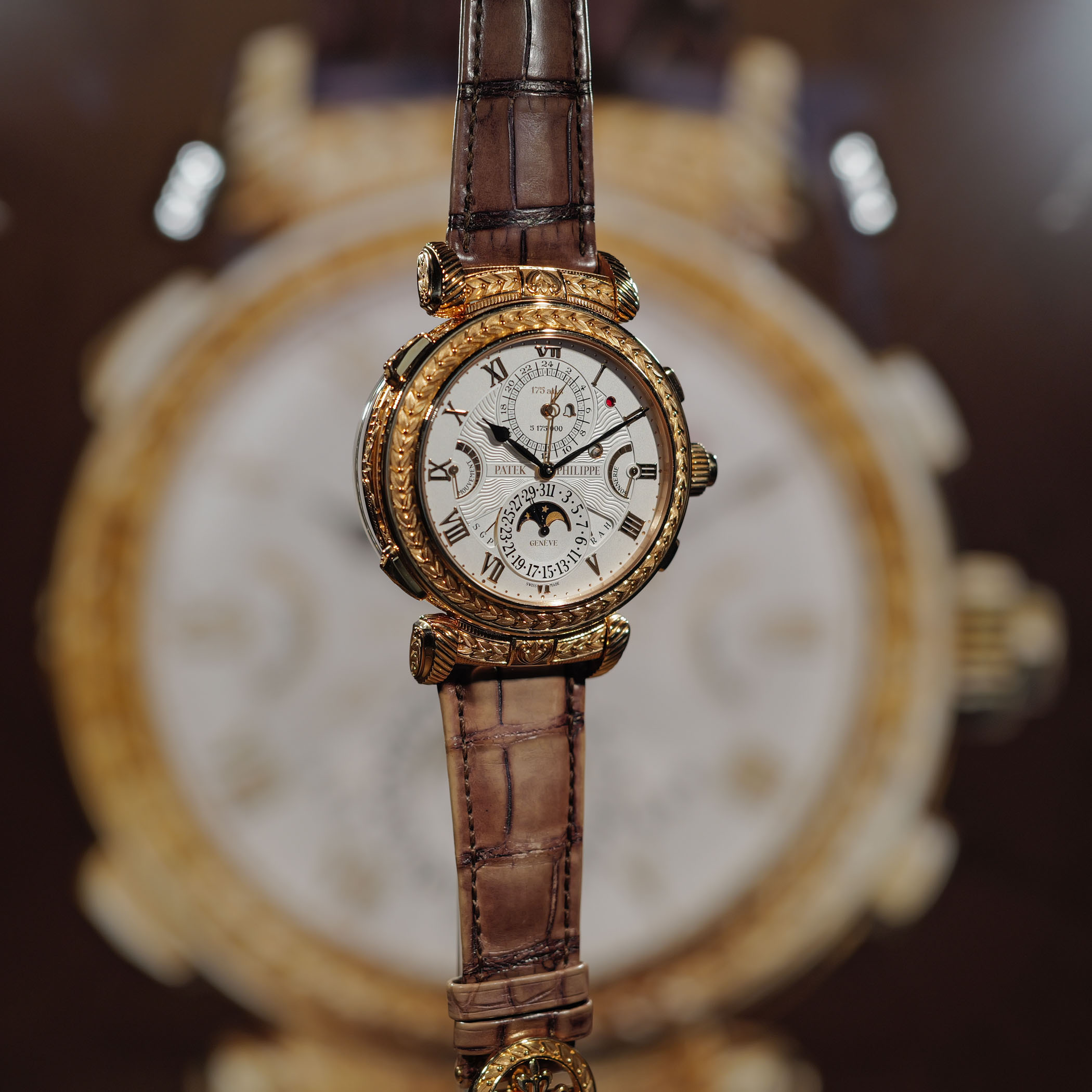
For a house that expects its watches to outlive several owners, that is enough to keep it outside the core playbook.
Handcrafts, patents and a more public museum culture
The Milan exhibition also places rare handcrafts beside mechanical achievement, which is important because Patek Philippe has never treated decoration as an afterthought.
Stern pointed to the Dante Pocket Watch made for the Italian market as one of the pieces that particularly moved him.
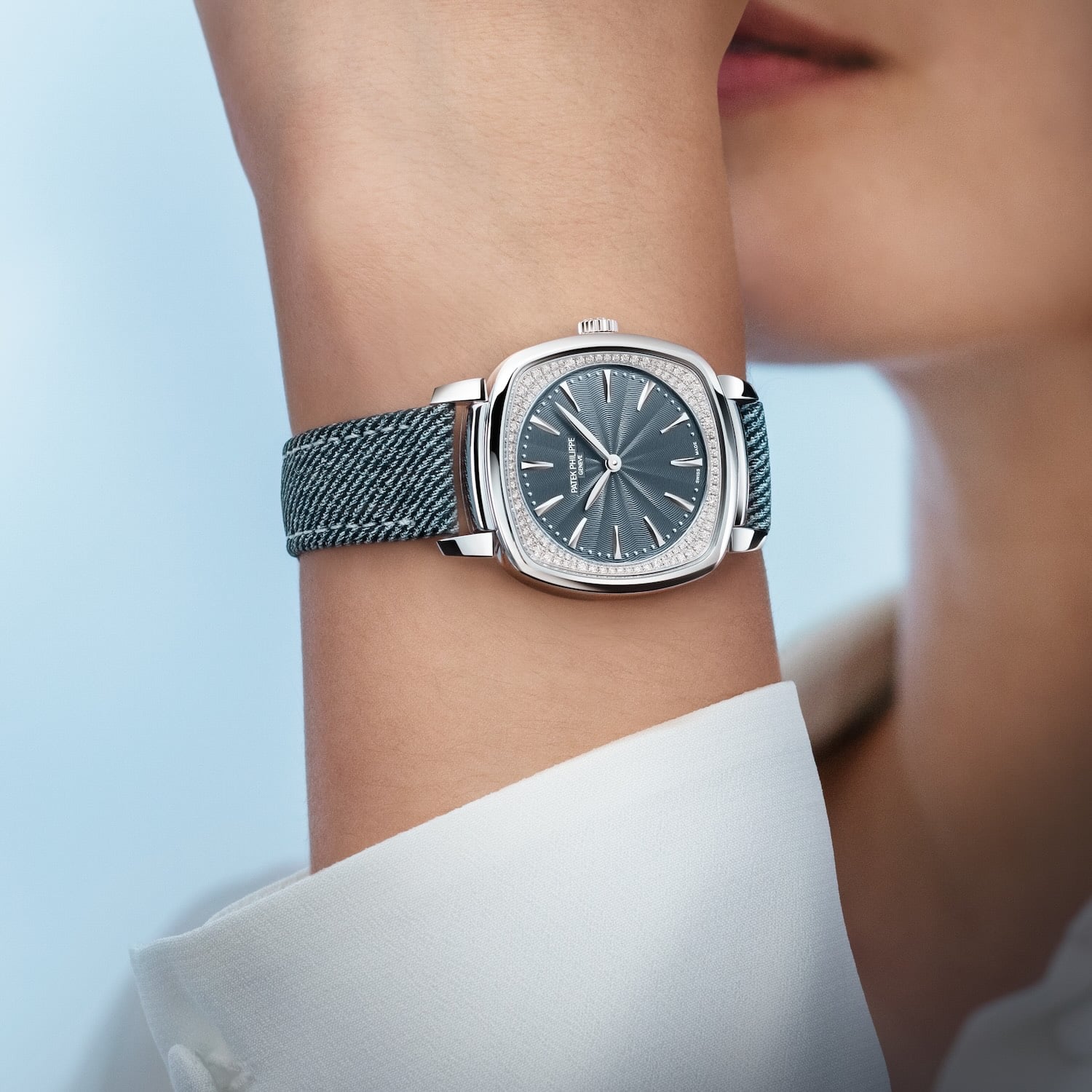
Its vivid blue enamelling was created with Anita Porchet, one of the most respected enamellers working today, and Stern described the result as exceptionally difficult to achieve.
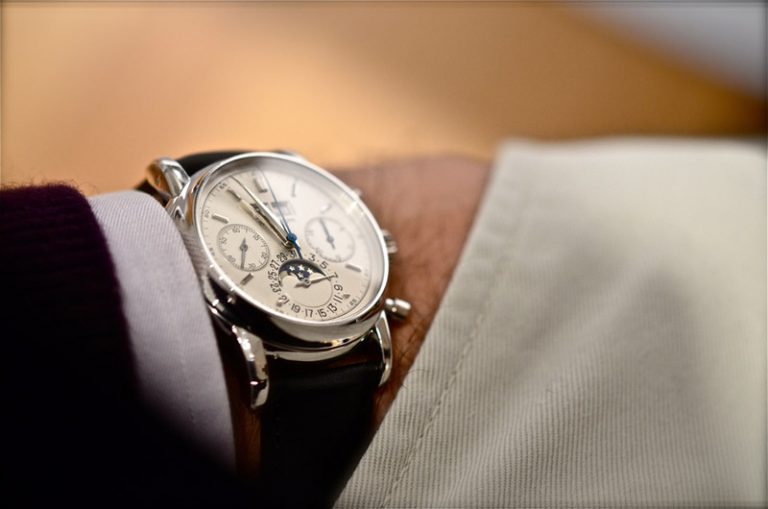
He also highlighted the new perpetual calendar chronograph as a watch of particular interest from a movement perspective.
For collectors, that model is especially notable because its Milan debut is tied to Italy, a market Stern described as mature and deeply knowledgeable about fine watchmaking.
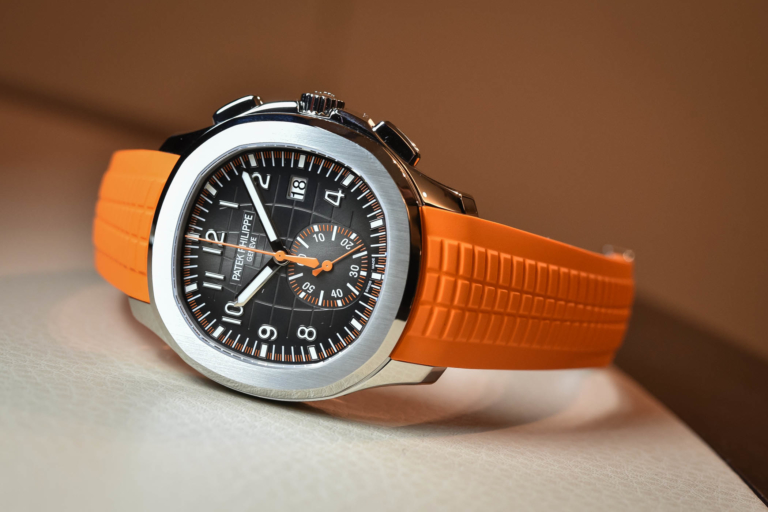
The watch is intended for Italian collectors at launch, though Stern indicated that variations of the movement will later enter the main collection in different forms.
That distinction says a great deal about how Patek Philippe views regional editions.
A special launch can be shaped for a specific audience, but a major new movement usually needs a longer life inside the catalogue.

Stern was just as interested in the brand’s intellectual history as its individual references.
Rather than naming one underappreciated museum watch, he emphasised the breadth of Patek Philippe’s patents and the need to make that history more visible.
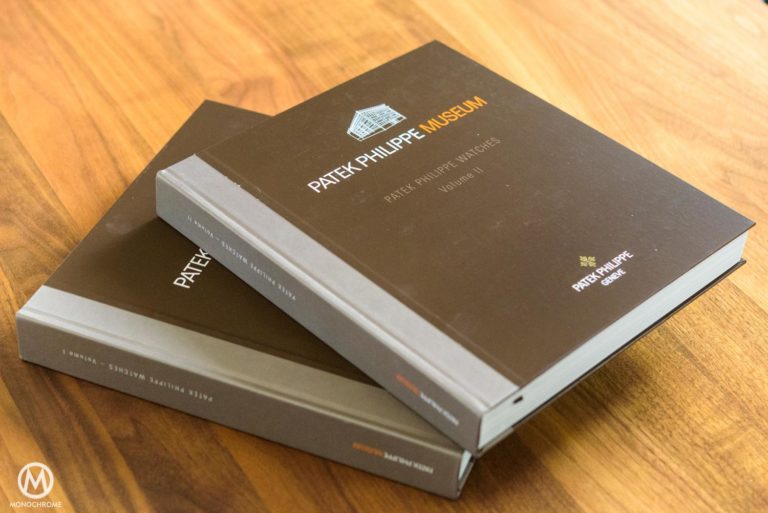
To sharpen that mission, the museum now has a leader from a commercial marketing background rather than a traditional museum or watchmaking route.
The point is not to make the museum less serious, but to make its lessons easier to understand and more central to how Patek Philippe communicates.
Legacy measured in mechanics
Stern speaks about legacy with the weight of someone who knows the brand is both a company and a family inheritance.
As the fourth generation involved in leading Patek Philippe, he framed his responsibility as building on what his father created without damaging what came before.
That sense of continuity runs through the Milan exhibition.
The historic watches are not there simply as trophies, and the contemporary pieces are not presented as a break with the past.
They sit together as evidence of a philosophy that prefers slow evolution, technical depth and repairable construction.
Stern said he hopes a watchmaker opening a Patek Philippe watch 100 years from now will recognise it as fine mechanics.
It is a modest phrase for a grand ambition, but it captures the brand’s position neatly.
Patek Philippe is still selling dreams, of course, yet in Milan Stern made clear that the dream depends on something less visible and far more demanding.
It depends on making watches that can be understood, serviced and respected long after the first owner has left the room.