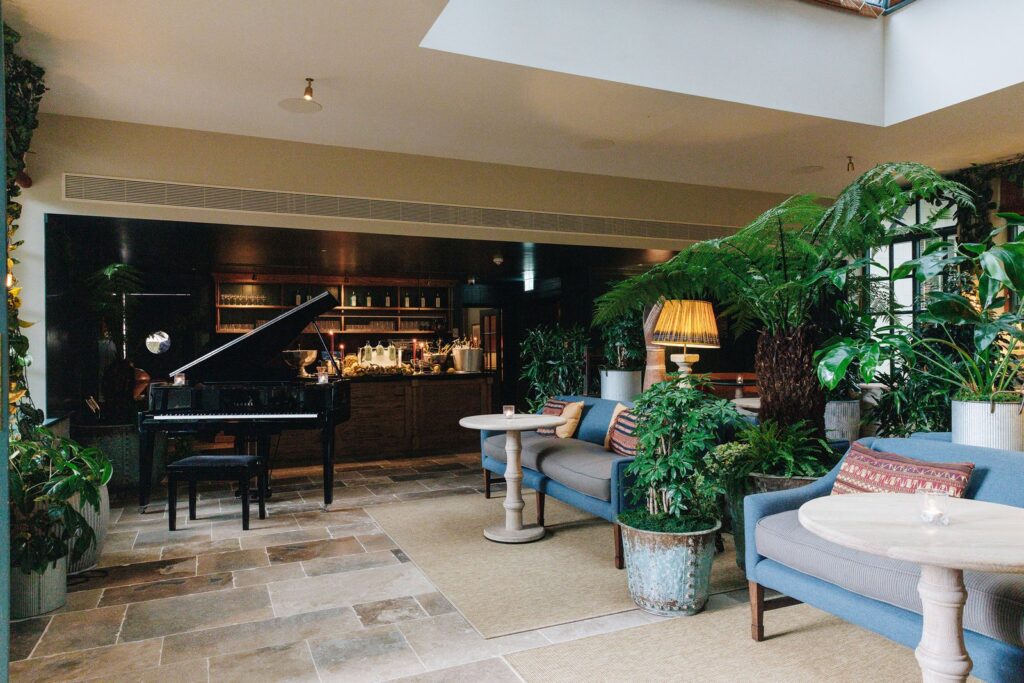
London has no shortage of handsome hotels, but The Zetter Bloomsbury arrives with a particular sense of occasion.
Set across six restored Georgian townhouses on Great Russell Street, the 68-room boutique property brings the Zetter collection into one of the capital’s most storied neighbourhoods, moments from the British Museum yet tucked away from the city’s usual rush.
It’s the kind of hotel that understands the appeal of privacy, personality and a good room to disappear into after dark.
At a glance
- The Zetter Bloomsbury has opened as a 68-room boutique hotel across six restored Georgian townhouses on Great Russell Street.
- Designed by James Thurstan Waterworth, the property combines museum-inspired interiors with drawing rooms, bars, lounges and a 10,700-square-foot private garden.
- The hotel sits behind the British Museum, within easy reach of Covent Garden, Soho and the West End.
A Bloomsbury townhouse with a collector’s eye
The Zetter Bloomsbury doesn’t present itself as a conventional grand hotel.
Its mood is closer to a cultivated private residence, with rooms and public spaces that feel assembled over time rather than designed in a single sweep.
The interiors are by James Thurstan Waterworth, formerly design director of Soho House, who has drawn on the British Museum’s nearby collections without turning the place into a themed exercise.
References to Asia, Africa, Europe and the Americas appear through antiques, artworks, textiles and curiosities, giving the hotel a quietly worldly character.
That layered approach suits Bloomsbury, a district long associated with literature, scholarship and creative eccentricity.
The result is polished but not stiff, scholarly without becoming severe, and theatrical in the right places.
The hidden garden gives the hotel its rarest luxury
For all the attention paid to the interiors, the hotel’s defining feature may be its garden.
At 10,700 square feet, the private outdoor space is unusually generous for central London, especially in a location this close to the British Museum, Covent Garden, Soho and the West End.
Rather than functioning as a token courtyard, it gives the property a genuine sense of retreat.
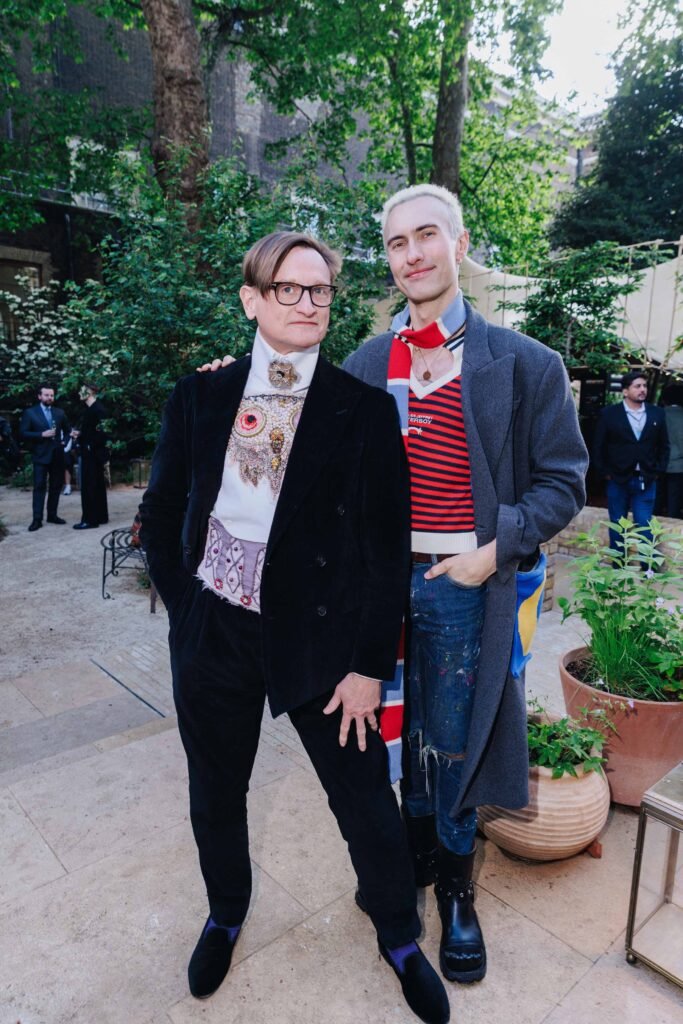
Lush planting and secluded corners create the feeling of stepping out of Bloomsbury and into a more private London, one that still values quiet, shade and candlelight.
That combination of centrality and calm is difficult to manufacture, and it may prove one of the hotel’s strongest appeals for guests who know the city well.
An opening night with fashion-world polish
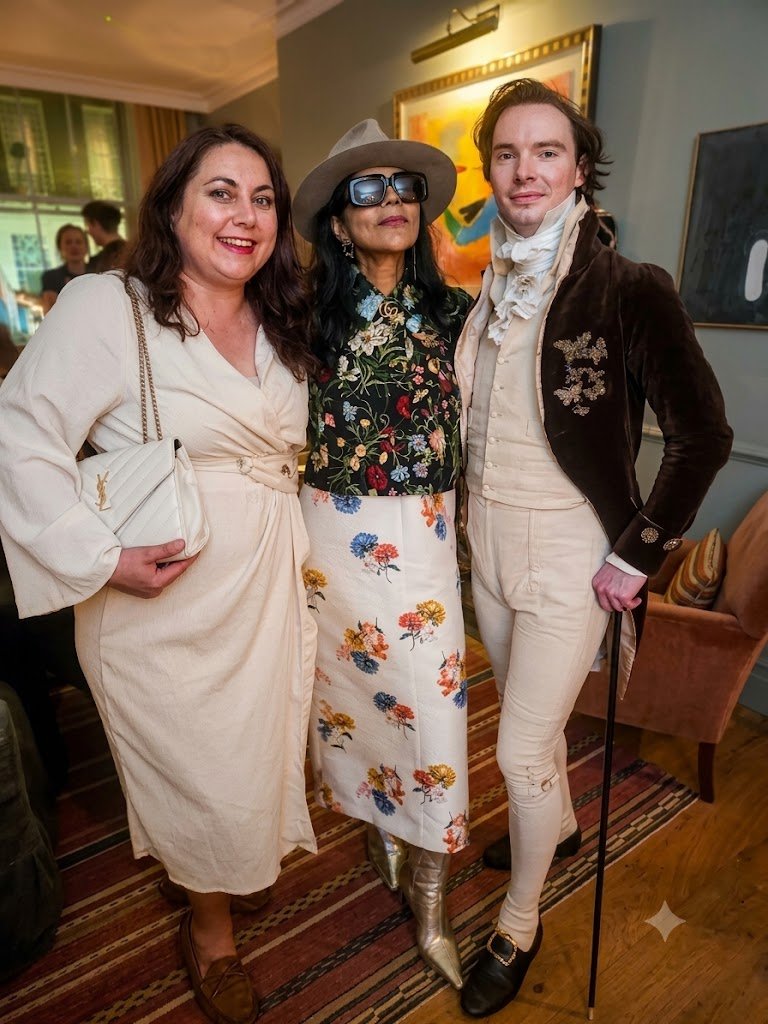
The hotel’s debut carried the atmosphere of a private house party rather than a formal ribbon-cutting.
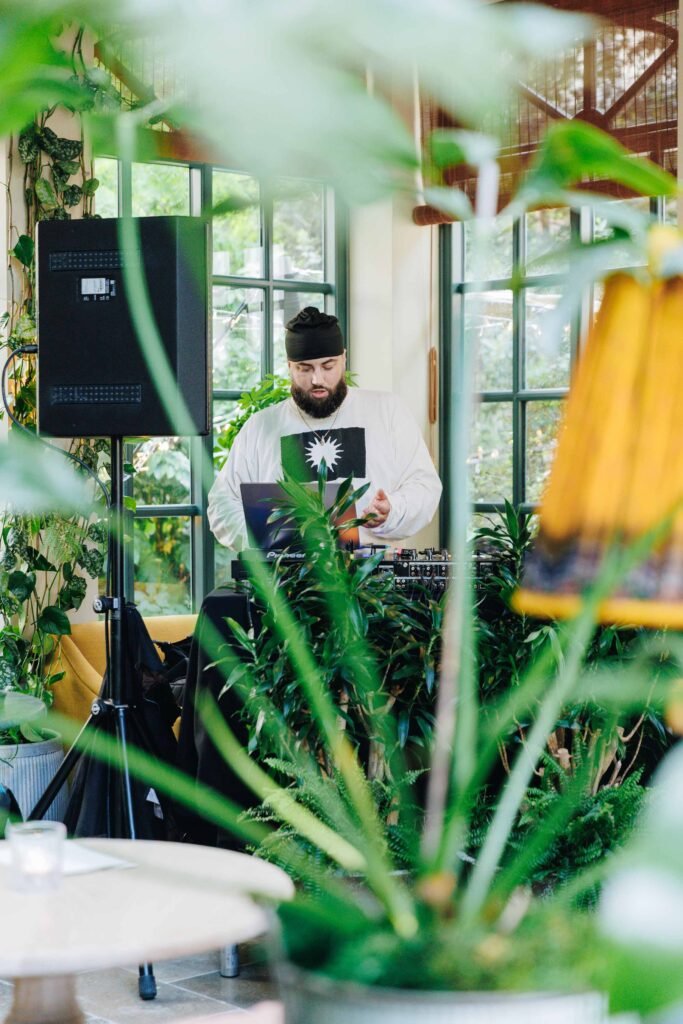
Hosted by Hamish Bowles, Global Editor-at-Large of British Vogue, the celebration drew figures from fashion, design, photography and performance.
Guests included Kim Cattrall, designers Charles Jeffrey, Conner Ives and Patrick McDowell, photographer Juergen Teller with Dovile Drizyte, interior designer Linda Boronkay and former Royal Ballet étoile Edward Watson.
The scene moved between drawing rooms, bars, terraces and the garden, with candlelight doing much of the decorative work.

Executive Head Chef Debjit Dass set the tone with canapés including curried steak, fine cheeses and a live oyster station, while wines and margaritas kept the evening suitably fluid.
Paris-born pianist Friqtao added the soundtrack, giving the townhouse rooms the feel of a salon rather than a launch venue.
Rooms that lean into comfort and character
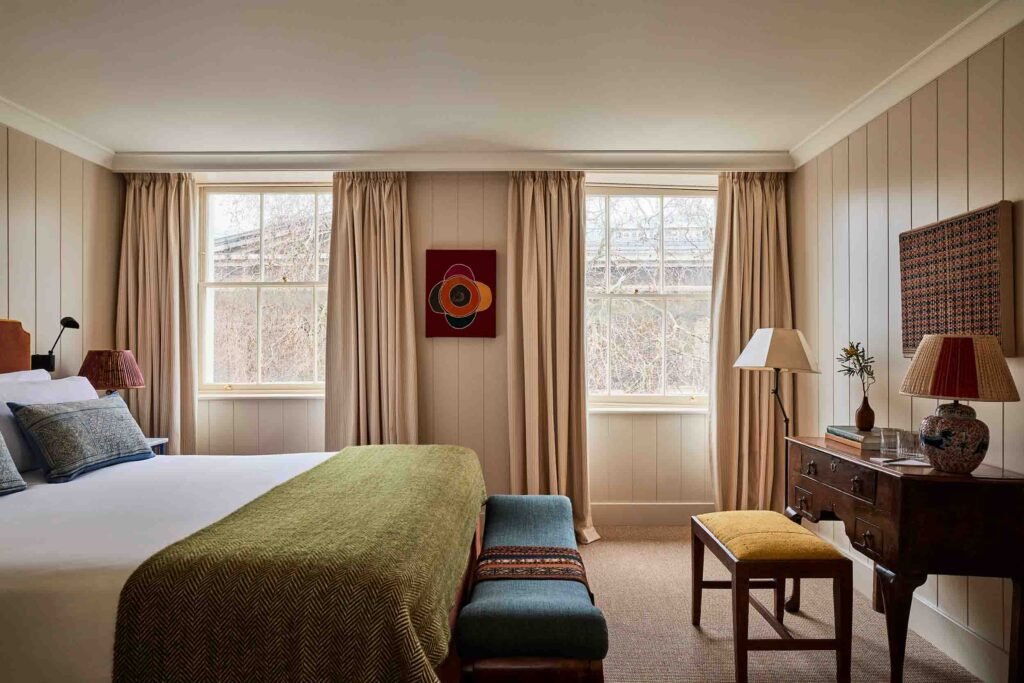
The 68 rooms are individually designed, continuing the hotel’s interest in global references, antiques and layered prints.
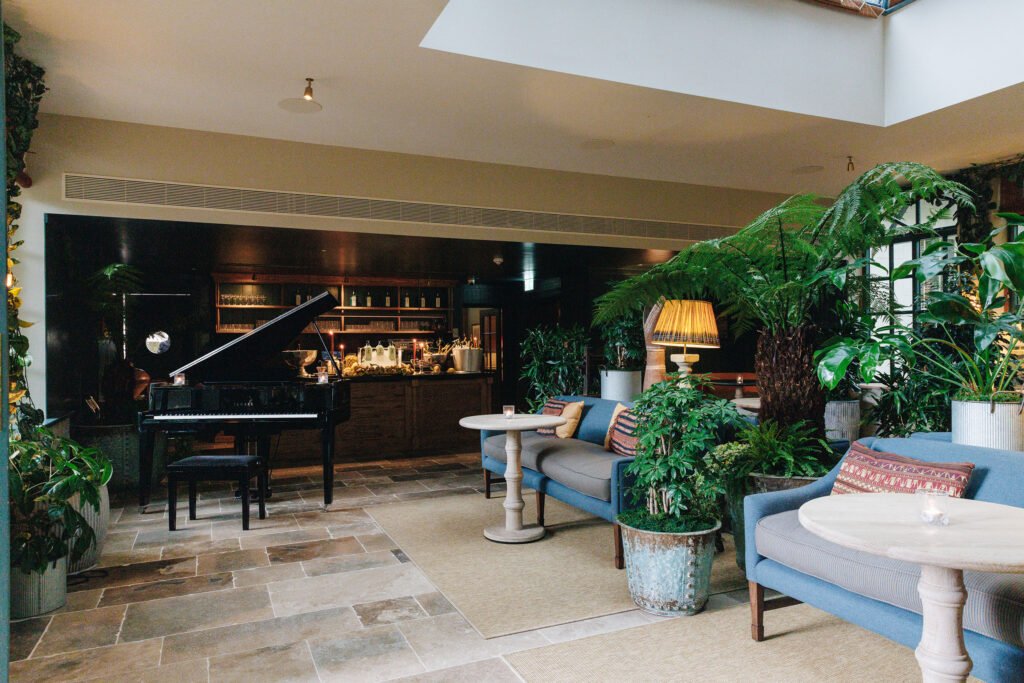
Some look toward the garden, a detail that matters in this part of London, where a green outlook can change the entire rhythm of a stay.
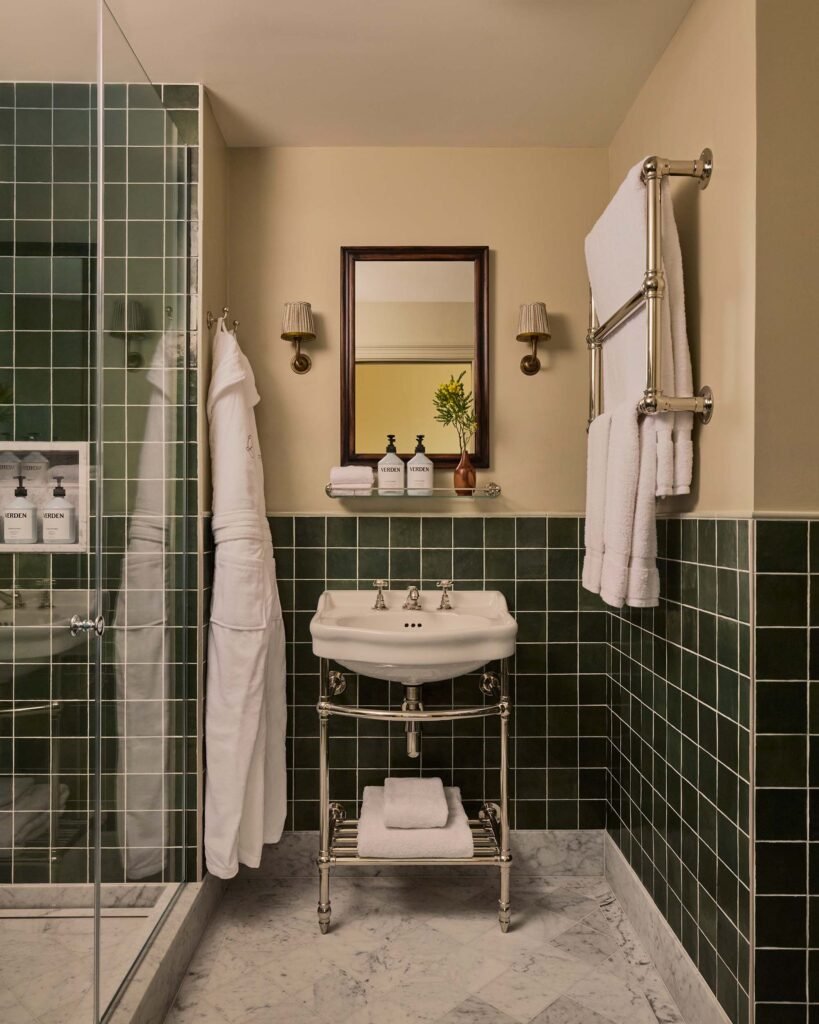
In-room touches include Verden amenities, fluffy robes and Marshall radios, details that place comfort ahead of ceremony.
That balance is important here, because the most convincing luxury hotels don’t simply perform glamour in public spaces.
They still need to work in the quiet hours, when a guest wants a hot shower, good tea, soft lighting and a room that feels less anonymous than the standard city-hotel template.
Service appears central to the property’s identity, with the Zetter team positioning warmth and ease alongside the more decorative pleasures of the building.
That matters in a hotel so rich in styling, where the difference between charm and stagecraft often comes down to how relaxed the welcome feels.
The Zetter Bloomsbury arrives with the ingredients London travellers increasingly prize, namely heritage architecture, a strong sense of place, intimate scale and access to the city without surrendering to its noise.
Its opening may have brought the glamour, but the more lasting achievement is quieter, a Bloomsbury hotel with character, confidence and a garden worth remembering.