Luxury is easiest to recognise in fine materials, exacting craft and the confidence of a well-resolved design.
What makes it endure is harder to measure.
A jewel or timepiece becomes truly compelling when it carries more than beauty, when it holds the maker’s history and leaves room for the owner’s own memories to settle into it.
That deeper exchange is what gives certain creations their lasting pull, whether it’s a serpent wrapped around the wrist, an ancient coin given new life, or a watch worn not on the wrist but as a ring.
At a glance
- Bvlgari, Zamani Jewelry and Berney each show how luxury objects can become carriers of identity, memory and heritage.
- The strongest examples combine craft with symbolism, from Bvlgari’s Serpenti to Zamani’s ancient coins and Berney’s ring watches.
- These pieces appeal to collectors and clients who want meaning as much as beauty from jewellery and watchmaking.
Bvlgari Serpenti and the power of a living symbol
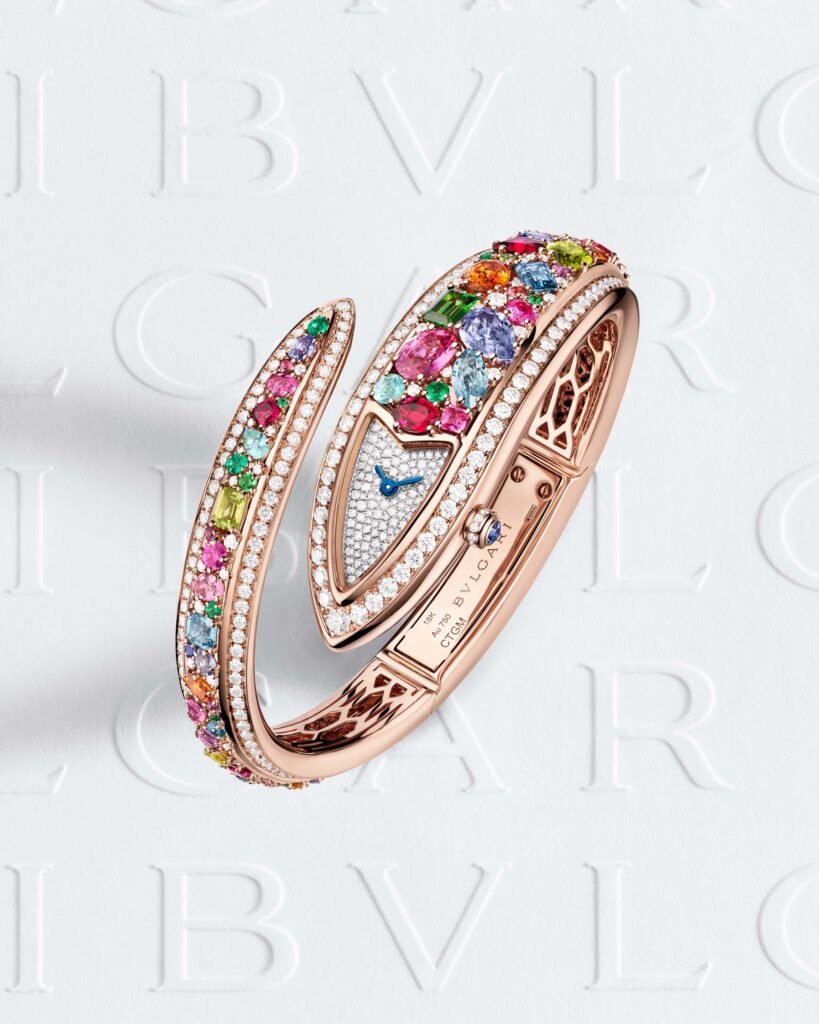
Bvlgari’s Serpenti is one of those rare designs that can be immediately recognised without needing to announce itself.
First introduced in 1948 as a Tubogas bracelet-watch, it translated one of antiquity’s most persistent symbols into a distinctly modern object.
The serpent has long been associated with renewal, wisdom and eternity, which explains part of its appeal.
In Bvlgari’s hands, though, the motif became less about mythology in the abstract and more about how women choose to wear strength, sensuality and independence.
For one wearer, Serpenti might suggest confidence.
For another, it might speak to transformation, resilience or a private sense of power that doesn’t need to be performed loudly.
That flexibility is the key to its longevity.
The form remains unmistakable, but its meaning keeps shifting with each generation that claims it.
Zamani Jewelry turns ancient history into a personal possession
Zamani Jewelry works with a different kind of emotional charge.
Its creations begin with authentic ancient coins and artefacts, then frame them in 18-karat gold or silver through contemporary jewellery-making.
The result is not museum history kept at a distance, but history made intimate enough to wear.
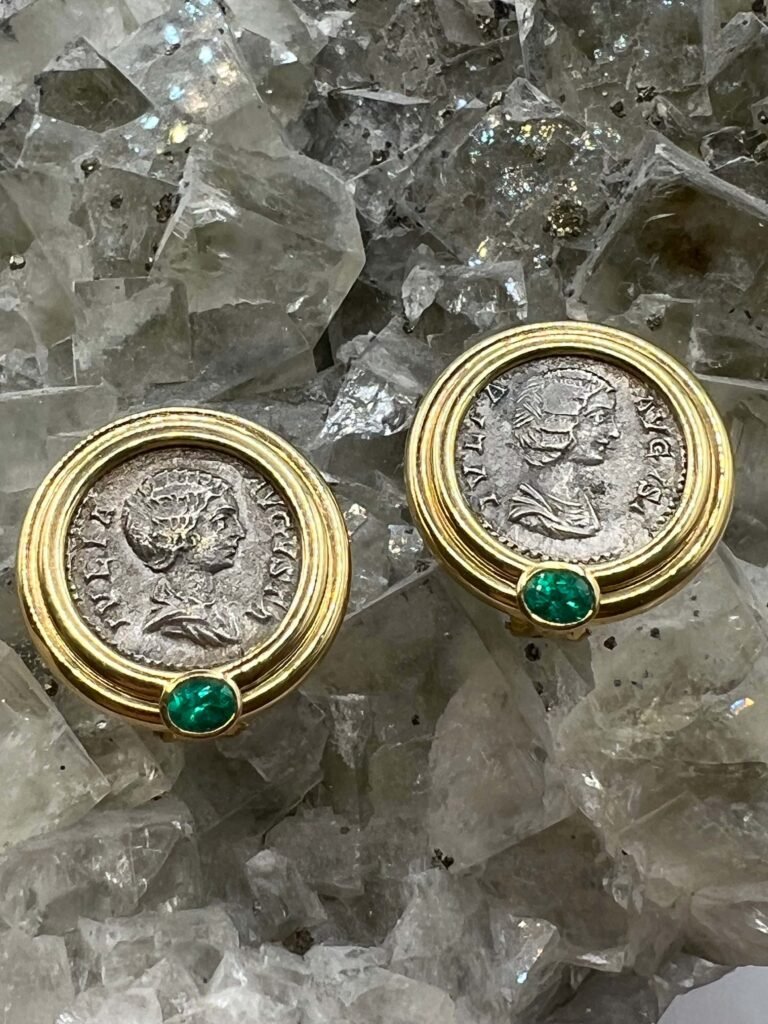
One example centres on a Roman denarius bearing the portrait of Empress Julia Domna, set in gold and accented with a Colombian emerald.
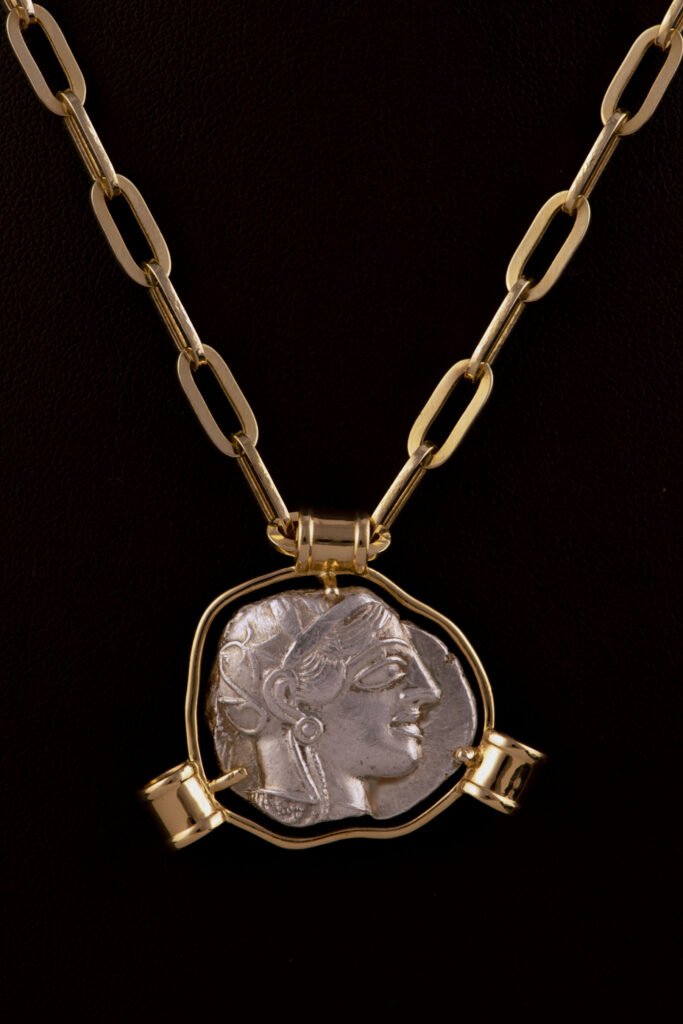
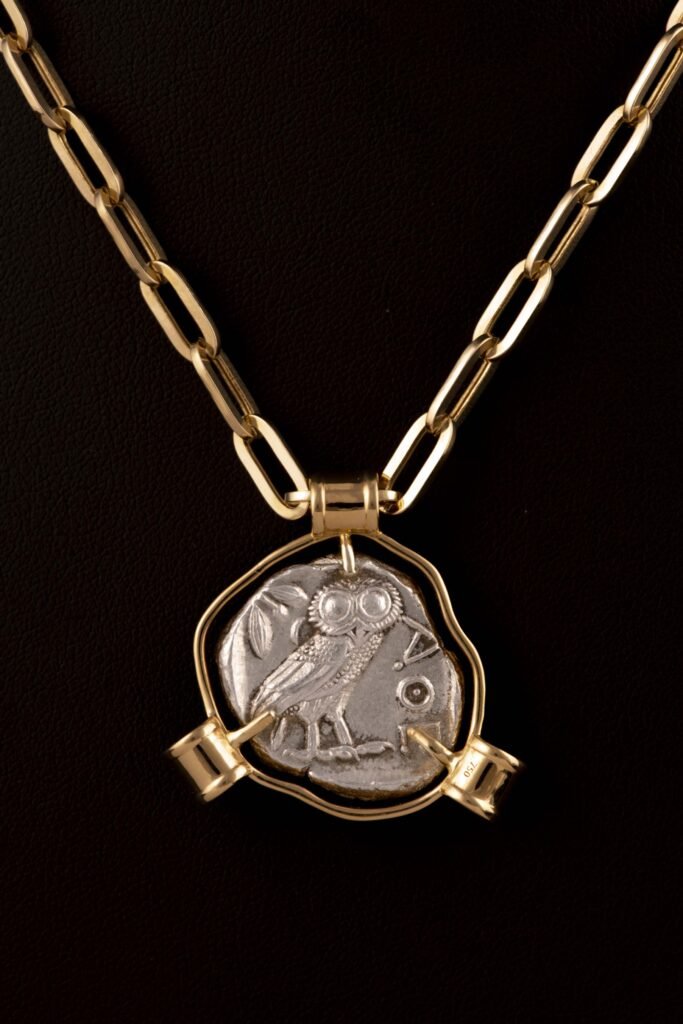
Another uses a silver tetradrachm minted in Athens between 454 and 404 BC, with Athena’s helmeted profile on one side and her sacred owl on the other.
Pieces like these carry an unusual tension.
They are ancient and modern at once, fixed in their archaeological identity yet newly activated by the person who wears them now.
That is where Zamani’s appeal lies.
The coin has already travelled through centuries, but the jewel doesn’t treat that history as finished.
It allows the next owner to become part of the object’s continuing life.
Berney’s ring watch makes time feel intimate
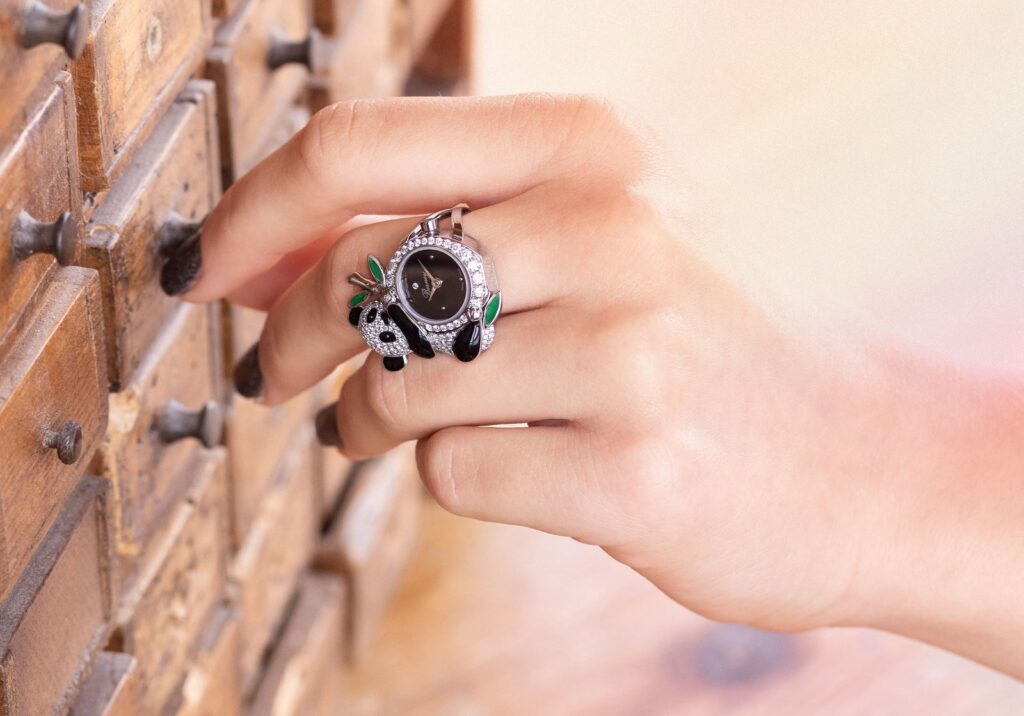
Berney approaches meaning through scale, placement and tradition.
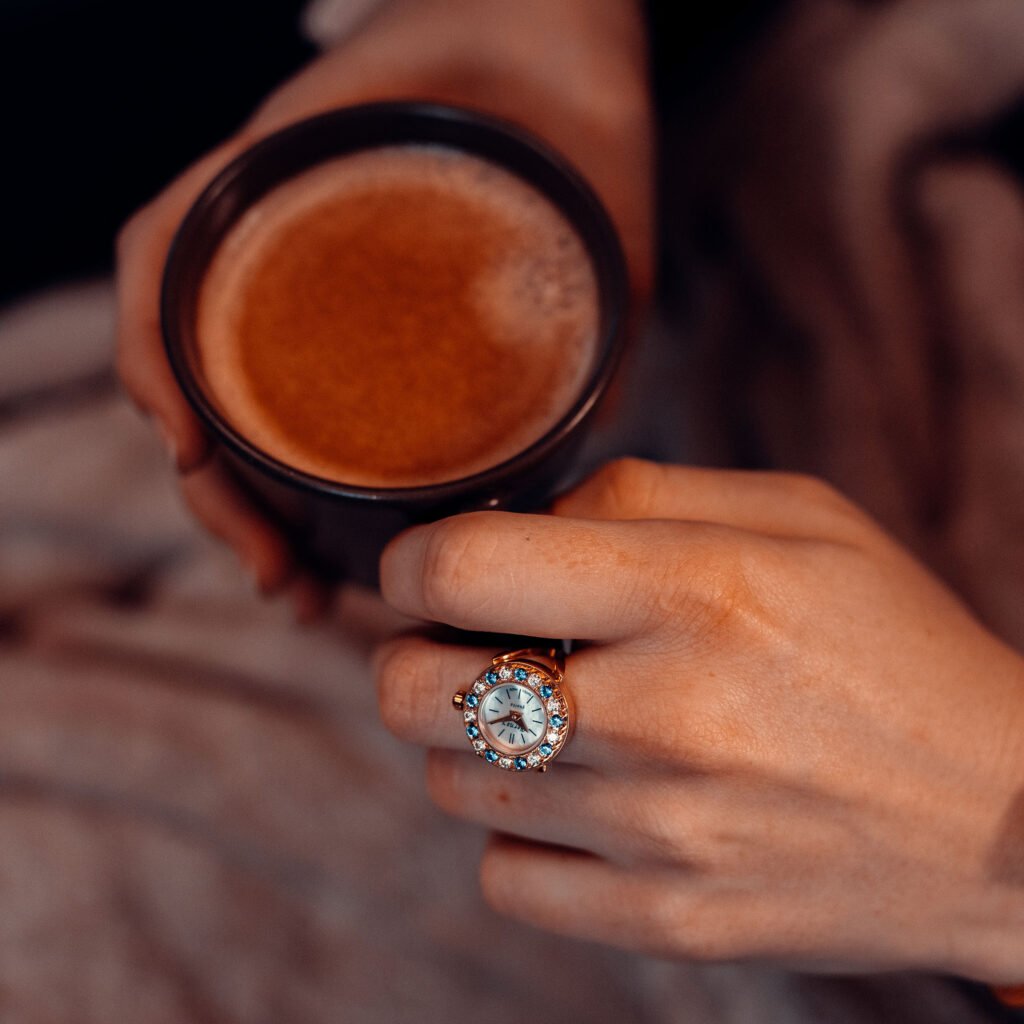
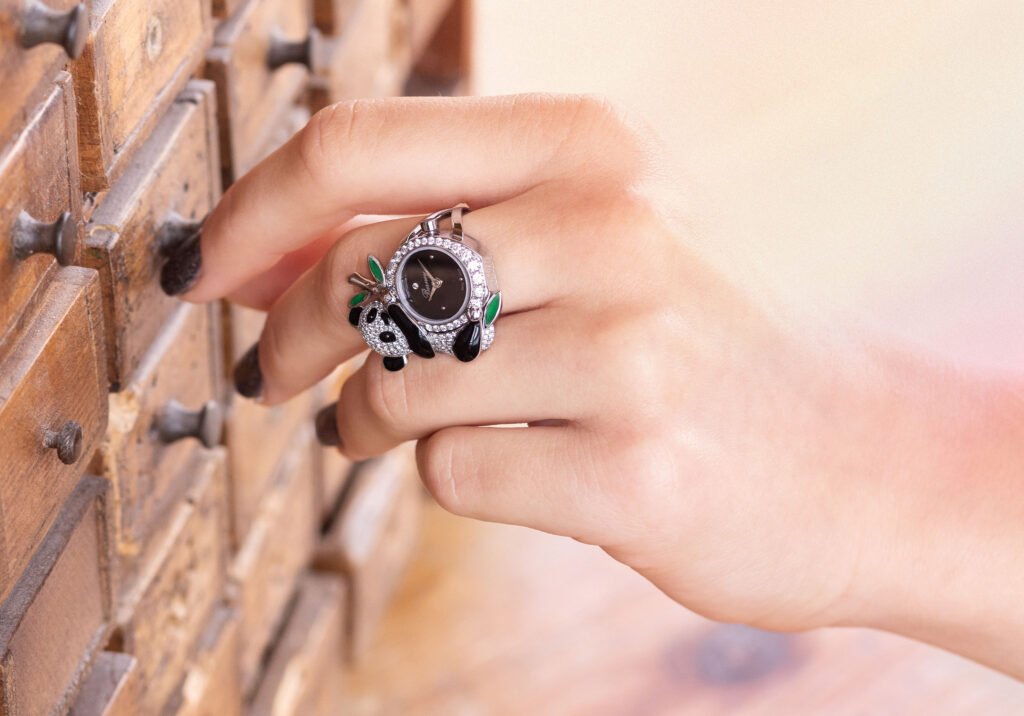
Founded in 1972 in Switzerland’s Vallée de Joux, the independent family maison has kept alive the rare art of the ring watch, a form with roots reaching back to the Renaissance.
Long before the wristwatch became the default way to wear time, watches could be carried, pinned, suspended or set into jewels.
The ring watch belongs to that older, more personal vocabulary.
On the finger, time is no longer just functional information.
It becomes ornamental, intimate and slightly unexpected.
That choice says something about the wearer.
It suggests an appreciation for watchmaking, but not a need to follow its most familiar codes.
Berney’s ring watch is small by nature, yet its presence comes from the way it challenges convention rather than from scale.
Meaning as the real luxury material
What connects these three maisons is not a shared aesthetic, but a shared understanding of continuity.
Bvlgari turns symbolism into a modern signature.
Zamani lets ancient objects gather new personal chapters.
Berney compresses watchmaking history into a jewel that feels quietly defiant.
Each reminds us that luxury’s most durable value often begins after the object leaves the workshop.
Craft gives the piece form, but memory gives it permanence.