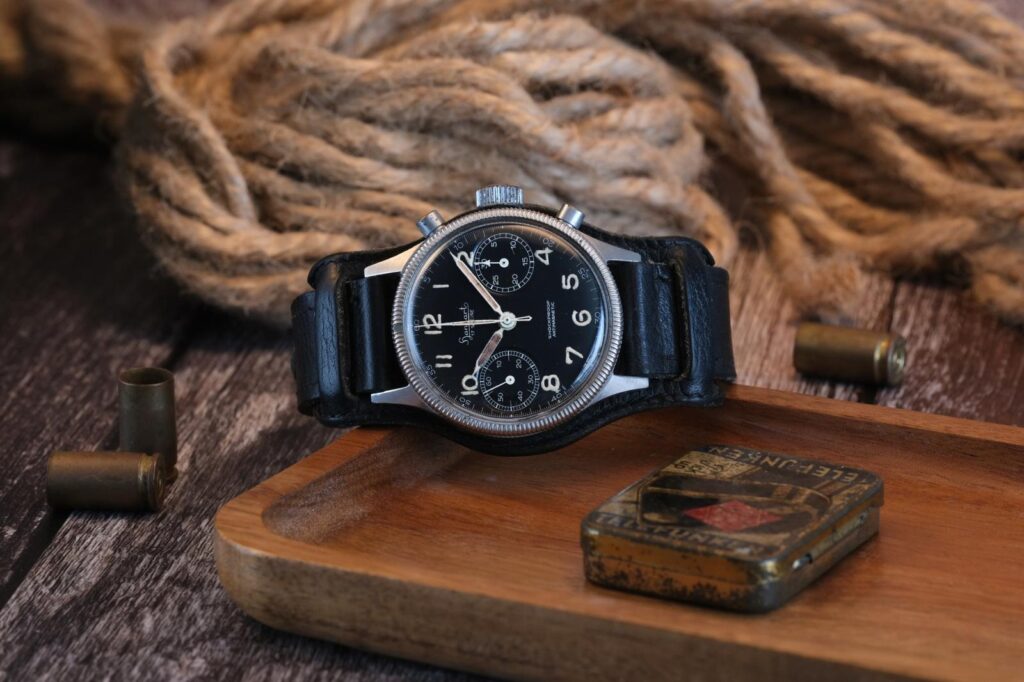
Some watches age into charm, and a smaller number age into authority.
The Hanhart 417 ES belongs to the latter group, not because it tries to feel important, but because every part of it was shaped by function. More than seventy years after its introduction, this stainless steel chronograph still makes a strong case for restraint, clarity and purpose in watch design.
Its appeal isn’t limited to rarity or the familiar Steve McQueen connection. The 417 ES matters because it shows how a tool watch can become collectible without losing the discipline that made it useful in the first place.
At a glance
- The Hanhart 417 ES is a rare stainless steel version of the German brand’s post-war military chronograph.
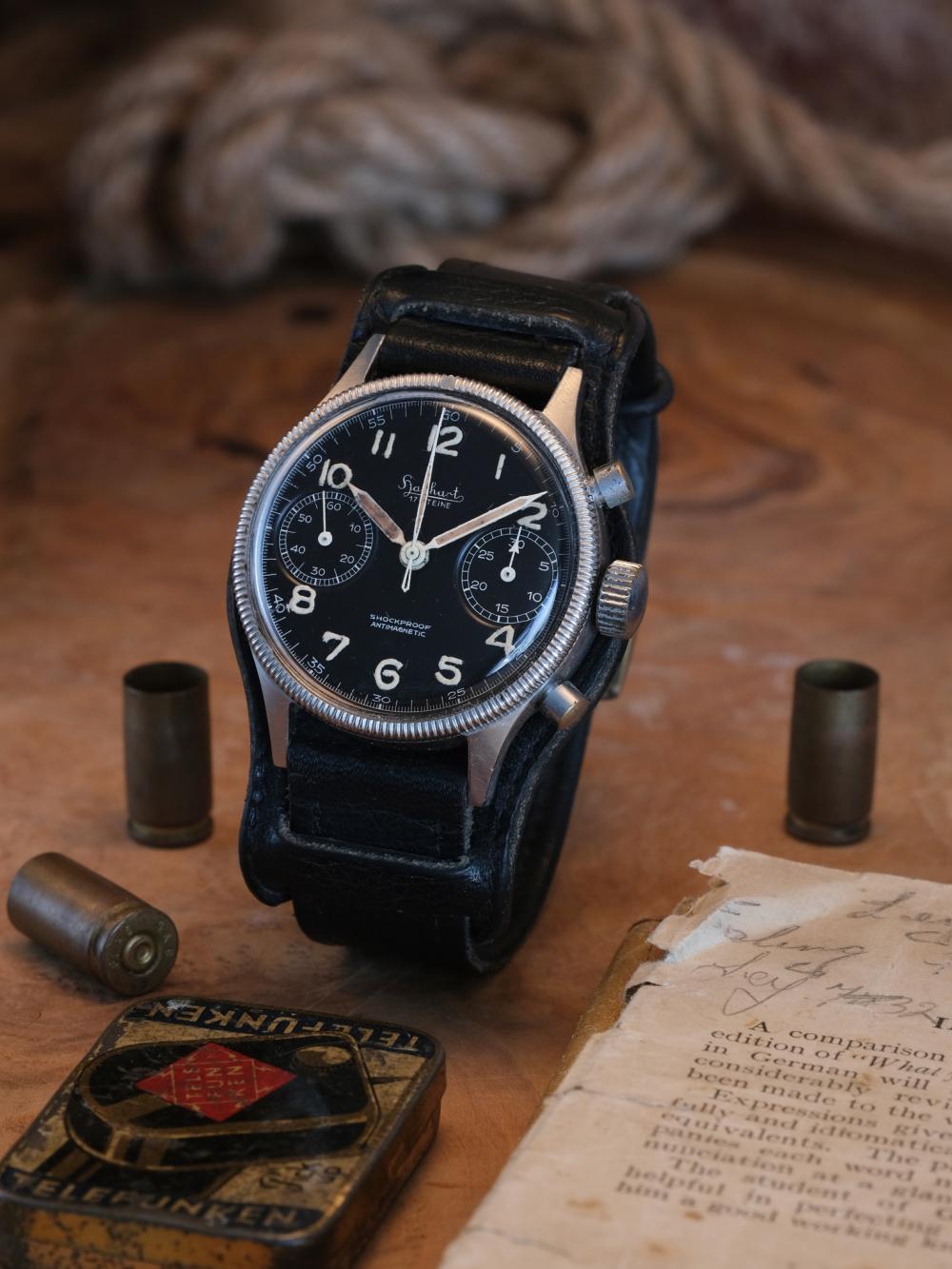
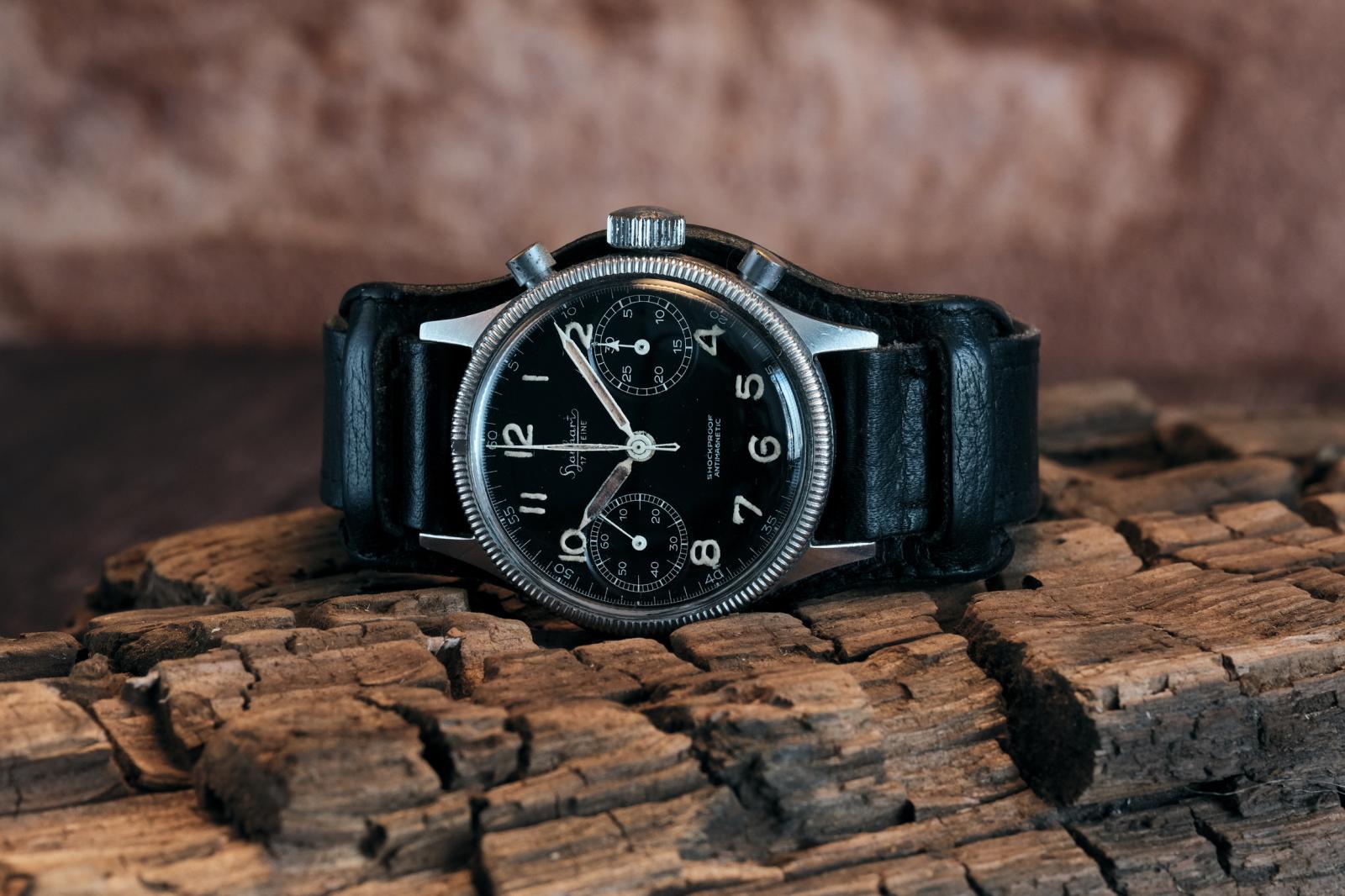
- Its clean bi-compax dial, coin-edge rotating bezel, Arabic numerals and syringe hands were designed for practical timing and fast readability.
- Produced between 1953 and 1962, the model is especially sought after in civilian-market form, with stainless steel examples believed to number around 500.
A German chronograph shaped by military needs
Hanhart produced the 417 from 1953 to 1962, during a period when chronographs were still working instruments rather than luxury signifiers.
The model was made in two main case executions. The 417 E used a matt chrome-plated brass case, while the 417 ES was made in stainless steel.
That suffix matters to collectors today.
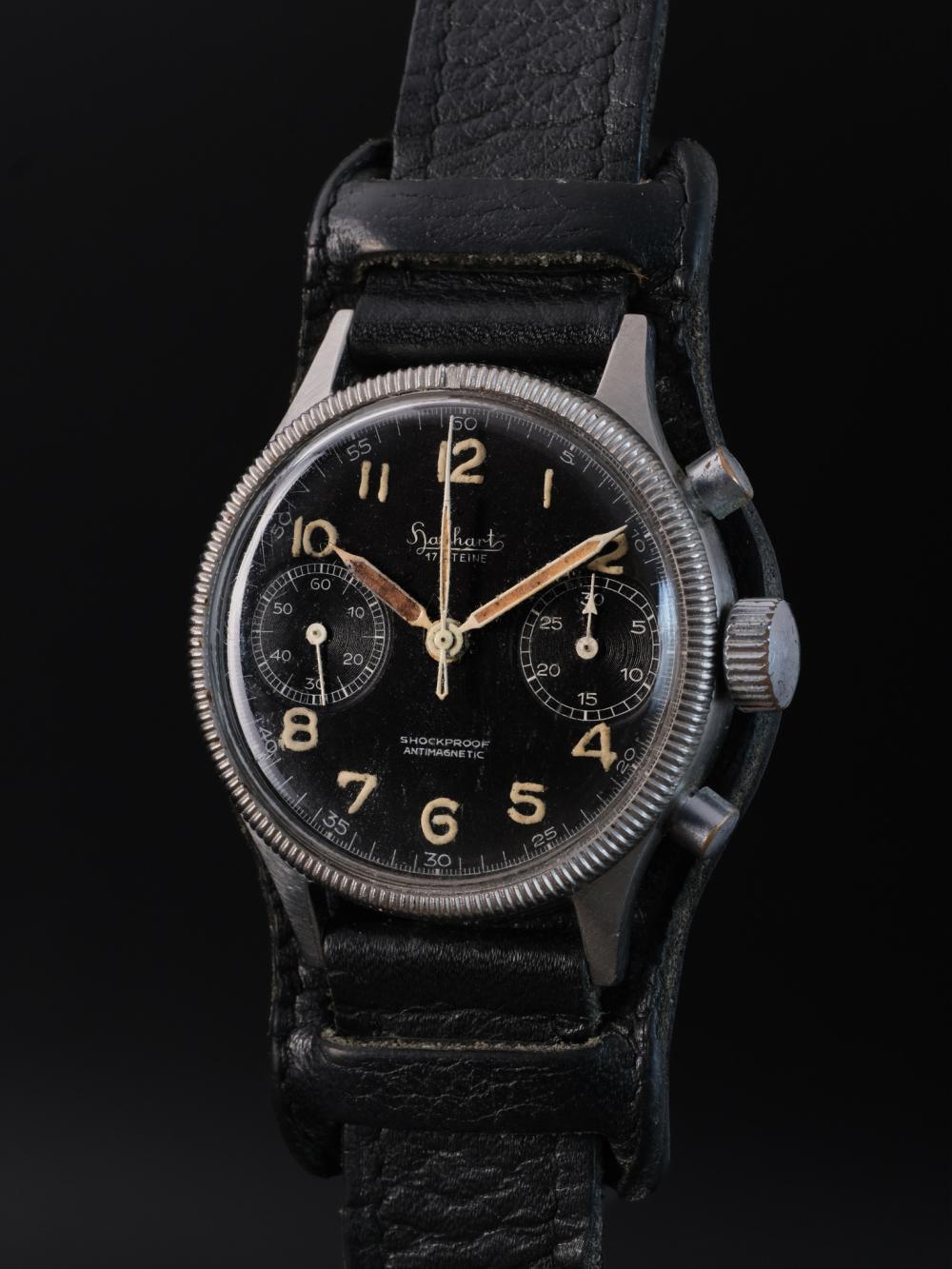
The stainless steel 417 ES is the more desirable variant, partly because of durability and partly because production is believed to have been limited to roughly 500 pieces.
Most examples were destined for the newly formed German Air Force, which explains the model’s long-running association with the Bundeswehr.
A smaller number reached civilian buyers, and those watches add a different layer to the story. They show that Hanhart’s professional chronograph language had relevance beyond official military issue, even while remaining deeply tied to aviation timing.
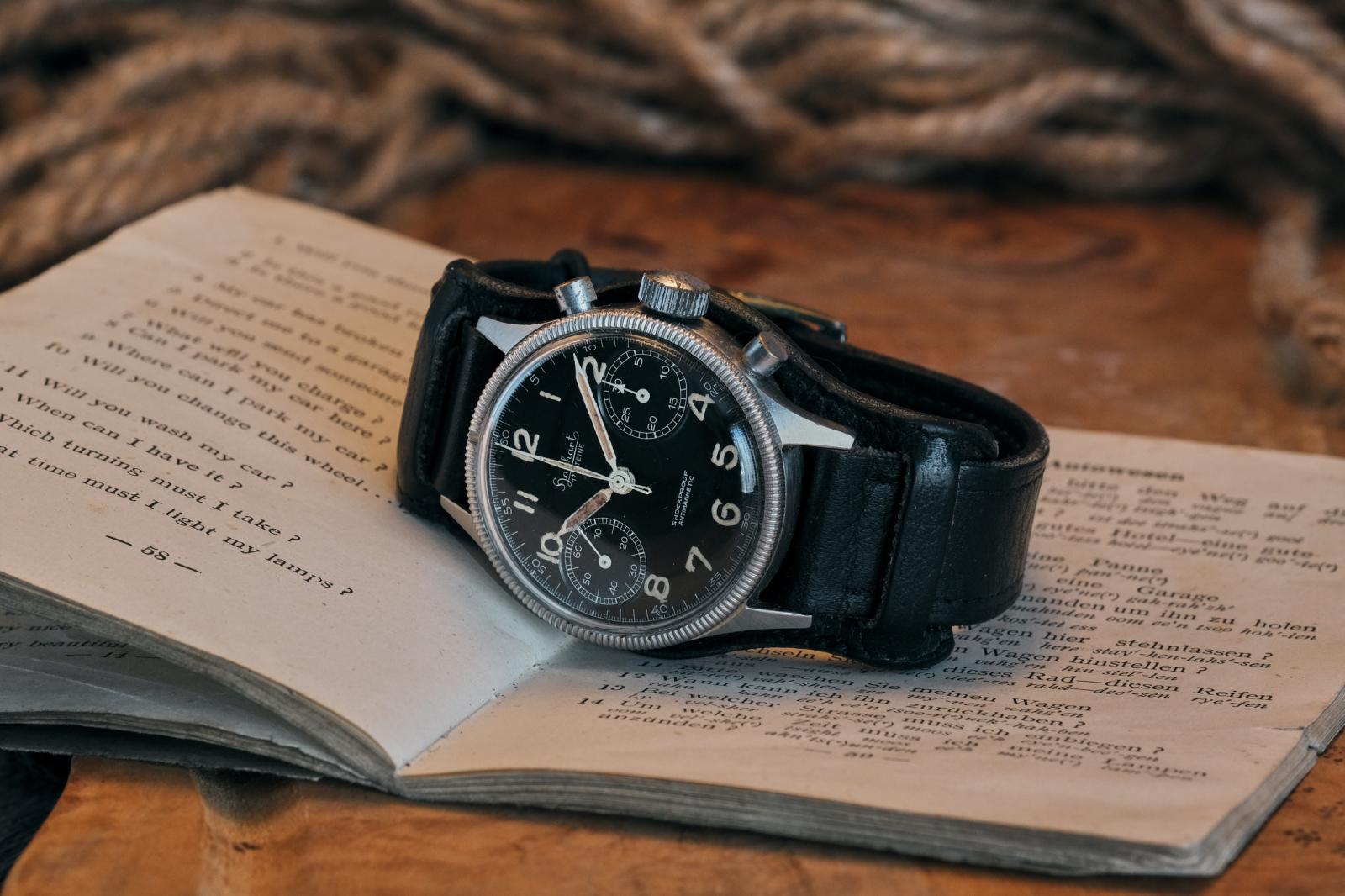
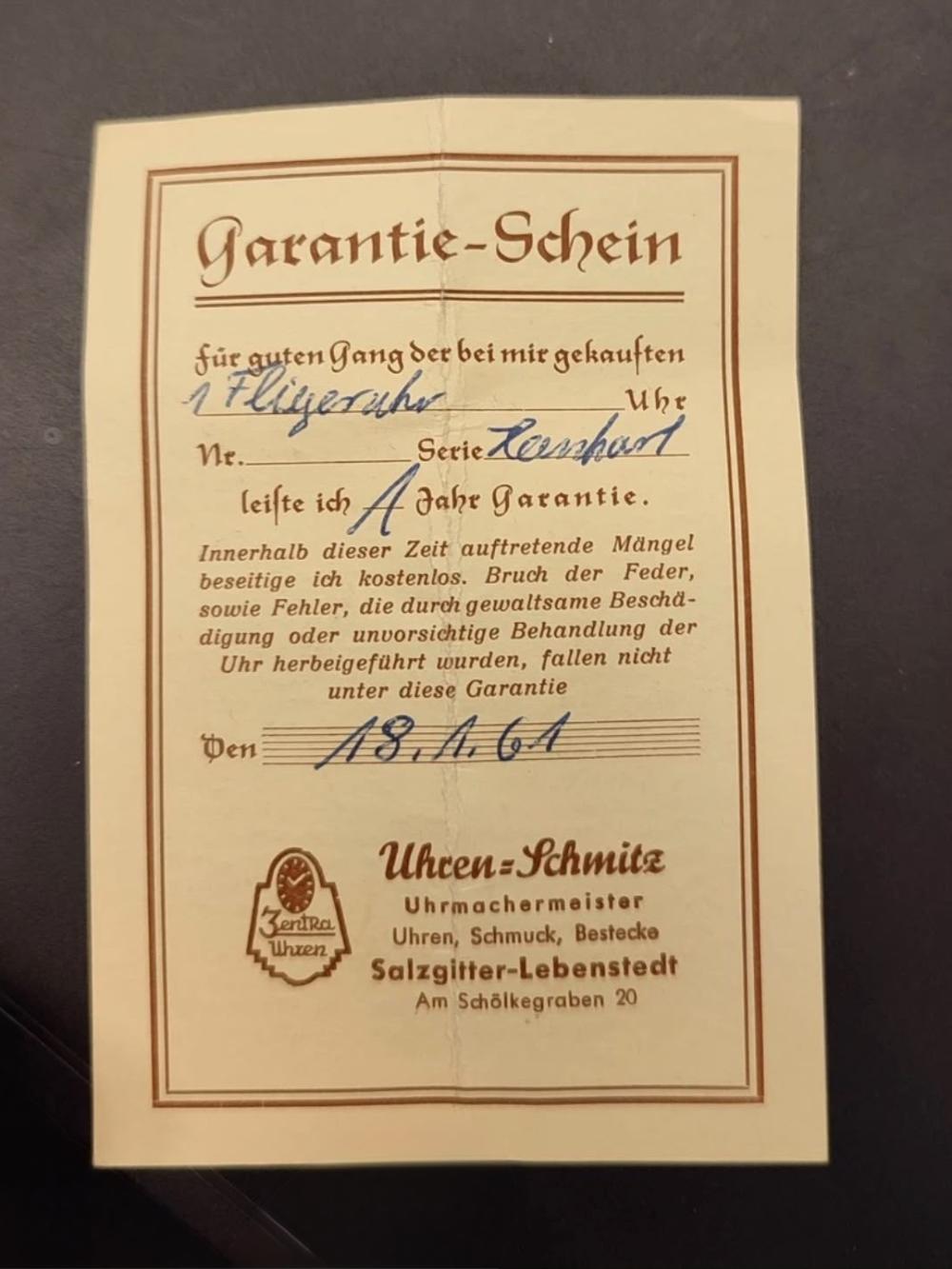
Surviving civilian-market examples with period paperwork are particularly compelling. An original sales receipt from 1961, for instance, can sit alongside a watch likely manufactured in the late 1950s, a reminder that military-adjacent inventory often spent years in storage before finding its first owner.
The dial gets almost everything right
The lasting strength of the 417 ES is its refusal to overcomplicate the job.
Large Arabic numerals make the dial easy to read, while the syringe hands give the watch a sharp, unambiguous display. The bi-compax layout keeps the chronograph information balanced without crowding the face.
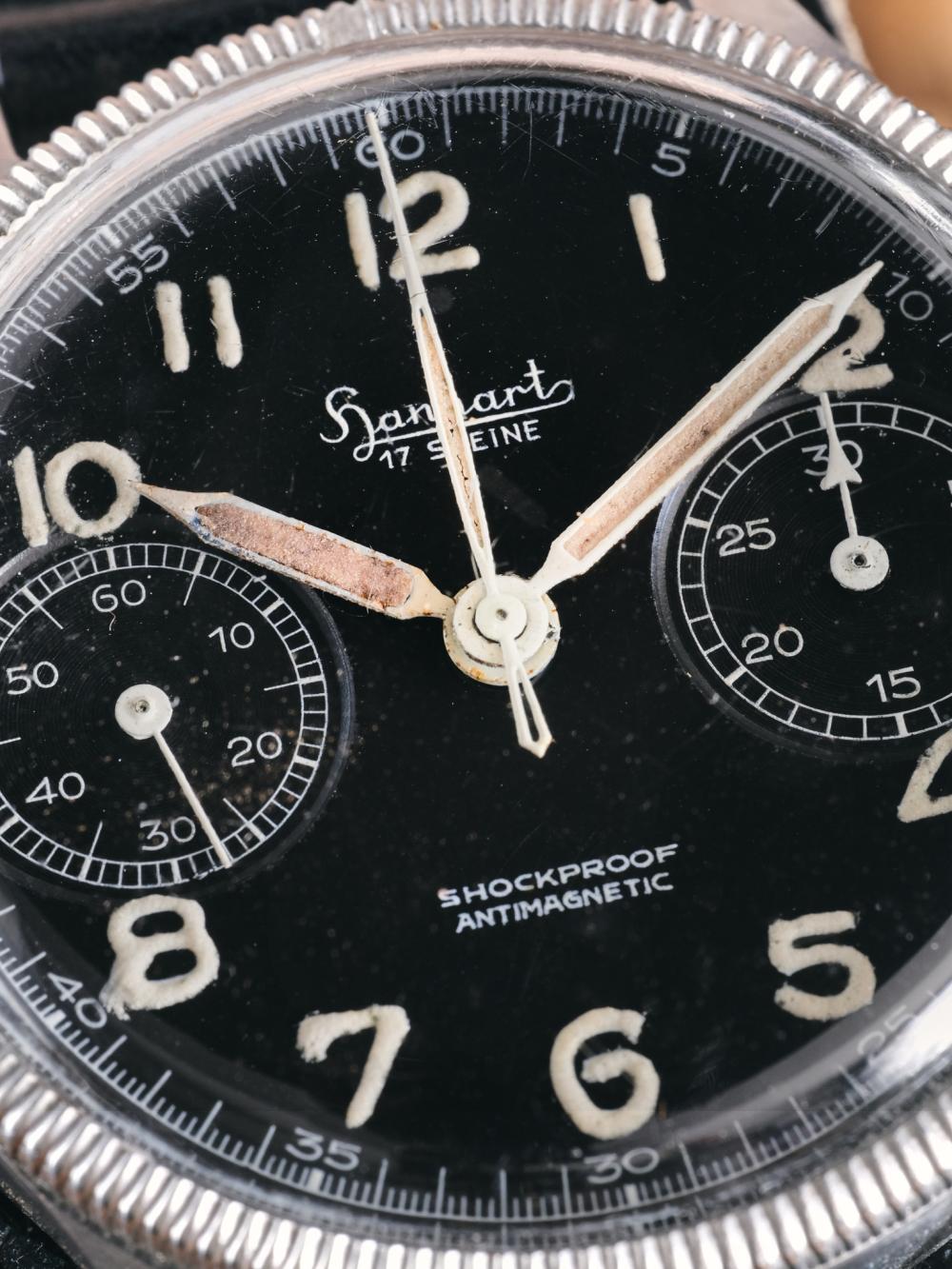
The coin-edge rotating bezel adds another timing function, but it doesn’t make the watch feel fussy.
Nothing about the design appears decorative for decoration’s sake. The result is a watch that looks good precisely because Hanhart wasn’t chasing style as a separate objective.
That’s a difficult lesson for modern watchmaking.
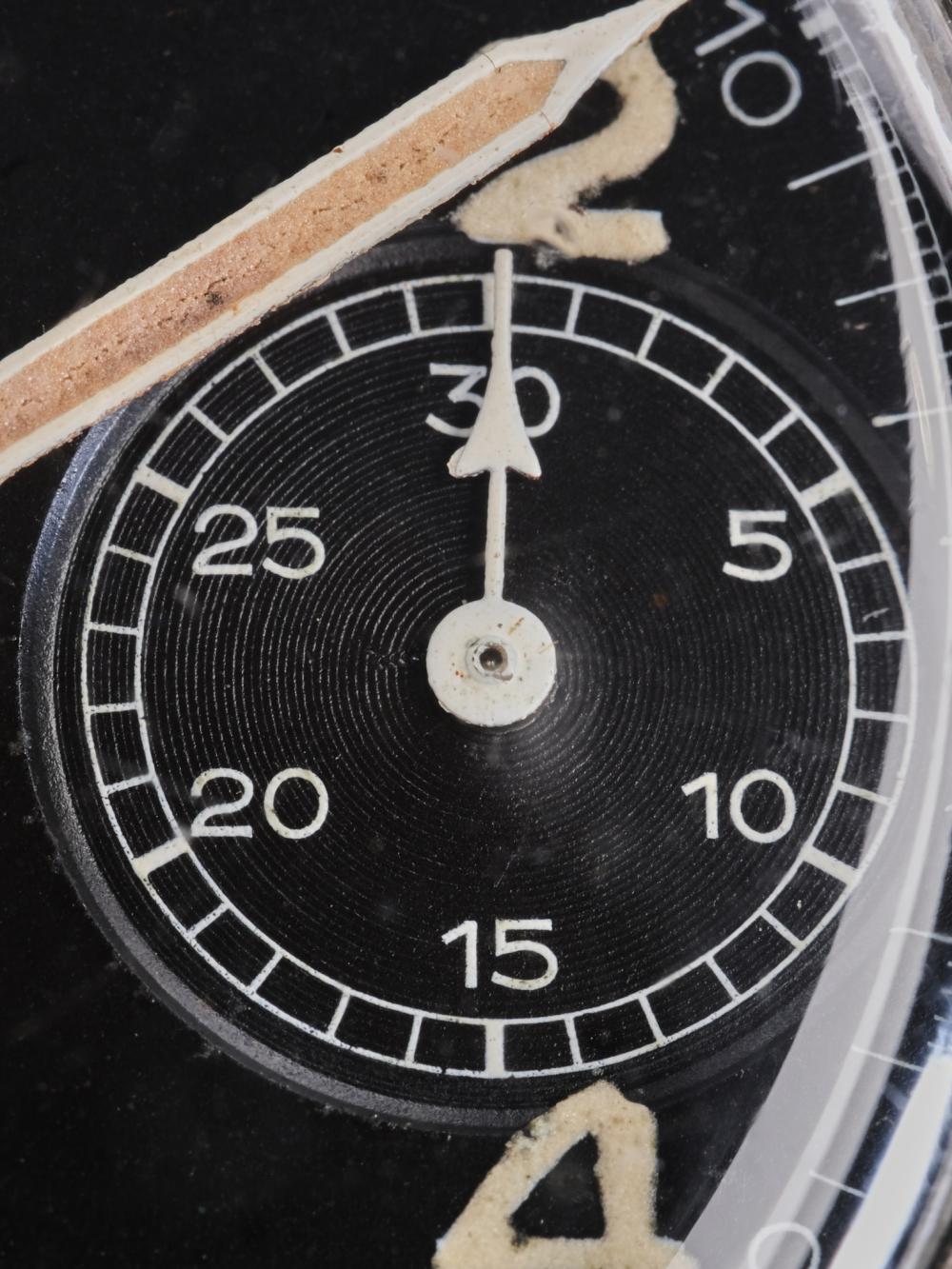
Many contemporary chronographs lean into size, surface finishing or elaborate dial architecture to create a sense of value. The 417 ES does the opposite, relying on proportion and legibility to carry the design.
Its case has presence without feeling inflated, and its dial typography still feels remarkably controlled. It’s not retro by intention, because it predates nostalgia altogether.
How the 417 ES fits into Europe’s military chronograph story
The Hanhart 417 ES sits within a wider post-war tradition of European military chronographs, where performance under pressure defined the brief.
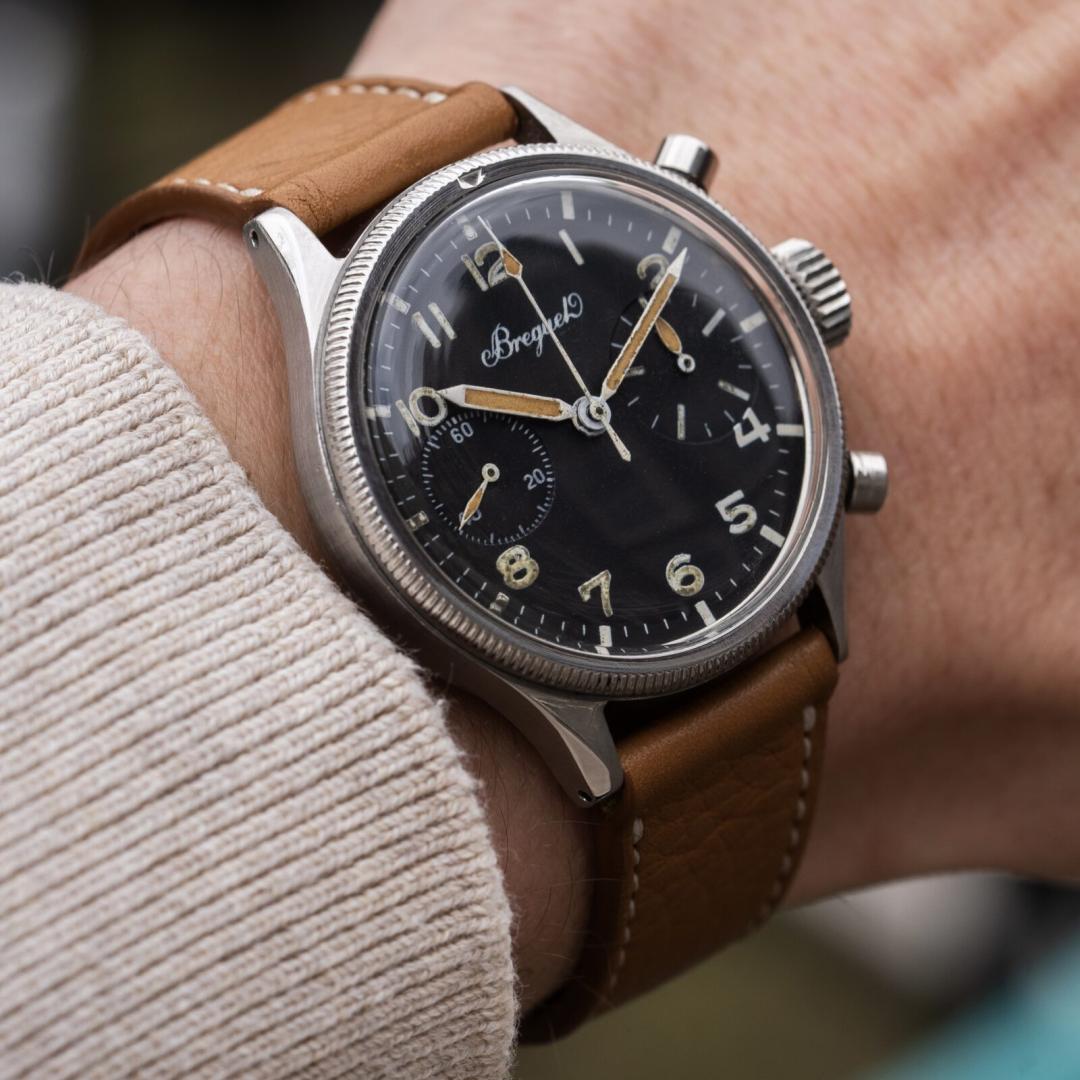
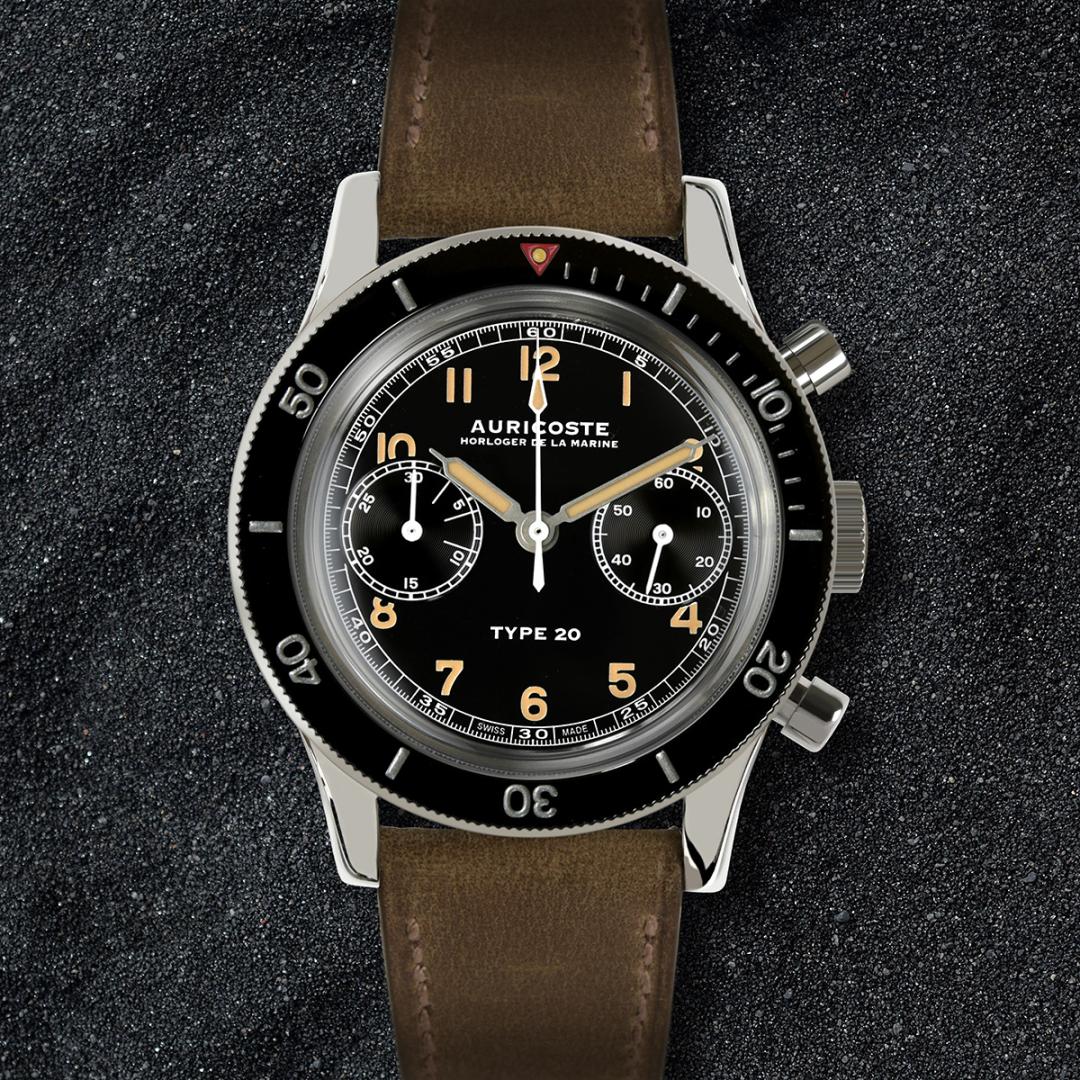
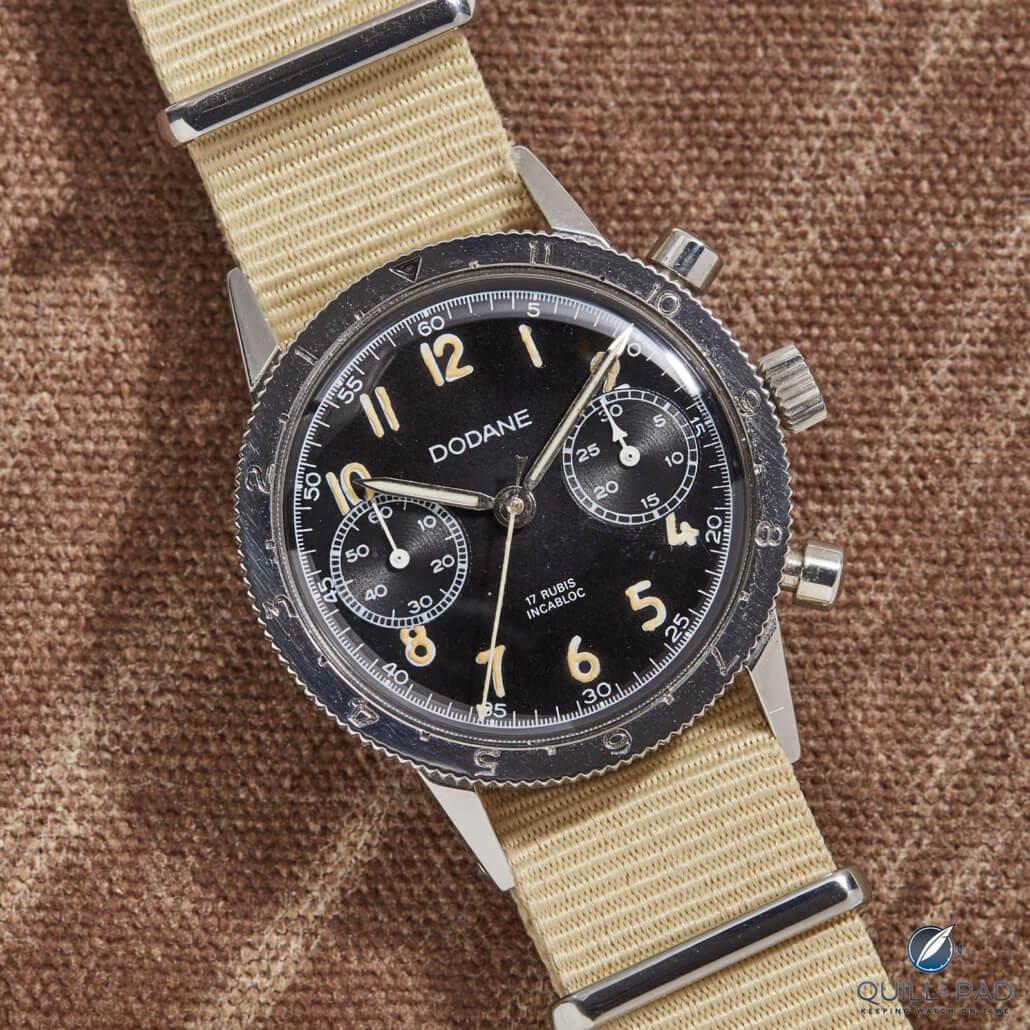
In France, the Type 20 programme would become one of the most admired military watch categories of the 20th century, with brands including Breguet, Auricoste, Dodane and Vixa producing flyback chronographs for armed forces use.
The Hanhart didn’t create the Type 20, and the French watches followed their own national requirements.
Still, the broader design language is connected by shared priorities. Clear dials, robust construction, fast timing functions and minimal visual distraction were not aesthetic trends, but operational necessities.

That shared discipline is why many of these watches still feel relevant.
They weren’t built to satisfy a fashion cycle, so they haven’t been trapped by one.
McQueen helped the myth, but the watch stands on its own
Steve McQueen’s association with the Hanhart 417 ES has inevitably helped the model’s modern reputation.
That connection gives the watch a cultural hook, particularly for collectors drawn to objects that sit at the intersection of cinema, motorsport and military design.
Yet reducing the 417 ES to a celebrity-worn watch misses the better story.
The reason it suits that mythology is the same reason it worked in the first place. It looks direct, practical and unforced.
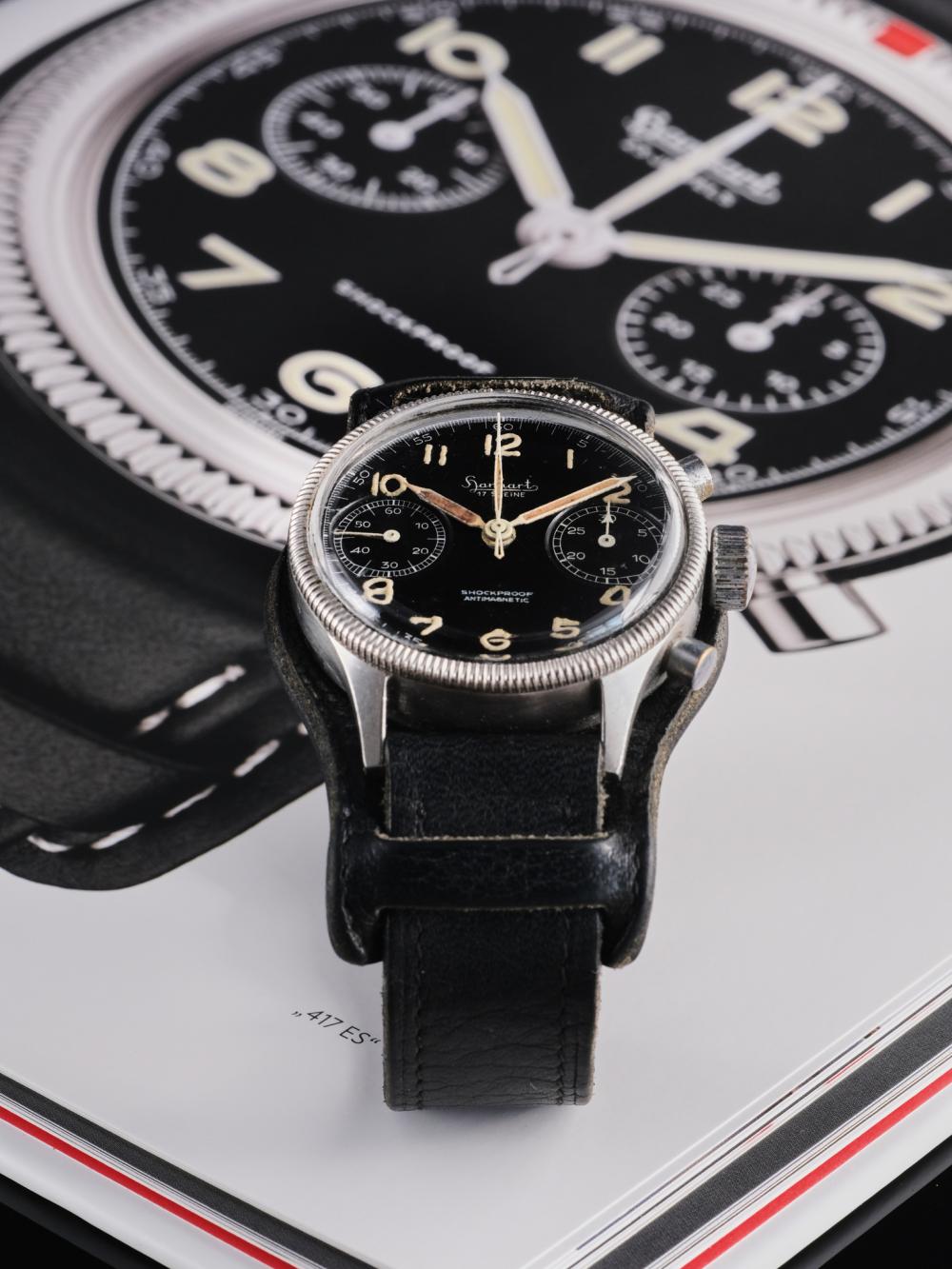
Aged examples often carry that character even more strongly. Softened Bund straps, honest case marks and worn bezel edges bring out the sense that the watch was used as intended rather than preserved as an accessory.
That kind of patina can’t be manufactured convincingly.
Details & Specifications
| Brand | Hanhart |
|---|---|
| Model | 417 ES |
| Production period | 1953 to 1962 |
| Case material | Stainless steel |
| Dial layout | Bi-compax chronograph |
| Numerals | Oversized Arabic numerals |
| Hands | Syringe-style hands |
| Bezel | Coin-edge rotating bezel |
| Related variant | 417 E with matt chrome-plated brass case |
| Estimated stainless steel production | Around 500 examples |
| Primary use | German Air Force issue, with a small number sold to civilians |
The Hanhart 417 ES endures because it was never trying to be timeless.
It was built to be readable, tough and useful, and that clarity has aged better than almost any design gesture could. For collectors who value purpose over polish, it remains one of the great post-war chronographs.