Tesla’s German factory is becoming a sharper test of Europe’s electric car future.
Reuters has reported that the company is planning to invest €3 billion, or about $3.3 billion, into its Gigafactory in Grünheide near Berlin, just as Mercedes has stopped fresh investment.
The contrast is hard to miss, because Germany’s traditional carmakers are trying to cut costs while Tesla is looking to add more industrial weight on their home ground.
At a glance
- Tesla is planning a €3 billion expansion at its Grünheide Gigafactory near Berlin.
- The investment would fund an additional production facility and could make the site Germany’s largest car plant by production capacity.
- Reuters has reported the move as Mercedes has stopped fresh investment and German rivals face pressure from Chinese competitors.
Grünheide could become Germany’s highest-capacity car plant
The planned investment is expected to fund an additional production facility at Tesla’s Grünheide site, its only European factory.
If the expansion reaches its potential, the plant could overtake Volkswagen’s Wolfsburg facility by production capacity, shifting a symbolic centre of gravity in German car manufacturing.
That would be a significant development for a factory that already carries outsized importance in Tesla’s European strategy.
Grünheide gives Tesla a manufacturing base inside the European Union, close to one of the world’s most influential automotive markets and within reach of the region’s EV buyers.
A larger factory near Berlin would also reinforce Tesla’s intent to treat Europe as a production market rather than simply an export destination.
A different signal from Mercedes
The timing is striking because Mercedes has stopped fresh investment, Reuters has reported, while Germany’s wider premium and volume car sector is under pressure to protect margins.
Volkswagen, Mercedes and BMW are all looking to reduce costs, with job cuts and possible plant closures among the measures being considered.
That pressure is coming from several directions, but Chinese rivals are one of the most visible forces reshaping the market.
Chinese electric carmakers have become more competitive in pricing, technology and production speed, creating a tougher environment for Germany’s established brands both at home and abroad.
Tesla’s move reads differently against that backdrop.
Rather than slowing capital deployment in Germany, the American EV maker is preparing to expand capacity in the same market where incumbents are looking for savings.
Cybercab adds another layer to Tesla’s manufacturing plans
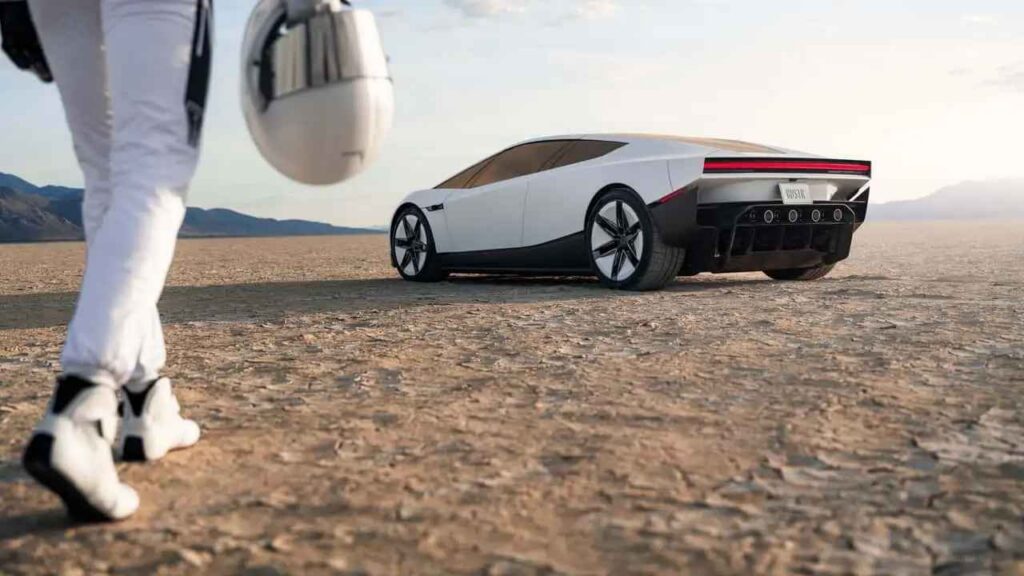
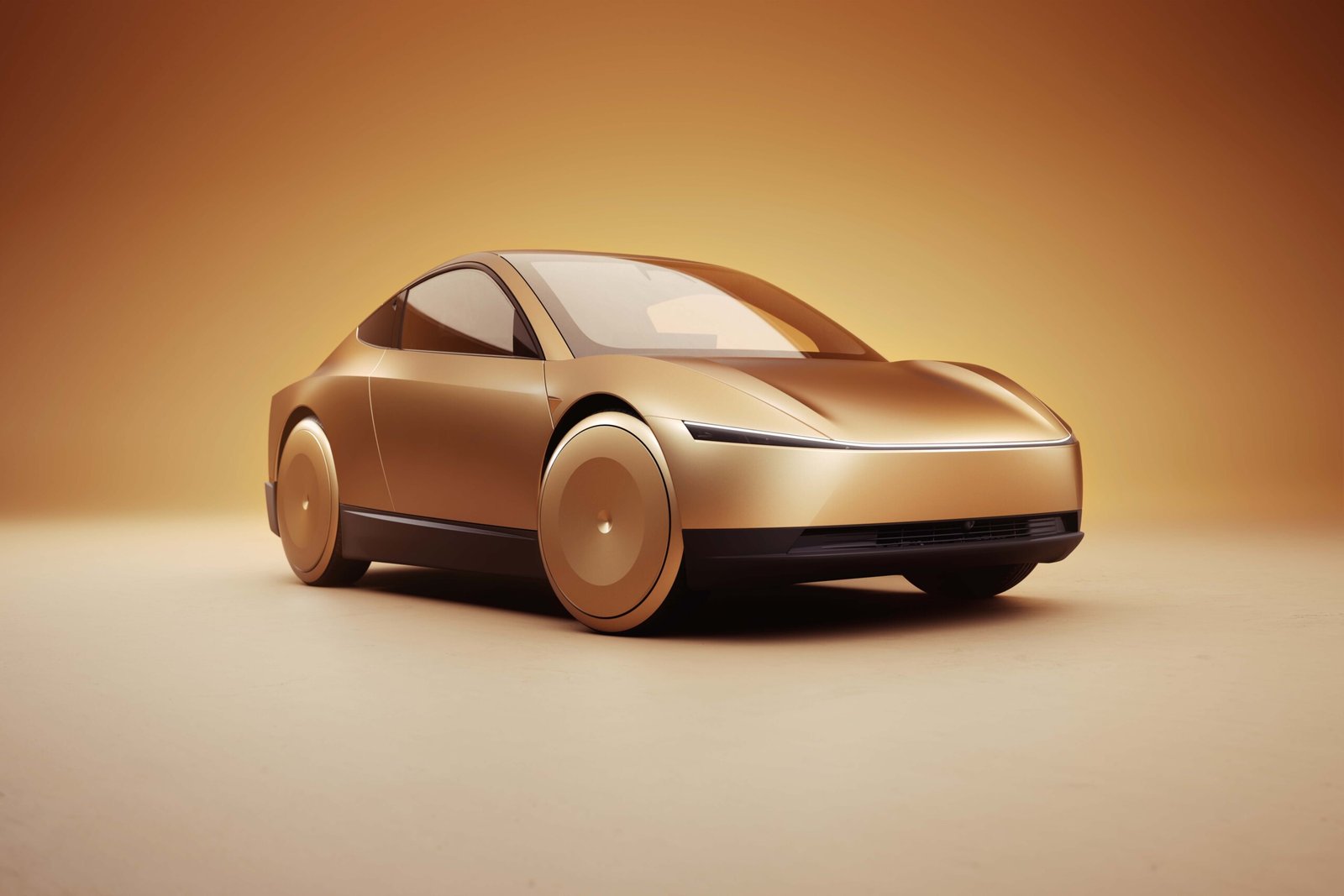
The expansion is also linked to Tesla’s upcoming Cybercab, the two-seat driverless electric vehicle that has become one of the company’s most closely watched future products.
Tesla has announced on X that it has begun inviting select customers to purchase the Cybercab.
The vehicle is listed at $29,990, with a separate $299 monthly Autonomy Subscription.
Those figures give the Cybercab a clearer commercial frame, though broader availability and production timing were not detailed in the supplied information.
For Tesla, the model matters because it points beyond the familiar private-owner EV playbook and toward a business built around autonomy, fleet use and lower-cost electric mobility.
That makes added manufacturing capacity in Europe more than a conventional factory expansion.
It could support Tesla’s attempt to build future products at scale while European manufacturers are still working through the economics of the EV transition.
Germany’s auto industry faces a sharper divide
The German car industry has been defined for decades by engineering depth, manufacturing discipline and powerful domestic brands.
The current moment is less comfortable.
EV demand, Chinese competition and the cost of industrial transformation are forcing legacy manufacturers to make difficult decisions about jobs, factories and investment priorities.
Tesla’s proposed €3 billion investment doesn’t erase those pressures, but it does underline the widening split between companies cutting back and companies still willing to add capacity.
For buyers and industry watchers, the Grünheide plan is another sign that the next phase of the EV market won’t be decided only by vehicle launches.
It’ll also be decided by where companies are willing to build, how much capital they commit and how quickly they can turn that investment into production scale.
If Tesla’s German expansion proceeds as planned, Grünheide could become one of the most consequential car factories in Europe.