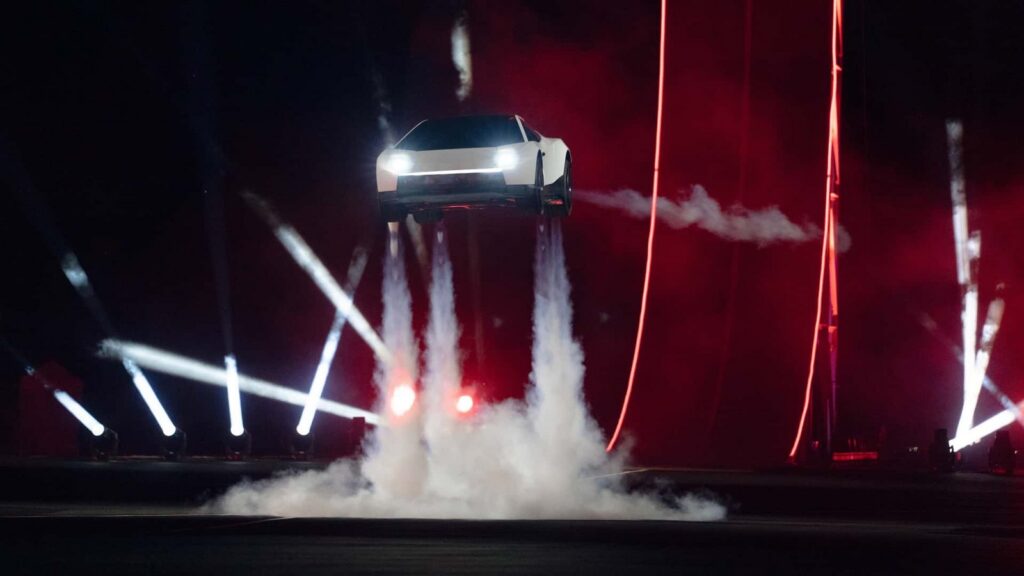
The next Tesla Roadster has always been positioned as something stranger than a conventional electric supercar.
Its cold-gas thruster system is the feature that pushes it furthest into science-fiction territory, but the hardware brings a practical issue that’s harder to romanticise.
Refilling the system may take far longer than plugging in the car.
At a glance
- Tesla engineering vice president Lars Moravy says the Roadster’s cold-gas thruster system currently needs around two to six hours to refill after use.
- The system uses compressed nitrogen stored in a 200-litre tank pressurised to as much as 10,000 psi.
- Tesla hopes to cut refill time to under 30 minutes, but it hasn’t explained how owners without suitable equipment would refill the tank.
A nitrogen system beyond the usual garage setup
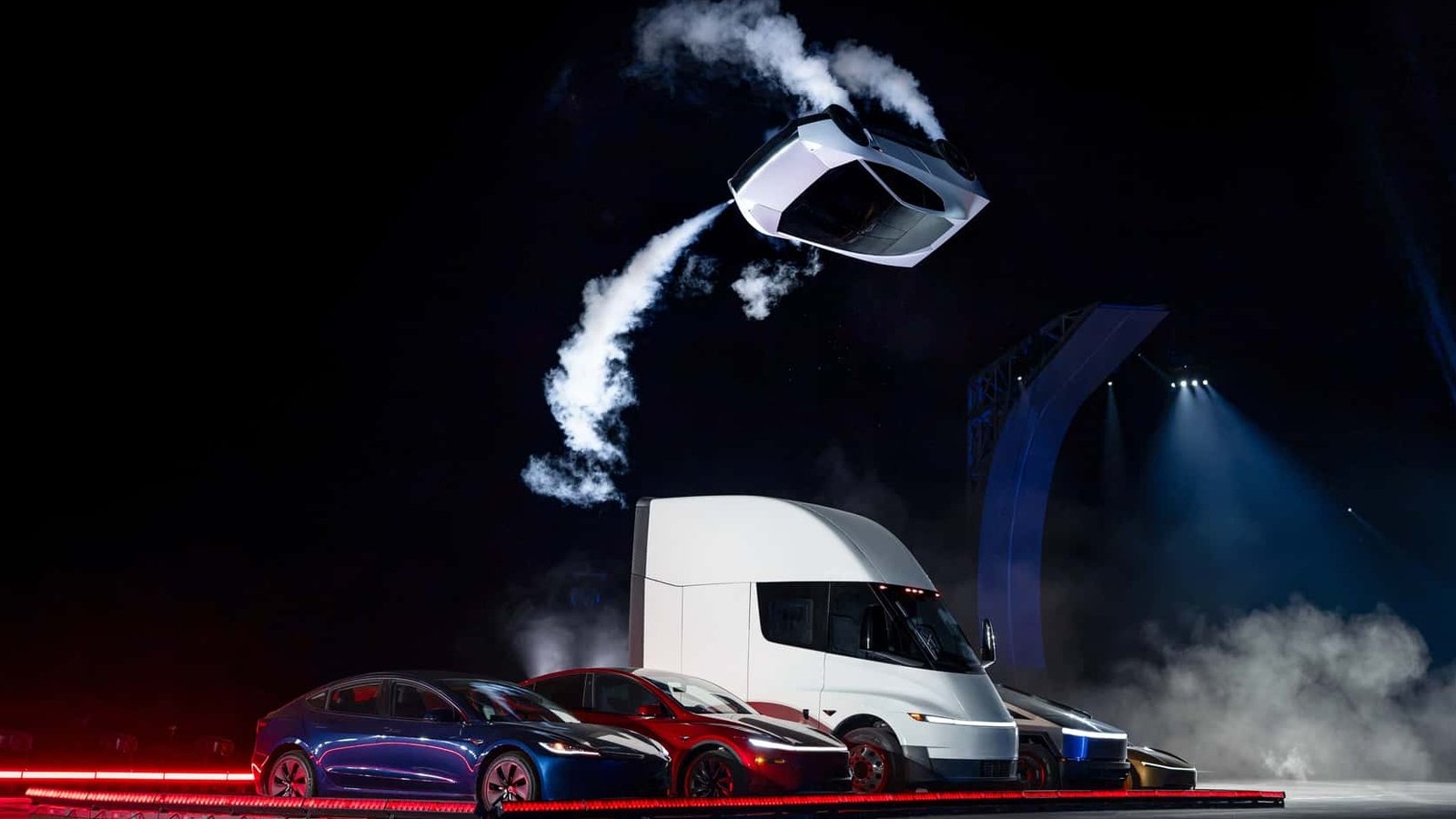
The Roadster’s most unusual performance aid is a cold-gas thruster system that releases compressed nitrogen in a forceful burst.
That burst is intended to help the car launch itself, giving the Roadster a type of acceleration assist that sits outside the normal electric-car playbook.
The hardware behind it is substantial.
The system uses a 200-litre nitrogen tank pressurised to as much as 10,000 psi, a figure that immediately raises questions about refilling away from specialist equipment.
A normal compressor won’t be enough for that job.
Even many high-pressure nitrogen systems are understood to top out around 6,000 psi, so reaching the Roadster’s maximum pressure would likely require a dedicated booster.
The refill time Tesla still needs to cut
Lars Moravy, Tesla’s engineering vice president, says the Roadster’s thruster system currently takes around two to six hours to refill after use.
That’s a long stop for a feature designed around short, dramatic bursts of performance.
Tesla is aiming to bring the refill time down to less than 30 minutes, which would make the system far more usable in real-world ownership.
For now, though, that target remains an ambition rather than the current reality.
Ownership may depend on the refilling answer
The question isn’t just how powerful the system is, but how owners will live with it.
Charging an EV is already a familiar routine for many drivers, but replenishing a 10,000 psi nitrogen tank is a different kind of infrastructure problem.
Tesla hasn’t detailed how owners without suitable high-pressure nitrogen equipment would refill the tank.
That missing answer matters because the thruster system is one of the Roadster’s defining promises, yet its appeal will depend partly on whether it feels usable rather than occasional.
Details & Specifications
| Brand | Tesla |
|---|---|
| Model | Roadster |
| System | Cold-gas thruster system |
| Gas | Compressed nitrogen |
| Tank capacity | 200 litres |
| Maximum stated pressure | Up to 10,000 psi |
| Current refill time | Around two to six hours, according to Tesla engineering vice president Lars Moravy |
| Target refill time | Less than 30 minutes |
The Roadster’s thrusters remain a fascinating idea because they challenge what an electric performance car can be.
What Tesla still has to prove is whether the refilling process can become as compelling as the engineering spectacle itself.